


Introduction
A japandi living room brings calm, warmth, and order into the heart of the home. It blends Japanese simplicity with Scandinavian comfort, creating a space that feels clean but never cold. With the right colors, furniture, textures, and layout, this style can make any living room feel peaceful and practical.
What Is a Japandi Living Room?
A japandi living room is a space inspired by two design styles: Japanese minimalism and Scandinavian coziness. Japanese design focuses on balance, nature, and quiet beauty. Scandinavian design adds warmth, comfort, and practical function. Together, they create a room that feels simple, soft, and easy to live in.

This style avoids clutter, loud colors, and heavy furniture. Instead, it uses light wood, natural fabrics, clean lines, soft neutral shades, and thoughtful decor. A good japandi living room design feels like a deep breath after a busy day.
Why Japandi Style Works So Well in Living Rooms
Japandi style works beautifully in living rooms because this space needs both comfort and calm. A living room is where people relax, watch TV, read, chat, entertain guests, or enjoy quiet time. Japandi supports all of that without making the room feel crowded.
The style also works well in both small and large homes. In a small room, it keeps things open and airy. In a bigger room, it adds warmth and balance. A modern japandi living room does not chase trends. Instead, it focuses on timeless pieces, natural materials, and smart choices. Like a well-made cup of tea, it feels simple, but every detail matters.
Key Features of a Japandi Living Room
A beautiful Japandi space does not happen by accident. It comes from a few clear design choices that work together. Think of the room like a quiet song. Every color, chair, lamp, and texture should play the same soft tune. The main goal is to create a space that feels calm, useful, warm, and balanced.
- Neutral, Light Colors
Neutral colors are the base of Japandi design. Soft white, warm beige, stone gray, cream, taupe, and muted brown all work well. These shades make the room feel open and calm. They also let natural materials shine. Avoid harsh white or bright colors. Choose tones that feel soft, warm, and easy on the eyes.
- Natural Materials
Natural materials are key in any japandi living room design. Wood, bamboo, rattan, linen, cotton, wool, clay, and stone bring life into the room. These materials add texture without adding visual noise. A wooden coffee table, linen curtains, or a ceramic vase can make the space feel grounded and peaceful.
- Simple, Low Furniture
Japandi furniture often has low profiles and clean shapes. Low sofas, simple coffee tables, open wood shelves, and slim media units work best. The furniture should feel relaxed, not bulky. Low pieces also make the ceiling feel higher and the room feel larger. Choose comfort, but keep the design simple.
- Minimal Decor
A minimalist japandi living room does not mean empty or boring. It means every item has a purpose. Instead of filling shelves with many small pieces, choose a few meaningful objects. A handmade bowl, one framed print, a branch in a vase, or a soft throw can be enough.
- Warm Textures
Texture keeps Japandi from feeling too plain. A wool rug, linen sofa cover, woven basket, boucle chair, or cotton cushion can add quiet depth. These soft layers make the space feel lived-in. The trick is to mix textures in the same calm color family so the room still feels balanced.
- Comfort + Function
Japandi style is not only about looks. It must also support daily life. A living room should be easy to sit in, easy to clean, and easy to use. Choose storage that hides clutter. Pick furniture that fits the room. Add lighting where it is needed. Beauty and function should walk side by side.
Benefits of a Japandi Living Room
One of the biggest benefits of a japandi living room is how peaceful it feels. Because the style avoids clutter and loud colors, the mind can rest. After a long day, the room feels like a soft landing place.
Another benefit is flexibility. Japandi can work in apartments, family homes, rentals, open-plan spaces, and compact rooms. It does not need expensive designer furniture to look good. In fact, simple and honest pieces often work best.

This style is also practical. Storage is hidden. Furniture is useful. Decor is limited. That means less cleaning, less visual mess, and fewer items to manage.
Japandi also ages well. A trendy room may feel dated in a year, but a modern japandi living room stays fresh because it uses timeless basics. Natural wood, warm light, handmade decor, and neutral fabrics rarely go out of style.
Most of all, Japandi helps create a home that feels intentional. Nothing screams for attention. Everything quietly supports comfort, peace, and daily living.
How to Choose a Japandi Living Room Color Palette
A Japandi color palette should feel soft, earthy, and calm. Start with a warm neutral base. Good choices include ivory, cream, oatmeal, beige, mushroom, greige, or soft stone. These colors work well on walls, large rugs, sofas, and curtains.
Next, add natural wood tones. Light oak, ash, beech, walnut, and bamboo can all work. Light woods create an airy Scandinavian feel. Darker woods add a deeper Japanese mood. Both can look beautiful when balanced with soft walls and simple decor.

Then add gentle contrast. Charcoal, deep brown, muted olive, clay, sand, and soft black can help ground the room. Use these darker shades in small amounts, such as chair legs, picture frames, lamps, or a side table.
For a warmer look, add earthy tones like terracotta, warm taupe, or muted rust. For a cooler look, use pale gray, sage, or soft blue-gray. The best japandi living room design feels natural, like colors found in wood, stone, sand, and cloudy skies.
Best Furniture for a Japandi Living Room
The best furniture for a japandi living room is simple, comfortable, and well-shaped. Look for clean lines, natural materials, and low profiles. A sofa with slim arms, soft fabric, and a neutral color is a great starting point.
A low wooden coffee table is another strong choice. It can act as the center of the room without feeling heavy. Round or oval tables also help soften the space, especially if the room has many straight lines.
Choose chairs that feel light but supportive. A wood-framed lounge chair with a linen cushion works well. So does a simple accent chair in boucle, cotton, or wool.
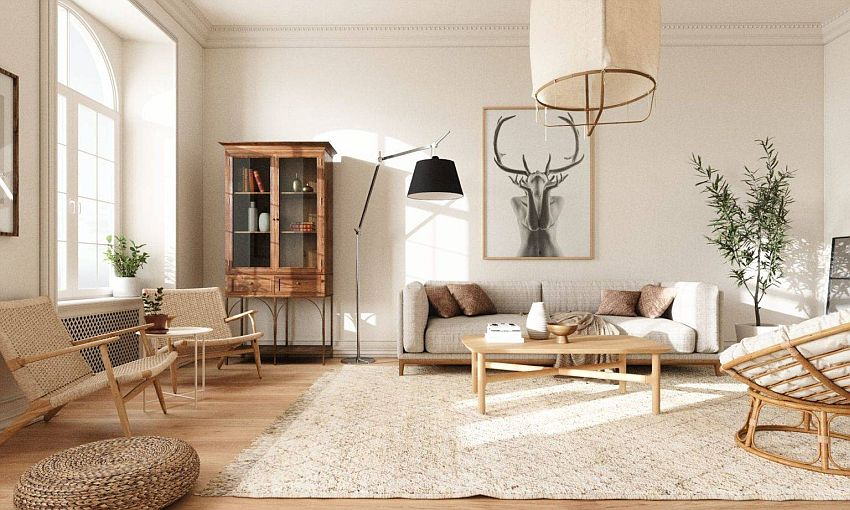
For storage, pick closed cabinets, low media units, or simple sideboards. Open shelves can work, but keep them edited. Too many items will fight against the calm feeling.
A modern japandi living room should never feel like a showroom. It should feel easy to use. Before buying any piece, ask: Is it useful? Is it comfortable? Does it help the room feel calm?
How to Decorate a Japandi Living Room
Decorating a Japandi room is all about restraint. Instead of asking, “What else can I add?” ask, “What does this room truly need?” This mindset helps create a space that feels peaceful, not packed.
Start with one or two natural focal points. This could be a large ceramic vase, a wood-framed mirror, a handmade lamp, or a simple artwork. Choose pieces with organic shapes, matte finishes, and soft colors.
Plants also work well in Japandi spaces. A small olive tree, rubber plant, bonsai-style plant, or simple branch arrangement can add life. Use plain clay, stone, or woven planters.
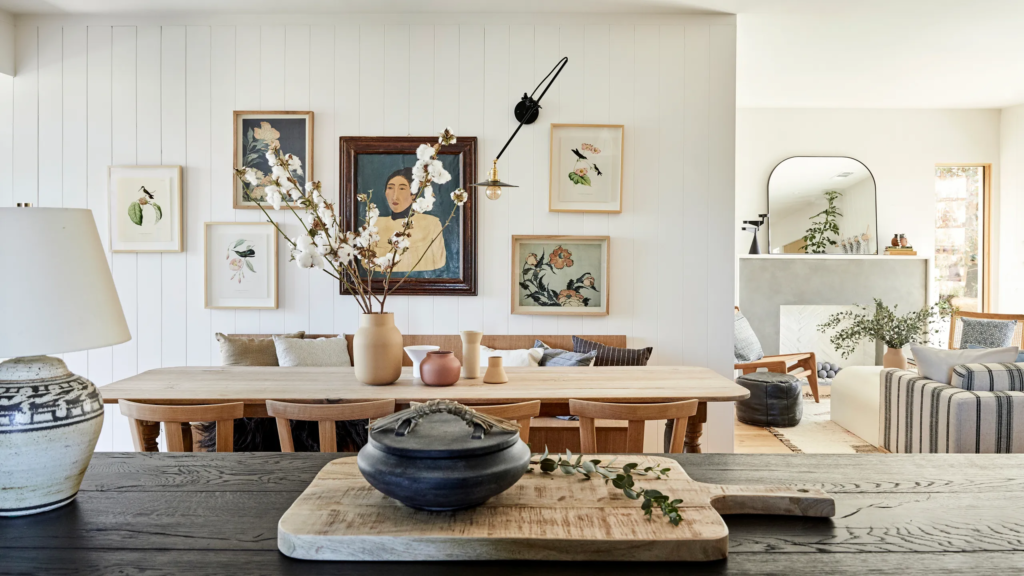
Textiles are important too. Add a soft rug, linen curtains, cotton cushions, or a wool throw. These pieces make the room cozy without making it busy.
For wall decor, choose quiet art. Line drawings, abstract shapes, nature prints, or textured wall hangings can work. In a minimalist japandi living room, blank space is part of the design. Let the walls breathe.
Japandi Living Room Layout Ideas
A strong layout makes a Japandi room feel calm and easy to use. Start by choosing a clear focal point. This may be a fireplace, a large window, a low media unit, or a simple coffee table. Arrange the furniture around that point with enough space to move easily.
In a small living room, place the sofa against the longest wall. Use a low coffee table and slim side table. Choose storage that sits close to the wall. This keeps the center open and helps the room feel larger.
In an open-plan space, use a rug to define the living area. A large neutral rug can act like an island. It tells the eye where the living room begins and ends. Keep the sofa, chair, and coffee table connected by placing at least the front legs on the rug.

For a cozy conversation area, place two chairs across from the sofa. Keep the coffee table in the middle. This layout works well for chatting, reading, or hosting guests.
Avoid pushing too much furniture into the room. Japandi design values breathing space. Empty areas are not wasted. They are like pauses in music. They help the room feel calm, balanced, and complete.
Budget-Friendly Japandi Living Room Ideas
Creating a japandi living room does not require a huge budget. Start by decluttering. Removing extra items is free, and it can make the biggest difference. Keep only what is useful, beautiful, or meaningful.
Next, update textiles. A neutral rug, linen-style curtains, cotton cushion covers, or a soft throw can quickly change the mood. Choose warm, natural-looking fabrics instead of shiny or loud materials.
Paint is another budget-friendly tool. A soft beige, warm white, or greige wall color can create the perfect base for Japandi style.
Thrift stores and secondhand marketplaces are great for this look. Search for wooden stools, simple side tables, ceramic bowls, woven baskets, and plain lamps. Small imperfections often add charm.
DIY projects can also help. Sand and refinish an old coffee table. Replace cabinet handles with wood or matte black pulls. Use a branch from the garden in a simple vase. A minimalist japandi living room often looks best when it feels personal, not perfect.
Best Materials for a Japandi Living Room
Materials matter in Japandi design because they set the mood. Smooth plastic, glossy metal, and fake finishes can make the room feel cold. Natural materials add warmth and honesty. They make the space feel connected to the earth.
Wood is the most important material. It can appear in floors, tables, chairs, shelves, frames, or cabinets. Linen and cotton soften the room. Wool adds warmth. Clay and ceramic bring handmade beauty. Stone adds quiet strength.

The goal is not to use every material at once. Instead, choose a small mix and repeat it throughout the room. For example, oak wood, linen, wool, and ceramic can create a soft and balanced look.
| Material | Role in the Room |
|---|---|
| Light Wood | Adds warmth, structure, and natural beauty |
| Dark Wood | Creates contrast and a calm Japanese-inspired mood |
| Linen | Softens windows, sofas, and cushions with relaxed texture |
| Cotton | Works well for affordable cushions, throws, and upholstery |
| Wool | Adds warmth through rugs, blankets, and accent pieces |
| Bamboo | Brings lightness and a natural handcrafted feel |
| Rattan | Adds woven texture without making the room feel heavy |
| Ceramic | Works well for vases, bowls, lamps, and decor |
| Stone | Adds grounding through tables, trays, or accessories |
| Paper | Softens lighting through paper shades and lanterns |
Lighting Ideas for a Japandi Living Room
Lighting can make or break a modern japandi living room. Even the best furniture will feel flat under harsh light. Japandi lighting should feel soft, warm, and layered.
Start with natural light. Use light curtains or linen panels that let sunlight filter through. Avoid heavy window treatments unless privacy is needed.
Next, add warm ambient lighting. A ceiling light with a paper, linen, wood, or fabric shade can create a gentle glow. Avoid cold, blue-toned bulbs.
Then add task lighting. A floor lamp beside a reading chair or a small lamp near the sofa makes the room more useful. Accent lighting can highlight art, shelves, or plants.

Choose bulbs between 2700K and 3000K for a cozy feel. This range feels warm but still clear.
| Lighting Layer | How It Helps | Recommended Color Temperature |
| Natural Light | Makes the room feel open, fresh, and calm | Daylight from windows |
| Ceiling Light | Gives general light for the full room | 2700K–3000K |
| Floor Lamp | Creates a cozy reading or relaxing corner | 2700K |
| Table Lamp | Adds soft light near sofas, shelves, or side tables | 2700K |
| Wall Sconce | Saves space and adds gentle side lighting | 2700K–3000K |
| Accent Light | Highlights artwork, plants, or textured walls | 2700K |
| Paper Lantern | Creates a soft Japanese-inspired glow | 2700K |
| LED Strip | Works under shelves or media units when hidden well | 2700K–3000K |
Japandi Living Room Storage Ideas
Storage is very important in a minimalist japandi living room. The room should look calm, but it still needs to support real life. Remote controls, books, toys, blankets, chargers, and daily items all need a home.
Closed storage works best. A low wood sideboard, simple cabinet, or clean media unit can hide clutter while keeping the room stylish. Choose flat-front doors or simple handles for a quiet look.
Baskets are also useful. Woven baskets can hold blankets, magazines, or children’s toys. They add texture while keeping mess under control.
Floating shelves can work if they are not overloaded. Style them with a few books, one ceramic piece, and maybe a small plant. Leave empty space between items.
A storage coffee table can also help in small homes. Choose one with hidden drawers or a lift-top design, but keep the shape simple.
The rule is simple: everything should have a place. When storage feels natural, the living room stays peaceful without much effort.
How to Add Personality to a Japandi Living Room
Some people worry that Japandi style may feel too plain. But a japandi living room can still have personality. The key is to add character in quiet, thoughtful ways.
Start with meaningful objects. A handmade bowl from a trip, a framed family photo in a simple wood frame, or a vintage stool can make the room feel personal. Choose fewer pieces, but make them matter.
Art is another good way to show style. Pick calm artwork with soft colors, simple lines, or natural themes. One large piece often works better than many small ones.

Books also add warmth. Stack a few favorite books on a coffee table or shelf. Keep the display neat, but do not make it feel too staged.
Plants bring life and personality too. A sculptural branch, a bonsai-style plant, or a large leafy plant can act like living art.
Personality in Japandi design is like seasoning in soup. A little brings the room to life. Too much can overpower the calm.
Common Japandi Living Room Mistakes to Avoid
One common mistake is making the room too empty. Japandi is minimal, but it should not feel cold or unfinished. Add soft textures, warm lighting, and natural materials to keep the space welcoming.
Another mistake is using only bright white. Pure white can feel harsh. Warmer shades like cream, ivory, oatmeal, and greige usually work better.
Too much decor is also a problem. Small items can quickly create visual clutter. Instead of many decorations, choose a few strong pieces.
Avoid cheap-looking fake materials when possible. Faux wood, shiny plastic, and glossy surfaces can weaken the natural feel. If the budget is tight, choose simple secondhand pieces instead.
Bulky furniture can also hurt the look. Large overstuffed sofas, heavy coffee tables, and tall storage units can make the room feel crowded. Choose lower, lighter pieces.
Finally, do not copy a showroom exactly. A modern japandi living room should feel calm, but it should also feel lived in. Add small personal touches so the room feels like home.
Japandi Living Room Product Recommendations
When choosing products for a japandi living room, focus on items that are useful, natural, and timeless. Start with a neutral sofa in linen, cotton, boucle, or textured fabric. A warm beige or soft gray sofa gives a flexible base.
A low wooden coffee table is another great investment. Look for oak, walnut, ash, or bamboo. Rounded edges can make the room feel softer.
For rugs, choose wool, jute, cotton, or a soft flatweave design. A plain rug with gentle texture often works better than a bold pattern.
Lighting should feel warm and simple. Paper lantern floor lamps, ceramic table lamps, and fabric-shade ceiling lights fit the style well.
For decor, choose handmade-looking pieces. Ceramic vases, stone trays, wood bowls, linen cushions, and woven baskets all work nicely.
Good product categories include:

Neutral linen sofa, low wood coffee table, woven storage baskets, wool area rug, paper lantern lamp, ceramic vase, simple wall art, wood media console, cotton throw blanket, and linen curtains.
Buy slowly. Japandi design improves when every piece is chosen with care.
Japandi Living Room Inspiration by Home Type
A japandi living room design can work in many types of homes. In a small apartment, focus on light colors, low furniture, and hidden storage. Use one large rug to make the room feel planned. Choose furniture with legs so the floor remains visible.
In a rental, use changes that do not damage the space. Add linen curtains, peel-and-stick wall texture, plug-in wall sconces, soft rugs, and freestanding shelves. Swap bright decor for neutral pieces.
In a family home, choose durable fabrics and smart storage. Washable cushion covers, closed cabinets, and baskets can keep the room calm even with busy daily life.
In an open-plan home, use furniture placement to create zones. A sofa can divide the living area from the dining area. A large rug can anchor the space.
In a modern home, lean into clean lines and warm wood. In an older home, mix Japandi pieces with original features. The contrast can feel rich and beautiful.
Conclusion
A japandi living room is calm, warm, and easy to live in. It combines simple design with real comfort. By using neutral colors, natural materials, low furniture, soft lighting, and thoughtful decor, any living room can become a peaceful space that feels stylish, useful, and personal.
Frequently Asked Questions
A japandi living room is a space that blends Japanese and Scandinavian design. It uses simple furniture, neutral colors, natural materials, soft textures, and minimal decor. The goal is to create a room that feels calm, warm, useful, and uncluttered. It is not about having less just for the sake of it. It is about choosing better, more meaningful pieces.
The best colors are soft, natural, and warm. Good choices include cream, beige, ivory, oatmeal, greige, taupe, stone gray, muted brown, and soft white. You can also add small touches of charcoal, sage, clay, or black for contrast. A strong japandi living room design usually starts with a quiet base and adds depth through wood and texture.
Yes, Japandi is excellent for small living rooms. The style uses light colors, low furniture, clean lines, and less clutter, which can make a small room feel bigger. Choose furniture with slim shapes, use hidden storage, and keep decor simple. A minimalist japandi living room can help small spaces feel open, calm, and organized.
Start by removing clutter and keeping only useful or meaningful items. Then add budget-friendly pieces like linen-style curtains, cotton cushion covers, woven baskets, thrifted wood furniture, and ceramic decor. Paint the walls a warm neutral shade if possible. You do not need expensive furniture. A peaceful Japandi look often comes from smart editing and simple natural pieces.
Low, simple, and comfortable furniture works best. Choose a neutral sofa, low wooden coffee table, slim media console, wood-framed chairs, and closed storage. Avoid bulky pieces or loud designs. Furniture in a modern japandi living room should feel practical, calm, and timeless. Natural wood and soft fabric are always good choices.
Yes, renters can create this look without major changes. Use removable decor, soft rugs, floor lamps, linen curtains, freestanding shelves, baskets, and neutral textiles. If painting is not allowed, use warm-toned artwork or large fabric wall hangings. Small changes can still create a strong Japandi mood.
Use simple, natural, and meaningful decor. Good choices include ceramic vases, wood bowls, woven baskets, linen cushions, wool throws, stone trays, paper lamps, plants, and simple artwork. Avoid filling every surface. In Japandi style, empty space is part of the beauty. Let each piece stand on its own.
Yes, Japandi style remains popular because it feels timeless, calm, and practical. Many people want homes that feel peaceful but still warm. Japandi fits that need well. It also works with modern, rustic, Scandinavian, and minimalist homes, which makes it easy to adapt.
Scandinavian style is usually lighter, brighter, and more casual. It often uses pale wood, white walls, and cozy textiles. Japanese design adds more restraint, deeper contrast, lower furniture, and a stronger sense of balance. Japandi combines both. It keeps Scandinavian comfort while adding Japanese simplicity and quiet elegance.
Use warm lighting, soft textiles, and natural textures. Add a wool rug, linen curtains, cotton cushions, a soft throw, and warm wood furniture. Choose bulbs around 2700K for a gentle glow. Plants and handmade decor can also help. The room should feel like a calm blanket, not a blank box.
Common mistakes include using too much white, adding too many small decorations, choosing cold lighting, buying bulky furniture, and making the room feel too empty. Another mistake is using fake-looking materials. A good japandi living room should feel natural, warm, simple, and lived in.