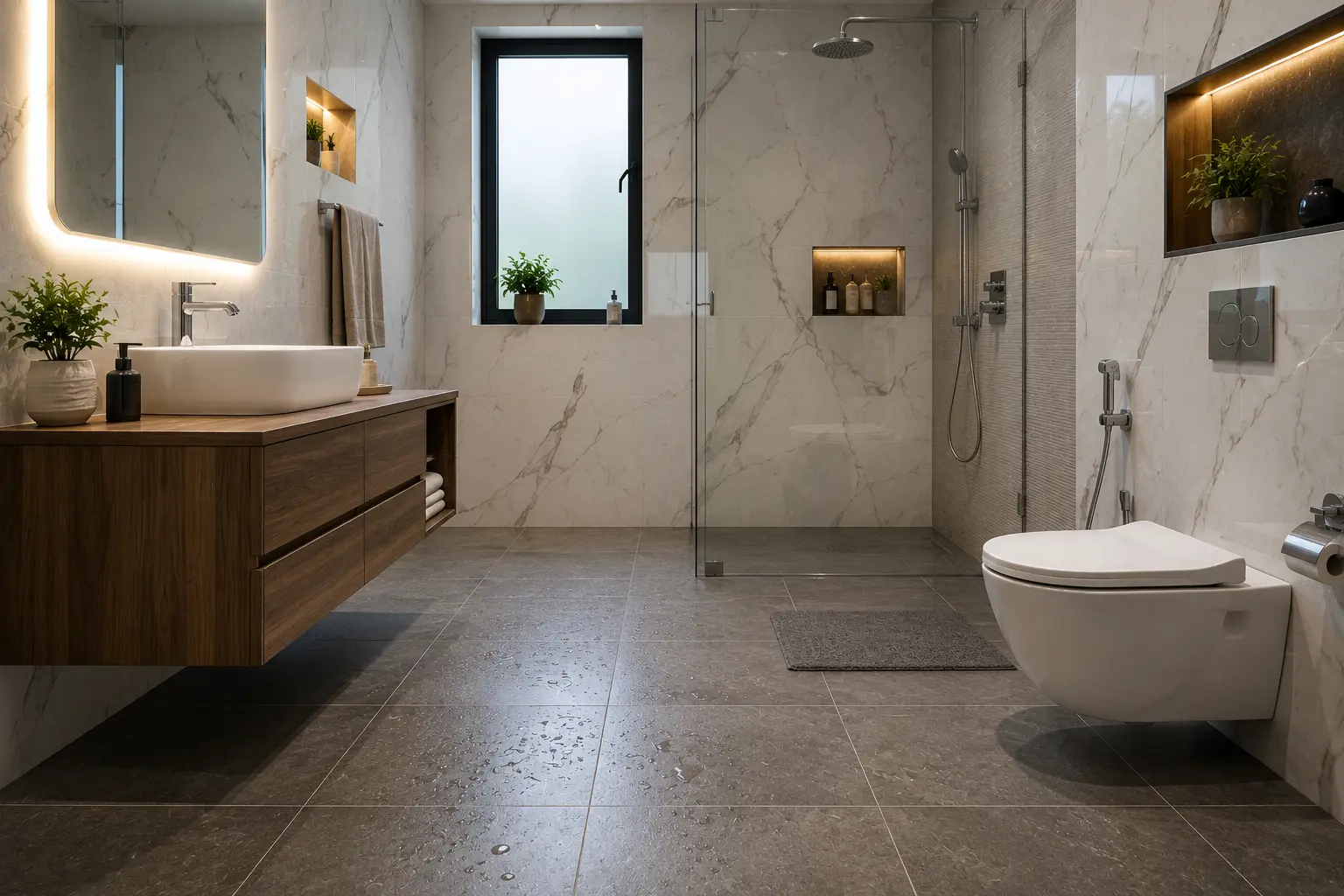

Small bathroom tile ideas can turn a tight, plain bathroom into a bright, stylish, and useful space. The right tile can make walls feel taller, floors feel wider, and the whole room feel cleaner. Even a small update can change the mood of your bathroom without a full remodel.
What Are Small Bathroom Tile Ideas?
Small bathroom tile ideas are smart ways to use tile on floors, walls, showers, backsplashes, and accent areas in a compact space. They focus on color, size, pattern, texture, and layout. Good tile choices support your overall bathroom decor while making the room feel open, balanced, and easy to use.
These ideas work for many spaces, including powder rooms, apartment bathrooms, narrow guest baths, small washrooms, and small restrooms. The goal is not only to make the room look nice. The goal is also to make it feel calm, clean, and practical every day.
Why Tile Choice Matters in a Small Bathroom?
Tile covers a large visual area in a small bathroom. Because the space is compact, every color, line, and pattern stands out. A busy tile can make the room feel crowded, while a simple tile can make it feel more open.
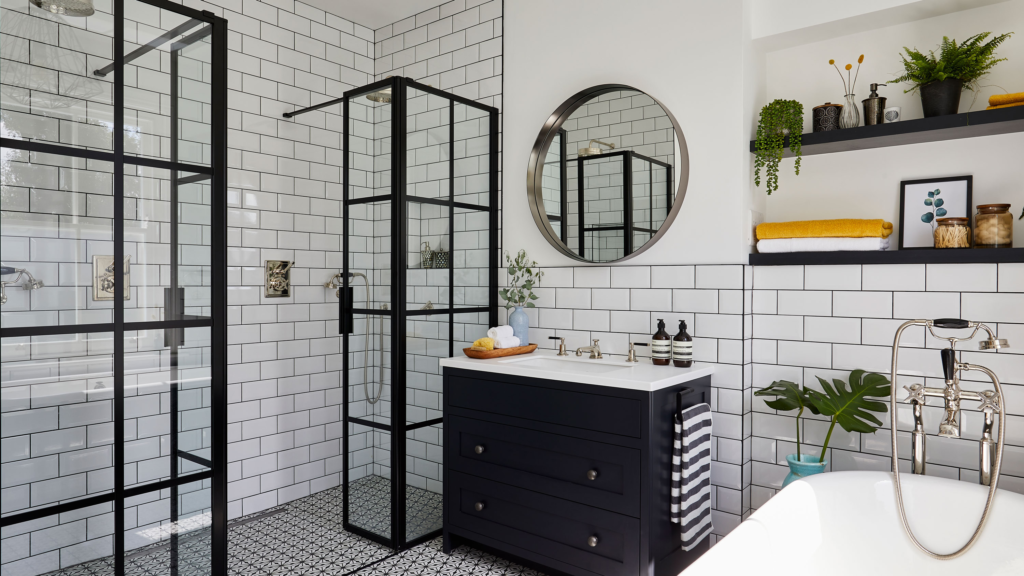
Tile also affects cleaning, safety, lighting, and comfort. For example, glossy wall tile can bounce light around the room, while slip-resistant floor tile helps prevent falls. That is why the best tiles for small bathrooms are not just pretty. They also work hard.
Best Tile Sizes for Small Bathrooms
Tile size can change how a bathroom feels. Many people think tiny bathrooms need tiny tiles, but that is not always true. Large tiles, small tiles, and mosaics can all work well when you use them with care.
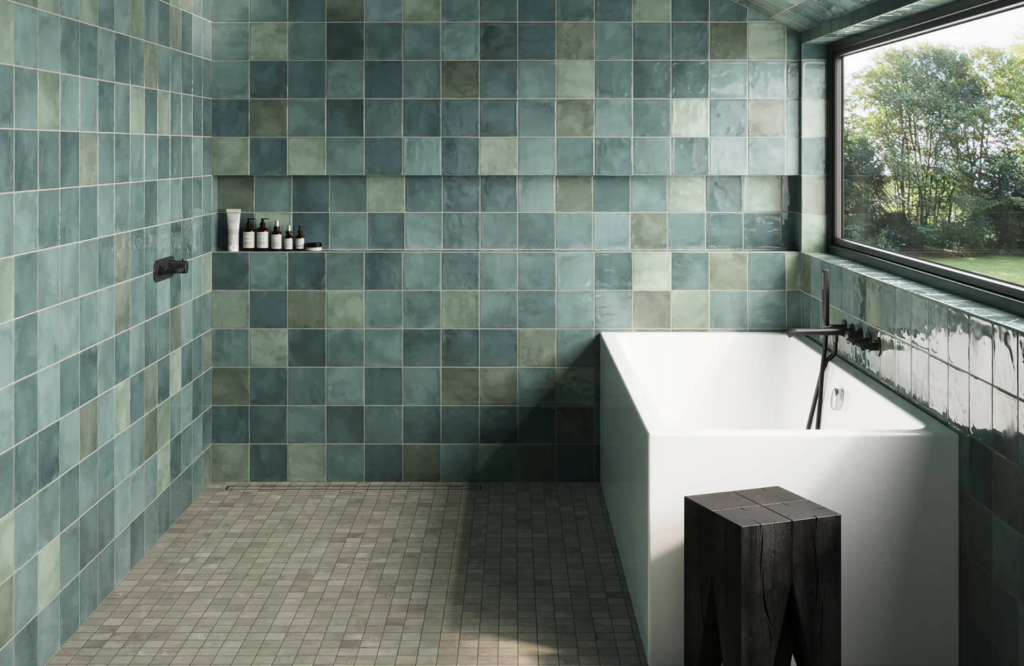
The best choice depends on the layout, grout lines, lighting, and the look you want.
- Large Tiles for a Bigger Look
Large tiles can make a small bathroom feel wider because they create fewer grout lines. Fewer lines mean less visual clutter. Large-format tiles work well on floors, shower walls, and even full bathroom walls when the layout stays simple.
Choose light colors or soft stone looks for an airy effect.
- Small Tiles for Detail
Small tiles add charm and detail. They work well in vintage bathrooms, powder rooms, and accent areas. However, they create more grout lines, so use them carefully.
Small square tiles, penny tiles, and mini hex tiles can look beautiful when paired with calm wall colors and simple fixtures.
- Mosaic Tiles for Accents
Mosaic tiles are great for shower floors, niches, borders, and small backsplash areas. They add texture without taking over the whole room.
Because mosaics can feel busy, use them like jewelry. A little sparkle or pattern can lift the design, but too much can overwhelm a compact bathroom.
- When to Mix Tile Sizes?
Mixing tile sizes can make a small bathroom feel custom and layered. For example, use large tiles on the floor and smaller tiles in the shower niche.
A good rule is to keep one main tile simple, then add one smaller detail tile. This keeps the design interesting but not messy.
Best Tile Colors for Small Bathrooms
Color matters a lot in small bathroom design. Light colors usually make a compact room feel open, while deep colors add drama and depth. The key is balance.
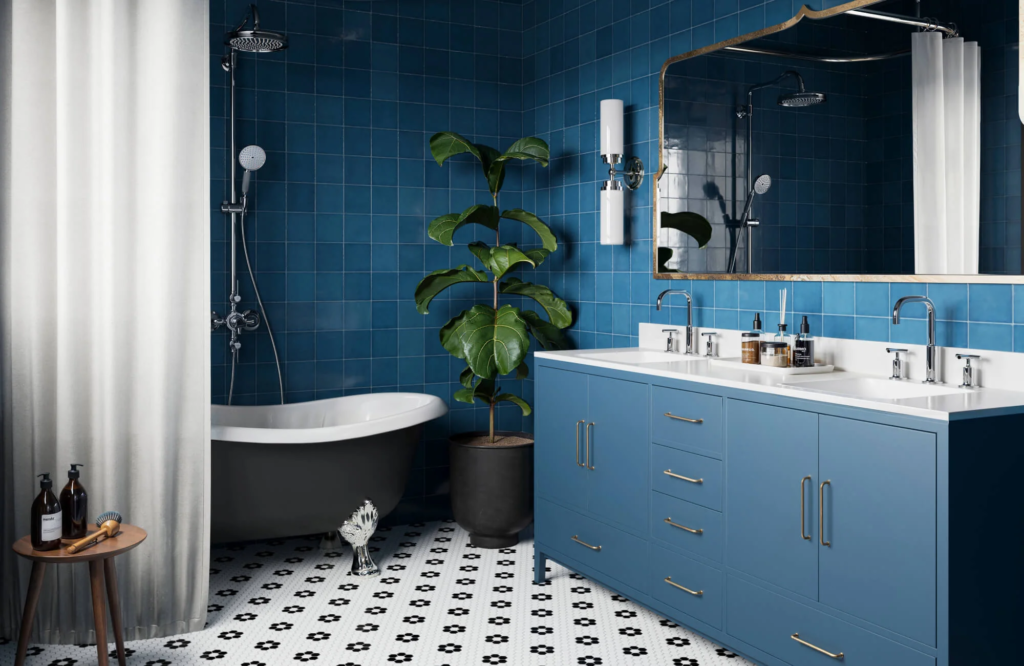
You do not have to use only white. Warm neutrals, soft gray, pale blue, sage green, and even dark tile can all work beautifully.
- White Tiles for Brightness
White tile is a classic choice because it reflects light and makes a bathroom feel fresh. White subway tile, white zellige-style tile, and white porcelain floor tile all work well.
To avoid a cold look, add warm wood, brushed brass, soft towels, or a cozy bath mat.
- Beige and Warm Neutrals
Beige, cream, ivory, sand, and greige tiles create a softer look than bright white. These colors feel calm and warm, which helps a small bathroom feel welcoming.
Warm neutral tile is also easy to match with wood vanities, woven baskets, and simple black or chrome fixtures.
- Soft Gray Tiles
Soft gray tile gives a bathroom a clean, modern look. It works especially well with white walls, black accents, or natural wood.
Choose light gray for a bigger feel. Dark gray can work too, but it needs good lighting and simple styling so the room does not feel heavy.
- Light Blue and Green Tiles
Pale blue and soft green tiles bring a fresh, spa-like feeling to a small bathroom. They remind you of water, sky, and nature.
These colors work well in shower tile, vanity backsplashes, or accent walls. Pair them with white grout for a crisp look or matching grout for a softer finish.
- Dark Tiles Used Carefully
Dark tile can work in a small bathroom when you use it with purpose. Charcoal, navy, forest green, and black can add depth and style.
Try dark tile on the floor, behind the vanity, or inside the shower. Balance it with light walls, mirrors, and strong lighting.
Small Bathroom Floor Tile Ideas
Small bathroom flooring ideas should balance style, safety, and easy cleaning. The floor takes daily wear, so choose a tile that handles water, foot traffic, and cleaning products.
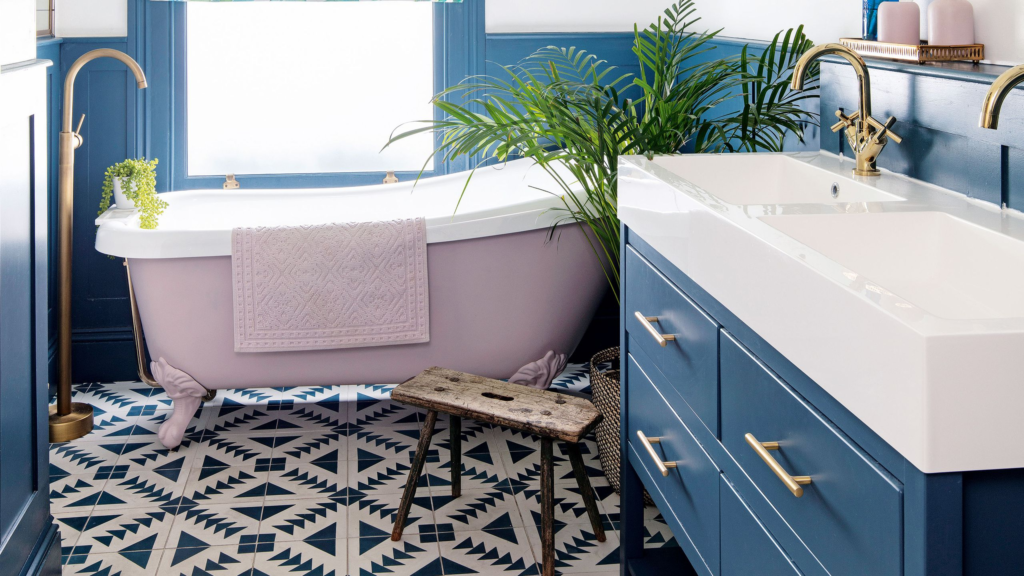
Porcelain and ceramic are popular because they are durable, affordable, and available in many styles.
- Classic Checkerboard Floors
Checkerboard tile adds instant character. Black and white is the classic version, but cream and tan, gray and white, or blue and white can feel softer.
In a small bathroom, choose a smaller scale checkerboard if you want a vintage look. Use larger squares for a cleaner modern style.
- Wood-Look Tile Floors
Wood-look porcelain tile gives you the warmth of wood with better water resistance. It works well in small bathrooms because it adds texture without feeling too busy.
Use long planks to visually stretch the floor. A light oak or natural wood tone can make the space feel relaxed and cozy.
- Stone-Look Tile Floors
Stone-look tile gives a small bathroom a natural, timeless feel. Marble-look, limestone-look, slate-look, and travertine-look tiles are all popular choices.
Porcelain stone-look tile is often easier to maintain than real stone. It gives you the look without as much sealing or special care.
- Patterned Floor Tiles
Patterned floor tile can make a small bathroom feel special. It works well when the walls stay simple.
Try encaustic-style porcelain, soft floral patterns, geometric designs, or vintage-inspired prints. Keep the color palette limited so the floor feels charming, not chaotic.
- Slip-Resistant Tile Options
Bathroom floors get wet, so safety matters. Look for tiles with a matte finish, slight texture, or slip-resistant rating.
Avoid very glossy floor tile, especially near showers and tubs. Gloss can look beautiful on walls, but it may be risky underfoot.
Small Bathroom Wall Tile Ideas
Bathroom wall tile ideas can make a small space feel polished and protected. Tile on walls helps guard against splashes, moisture, and stains.
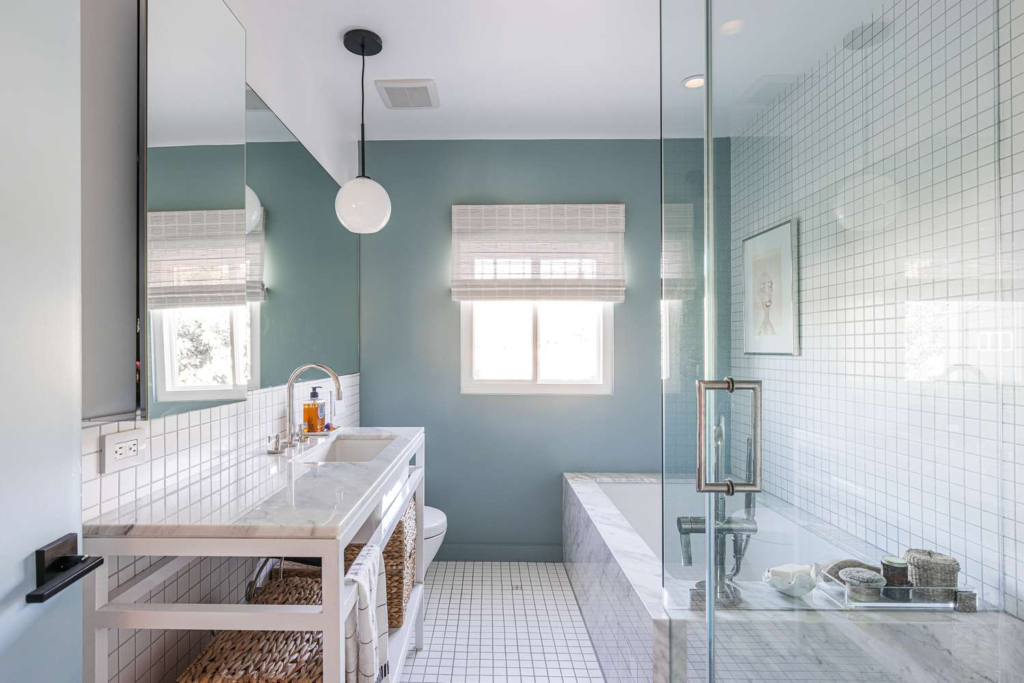
You can tile one small area or cover the full wall. The right choice depends on budget, style, and how much visual impact you want.
- Half-Wall Tile
Half-wall tile is a smart option for small bathrooms because it protects the wall without making the room feel boxed in. It works behind the toilet, around the vanity, or along the main wall.
Top it with paint or wallpaper for extra personality.
- Full-Wall Tile
Full-wall tile can make a small bathroom feel more finished and high-end. It also reduces the number of paint surfaces exposed to moisture.
Use large, light tiles for a seamless look. Matching grout helps the walls feel calm and continuous.
- Shower Wall Tile
Shower wall tile should be water-friendly, easy to clean, and visually simple. Subway tile, stacked tile, and large-format porcelain all work well.
For a small shower, avoid too many colors. A clean wall tile can help the shower feel less cramped.
- Vanity Backsplash Tile
A vanity backsplash is a small update with a big effect. It protects the wall from water and adds style without using much tile.
Try a few rows of subway tile, a small mosaic, or a slab-look porcelain tile behind the sink.
- Accent Wall Tile
An accent wall can give a small bathroom personality. Place it behind the vanity, behind the tub, or on the main wall you see when entering.
Keep the other surfaces simple. This lets the accent tile become the star without crowding the space.
Small Bathroom Shower Tile Ideas
Small shower tile ideas can make a cramped shower feel cleaner, taller, and more comfortable. The shower is often the biggest tile area in a tiny bathroom, so it sets the tone.
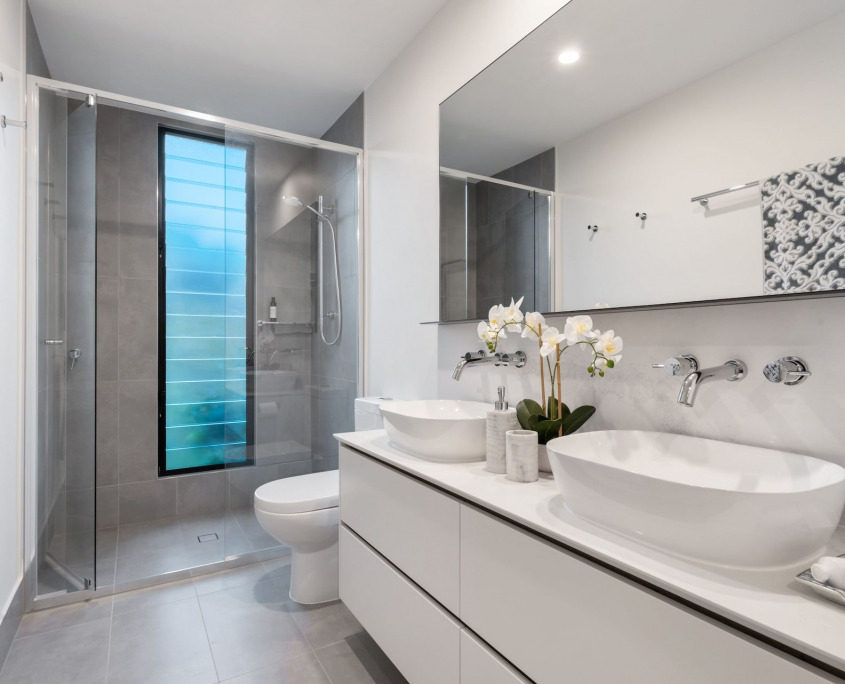
Choose tiles that support good drainage, easy cleaning, and a balanced look.
- Subway Tile Showers
Subway tile is popular because it is simple, affordable, and timeless. It works in modern, farmhouse, vintage, and classic bathrooms.
For a fresh twist, stack subway tile vertically or use a soft color like pale green, cream, or light gray.
- Vertical Tile Layouts
Vertical tile layouts draw the eye upward. This can make a small bathroom feel taller, especially in a shower.
Use slim rectangular tiles, vertical subway tile, or stacked handmade-style tiles. Matching grout keeps the look smooth and helps the height effect feel stronger.
- Walk-In Shower Tile
A walk-in shower can make a small bathroom feel more open, especially with clear glass and continuous tile.
Use the same floor tone inside and outside the shower when possible. This creates one flowing surface instead of several broken zones.
- Shower Niche Tile
A shower niche keeps bottles off the floor and ledges. It also gives you a chance to add a small tile detail.
Use matching tile for a quiet look or mosaic tile for contrast. In a small shower, a neat niche can feel both stylish and practical.
- Floor-to-Ceiling Shower Tile
Floor-to-ceiling tile makes a small shower feel cleaner and taller. It also protects the walls better from moisture.
This look works best with simple tile, such as white subway, soft stone-look porcelain, or vertical stacked tile.
Tile Patterns That Make a Small Bathroom Look Bigger
Small bathroom tile patterns can guide the eye. Some patterns make the room feel taller. Others make the floor feel wider or more continuous.
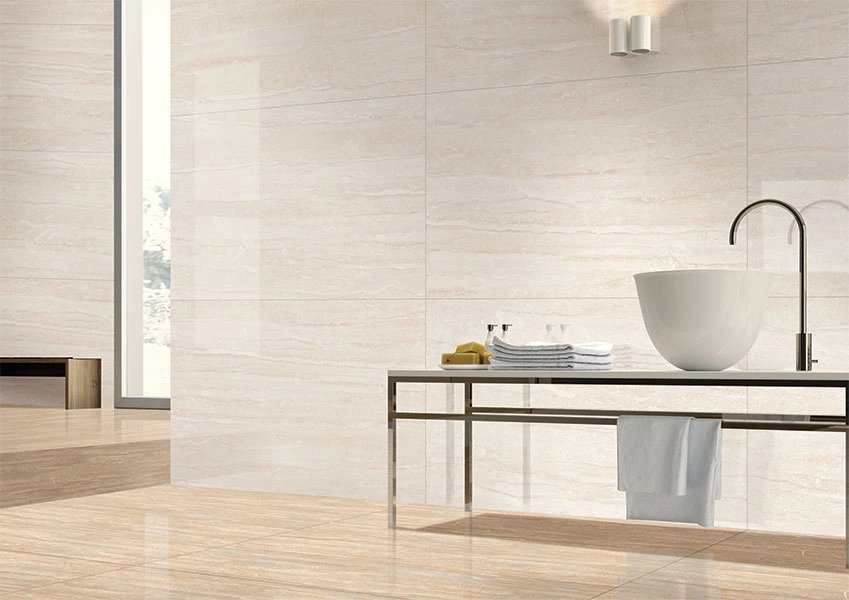
The best pattern is not always the boldest one. Often, the quietest layout does the most work.
- Vertical Stacked Tile
Vertical stacked tile makes walls look taller. It works well in showers, behind vanities, and on narrow accent walls.
This layout feels modern and clean. It is especially useful in bathrooms with low ceilings or tight shower stalls.
- Horizontal Tile Layout
Horizontal tile can make a narrow wall feel wider. It works well with subway tile, rectangular porcelain tile, or long stone-look tile.
Use this pattern when you want to stretch the room visually. Keep the grout color close to the tile for a softer look.
- Herringbone Tile
Herringbone tile adds movement and style. It works nicely on shower walls, vanity backsplashes, or floors.
Because herringbone has a lot of lines, use it in one key area. Pair it with plain tile elsewhere to avoid a busy design.
- Diagonal Floor Tile
Diagonal floor tile can make the floor feel larger because the lines move across the room at an angle. This trick works especially well in square or boxy bathrooms.
Use simple square tile in a calm color. The angle adds interest without needing a loud pattern.
- Continuous Floor Tile
Continuous floor tile means using the same or similar tile across the bathroom floor and shower floor. This helps the eye move smoothly through the space.
It is a great trick for compact bathroom tile ideas because it reduces visual breaks.
Budget-Friendly Small Bathroom Tile Ideas
Small bathroom remodel ideas do not have to be expensive. Because the room is small, even a little tile can make a big difference.
Spend your budget where it shows most, such as the floor, shower, or vanity wall. Save money by keeping the rest simple.
- Use Tile Only in Key Areas
You do not need to tile every wall. Tile the shower, floor, and backsplash first. These areas need the most protection.
Paint the remaining walls with a bathroom-friendly paint. This keeps costs lower and gives you more freedom to update color later.
- Choose Affordable Ceramic Tile
Ceramic tile is one of the most budget-friendly choices for bathroom walls. It comes in many colors, sizes, and shapes.
White ceramic subway tile is especially affordable and flexible. You can make it feel custom with layout, grout color, or trim.
- Add a Small Accent Strip
An accent strip can add style without a large cost. Use it in the shower, behind the vanity, or around a mirror.
Choose a tile that repeats one color from the room. This small detail can tie the whole bathroom together.
- Use Peel-and-Stick Tile
Peel-and-stick tile is useful for quick, low-cost updates. It works best on clean, smooth, dry surfaces away from constant water.
Use it for vanity backsplashes, powder rooms, or temporary floor updates. Always check product instructions before placing it near showers.
- Refresh Grout Instead of Replacing Tile
Old grout can make tile look dirty even when the tile is fine. Cleaning, repairing, or recoloring grout can refresh the whole bathroom.
This is one of the easiest DIY small bathroom tile ideas because it costs less than replacing tile.
Stylish Tile Ideas for Renters
Renters can still enjoy small bathroom tile inspiration without making permanent changes. The key is to choose removable, low-damage updates.
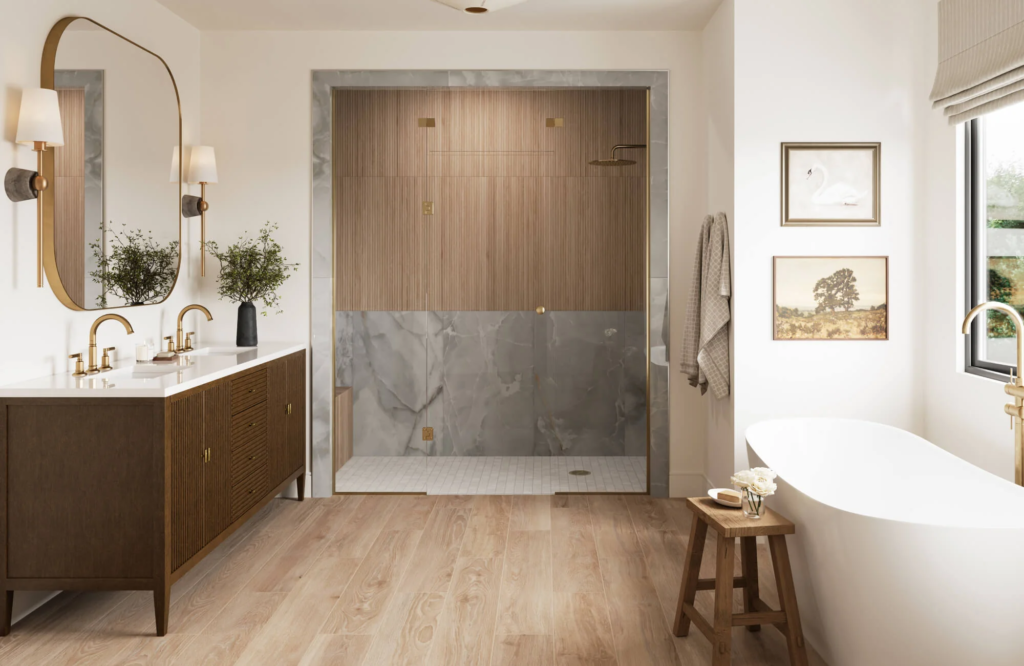
Before adding any temporary tile product, check the lease and test a small hidden area.
- Peel-and-Stick Wall Tile
Peel-and-stick wall tile can create a backsplash behind the sink or a decorative strip above existing tile.
Choose lightweight products made for bathrooms. Avoid placing them where they will get soaked every day, unless the product clearly says it handles moisture.
- Removable Floor Tile
Removable floor tile can hide old vinyl or dull flooring. It can make a rental bathroom feel cleaner and more personal.
Look for water-resistant options with strong but removable adhesive. Clean the floor well first so the tiles stick evenly.
- Tile Stickers
Tile stickers are thin decals that cover existing tile. They are great for dated backsplash tile or plain square wall tile.
Use them to create a patterned look without real renovation. They work best in low-splash areas and on smooth tile.
- Temporary Backsplash Ideas
A temporary backsplash can make a rental bathroom feel more finished. Try peel-and-stick tile, waterproof panels, or removable vinyl sheets.
Choose simple designs that match the sink, mirror, and hardware. Small updates feel more polished when the colors work together.
Popular Tile Styles for Small Bathrooms
Style helps your bathroom feel intentional. Modern, farmhouse, boho, minimalist, and spa-like bathrooms can all work in small spaces.
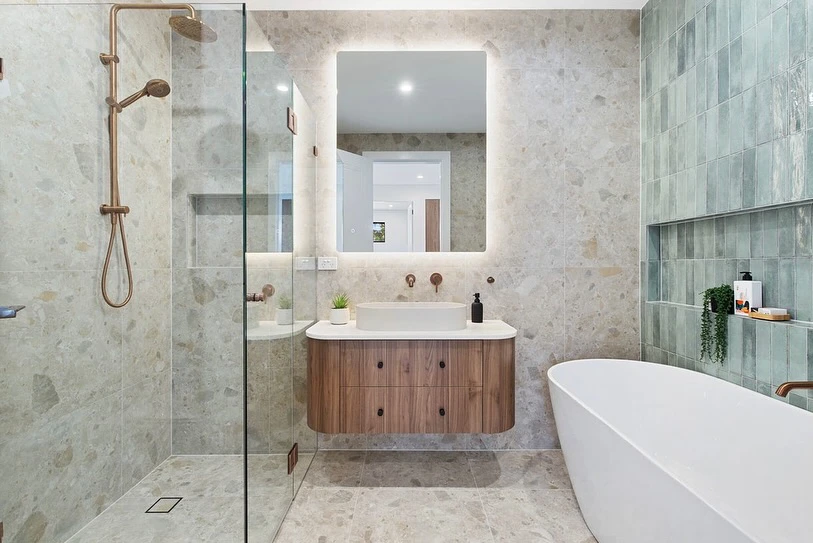
The trick is to choose one clear direction. Then let your tile, lighting, mirror, and accessories support that style.
- Modern Tile Ideas
Modern tile ideas often use clean lines, simple colors, and large shapes. Think stacked rectangular tile, large-format porcelain, matte floors, and minimal grout lines.
Black fixtures, floating vanities, and frameless mirrors pair well with this look.
- Farmhouse Tile Ideas
Farmhouse bathrooms often use subway tile, hex floor tile, wood-look tile, and soft neutrals. The look feels warm, simple, and lived-in.
Add a wood vanity, black metal accents, and woven baskets to bring the style together.
- Boho Tile Ideas
Boho tile ideas often include warm colors, handmade textures, soft patterns, and natural materials. A small bathroom can use patterned floor tile, zellige-style wall tile, or terracotta tones.
For more relaxed design inspiration, explore boho style ideas that can translate into bathroom colors and textures.
- Minimalist Tile Ideas
Minimalist bathrooms use fewer colors and fewer details. This makes them perfect for small spaces.
Choose one main tile, one grout color, and simple fixtures. White, beige, soft gray, and light stone-look tile work especially well.
- Spa-Like Tile Ideas
A spa-like bathroom feels calm and clean. Use soft neutral tile, natural stone looks, pale green, warm wood, and gentle lighting.
Large wall tiles and matching grout help create a smooth, peaceful look. Add soft towels and simple storage to finish the room.
How to Mix Tiles in a Small Bathroom?
Mixing tile can make a bathroom look custom, but it needs a plan. Too many tiles can make a small space feel like a patchwork quilt.
A good mix usually includes one main tile, one floor tile, and one accent tile.
- Keep One Main Color
Choose one main color family before picking tile. For example, stay with warm whites, soft grays, earthy neutrals, or cool blues.
This makes different tile shapes feel connected. It also helps the bathroom feel calm rather than crowded.
- Limit Bold Patterns
Bold patterns can look amazing, but they need breathing room. In a small bathroom, use one bold tile pattern in one area.
A patterned floor with plain walls often works well. So does a patterned backsplash with a simple floor.
- Match Floor and Wall Tones
Floor and wall tiles do not need to match exactly, but their tones should feel related. Warm floor tile looks best with warm wall tile. Cool gray floors look better with cool walls.
This creates flow and avoids a mismatched look.
- Use Accent Tile Carefully
Accent tile should highlight something important, like a niche, backsplash, or vanity wall. It should not appear randomly.
Repeat one color from the accent tile elsewhere in the room. This might be in towels, art, hardware, or a bath mat.
- Balance Texture and Shine
Texture and shine affect how tile feels. Glossy wall tile reflects light, while matte floor tile feels softer and safer.
In a small bathroom, mix finishes carefully. For example, use glossy wall tile with matte floor tile for balance.
Best Grout Ideas for Small Bathrooms
Grout can change the entire look of tile. It can hide lines, highlight patterns, or make a bathroom easier to maintain.
Many people choose tile first and forget about grout. However, grout color is just as important in compact bathroom tile ideas.
- Matching Grout for a Seamless Look
Matching grout creates a smooth, quiet look. It helps tile surfaces feel larger because the lines do not stand out.
This works well with large tiles, white subway tile, stacked tile, and floor-to-ceiling shower tile.
- Contrasting Grout for Detail
Contrasting grout highlights the tile shape. Black grout with white subway tile gives a classic graphic look.
Use contrast carefully in a small bathroom. Too many dark lines can make the walls feel busy.
- Light Grout Pros and Cons
Light grout looks fresh and soft. It blends well with white, cream, beige, and pale gray tile.
The downside is that it can show stains more easily, especially on floors. Use good cleaning habits and consider stain-resistant grout.
- Dark Grout Pros and Cons
Dark grout hides some stains better and adds strong detail. It can work well with patterned floors, dark tile, or white subway tile.
However, dark grout can make a small bathroom look busier. It may also show soap residue in showers.
Easy Tile Upgrades Without a Full Remodel
You do not need to gut the bathroom to make it feel new. Small tile upgrades can refresh the room without major construction.
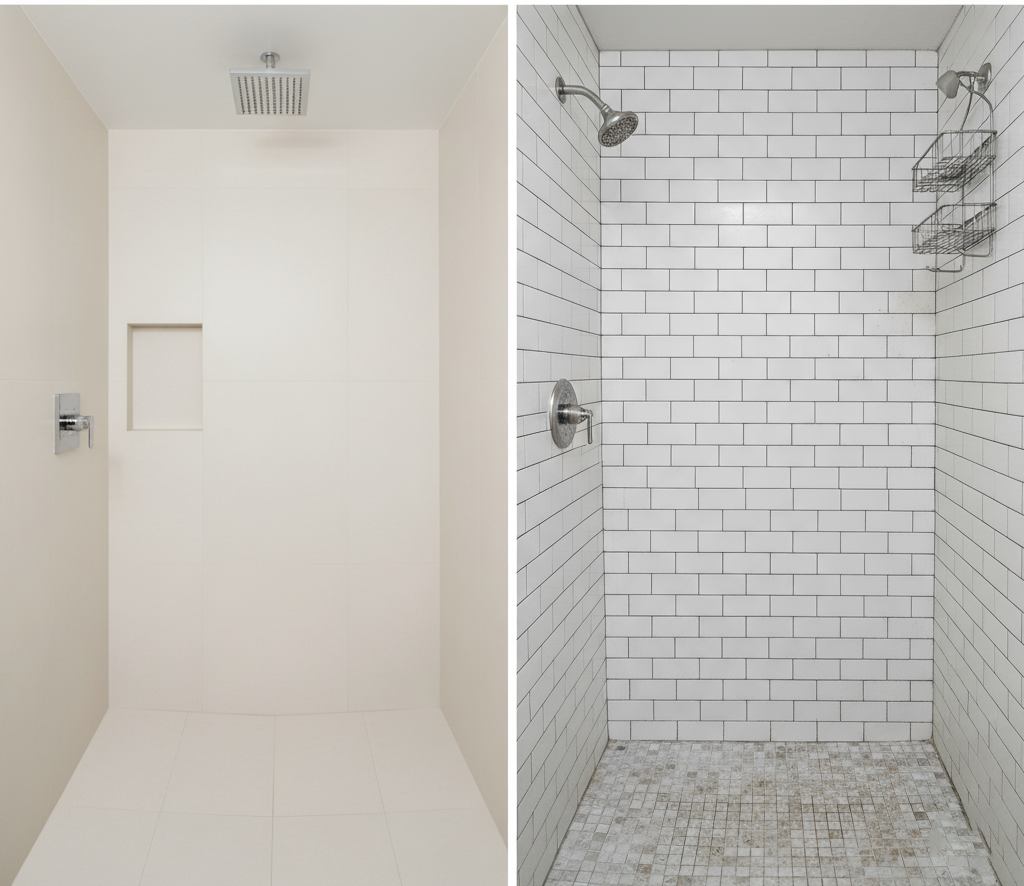
Focus on the areas your eye notices first, such as the mirror wall, sink area, shower floor, or old grout lines.
- Add a Tile Backsplash
A tile backsplash behind the sink is a small project with big payoff. It protects the wall and adds style at eye level.
Try subway tile, square handmade-look tile, mosaic tile, or peel-and-stick tile for a budget update.
- Retile the Shower Floor
Retiling only the shower floor can refresh the shower without replacing every wall tile. Small mosaic tiles work well because they help with slope and drainage.
Choose a slip-resistant surface and a color that works with the existing wall tile.
- Update Old Grout
Cleaning or recoloring grout can make old tile look newer. Use a grout cleaner, grout pen, or professional regrouting service if the grout is damaged.
Fresh grout can brighten the room like a fresh line of paint around a picture frame.
- Paint Existing Tile
Tile paint can work for low-moisture areas or short-term updates. It is not always ideal for shower floors or heavy-use surfaces.
Use proper primer, paint, and sealer. Follow the product instructions closely for better durability.
- Add Tile Around a Mirror
Adding tile around a mirror creates a framed, custom look. This works especially well above a small vanity.
You can also pair the mirror with simple wall shelves for storage and style without taking up floor space.
Common Small Bathroom Tile Mistakes to Avoid
Small bathrooms are less forgiving than large ones. A tile choice that looks subtle in a showroom may feel loud at home.
Avoiding a few common mistakes can save money, time, and frustration during a small bathroom remodel.
- Using Too Many Patterns
Too many patterns can make a small bathroom feel crowded. A patterned floor, patterned shower wall, and patterned backsplash may compete with each other.
Choose one main pattern. Let the rest of the tile support it with simple colors and clean lines.
- Choosing Slippery Floor Tile
A glossy tile may look beautiful, but it can be unsafe on a wet bathroom floor. Save shiny tile for walls.
For floors, choose matte, textured, or slip-resistant tile. Safety should always come before style.
- Ignoring Grout Color
Grout can make tile look calm or busy. It can also affect cleaning.
Before installing tile, test grout samples beside the tile. A small grout choice can change the whole room.
- Picking Tiles That Are Hard to Clean
Highly textured tile, deep grooves, and tiny mosaics can collect soap, dust, and grime. They may look lovely but need more cleaning.
Use easy-clean tile in wet zones. Save more detailed tile for accents or lower-use areas.
- Forgetting Lighting
Tile changes color under different lighting. A soft gray tile may look blue. A beige tile may look yellow.
Bring samples home and check them in morning, afternoon, and evening light before making a final choice.
How to Choose the Right Tile for Your Bathroom?
Choosing tile becomes easier when you follow a simple process. Start with the room’s size, lighting, budget, and style.
Then compare samples at home. Do not rush this step. Tile is like the background music of the bathroom. You notice it every day.
- Measure the Space
Measure the floor, shower, walls, and backsplash areas before shopping. This helps you estimate cost and avoid buying too much or too little.
Add extra tile for cuts and mistakes. A small amount of extra tile can save stress later.
- Set a Budget
Set a clear budget before falling in love with expensive tile. Include tile, grout, trim, tools, labor, underlayment, and possible repairs.
A small bathroom may need less tile, but costs can still rise quickly with custom patterns or specialty materials.
- Pick a Main Style
Choose the main feeling you want before choosing tile. Do you want modern, cozy, bright, earthy, vintage, or spa-like?
If choosing a style feels hard, it may help to review basic ways to decorate a room so your colors, textures, and finishes work together.
- Choose Floor Tile First
Floor tile needs to handle water, cleaning, and foot traffic. It also sets the base for the room.
Choose floor tile first, then pick wall tile that supports it. This makes the design feel grounded and easier to finish.
- Test Samples at Home
Tile can look different at home than it does in the store. Bring samples into your bathroom and view them near the vanity, shower, and window.
Place them beside paint, hardware, towels, and counters. This helps you avoid surprises.
- Think About Cleaning
A beautiful bathroom should still be easy to live with. Think about how often you want to clean grout, textured tile, glassy finishes, and natural stone.
For easy care, choose porcelain or ceramic tile with simple grout lines and smooth surfaces.
Small Bathroom Tile Maintenance Tips
Good maintenance keeps tile looking fresh for years. A small bathroom can build up moisture quickly, so regular cleaning matters.
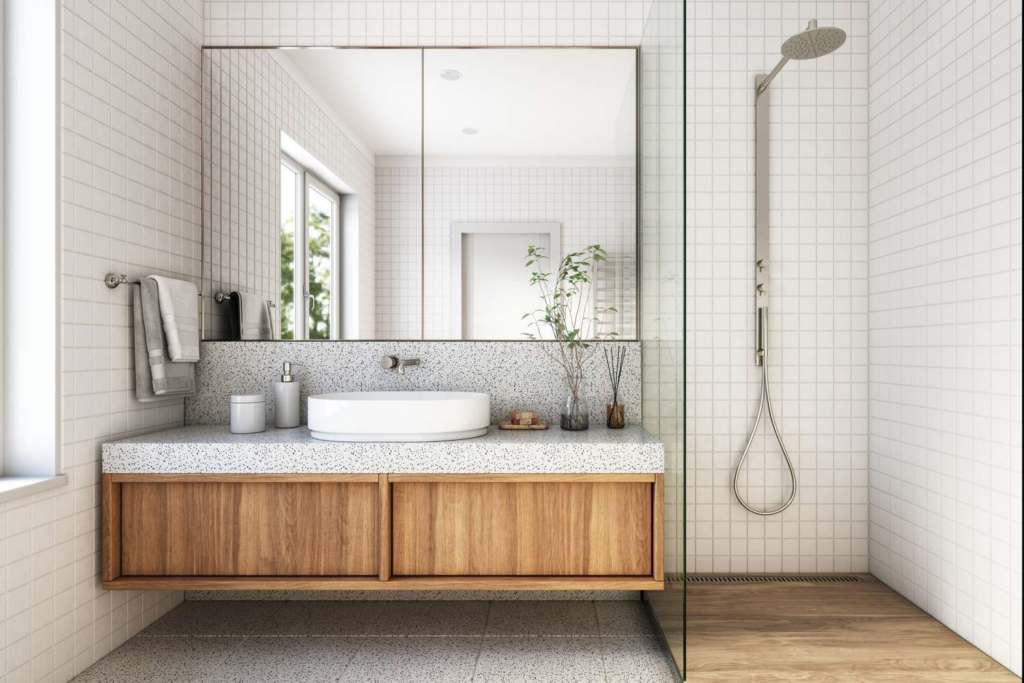
The goal is not to scrub for hours. The goal is to build simple habits that prevent bigger problems.
- Clean Grout Often
Grout can collect dirt, soap, and mildew. Clean it often with a gentle bathroom cleaner and a small brush.
Dry wet areas when possible. This small habit helps grout stay brighter and reduces buildup.
- Seal Natural Stone
Natural stone can be beautiful, but it usually needs sealing. Marble, limestone, travertine, and slate may absorb water or stains if left unsealed.
Check the stone supplier’s instructions. Reseal when needed to protect the surface.
- Prevent Mold and Mildew
Use the bathroom fan during and after showers. Open a window if you have one. Wipe down wet corners when moisture sits too long.
Mold and mildew love damp, dark areas. Better airflow helps keep tile and grout cleaner.
- Use Gentle Cleaners
Harsh cleaners can damage grout, stone, sealers, and some tile finishes. Use gentle cleaners made for bathroom surfaces.
Avoid abrasive pads on glossy tile. A soft cloth or sponge is often enough for regular cleaning.
Conclusion
Small bathroom tile ideas work best when style and function meet. Choose colors that brighten the space, patterns that guide the eye, and materials that are easy to clean. Whether you are planning a full remodel or a simple weekend update, smart tile choices can make your bathroom feel bigger, fresher, and more personal.
Frequently Asked Questions
Large tiles often work well in a small bathroom because they create fewer grout lines. Fewer lines can make the room feel more open and less busy. However, small tiles can also work in the right areas, such as shower floors, niches, or vintage-style floors. The best tile size depends on the room layout, lighting, and design goal.
Light colors usually make a small bathroom look bigger. White, cream, beige, pale gray, soft blue, and light green can all help reflect light. Matching grout can also make the tile feel more seamless. If you want warmth, choose ivory, sand, or soft greige instead of bright white.
Yes, large tiles can be very good for small bathrooms. They reduce grout lines and create a cleaner look. Large-format porcelain tile works well on floors, shower walls, and full walls. Just make sure the tile size fits the room without too many awkward cuts around toilets, corners, or drains.
Ceramic tile is usually one of the cheapest tile options for a small bathroom. Basic subway tile, square ceramic tile, and simple porcelain floor tile are often budget-friendly. Peel-and-stick tile can also be affordable for temporary updates. For the best value, choose classic styles that will not feel dated quickly.
Bathroom floor and wall tiles do not need to match exactly. In fact, a slight difference can make the room feel more layered. However, they should share a similar color tone or style. For example, pair warm beige floor tile with cream wall tile, or soft gray floor tile with white or cool gray wall tile.
Vertical stacked tile can make walls look taller, while horizontal tile can make walls feel wider. Diagonal floor tile can help a boxy bathroom feel more open. Continuous floor tile can also make a small bathroom feel larger because it reduces visual breaks between areas.
Peel-and-stick tile can be good for small bathrooms when used in the right place. It works best on clean, smooth, dry surfaces such as vanity backsplashes or low-splash walls. Some removable floor tiles also work well in rentals. Avoid using basic peel-and-stick tile in areas with constant water unless the product is made for that use.
Smooth porcelain and ceramic tiles are usually the easiest to clean. Large tiles with fewer grout lines are also easier to maintain. For showers, choose tiles with simple surfaces and avoid deep texture where soap can collect. Matching or stain-resistant grout can make cleaning even easier.
Yes, dark tile can work in a small bathroom when you balance it with light. Use dark tile on the floor, behind the vanity, or in the shower for drama. Add bright walls, a large mirror, good lighting, and simple accessories. This keeps the room stylish instead of heavy.
You can update bathroom tile on a budget by cleaning or recoloring grout, adding a small backsplash, using peel-and-stick tile, painting existing tile in low-moisture areas, or adding an accent strip. You can also tile only the most important zones, such as the floor, shower, or vanity wall, instead of tiling the whole room.