
How to decorate with wall shelves is one of the easiest home styling questions to answer because shelves do two jobs at once. They give you extra storage, but they also make a blank wall feel warm, finished, and personal. With the right mix of useful items and pretty pieces, even a small shelf can change a whole room.
What Are Wall Shelves?
Wall shelves are shelves attached to a wall instead of standing on the floor. Some are simple boards with brackets, while others look sleek and hidden, like floating shelves. You can use them to hold books, plants, photos, dishes, baskets, candles, and art. In many homes, wall shelves work like tiny stages. They let your favorite things stand out without taking over the room.
Decorative wall shelves are also flexible. You can place them above a sofa, beside a bed, over a desk, in a bathroom corner, or near the kitchen sink. Because they come in many shapes, sizes, colors, and materials, they can fit almost any style. Whether you like modern wall shelves, rustic wooden wall shelves, or soft cozy shelf decor, there is a shelf style that can work for your space.
Benefits of Decorating With Wall Shelves
Wall shelves are more than pretty wall decor shelves. They help your home feel cleaner, smarter, and more complete. Also, they are easier to update than big furniture. When your style changes, you can switch the items on your shelves instead of changing the whole room.
- Add Storage Without Using Floor Space
Wall shelves are perfect when floor space feels limited. Instead of adding another cabinet or table, you can use vertical wall space. As a result, the room feels open while still giving you a place to store or display things.
- Make Empty Walls More Useful
A plain wall can feel cold or unfinished. However, shelves turn that empty space into something useful. They can hold décor, daily items, plants, or art. Therefore, the wall becomes part of the room’s function, not just a background.
- Show Personal Style
Shelves help tell your story. For example, you can display travel finds, family photos, favorite books, handmade pottery, or small art pieces. Because of this, wall shelf styling often feels more personal than hanging one large picture.
- Help Organize Everyday Items
In busy areas like kitchens, bathrooms, offices, and entryways, shelves can make daily routines easier. You can keep jars, towels, keys, notebooks, or beauty products close by. So, your home looks better and works better at the same time.
Types of Wall Shelves to Consider
Before you start styling, it helps to know which shelf type suits your room. Different wall shelves ideas work for different spaces. Some shelves are best for display, while others are better for storage. The right choice depends on your wall, your needs, and the look you want.
- Floating Shelves
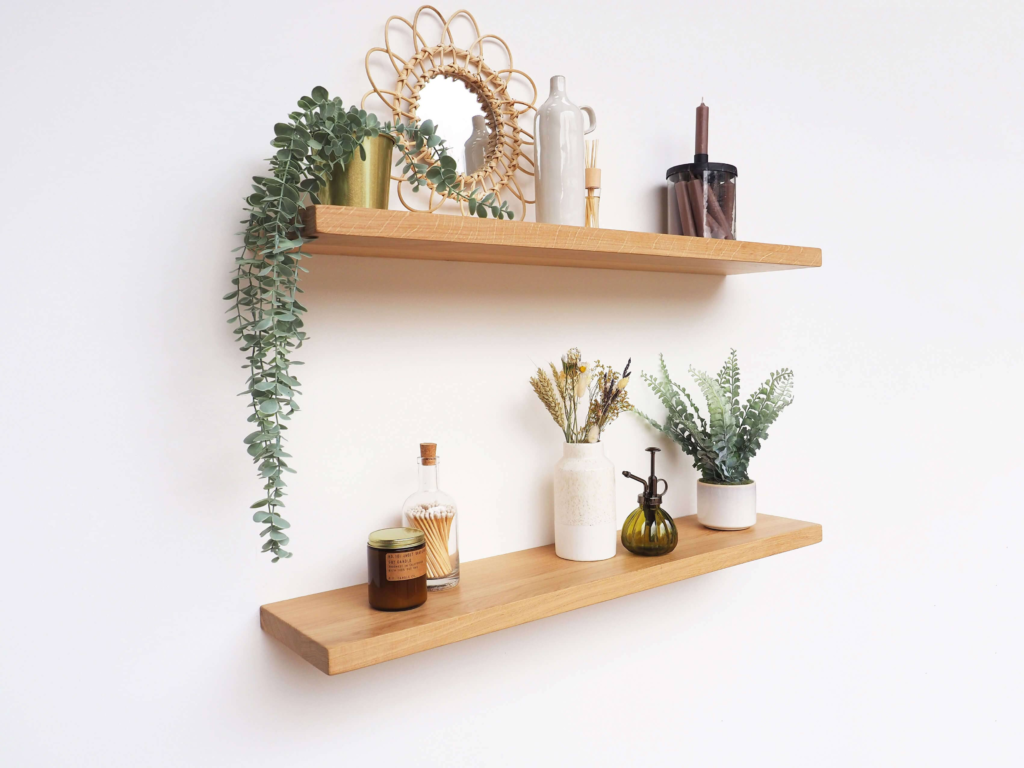
Floating shelves have hidden supports, so they look clean and simple. They are great for modern wall shelves, kitchen displays, bathroom storage, and living room shelf decor. Because they feel light, they work well in small rooms too.
- Corner Shelves
Corner shelves make use of spaces that often go empty. They are helpful in bathrooms, bedrooms, kitchens, and small offices. Also, they soften sharp corners and create a cozy display spot for plants, candles, or small baskets.
- Box Shelves
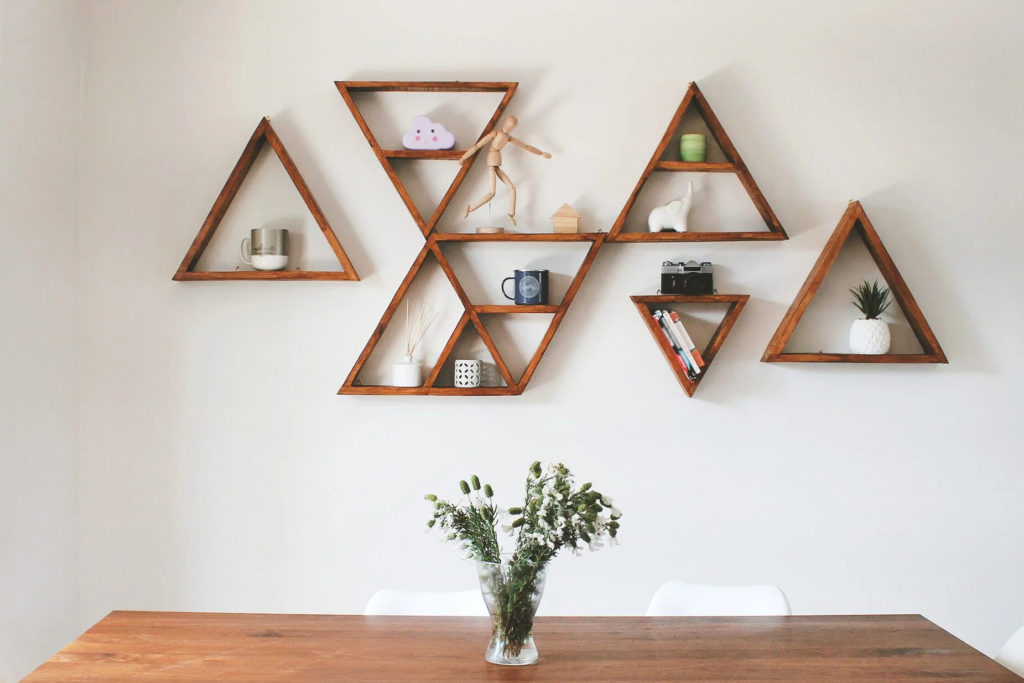
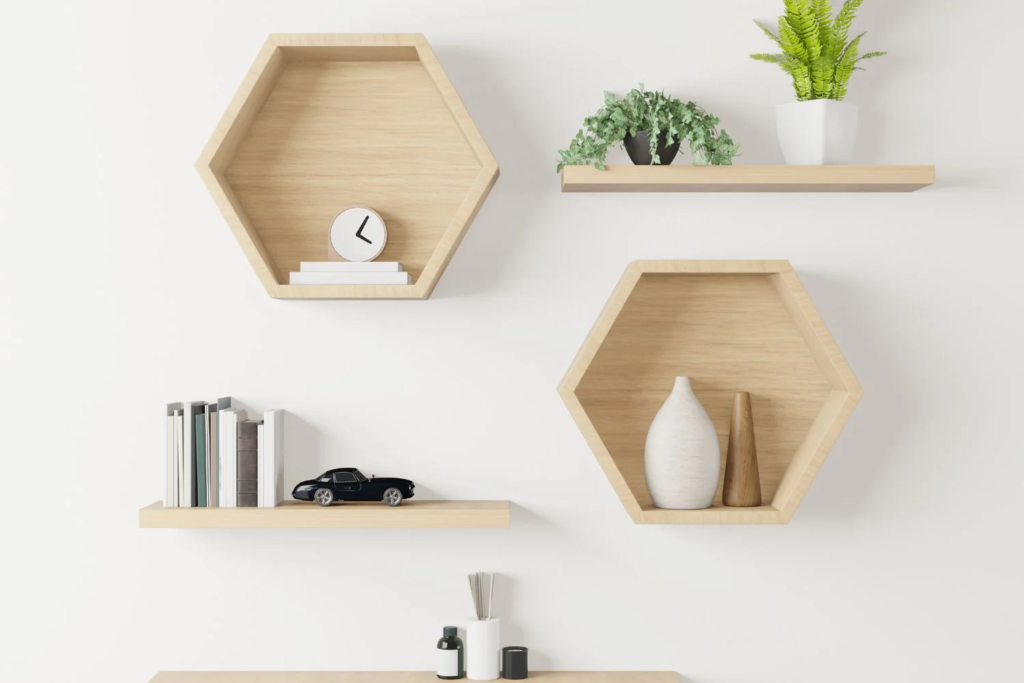
Box shelves look like open cubes or rectangles. They add shape and structure to a wall. You can use one box shelf as a small feature or group several together for a bold display. They work well for books, photos, and small décor.
- Ladder Shelves
Ladder shelves lean against the wall or mount to it. They usually have several levels, so they can hold more items than one shelf. Because they look casual and relaxed, they are popular in bedrooms, bathrooms, and cozy living rooms.
- Built-In Shelves
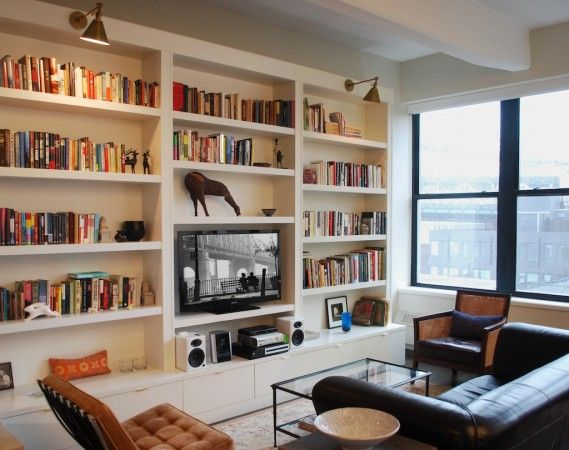
Built-in shelves are fixed into a wall or alcove. They often look custom and polished. They can frame a fireplace, TV, window, or reading nook. Although they cost more, they add strong storage and can make a room feel finished.
- Picture Ledge Shelves
Picture ledges are narrow shelves with a small front lip. They are great for framed art, photos, small books, and prints. Since you can swap items without making new holes, they are ideal for people who like to refresh their wall decor often.
How to Choose the Right Wall Shelves?
Choosing shelves is like choosing shoes for an outfit. The wrong pair can feel awkward, but the right pair makes everything work. So, before buying, think about where the shelves will go, what they will hold, and how they should look with the rest of the room.
- Match the Shelf to the Room
Each room has a different purpose, so the shelves should support that purpose. In a kitchen, shelves may hold plates, jars, and mugs. In a living room, they may show books and art. For a bigger picture approach, think about how you want to decorate a room before choosing shelves. That way, your shelves feel like part of the whole design, not a random add-on.
- Choose the Right Size
Shelf size matters more than many people think. A tiny shelf on a large wall can look lost, while a huge shelf in a small space can feel heavy. Measure your wall first. Then, leave breathing room around the shelf so it does not crowd doors, windows, or furniture.
- Pick a Suitable Material
Wooden wall shelves feel warm and classic. Metal shelves look modern or industrial. Glass shelves feel light and clean, especially in bathrooms. Painted shelves can blend into the wall or add contrast. Therefore, choose a material that fits both your style and your daily use.
- Think About Weight Limits
Not every shelf can hold heavy items. Before placing books, dishes, large plants, or storage baskets on a shelf, check the weight rating. Also, remember that weight adds up quickly. A few books and a ceramic vase can be heavier than they look.
- Match Your Home Décor Style
Shelves should feel connected to the room. For example, black metal shelves may suit an industrial space, while light wood shelves may fit Scandinavian or Japandi-inspired rooms. If your home is soft and cozy, choose shelves that support cozy shelf decor with warm finishes and simple shapes.
- Consider Renter-Friendly Options
Renters can still enjoy wall shelves, but they need to be careful. Some lease agreements limit drilling. In that case, consider lightweight picture ledges, adhesive shelf options for very light items, tension shelves, or leaning ladder shelves. Always check the rules before making holes.
How to Decorate With Wall Shelves?
Once your shelves are installed, the fun part begins. Wall shelf styling is about balance. You want the shelves to look full but not crowded, styled but not stiff, and personal but not messy. Think of each shelf like a small landscape. Some pieces are tall trees, some are low stones, and some are open sky.
- Start With a Clear Purpose
Before adding décor, decide what the shelf should do. Is it for storage, display, or both? A kitchen shelf may need jars and bowls. A living room shelf may need art and books. When the purpose is clear, styling becomes much easier.
- Use a Mix of Heights
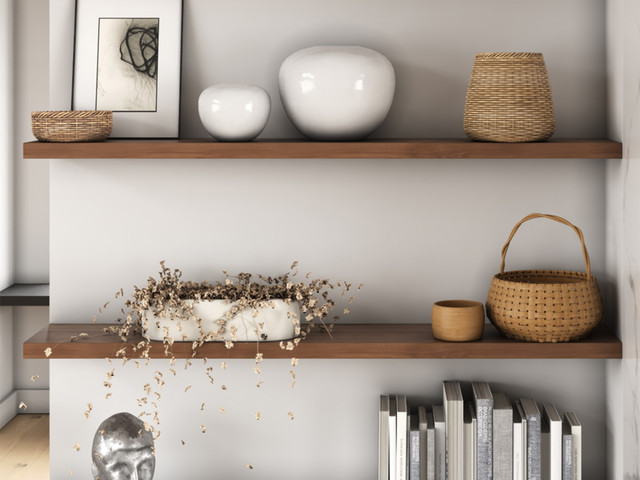
A shelf with items that are all the same height can look flat. Instead, mix tall, medium, and short items. For example, pair a tall vase with stacked books and a small candle. This creates movement and keeps the eye interested.
- Layer Items for Depth
Layering makes shelves feel rich and natural. Place a framed print or cutting board at the back. Then add a smaller object in front. This simple trick works well for floating shelf styling because it adds depth without needing many items.
- Balance Books, Plants, and Décor
Books bring structure, plants bring life, and décor brings personality. When you combine all three, shelves often look balanced. For example, use two stacked books, a small trailing plant, and a ceramic bowl. This mix feels easy and lived-in.
- Leave Some Empty Space
Empty space is not wasted space. In fact, it helps each item stand out. If every inch of a shelf is filled, the display can feel noisy. Leave small gaps between pieces so the shelf can breathe and the room feels calmer.
- Use Odd Numbers for Styling
Odd numbers often look more natural than even numbers. Try grouping items in threes or fives. For example, place a vase, a framed photo, and a small candle together. This creates a simple display that feels balanced without looking too perfect.
- Add Personal Items
The best wall shelf decor ideas include pieces that mean something. Add a framed family photo, a small souvenir, a favorite book, or a handmade bowl. These items make your shelves feel like your home, not a store display.
Best Items to Put on Wall Shelves
The best shelf décor is a mix of beauty and purpose. You do not need expensive pieces. In many cases, the items you already own can look beautiful when styled with care. Here are some easy items that work on many types of wall shelves.
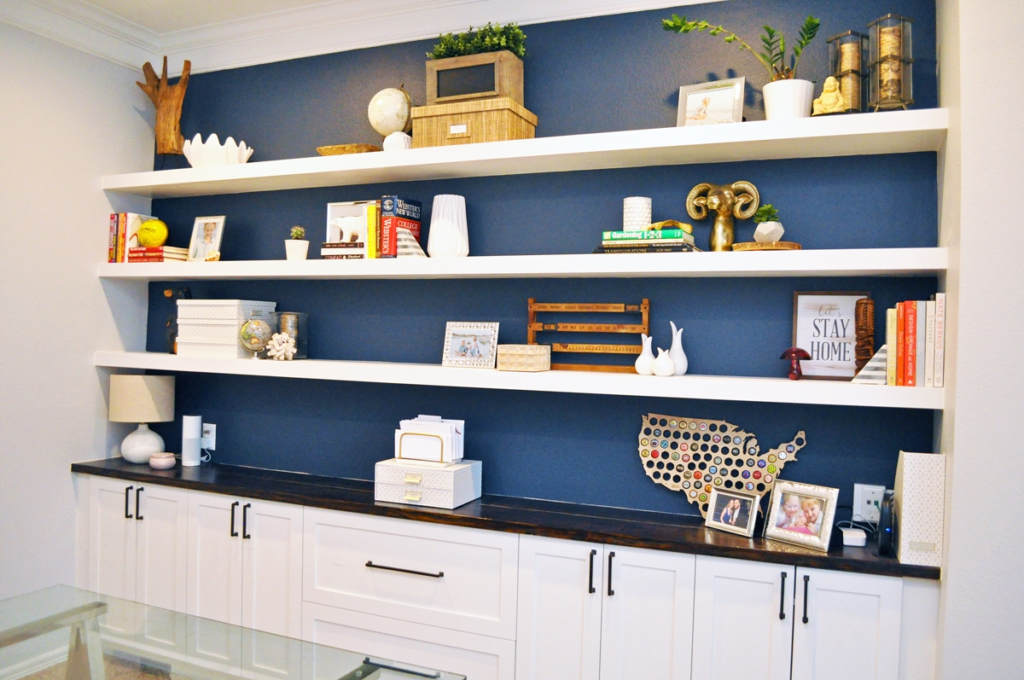
- Small Plants
Plants add color, texture, and life. A small pothos, succulent, fern, or trailing ivy can soften hard shelf lines. Also, greenery works with almost every style, from modern wall shelves to boho shelf decor.
- Books
Books are useful and decorative. You can stand them upright, stack them flat, or use them to lift smaller objects. Choose books with covers that match your room colors, or turn them around for a softer neutral look.
- Framed Photos
Framed photos make shelves feel personal. Use one larger frame as an anchor or layer smaller frames together. To keep the look calm, choose frames in similar finishes, such as black, wood, brass, or white.
- Candles
Candles add warmth, even when they are not lit. They work well in bedrooms, bathrooms, and living rooms. Group candles with books, trays, or small bowls to make them feel styled instead of random.
- Vases
Vases bring shape and height to a shelf. You can use them empty or fill them with dried stems, fresh flowers, or faux branches. A simple vase can act like a sculpture, especially on minimalist shelves.
- Baskets
Baskets are perfect when you need hidden storage. They can hold remotes, cords, toiletries, office supplies, or small kitchen items. Since they add texture, baskets are especially useful for farmhouse, boho, and cozy shelf decor.
- Art Prints
Art prints help shelves feel finished. Lean a print against the wall instead of hanging it. This makes the display feel relaxed and easy to change. Picture ledges are especially good for this kind of open shelving decor.
- Kitchen Jars
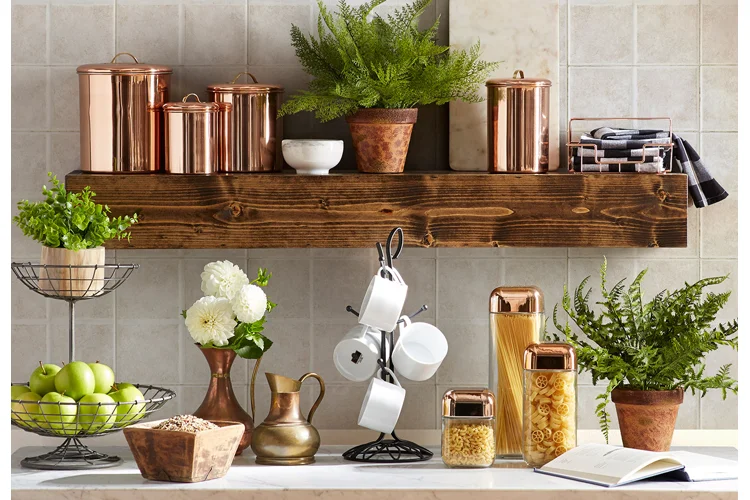
Kitchen jars are both pretty and practical. Use clear jars for pasta, coffee, tea, sugar, oats, or spices. Matching jars can make kitchen wall shelves ideas feel cleaner and more organized without much effort.
Wall Shelf Ideas for Each Room
Wall shelves can work in almost every room, but each space needs a slightly different approach. The goal is to make the shelves fit daily life. A shelf should not only look good in a photo. It should also make the room easier and nicer to use.
- Living Room Wall Shelves
Living room wall shelf ideas often focus on comfort, balance, and personality. A shelf above a sofa can hold framed art, books, plants, and candles. Shelves beside a fireplace can make the room feel symmetrical. Shelves around a TV can soften the black screen and make the wall feel more designed.
For more ideas on making blank walls feel complete, explore these wall decor tips. Wall shelves are one of the best ways to bring function and beauty together in a living room.
When styling living room shelf decor, start with one or two larger pieces. Then add smaller items around them. For example, use a large framed print, a stack of books, a plant, and a small bowl. Keep the colors connected to your sofa, rug, or curtains so the shelves feel part of the room.
- Kitchen Wall Shelves
Kitchen wall shelves ideas should mix style with easy access. Open shelves can hold plates, bowls, mugs, glass jars, cutting boards, cookbooks, and small plants. However, do not fill every inch. A kitchen shelf can become messy fast if it holds too many items.
For a clean look, group similar pieces together. Put white plates in one stack, mugs in a row, and jars in matching sizes. Add warmth with wooden cutting boards or a small plant. Open shelving decor in the kitchen works best when the items are useful, easy to reach, and simple to clean.
- Bedroom Wall Shelves
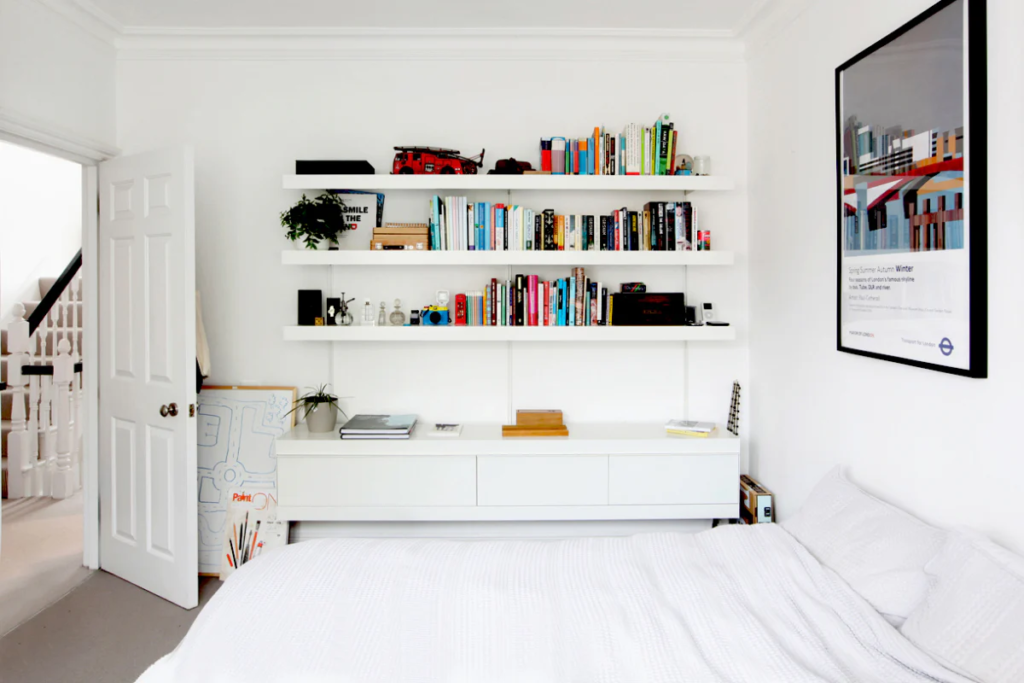
Bedroom shelves should feel calm, soft, and personal. You can place shelves above a dresser, beside the bed, or over a small desk. Use them for books, framed photos, candles, jewelry trays, plants, or small lamps.
If your bedroom is small, use shelves as nightstands. A narrow floating shelf beside the bed can hold a book, phone, and glass of water. This saves floor space and keeps the room open. For a cozy look, choose wood shelves, warm lighting, and soft neutral colors.
- Bathroom Wall Shelves
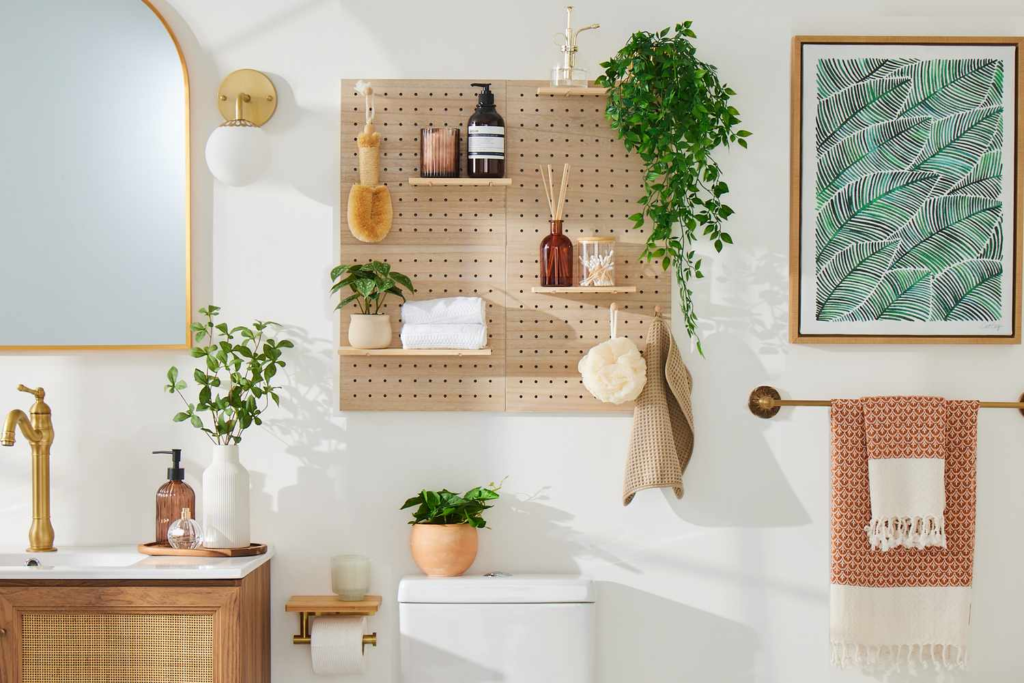
Bathroom shelves should be both pretty and practical. Use them for towels, jars, soap, candles, small plants, or extra toilet paper. Since bathrooms are often small, shelves can add storage without taking up floor space.
For more room-specific styling ideas, these bathroom decor tips can help you connect shelves with the rest of the space. In a bathroom, choose materials that can handle moisture. Sealed wood, metal, glass, or painted shelves often work better than raw wood.
Keep bathroom shelf styling simple. Roll towels, place cotton balls in a glass jar, add a small candle, and include one plant if the room gets light. This creates a clean spa-like feel without clutter.
- Home Office Wall Shelves
Office wall shelf ideas should help you focus. Use shelves for books, files, storage boxes, framed quotes, small plants, and desk supplies. However, avoid adding too many personal items if they distract you.
A shelf above a desk can keep important items close without crowding your work surface. Use matching boxes or baskets to hide papers and cords. Add one plant or small art piece to keep the space from feeling too serious. The best office shelves support both productivity and comfort.
- Entryway Wall Shelves
Entryway shelves help control daily clutter. A small wall shelf near the door can hold keys, sunglasses, mail, and small baskets. Add hooks below the shelf for bags, hats, or coats. This turns a blank entry wall into a simple drop zone.
Because entryways are the first thing people see, keep the shelf clean and welcoming. Add a small mirror, a tray, a plant, or a framed print. Also, use baskets for items that tend to look messy. This keeps the space useful without feeling crowded.
How to Style Wall Shelves by Décor Style?
Your shelf décor should match the mood of your home. A shelf can feel modern, cozy, rustic, playful, or calm depending on the items you choose. The key is to repeat colors, materials, and shapes that already exist in the room.
- Modern Style
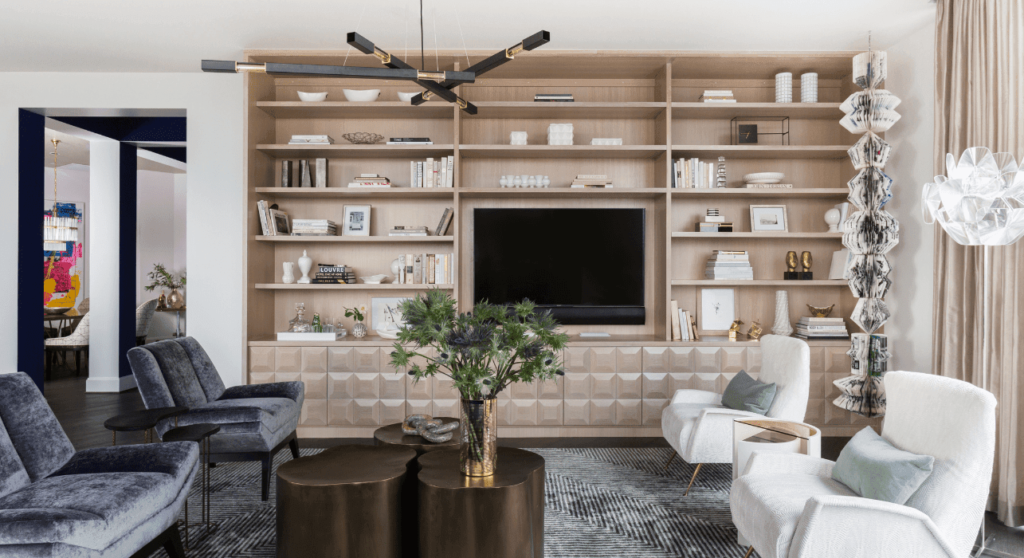
Modern wall shelves usually look clean and simple. Choose straight lines, smooth finishes, and fewer items. Black, white, glass, and light wood work well. Use sculptural vases, simple books, framed abstract art, and one plant for a fresh modern look.
- Farmhouse Style
Farmhouse shelves feel warm, relaxed, and homey. Use wooden wall shelves, woven baskets, white dishes, old books, candles, and small signs. Mix soft colors like cream, beige, sage, and warm brown. However, keep it simple so it does not feel too themed.
- Minimalist Style
Minimalist shelf styling uses fewer pieces with more space around them. Choose one vase, one art print, and one small stack of books. Stick to calm colors and clean shapes. The goal is not empty or cold. Instead, it should feel peaceful and clear.
- Boho Style
Boho shelf decor is relaxed, layered, and full of texture. Use plants, baskets, pottery, candles, books, beads, and woven pieces. Natural materials work especially well. If you love a casual, plant-filled living room, these boho style ideas can help you build the same feeling on your shelves.
For boho shelves, mix heights and textures. Add a trailing plant, a woven basket, a small framed print, and a handmade vase. Warm colors like terracotta, cream, tan, and olive can make the display feel cozy and collected.
- Scandinavian Style
Scandinavian shelf styling feels light, simple, and useful. Use pale wood, white ceramics, soft gray tones, candles, books, and simple plants. Keep the look clean, but not empty. Every item should feel calm and intentional.
If you like the softer side of Scandinavian design, Japandi style can also inspire your shelves. It blends simple lines, natural materials, warm neutrals, and uncluttered displays. This style is great for floating shelves because it lets each piece breathe.
- Industrial Style
Industrial shelves often use wood and metal together. Black brackets, pipe-style supports, reclaimed wood, and darker colors work well. Style them with books, metal objects, leather boxes, simple art, and strong green plants. This look feels bold but still practical.
How to Arrange Wall Shelves on a Wall?
The way you place shelves on a wall can change the whole room. Even beautiful shelves can look strange if they are too high, too far apart, or too small for the wall. So, plan the layout before you drill. Use painter’s tape to mark shelf shapes on the wall first.
- Use One Long Shelf
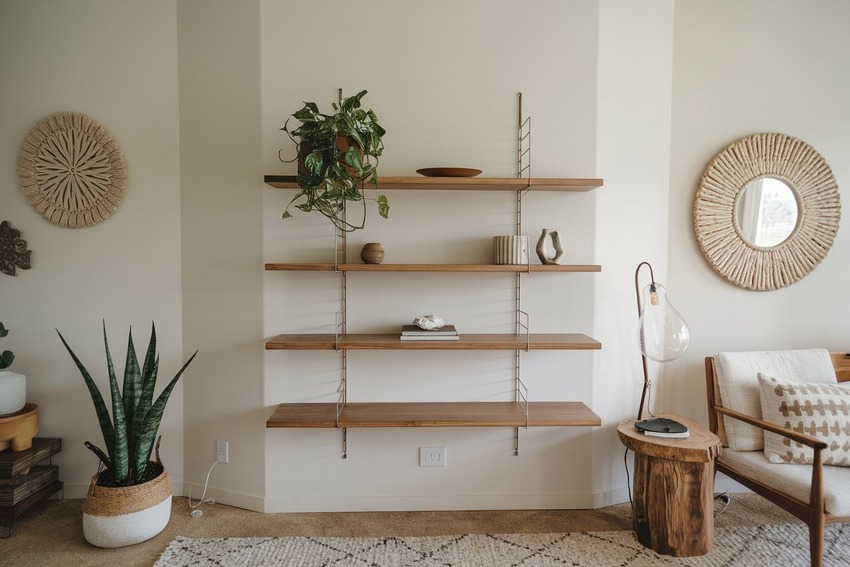
One long shelf creates a clean horizontal line. It works well above sofas, beds, desks, and dining benches. You can style it with art, books, plants, and candles. Keep the arrangement balanced from left to right so the shelf does not feel lopsided.
- Stack Shelves Vertically
Vertical shelves draw the eye upward, so they can make a room feel taller. This layout works well in narrow spaces, beside windows, or in small corners. Use heavier items on the lower shelves and lighter décor near the top.
- Create a Staggered Layout
A staggered layout feels playful and casual. Place two or three shelves at different heights so they step across the wall. This works well for modern, boho, and kid-friendly spaces. To keep it from looking messy, repeat colors or materials across the shelves.
- Frame a TV or Sofa
Shelves can frame a TV, sofa, fireplace, or bed. This makes the main feature feel more complete. For example, place matching shelves on both sides of a TV. Then use plants, books, and baskets to soften the wall and add storage.
- Fill an Awkward Corner
Some corners are too small for furniture but perfect for shelves. Corner shelves can hold plants, books, towels, or small décor. They are especially helpful in bathrooms, kitchens, bedrooms, and entryways where every bit of space matters.
- Create a Small Gallery Wall
Picture ledges and narrow shelves are great for gallery walls. Lean framed prints, photos, and small art pieces on the shelves. Then layer different sizes together. This makes it easy to refresh the wall without adding new nail holes every time.
Small Space Wall Shelf Ideas
Small rooms need smart storage, and shelves are one of the best tools. They use wall space that often goes unused. Also, they can make a small room feel more open than bulky furniture. The trick is to choose shelves that look light and serve a clear purpose.
- Use Shelves Above Furniture
The space above a sofa, bed, desk, toilet, dresser, or console table is often empty. Add shelves there to create storage without using more floor space. Just make sure the shelves are high enough that people will not bump into them.
- Add Shelves Near the Ceiling
High shelves can hold items you do not use every day, such as extra books, baskets, seasonal décor, or storage boxes. This keeps lower areas clear. However, avoid placing heavy or breakable items too high.
- Choose Narrow Shelves
Narrow shelves are useful in tight rooms and hallways. They can hold small art, spices, toiletries, photos, or keys without sticking out too far. Picture ledges are a great option because they add style without taking much space.
- Use Corners Wisely
Corners often become wasted space. Add corner shelves to hold plants, candles, books, or small storage baskets. In a tiny bathroom or kitchen, even two corner shelves can make a big difference.
- Combine Storage and Display
In small spaces, every item should earn its place. Use baskets to hide clutter, books to add height, and pretty jars to store useful items. This way, your shelves look styled while still helping you stay organized.
Budget-Friendly Wall Shelf Decorating Tips
You do not need a large budget to make shelves look beautiful. In fact, some of the best wall shelf decor ideas come from using what you already own in a new way. Think of shelf styling like making a meal from pantry staples. With a little creativity, simple pieces can feel special.
- Shop Your Home First
Before buying anything, walk through your home. Look for books, bowls, candles, frames, jars, plants, trays, and baskets. Many items look new when moved to a different room. This is the easiest way to refresh shelves for free.
- Use Thrifted Décor
Thrift stores are great for shelf décor. Look for small vases, frames, baskets, books, brass pieces, pottery, and trays. These pieces often have more character than new items. Also, mixing old and new can make shelves feel collected over time.
- Mix Low-Cost Items With Special Pieces
You do not need every item to be expensive. Pair affordable pieces with one or two special items. For example, place a thrifted vase beside a favorite framed photo. This mix keeps the shelf personal and stylish.
- Try Simple DIY Shelves
DIY shelves can be budget-friendly and custom. A stained wood board with simple brackets can look beautiful. You can paint shelves the same color as the wall for a built-in look or stain them warm brown for a cozy touch.
- Refresh Shelves Seasonally
Small seasonal changes keep shelves interesting. In spring, add fresh flowers or light colors. In fall, add warm tones and textured baskets. In winter, use candles and greenery. You do not need a full makeover, just a few small swaps.
Common Wall Shelf Decorating Mistakes
Even simple shelves can go wrong when they are overloaded, poorly placed, or filled without a plan. The good news is that most mistakes are easy to fix. If your shelves feel “off,” remove a few items, adjust the height, and check the balance.
- Adding Too Many Items
Too many items can make shelves look cluttered. Instead of showing everything at once, choose your favorites. Leave space between pieces. If you have more décor than space, rotate items every few months.
- Ignoring Shelf Weight Limits
Shelves can fall if they hold too much weight. Always check the weight limit and installation instructions. Books, dishes, and large plants are heavy, so they need strong support. Safety should always come before styling.
- Using Only Tiny Décor
Small items can look messy when they are not balanced with larger pieces. Add one anchor item, such as a frame, vase, basket, or stack of books. Then place smaller pieces around it.
- Forgetting Color Balance
A shelf can feel chaotic if every item is a different color. Choose a simple color palette. For example, use white, wood, green, and black. Repeating colors across the shelf helps everything feel connected.
- Hanging Shelves Too High
Shelves that are too high can feel disconnected from the room. As a general guide, hang display shelves near eye level. Above furniture, leave enough space so the items do not feel cramped, but not so much that the shelf floats away visually.
- Not Securing Shelves Properly
A pretty shelf is not worth much if it is unsafe. Use proper screws, anchors, or studs. If you are unsure, ask for help or follow the shelf instructions carefully. This is especially important in homes with kids or pets.
Wall Shelf Safety and Installation Tips
Good styling starts with safe installation. A shelf should feel secure before you add a single vase or book. Think of the hardware as the roots of a tree. If the roots are weak, the tree will not stand strong.
- Find Wall Studs When Possible
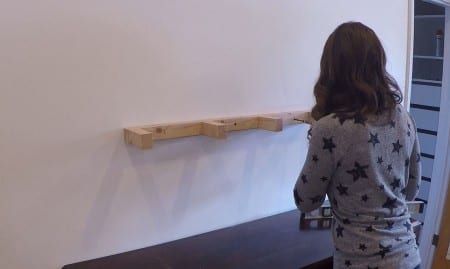
Wall studs give shelves stronger support. Use a stud finder to locate them before drilling. If you can attach at least one side of the shelf to a stud, the shelf will usually be much sturdier.
- Use the Right Anchors
If you cannot drill into a stud, use wall anchors made for your wall type. Drywall, plaster, brick, and tile all need different hardware. The right anchor helps the shelf hold weight safely.
- Check the Weight Rating
Every shelf has a weight limit. Read it before styling. Include the weight of the shelf itself, the hardware, and the items you place on top. When in doubt, keep the display lighter.
- Keep Heavy Items Low
Heavy items are safer on lower shelves. Put large books, big plants, and heavy baskets on shelves closer to the floor. Use higher shelves for light items like small frames, faux plants, and decorative objects.
- Use Renter-Safe Methods Carefully
Renter-friendly shelves can work, but they still need care. Adhesive shelves are usually only for very light items. Tension shelves and leaning shelves may be better for extra storage. Always test stability before adding breakable pieces.
Easy Wall Shelf Decorating Formula
If you feel stuck, use a simple formula. This keeps shelf styling from feeling like a guessing game. Start with one main piece, add height, add something small, include texture, and then edit. It is like building a balanced plate of food: a little structure, a little flavor, and enough space to enjoy it.
- Choose One Anchor Piece
Start with one larger item. This could be a framed print, vase, basket, stack of books, or large plant. The anchor gives the shelf a clear starting point and keeps the display from looking scattered.
- Add One Tall Item
Next, add height. A tall vase, candle holder, plant, or frame can help the shelf feel more dynamic. Place it to one side instead of the exact center for a more natural look.
- Add One Small Item
Now add a smaller piece, such as a candle, bowl, small plant, or decorative object. This helps fill the display without making it too heavy. Small items work best when grouped with larger ones.
- Add Texture
Texture makes shelves feel warm and real. Use baskets, wood, pottery, linen, glass, metal, or greenery. Even a simple room feels richer when the shelf has a mix of smooth, rough, soft, and natural textures.
- Step Back and Edit
Finally, step back and look at the shelf from across the room. Remove anything that feels extra. Adjust spacing. If one side feels too heavy, move an item. Editing is often what makes a shelf look polished.
Conclusion
Learning how to decorate with wall shelves is really about balance. Use shelves to store what you need, display what you love, and make empty walls feel useful. Start simple, mix heights and textures, leave breathing room, and choose pieces that match your room. With a little care, wall shelves can make any space feel warmer, smarter, and more personal.
Frequently Asked Questions
To decorate wall shelves without clutter, choose fewer items and leave empty space between them. Start with one larger anchor piece, then add a plant, a stack of books, or a small decorative item. Also, use baskets or boxes to hide small things that look messy. A good rule is to style the shelf, step back, and remove one item if it feels too full.
Floating shelves look good with framed art, small plants, books, candles, vases, baskets, and personal photos. For easy floating shelf styling, mix tall and short items. Also, layer a frame behind a smaller object to create depth. Keep the colors simple so the shelf looks clean and balanced.
The number depends on the shelf size, but three to five items often work well on a small or medium shelf. Larger shelves can hold more, but they still need breathing room. Odd-numbered groups usually look natural. For example, a vase, a book stack, and a candle can make a simple, balanced group.
Decorate kitchen wall shelves with useful and attractive items. Try plates, bowls, mugs, glass jars, cutting boards, cookbooks, and small plants. Keep everyday items within easy reach. Also, group similar items together so the shelves look organized. Kitchen open shelving decor works best when it is simple, clean, and practical.
Yes, wall shelves are great for small rooms because they use vertical space instead of floor space. You can place them above desks, beds, sofas, toilets, or dressers. Narrow shelves and corner shelves are especially helpful. They add storage and style without making the room feel crowded.
Most display shelves should be hung around eye level, usually about 57 to 60 inches from the floor to the center of the display. Above furniture, leave enough space so the shelf does not feel cramped. For example, above a sofa, leave room for people to sit comfortably without hitting the shelf.
Yes, renters can use wall shelves, but they should check lease rules first. If drilling is not allowed, try leaning ladder shelves, tension shelves, lightweight picture ledges, or adhesive shelves for very light items. Avoid placing heavy or breakable décor on temporary shelf systems.
To make cheap shelves look expensive, style them with care. Use a simple color palette, add texture, and avoid clutter. You can also paint or stain basic shelves for a custom look. Mix low-cost pieces with one special item, such as a nice vase, framed print, or beautiful plant. Good spacing often makes simple shelves look high-end.