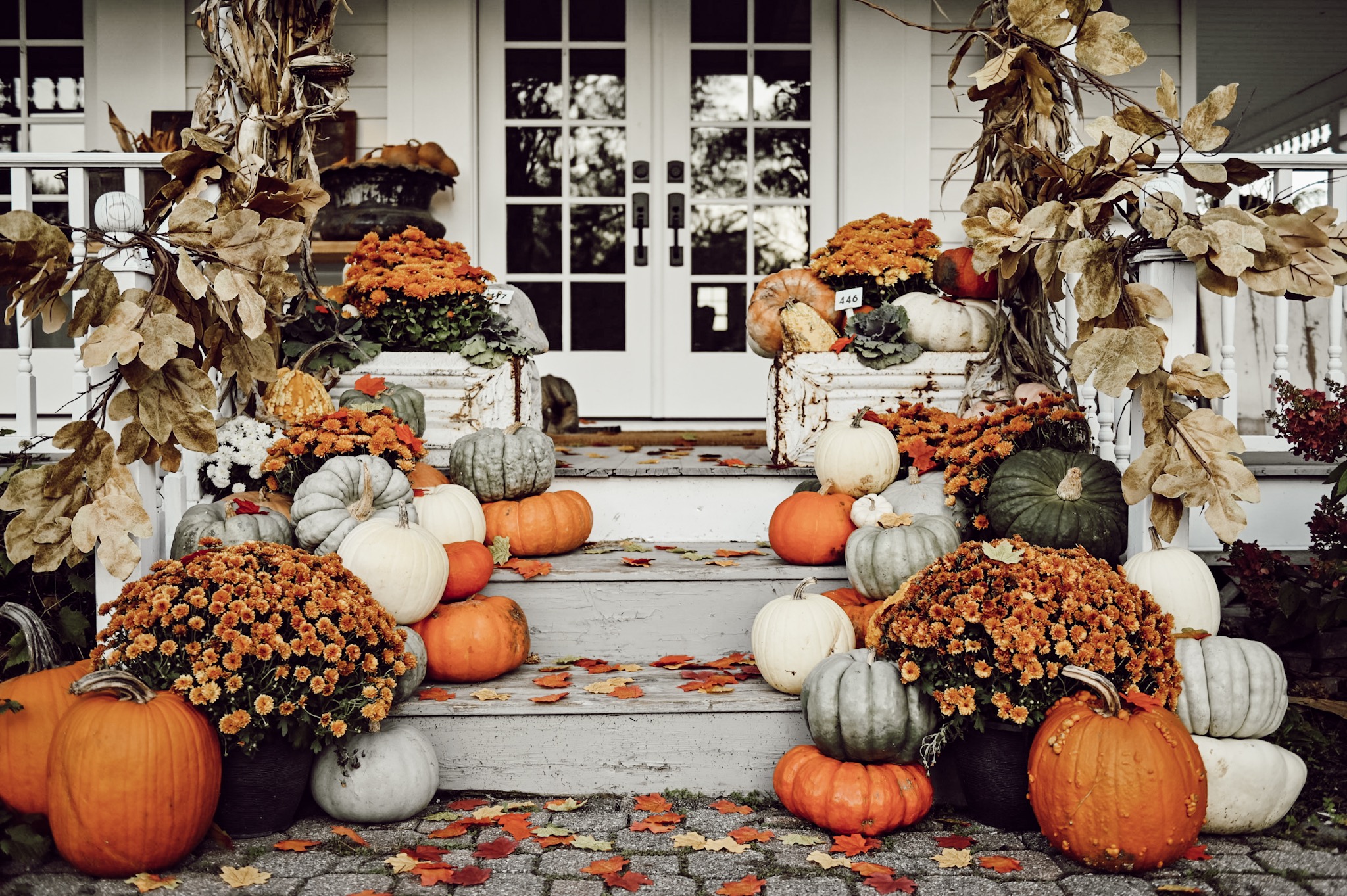

When to decorate for fall is one of those home questions that feels simple until the weather, holidays, and store displays all say different things. The best answer depends on your climate, style, and schedule. This guide will help you decorate at the right time without rushing, overspending, or filling your home with clutter.
What Does Decorating for Fall Mean?
Decorating for fall means making your home feel warmer, cozier, and more connected to the season. It does not mean you need to cover every corner with pumpkins. A good fall look can be as simple as adding soft blankets, deeper colors, candles, natural textures, and a few seasonal accents.
Fall decorating often includes warm colors like rust, brown, cream, mustard, burgundy, olive, and burnt orange. It can also include textures such as chunky knit blankets, woven baskets, wood, dried flowers, linen, velvet, and ceramic pieces. These small details work like a sweater for your home. They make each room feel softer, calmer, and more welcoming.
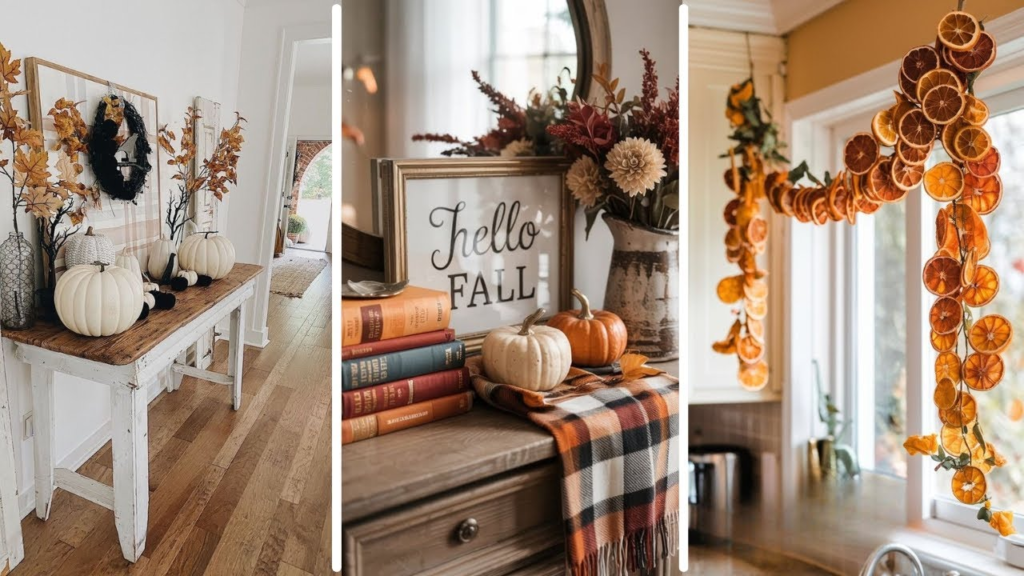
You might decorate your porch with mums, pumpkins, lanterns, or a wreath. Inside, you might update your living room with pillows, throws, candles, and seasonal artwork. In the kitchen, you might add fall mugs, a wooden tray, dried stems, or a bowl of apples. In the bedroom, you might switch to warmer bedding and softer lighting.
The key is balance. Fall house decor should support your everyday life, not get in the way of it. The best fall decor ideas are useful, simple, and easy to enjoy.
When to Decorate for Fall?
The best time to decorate for fall is usually from early September to early October. If you love a slow seasonal change, start in early September with subtle pieces. If you prefer a stronger autumn look, wait until mid or late September. October works well for pumpkins, porch displays, and Halloween accents.
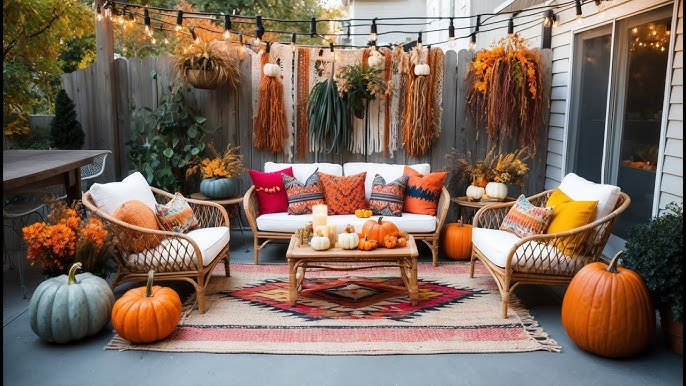
A simple fall decor schedule can help. Start with cozy textures first, then add natural pieces, then add holiday-specific decor later. This keeps your home fresh instead of making it feel like you decorated too early.
- Early September Decorating
Early September is best for soft, quiet fall updates. Keep the look light and natural. Swap bright summer colors for warm neutrals, add a throw blanket, use dried stems, and bring in candles with gentle scents. Think of this stage as turning down summer, not fully turning on fall.
- Mid-September Decorating
Mid-September is the sweet spot for many homes. The weather often starts to shift, routines feel more settled, and fall decorating feels natural. This is a good time to add pumpkins, wreaths, deeper colors, and fall kitchen decor. You can also update your entryway or dining table.
- Late September Decorating
Late September is ideal if you want your fall decor to feel seasonal but not too early. At this point, pumpkins, mums, plaid accents, and cozy lighting feel right. You can also decorate your porch because outdoor fall pieces usually make more sense once the air feels cooler.
- October Decorating
October is perfect for bold fall decor, Halloween pieces, and full porch displays. If you prefer simple autumn decor ideas, keep your base decor neutral and add only a few Halloween accents. That way, your home can move easily into Thanksgiving without needing a full reset.
Best Time to Start Fall Decorating by Space
Different parts of the home can follow different timing. You do not need to decorate every room on the same day. In fact, fall often looks better when it arrives slowly. Start with the spaces you use most, then add details where they make sense.
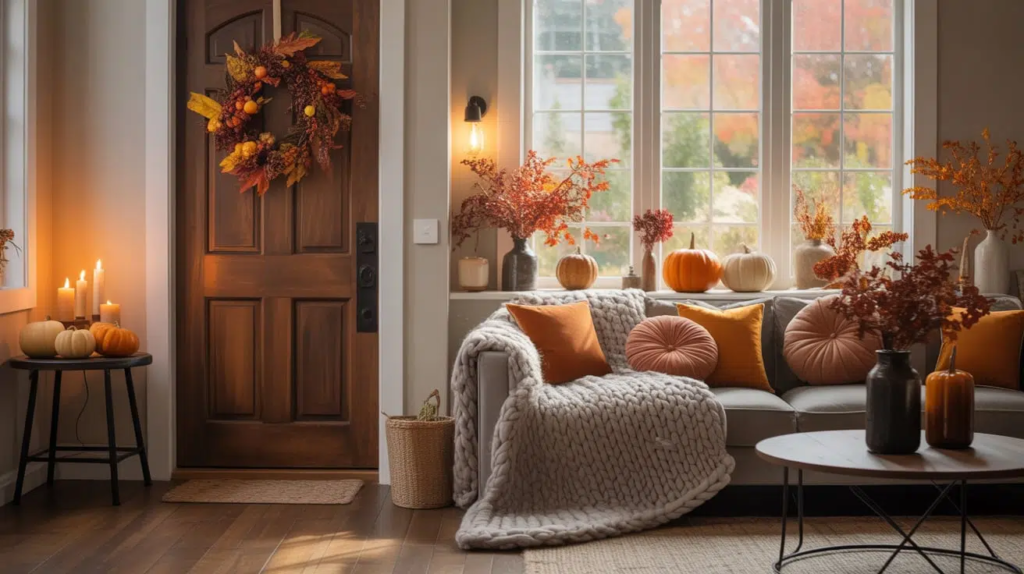
Living areas and kitchens can shift first because they are used daily. Outdoor decor can wait until the weather is safer for plants and pumpkins. Bedrooms can change when you want more warmth at night.
- Front Porch
The best time to decorate your front porch for fall is mid to late September. This helps pumpkins and plants last longer, especially if your area stays hot into early fall. Start with a wreath, doormat, and lanterns. Then add mums, pumpkins, hay bales, or baskets once the weather cools.
A porch is like the cover of a book. It gives the first hint of what guests will feel inside your home. Keep it welcoming, not crowded. Leave space to walk, open the door, and set down bags.
- Living Room
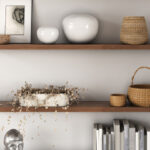
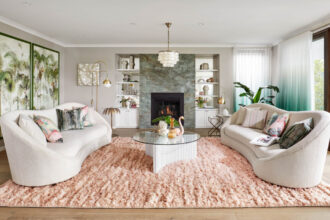
The living room is one of the easiest places to begin because small swaps make a big difference. Start in early or mid-September with pillows, throws, candles, and seasonal art. You can add a fall wreath above a mantel, style shelves with warm accents, or use framed prints in earthy colors.
If your walls feel plain, seasonal wall decor can help your living room feel finished without needing new furniture. Try nature prints, textured wall baskets, wood frames, or simple autumn artwork.
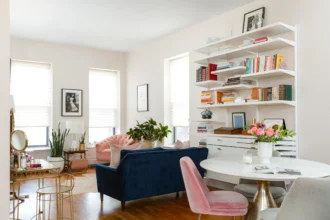
The living room should still feel comfortable. Do not remove every everyday item just to make room for fall decor. Keep your favorite books, lamps, trays, and family photos. Then layer fall around them like adding a scarf to a favorite outfit.
- Kitchen and Dining Area
Fall kitchen decor works best when it stays useful. Start in mid-September with small items like amber glass jars, wood cutting boards, fall dish towels, seasonal mugs, or a bowl of pears and apples. You can also style a tray with a candle, mini pumpkin, and small vase of dried stems.
For the dining area, try a simple centerpiece. Use a runner, a low bowl, dried leaves, candles, or small pumpkins. Keep it low enough so people can talk across the table. A beautiful table should invite people to sit down, not make them feel like they need to move everything first.
- Bedroom
The bedroom can wait until late September or whenever nights start to feel cooler. Fall bedroom decor should focus on comfort. Switch lightweight bedding for warmer layers, add a knit throw, use softer lamp light, and bring in warm tones through pillows or a rug.
You do not need many seasonal objects in a bedroom. A calm space often feels better with fewer pieces. One candle, one vase, or one cozy blanket may be enough.
- Entryway
The entryway is a great place to decorate in early or mid-September because it sets the mood quickly. Add a small wreath, basket, bench pillow, seasonal tray, or vase with dried branches. If you have hooks, use them for cozy scarves or tote bags in warm colors.
Keep this area practical. Entryways collect shoes, keys, mail, and bags. Choose decor that does not block storage or create more mess.
How to Decorate for Fall Without Going Overboard?
The easiest way to decorate for fall without going overboard is to decorate in layers. Start with what you already own, then add one or two seasonal touches in each room. A few thoughtful details often look better than a cart full of random items.
If you are still learning how to style your space, it helps to understand the basics of how to decorate a room before adding seasonal pieces. Fall decor should support the room’s colors, furniture, and purpose.
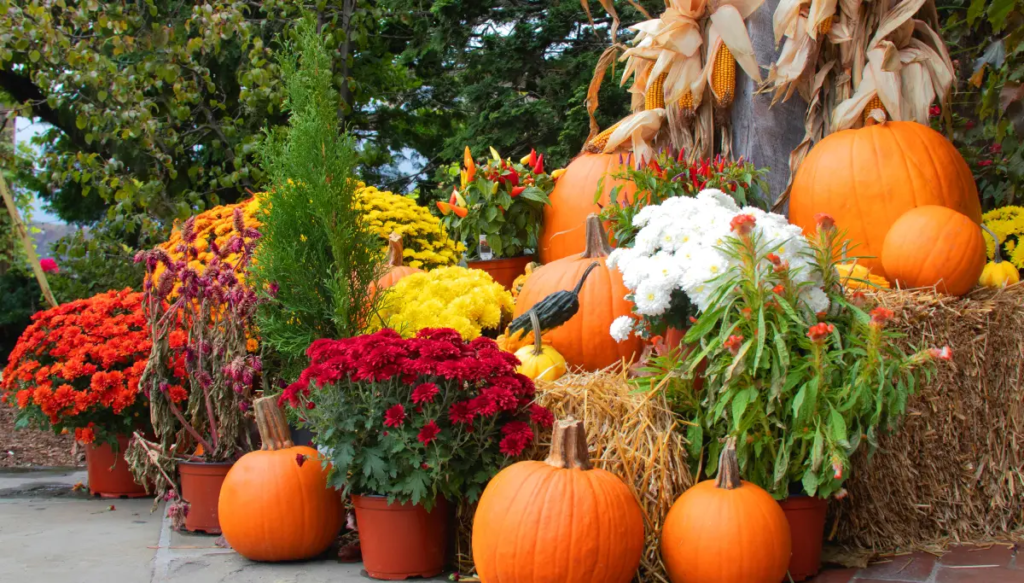
A good rule is this: if a decoration makes daily life harder, remove it. A tray you have to move every morning, a crowded coffee table, or a porch display that blocks the door will stop feeling fun quickly.
- Start with Small Swaps
Small swaps are the safest way to begin. Change pillow covers instead of buying new pillows. Add a throw blanket instead of replacing furniture. Use a fall candle instead of filling every shelf. Replace a summer vase with dried stems. These tiny choices create a seasonal feeling without making the room look forced.
Small changes are also easy to reverse. If the weather gets warm again, your home will not feel too heavy or out of place.
- Use Warm Colors
Warm fall decor does not have to mean bright orange everywhere. You can use cream, tan, camel, chocolate brown, rust, copper, burgundy, sage, olive, and soft gold. These colors feel seasonal while still looking grown-up and flexible.
Choose two or three main colors and repeat them across your home. For example, you might use cream, rust, and olive in the living room, then repeat those colors in the kitchen and entryway. This makes your home feel connected.
- Add Cozy Textures
Texture is one of the best fall decorating tips because it adds warmth without clutter. Try chunky knits, velvet pillows, woven baskets, linen runners, wood trays, ceramic vases, rattan, and soft rugs. Texture works like background music. You may not notice every piece at first, but you feel the mood it creates.
If you like relaxed, layered spaces, boho textures fit fall beautifully. Woven wall pieces, earthy pillows, macramé, baskets, and natural fibers can make a room feel cozy without looking too themed.
- Bring in Natural Pieces
Nature gives you some of the best affordable fall decor. Use branches, pinecones, acorns, dried leaves, pumpkins, gourds, apples, pears, wheat, eucalyptus, or dried flowers. Natural pieces add shape and color without making your home feel too staged.
You can place branches in a tall vase, fill a bowl with mini pumpkins, or tuck dried stems into a basket. Just make sure anything from outside is clean, dry, and bug-free before bringing it indoors.
- Avoid Too Many Themes
Themes can be fun, but too many at once can make a room feel busy. Choose one clear direction. You might like rustic fall decor with wood, plaid, and pumpkins. Or you might prefer modern fall decor with simple lines and neutral colors. You could also choose cottage, farmhouse, boho, or traditional.
Try not to mix every theme in one space. A haunted house sign, farmhouse buffalo check, glam gold pumpkins, and bright cartoon leaves may compete with each other. Keep the look simple, and your home will feel calmer.
Fall Decorating Ideas for Beginners
If you are new to seasonal decorating, start with easy fall decor ideas that do not require special skills. You do not need to be a designer. You only need a few pieces that repeat color, texture, and mood.
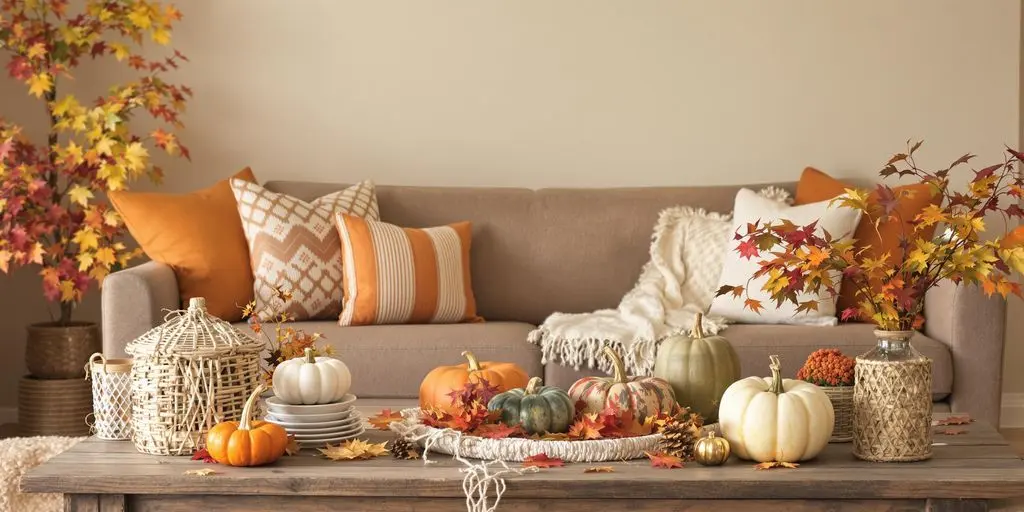
Beginners should focus on five main areas: a front door or porch, a sofa or chair, a coffee table or dining table, a kitchen counter, and one cozy corner. When these spots feel seasonal, the whole home feels ready for fall.
- Pumpkins and Gourds
Pumpkins and gourds are classic for a reason. They are simple, affordable, and easy to use indoors or outdoors. Choose real pumpkins for a natural look or faux pumpkins if you want reusable pieces. Mix sizes instead of using only one shape.
For a softer look, try white, green, tan, or muted orange pumpkins. For rustic fall decor, use wood bowls, baskets, and weathered finishes. Place pumpkins in groups of three for a balanced look. Odd numbers often feel more natural to the eye.
- Fall Wreaths
A fall wreath is one of the easiest ways to make your home feel seasonal. Hang one on the front door, above a mantel, on an interior door, or over a mirror. Choose dried leaves, wheat, eucalyptus, berries, pinecones, or simple branches.
If you want a wreath that lasts longer, choose neutral colors. A cream, brown, olive, or wheat-colored wreath can work from September through Thanksgiving. You can add a small Halloween ribbon in October and remove it later.
- Throw Pillows and Blankets
Throw pillows and blankets are quick, cozy, and beginner-friendly. They also help you change the room without spending much. Use pillow covers in warm shades or simple patterns like plaid, stripes, checks, or small florals. Add a blanket over the sofa, chair, or bed.
If you like farmhouse style, fall is the perfect season for it. Warm neutrals, wood accents, linen, cozy throws, and simple patterns all work well together. The look feels relaxed, useful, and welcoming.
- Candles and Scents
Scents can change the mood of a home fast. Fall candles often use notes like cinnamon, apple, cedar, vanilla, pumpkin, clove, amber, and sandalwood. Choose scents that feel warm but not too strong. One candle in the living room or kitchen may be enough.
If candles are not your style, try simmer pots, reed diffusers, wax warmers, or essential oil blends. A pot with orange slices, cinnamon sticks, cloves, and water can make the kitchen smell cozy without much effort.
- Table Centerpieces
A fall centerpiece does not need to be fancy. Use a tray, bowl, runner, or low basket as the base. Add mini pumpkins, candles, dried stems, fruit, or small vases. Keep the height low, especially on a dining table.
For everyday use, choose a centerpiece you can move easily. A tray is helpful because you can lift the whole arrangement when you need more space. This keeps your table pretty and practical.
- DIY Fall Crafts
DIY fall crafts are perfect when you want affordable fall decor with a personal touch. Try painting pumpkins, making a wreath, creating leaf garlands, filling jars with acorns, or wrapping candles with twine. You can also frame pressed leaves or make simple place cards for a fall dinner.
The best DIY projects are the ones you will actually use. Skip complicated crafts that need too many supplies. A simple project done well often looks better than a difficult one that feels rushed.
Budget-Friendly Fall Décor Tips
You can decorate for fall beautifully without spending a lot. The secret is to reuse, rearrange, and buy only what fills a real gap. A cozy home does not come from a big budget. It comes from thoughtful choices.
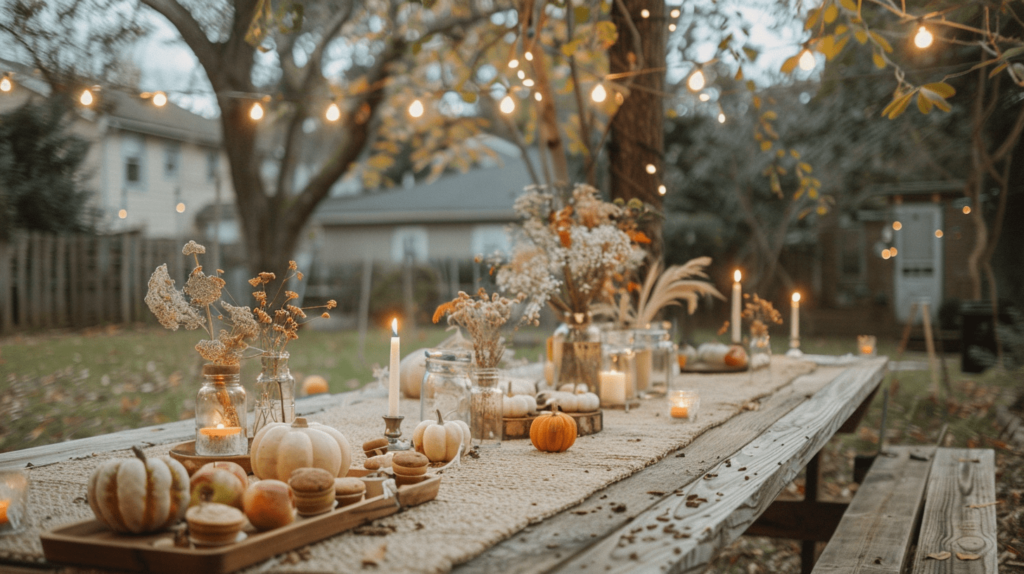
Affordable fall decor often starts with what you already own. A brown basket, white pitcher, wood tray, cream blanket, or glass jar can become part of your fall look. Add a few seasonal pieces, and the whole space changes.
- Shop Your Home First
Before buying anything, walk through your home with fresh eyes. Look for items in warm colors, natural textures, or simple shapes. Pull out baskets, candles, neutral books, wood bowls, copper mugs, glass jars, blankets, and trays.
Try moving pieces from one room to another. A basket from the bedroom might work in the living room. A pitcher from the kitchen might become a vase in the entryway. Shopping your home is free, and it often leads to better styling.
- Use Dollar Store Finds
Dollar store fall decor can be useful when you choose carefully. Look for simple items that do not look too shiny or fake. Mini pumpkins, glass jars, candles, ribbon, faux leaves, craft supplies, and small baskets can work well.
The trick is to style inexpensive pieces with better basics. Place dollar store pumpkins in a real wood bowl. Add cheap faux stems to a ceramic vase you already own. Mix budget items with natural textures so the final look feels polished.
- Choose Reusable Pieces
Reusable decor saves money over time. Instead of buying very trendy pieces every year, choose classic items you can use in different ways. Good options include neutral pumpkins, lanterns, wreaths, pillow covers, wood trays, candle holders, baskets, and dried stems.
Stick to pieces that match your home’s normal style. If your everyday home is modern and simple, buy simple fall decor. If your home feels rustic, choose wood, metal, plaid, and natural pieces. Reusable decor works best when it blends with what you already love.
- Decorate with Nature
Nature is one of the best sources of affordable fall decor. Use branches, leaves, pinecones, acorns, pumpkins, apples, pears, or dried flowers. A bowl of fruit can look just as seasonal as a store-bought centerpiece.
Outdoor finds also add a real autumn feeling. A branch in a vase can look sculptural. Pinecones in a glass jar can add texture. Dried leaves can become a garland. Keep everything clean and simple.
- Wait for Seasonal Sales
If you want to buy new decor, timing matters. Early in the season, stores have the best selection. Later in the season, they offer better sales. If you need one special piece, buy early. If you are building a collection, wait for discounts.
After Halloween and Thanksgiving, many fall items go on clearance. This is a smart time to buy reusable basics for next year. Choose neutral pieces instead of items marked with a specific year or trend.
How to Transition from Summer to Fall Décor?
The easiest way to transition from summer to fall decor is to move slowly. You do not need to pack away summer one day and create full autumn the next. Think of it like changing the temperature on a thermostat. Turn it down little by little.
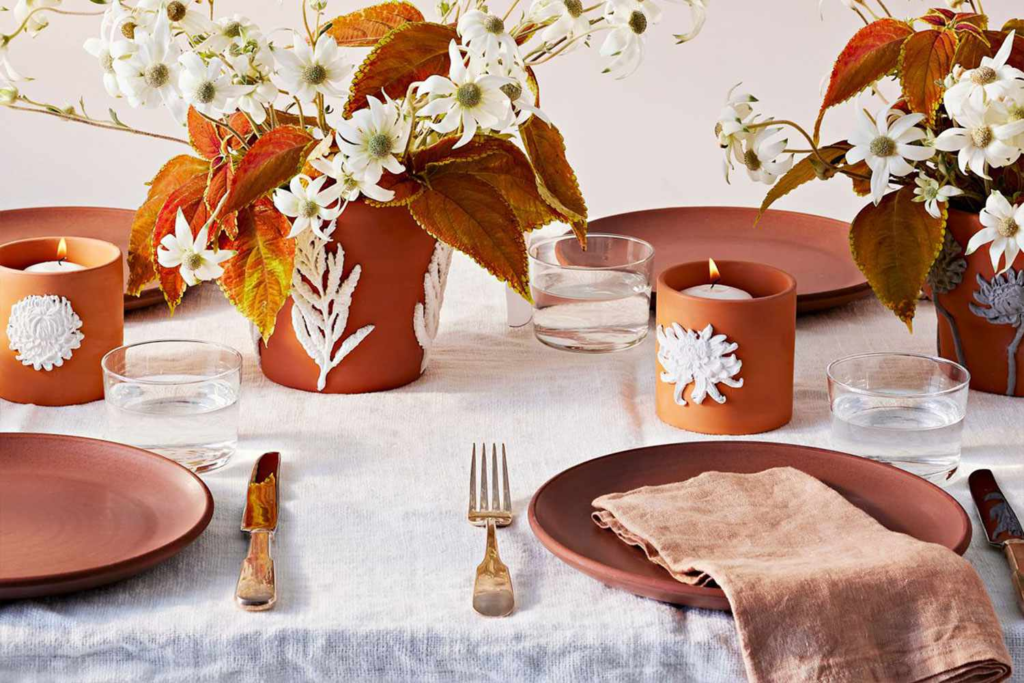
Start by removing the brightest summer colors. Then add warm neutrals, natural textures, and soft lighting. After that, bring in stronger fall accents like pumpkins, wreaths, and seasonal scents.
- Remove Bright Summer Items
Begin by taking away items that feel clearly summer. This might include bright beach colors, tropical prints, lemon patterns, seashells, lightweight blue accents, or very bold florals. You do not have to remove everything colorful, but reduce anything that fights the fall mood.
Store these pieces neatly so you can use them next year. If an item no longer fits your style, donate it instead of storing clutter.
- Layer in Neutral Fall Colors
Neutral fall colors make the transition feel calm. Use cream, beige, taupe, brown, gray, olive, muted orange, and soft gold. These colors work well even when the weather still feels warm outside.
A neutral base also gives you more flexibility. You can add Halloween decor in October or Thanksgiving pieces in November without changing the whole room. This saves time, money, and storage space.
- Add Texture Before Themes
Before you add pumpkins, signs, or holiday pieces, add texture. Use woven baskets, linen runners, soft throws, wood trays, ceramic vases, and thicker pillows. Texture makes your home feel cozy without announcing a specific holiday.
This step is helpful when you want fall house decor but do not want your home to look too themed. Texture gives you the feeling of fall in a quiet way.
- Keep Some Everyday Décor
Do not pack away every everyday piece. Your home should still feel like your home. Keep your usual lamps, art, books, and useful storage. Then add fall details around them.
This makes seasonal decorating easier and more personal. Your home will look styled, not staged.
- Update Outdoor Spaces Slowly
Outdoor spaces often need a slower transition because weather matters. If it is still hot, real pumpkins may rot quickly and mums may struggle. Start with a doormat, wreath, or lanterns. Add plants and pumpkins when the temperature cools.
This slow approach keeps your porch looking fresh longer.
Indoor vs. Outdoor Fall Decorating
Indoor and outdoor fall decorating have different needs. Indoor decor can focus on comfort, scent, lighting, and texture. Outdoor decor needs to handle wind, sun, rain, and temperature changes. Both areas can feel connected if you repeat similar colors or materials.
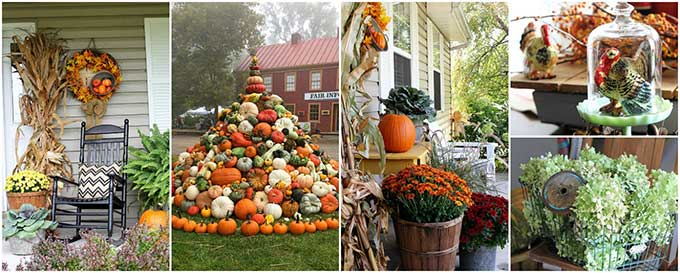
For example, if you use rust, cream, and olive inside, use the same colors on your porch with pumpkins, plants, and a wreath. This makes your whole home feel pulled together.
- Indoor Fall Décor
Indoor fall decor should make daily life feel warmer and easier. Focus on soft lighting, cozy textiles, seasonal scents, and natural accents. Living rooms, kitchens, dining areas, bedrooms, and entryways all benefit from small updates.
Try not to overcrowd surfaces. A coffee table still needs room for drinks. A kitchen counter still needs room for cooking. A bedroom dresser still needs room for everyday items. Fall decor should add comfort, not stress.
- Outdoor Fall Décor
Outdoor fall decor creates curb appeal and makes your home feel welcoming. Use wreaths, doormats, lanterns, pumpkins, mums, planters, baskets, and outdoor-safe signs. If you enjoy decorating outdoor spaces, you can also add seasonal touches near walkways, garden borders, steps, or patio corners.
Think about scale. A large porch can handle bigger planters and layered pumpkins. A small entry may only need a wreath, mat, and one planter. Simple can still look beautiful.
- Weather-Safe Décor Tips
Outdoor decor needs to survive the season. Choose sturdy pieces that will not blow away. Use outdoor-safe lanterns, weather-resistant ribbon, heavier planters, and sealed signs. If you use faux pumpkins, make sure they are weighted or placed in a protected spot.
Keep real pumpkins out of harsh sun when possible. Check them often and remove any that soften or rot. For plants, water mums as needed and remove dead blooms so they last longer.
When to Decorate for Halloween vs. Fall?
Fall decor and Halloween decor are not the same thing, though they can work together. Fall decor usually covers the whole season. It includes warm colors, pumpkins, leaves, cozy textures, harvest pieces, and natural accents. Halloween decor is more specific. It includes bats, ghosts, skeletons, black cats, witches, cobwebs, and spooky signs.
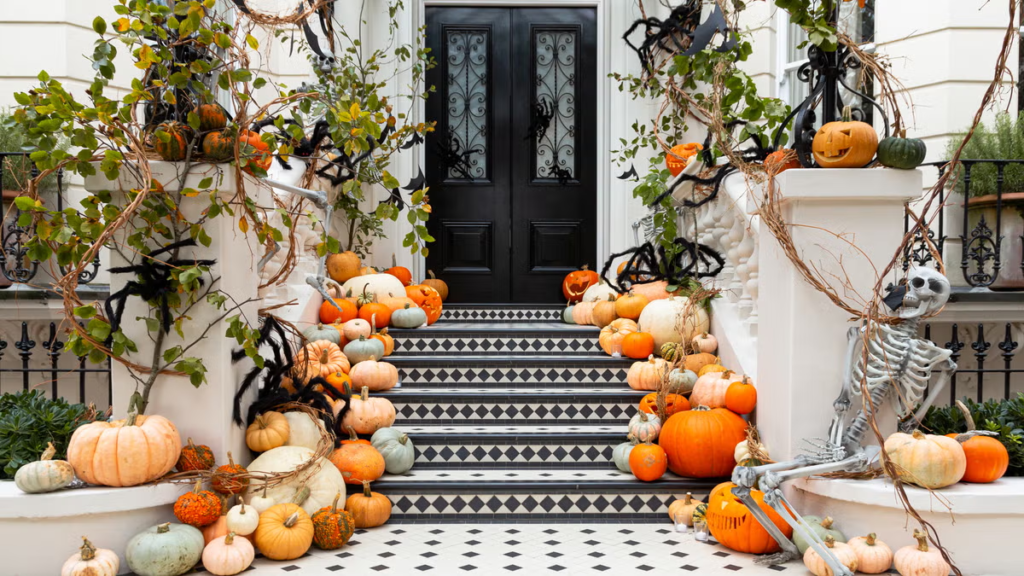
If you want your home to last from September through November, start with general fall decor first. Then add Halloween pieces in October. After Halloween, remove the spooky items and keep the pumpkins, wreaths, candles, and warm colors for Thanksgiving.
- General Fall Décor First
General fall decor works for the longest amount of time. It can start in September and stay up through Thanksgiving. This includes pumpkins, gourds, wreaths, fall stems, cozy blankets, warm colors, candles, and harvest-style pieces.
This approach is practical because you do not have to redo your home several times. Your base stays the same, while holiday accents change around it. Think of general fall decor as the main outfit and holiday decor as the accessories.
- Halloween Décor Timing
Most people decorate for Halloween in late September or early October. If you love Halloween, you may start earlier with subtle pieces like black candles, darker florals, or moody artwork. Then add stronger pieces closer to October.
A good rule is to keep Halloween decor easy to remove. Use bats on a wall, a spooky pillow cover, a few skeleton pieces, or a themed porch corner. After October 31, take those items away and your home will still feel like fall.
- Thanksgiving Décor Timing
Thanksgiving decor usually starts after Halloween or in early November. It often feels softer and more harvest-focused. Use pumpkins, wheat, leaves, candles, table runners, natural centerpieces, and warm table settings.
You do not need many Thanksgiving-specific signs. In fact, simple harvest decor often looks more timeless. Focus on the dining table, kitchen, entryway, and living room. These are the spaces people notice most during gatherings.
- Easy Holiday Transitions
The easiest way to move between fall holidays is to keep a neutral base. Use cream pumpkins, wood trays, woven baskets, amber glass, dried stems, and warm textiles. Then add small holiday accents as needed.
For Halloween, add black, spooky shapes, or playful pieces. For Thanksgiving, add candles, table linens, and harvest details. This saves money and keeps your home from feeling chaotic.
Common Fall Decorating Mistakes
Fall decorating should feel fun, not stressful. Still, a few common mistakes can make the season harder than it needs to be. The biggest problems are decorating too early for your climate, using too many colors, buying too much, ignoring storage, and forgetting how your home works day to day.
A beautiful home is not just about how it looks in a photo. It also needs to work when you cook dinner, watch TV, open the front door, clean the counter, or set down your keys.
- Decorating Too Early for Your Climate
August may feel like fall in stores, but your weather may say otherwise. If it is still very hot, real pumpkins can rot, outdoor plants can wilt, and heavy textiles may feel uncomfortable. In warm climates, start with small indoor touches and wait on outdoor displays.
Your home should match your real life, not a retail calendar. Let the season arrive at a pace that feels natural where you live.
- Using Too Many Colors
Fall colors are beautiful, but too many at once can overwhelm a room. Bright orange, red, yellow, green, black, purple, copper, and plaid can quickly compete. Pick a smaller palette and repeat it.
A simple palette might be cream, rust, and brown. Another could be olive, tan, and gold. A limited palette makes even budget decor look more intentional.
- Buying Too Much New Décor
It is easy to buy too much when stores are full of seasonal displays. Before you shop, make a list. Decide which spaces you want to decorate and what you actually need. This prevents impulse buys that do not fit your home.
A few good pieces are better than many cheap pieces you do not love. Buy slowly and choose items you can reuse.
- Ignoring Storage Space
Seasonal decor needs a place to live when the season ends. If you buy more than you can store, decorating becomes stressful. Before adding new items, check your bins, closets, garage, or storage area.
Choose pieces that stack, fold, or pack easily. Pillow covers take less space than full pillows. Foldable wreath bags, clear bins, and labels can also help.
- Forgetting Everyday Function
A room can look pretty and still fail if it does not work. Do not cover kitchen counters with too many decorations. Do not fill the dining table if your family eats there daily. Do not block entryways with oversized porch displays.
Function comes first. Decor should make your home more enjoyable, not harder to use.
Simple Fall Decorating Checklist
A checklist makes fall decorating easier because it gives you a clear path. Instead of guessing where to start, you can move step by step. Use this list before you shop, decorate, or pull out storage bins.
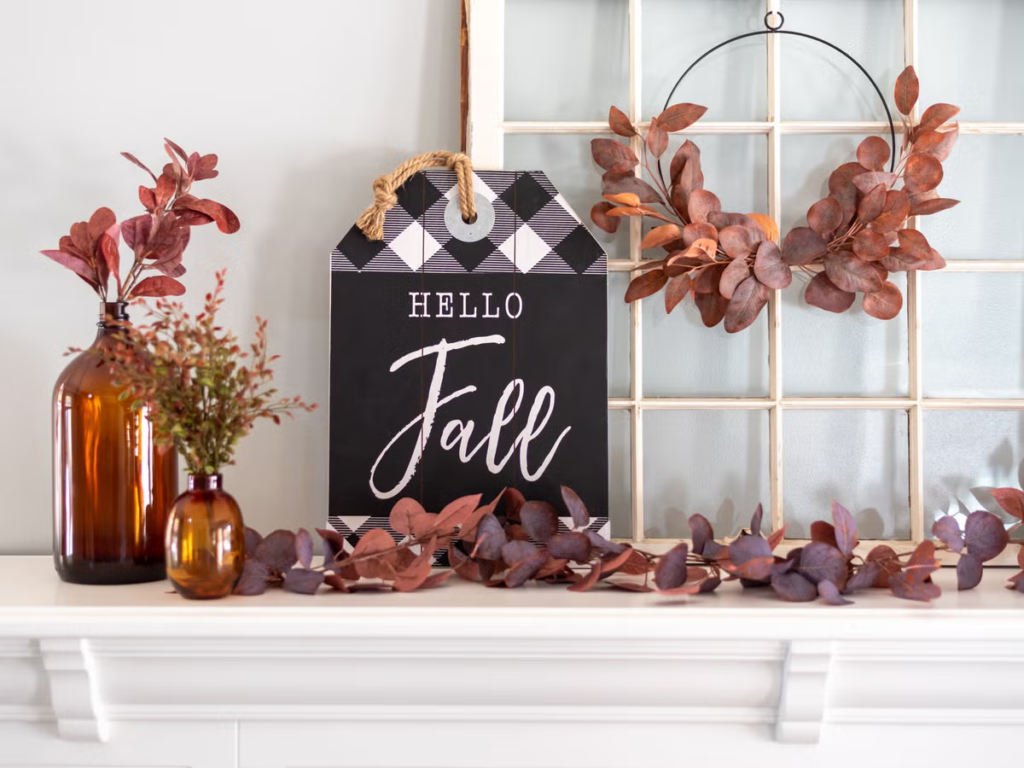
Start with cleaning and decluttering. Then choose colors, pick key areas, add cozy layers, and finish with scent and lighting. This simple order keeps the process calm.
- Clean and Declutter
Before adding fall decor, clear surfaces and remove summer items. Dust shelves, wipe counters, clean the porch, and sort anything that feels out of place. A clean space makes even simple decor look better.
Decorating over clutter is like putting a nice blanket on an unmade bed. It helps a little, but the room still feels messy.
- Pick a Color Palette
Choose two to four colors before you decorate. This helps every room feel connected. Your palette might be warm neutrals, earthy greens, classic orange, rustic browns, or soft harvest tones.
Use the same colors in pillows, candles, flowers, pumpkins, and table pieces. Repetition creates harmony.
- Choose Key Décor Zones
Do not decorate every surface. Pick a few zones that matter most. Good options include the front door, entry table, sofa, coffee table, mantel, kitchen counter, dining table, and bedroom.
When key zones look seasonal, the whole home feels decorated. This saves time and money.
- Add Seasonal Layers
Layer in fall slowly. Start with texture, then color, then natural accents, then holiday pieces. This makes your fall house decor feel thoughtful instead of crowded.
For example, add a blanket first, then rust pillows, then a pumpkin bowl, then a candle. Each layer builds warmth.
- Finish with Scent and Lighting
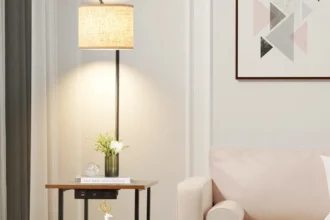
Scent and lighting are the final touches. Use warm bulbs, lamps, candles, lanterns, fairy lights, or soft table lighting. Then add a gentle fall scent like apple, cinnamon, vanilla, cedar, or amber.
These details make your home feel cozy in a way people notice right away.
Conclusion
So, when should you decorate for fall? For most homes, early to mid-September is perfect for small indoor changes, while mid to late September works best for porches, pumpkins, and fuller displays. October is ideal for Halloween touches, and November can shift toward Thanksgiving.
The best fall decorating tips are simple: start slowly, use warm colors, add texture, shop your home first, and keep your spaces useful. Your home does not need to look like a catalog. It only needs to feel warm, welcoming, and right for the season.
Frequently Asked Questions
August is not too early if you love fall, but it may feel early in hot climates. Start with subtle pieces like warm candles, neutral pillows, or dried stems. Save pumpkins, heavy blankets, and full porch displays for September when the season feels closer.
September is the best month for most fall decorating. Early September works well for soft indoor updates. Mid to late September is better for pumpkins, wreaths, porch decor, and richer colors. October works best if you want to include Halloween decorations too.
Decorate your porch in mid to late September for the best results. This timing helps real pumpkins and mums last longer. If your weather is still hot, start with a wreath, doormat, and lanterns first. Add plants and pumpkins once temperatures cool.
Yes, decorating for fall before Halloween is a smart idea. General fall decor lasts longer and works from September through Thanksgiving. Add Halloween pieces in October, then remove them after October 31. Your pumpkins, wreaths, candles, and warm colors can stay.
Fall decorations can stay up from September through Thanksgiving. After Halloween, remove spooky items and keep harvest pieces. Most people switch from fall to Christmas decor in late November or early December, depending on their holiday plans and personal style.
The easiest fall decorations are throw blankets, pillow covers, candles, pumpkins, wreaths, dried stems, and simple table centerpieces. These items are easy to style and easy to store. They also work in many rooms without needing a full redesign.
Decorate for fall on a budget by shopping your home first, using nature, buying pillow covers instead of pillows, and choosing reusable pieces. Dollar store fall decor can also help when styled carefully. Focus on key areas instead of decorating every corner.
Most people switch from fall to Christmas decor after Thanksgiving or in early December. If you like decorating early, start with winter basics first, such as greenery, lights, candles, and cozy blankets. Then add stronger Christmas pieces when you are ready.