
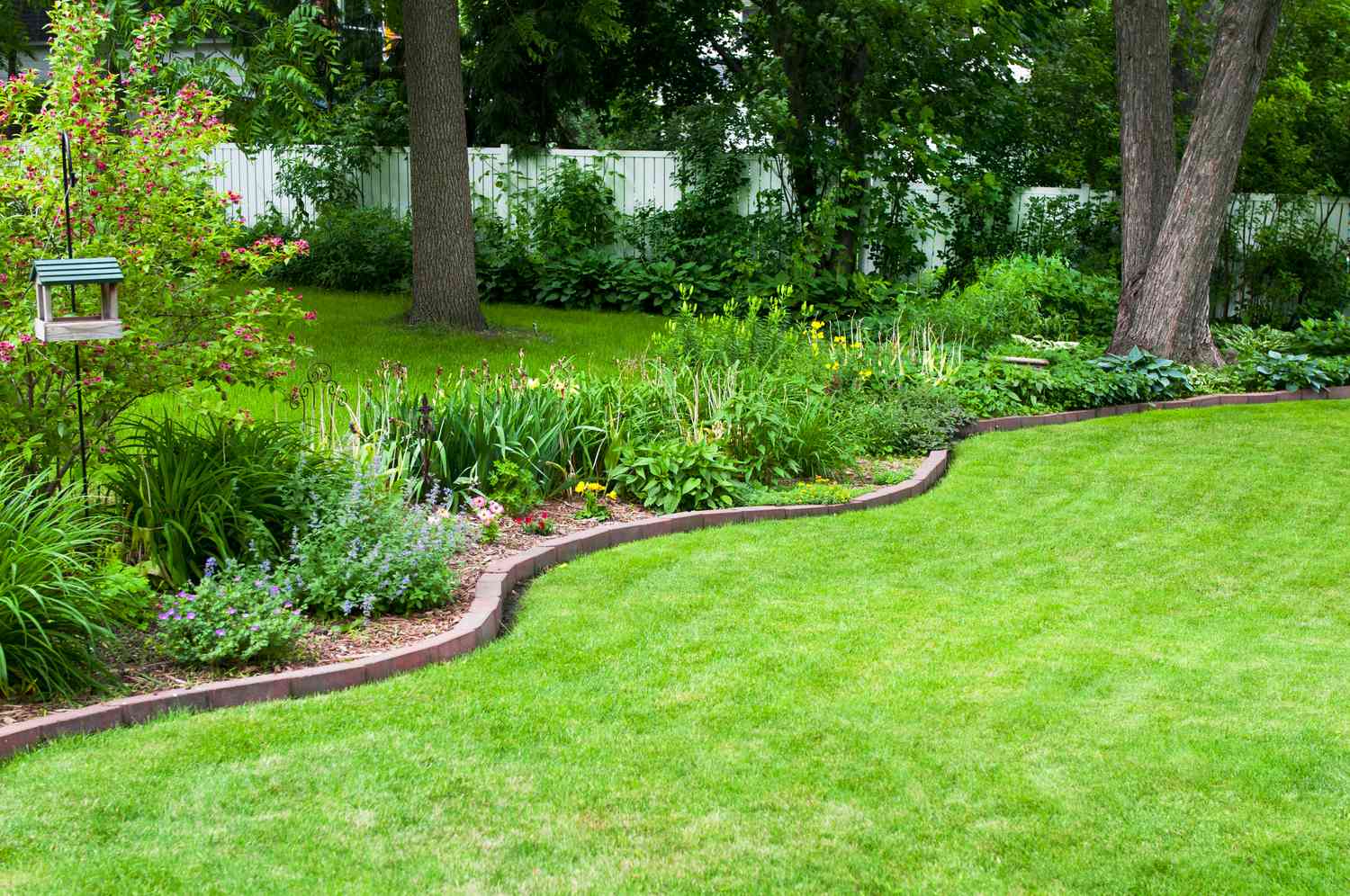

Garden edging ideas can turn a messy yard into a clean, finished outdoor space. A good border works like a picture frame for your garden. It separates grass, soil, mulch, paths, and plants while adding style. Whether your yard is small, large, modern, rustic, or simple, edging can make it look more planned.
What Are Garden Edging Ideas?
Garden edging ideas are different ways to create a clear border around garden beds, lawns, paths, trees, and outdoor spaces. Edging can be made from brick, stone, wood, metal, concrete, plastic, gravel, plants, or recycled materials. Its main job is to separate one area from another.
For example, edging can keep mulch inside a flower bed, stop grass from creeping into soil, or create a clean line along a walkway. Some borders are decorative, while others are more practical. The best garden edging ideas do both. They help your yard stay neat and make the whole space look more polished.
Benefits of Garden Edging
Garden edging may seem like a small detail, but it can change the way your whole yard feels. It adds order, saves time, and helps your landscaping look intentional instead of random.
- Keeps Garden Beds Neat
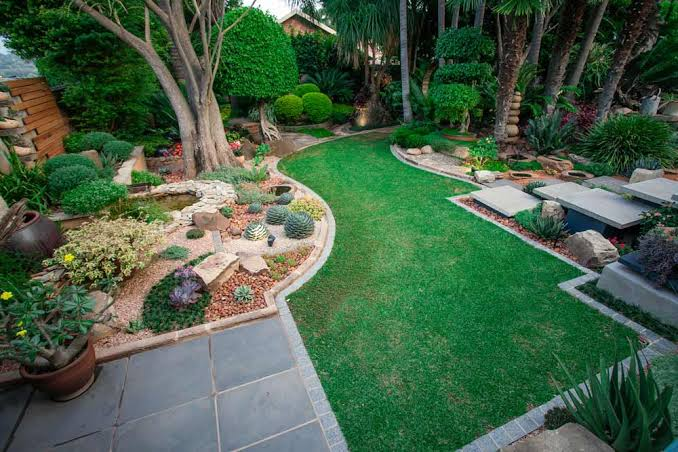
A garden bed without edging can look unfinished. Soil spills out, mulch spreads into the lawn, and plants may grow past their space. Edging creates a clean boundary, so everything stays where it belongs. This is especially helpful for flower beds, shrubs, small trees, and raised planting areas. Garden bed edging ideas can make even a simple border of mulch and flowers look more professional. Think of it like trimming the edges of a haircut. The style may already be good, but the clean line makes it look complete.
- Stops Grass From Spreading
Grass loves to travel. If you leave it alone, it can creep into flower beds, vegetable gardens, and pathways. A good border acts like a small fence under and above the soil. Some lawn edging ideas use metal, plastic, stone, or trench lines to slow grass roots and keep garden spaces separate. This means less pulling, cutting, and cleaning later.
- Improves Curb Appeal
Edging helps the yard look cared for from the street. A neat front yard border can make your home feel more welcoming before anyone steps inside. Brick, stone, and paver edging are especially good for curb appeal because they add structure and texture. Even a low-cost trench edge can make a lawn look sharper.
- Makes Yard Care Easier
Good edging makes mowing, trimming, watering, and weeding easier. It gives your mower or trimmer a guide to follow. It also keeps mulch from washing away after rain. Over time, that saves effort. Instead of fixing the same messy edges every weekend, you can enjoy a cleaner yard with less work.
How to Choose the Best Garden Edging?
The best garden edging depends on your yard, budget, style, and how much maintenance you want. Before buying materials, walk around your garden and look at the lines, shapes, and problem areas. Then choose edging that fits the space instead of fighting it.
- Match Your Home Style
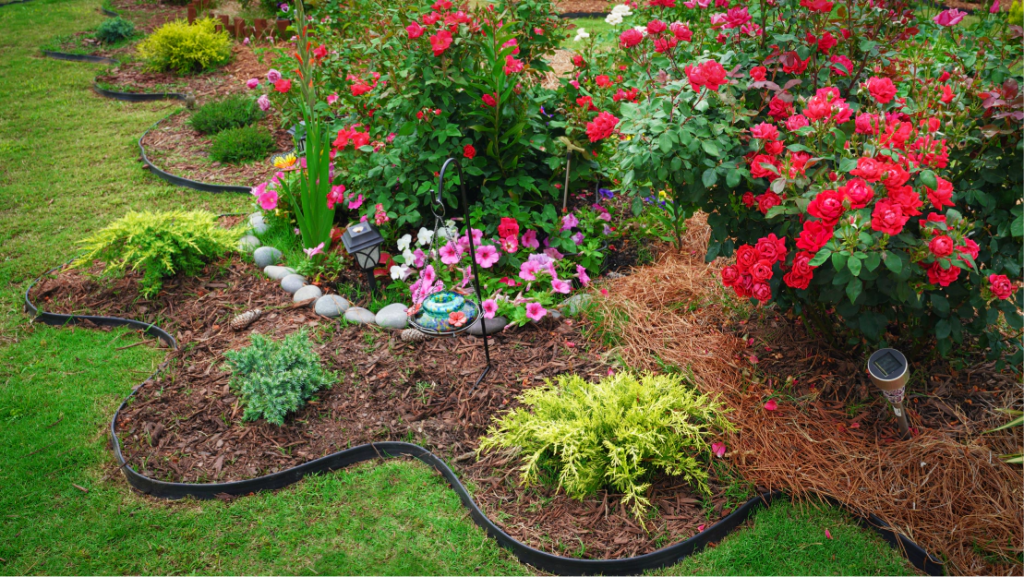
Your edging should feel connected to your house and outdoor design. If your home has a classic look, brick landscape edging or stone borders may fit well. If your home feels modern, metal or concrete edging may look better. The idea is similar to choosing indoor colors, furniture, and decor. Your outdoor borders should support your overall home style instead of feeling like a random add-on.
- Think About Your Budget
Some garden edging products cost more than others. Natural stone, poured concrete, and custom metal borders can be expensive. On the other hand, recycled bricks, logs, mulch, and trench edging can be very affordable. A small budget does not mean a boring border. It just means you need to be creative.
- Choose Easy-Care Materials
If you want less maintenance, choose strong materials like stone, metal, concrete, or pavers. Wood looks warm and natural, but it may rot over time. Plastic is easy to install, but cheaper versions can bend or crack. Rubber garden edging can be flexible and useful around curves, but quality matters.
- Consider Your Garden Shape
Straight beds work well with bricks, pavers, concrete, and metal strips. Curved beds look better with flexible edging, river rocks, gravel, or small stones. If your garden has many soft curves, avoid large rigid pieces that are hard to bend into shape.
- Plan for Long-Term Use
Think about how your garden will grow. Small plants may become large shrubs. A narrow edge may not be enough in a few years. Choose edging that can handle future growth, weather, foot traffic, and regular yard care. A border should not only look good today. It should still work next season and beyond.
Popular Garden Edging Ideas
There are many garden edging ideas, but some materials stay popular because they work in many yards. Each one has a different look, price, and level of care.
- Brick Garden Edging
Brick is a classic choice for garden borders. It feels warm, traditional, and sturdy. You can lay bricks flat, stand them upright, angle them diagonally, or place them in a soldier pattern. Brick landscape edging works well around flower beds, front walks, patios, and tree rings. It also pairs nicely with older homes, cottage gardens, and formal landscapes.
- Stone Garden Edging
Stone edging gives a garden a natural, timeless look. You can use large fieldstones, flat flagstones, river rocks, or stacked stones. Each stone has its own shape, so the border feels organic. Stone is also strong and long-lasting. It works well for natural gardens, sloped beds, and rustic backyard edging ideas.
- Wood Garden Edging
Wood adds warmth and softness. You can use timber, logs, planks, railroad-style ties, or small wooden stakes. It looks great in vegetable gardens, cottage yards, and relaxed outdoor spaces. However, wood needs more care than stone or metal. Choose treated or rot-resistant wood when possible.
- Metal Garden Edging
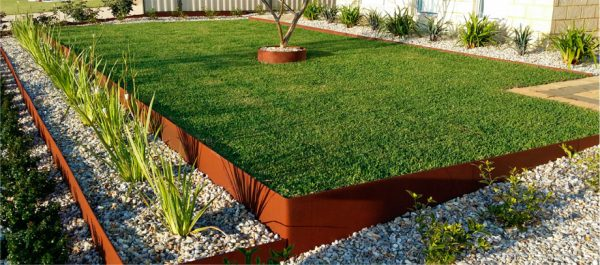
Metal edging creates thin, clean lines. It works well in modern, minimalist, and high-end gardens. Steel and aluminum are common choices. Metal is great for separating grass from gravel, mulch, or planting beds. It almost disappears into the landscape, leaving a crisp edge behind.
- Concrete Garden Edging
Concrete is strong, clean, and long-lasting. It can be poured in place or installed as pre-made blocks. Concrete edging works well for modern homes, driveways, patios, and straight lawn borders. It can look simple and sleek, or it can be stamped and shaped for a decorative finish.
- Plastic Garden Edging
Plastic edging is lightweight, affordable, and beginner-friendly. It is often sold in rolls or flexible strips. It works well for curves and simple garden beds. However, cheaper plastic may not last as long in strong sun or cold weather. Choose thicker, higher-quality plastic if you want better results.
- Paver Garden Edging
Pavers are neat, strong, and easy to match with patios or walkways. They can create a bold border around flower beds, lawns, and paths. Pavers also make mowing easier when placed level with the grass. They are one of the most practical lawn edging ideas for busy yards.
- Gravel Garden Edging
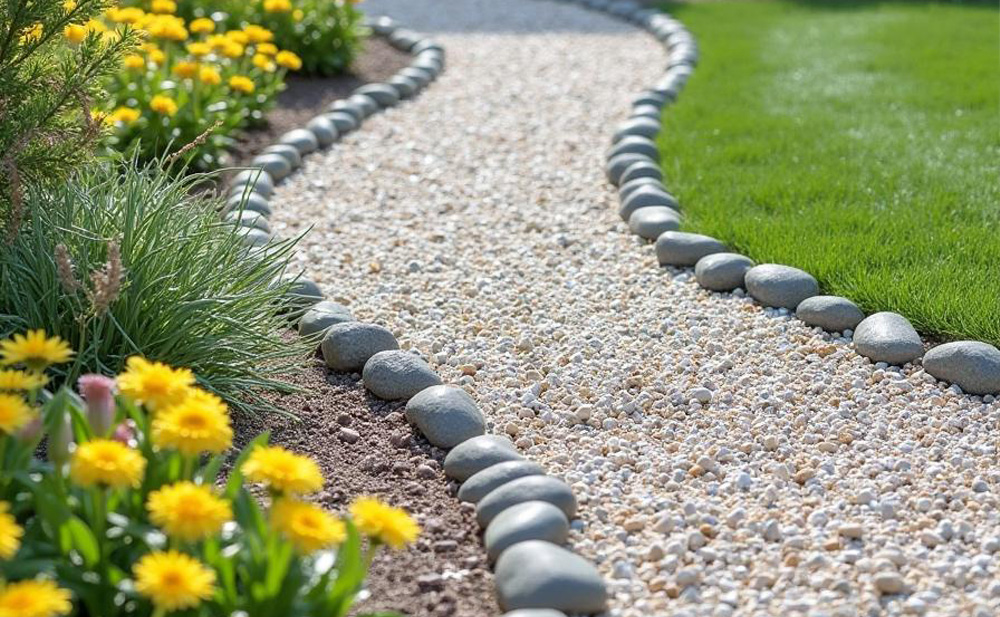
Gravel creates a casual, low-cost border. It works well beside paths, around garden beds, and in dry garden designs. You can use pea gravel, crushed stone, or decorative gravel. For best results, install landscape fabric under the gravel to reduce weeds.
Budget-Friendly Garden Edging Ideas
You do not need a big budget to make your garden look better. Many simple materials can create clean, charming borders without costing much.
- Recycled Brick Edging
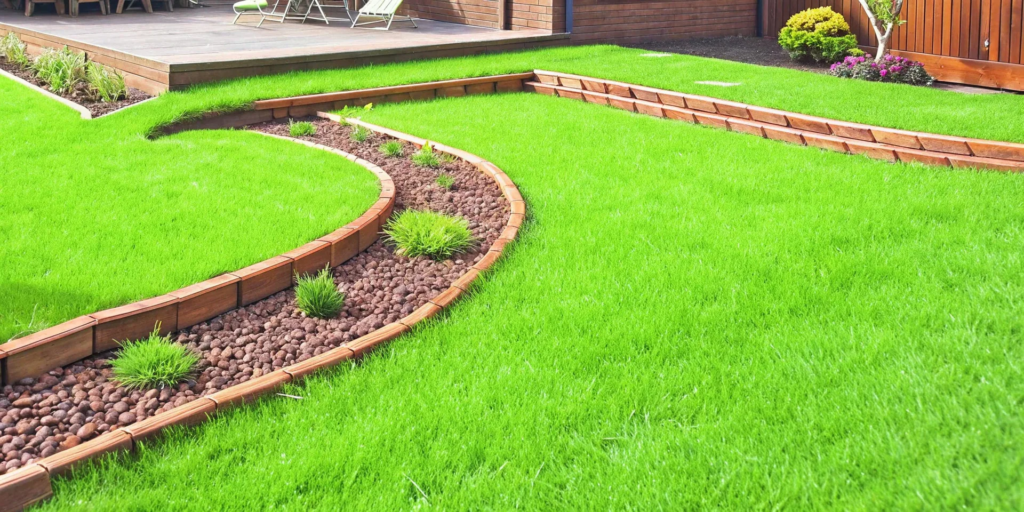
Old bricks can be reused as garden edging. Look for leftover bricks from home projects, salvage yards, or local listings. Even mismatched bricks can look beautiful if you repeat them around the yard. This is a great option when you want character without a high price.
- Log or Branch Edging
Logs and thick branches create a rustic border for almost no cost if you already have trees or trimmed limbs. Lay them along the edge of a garden bed or cut them into short pieces and stand them upright. This works best in informal gardens.
- Mulch Border Edging
A simple mulch strip can separate lawn from plants. It is not as strong as brick or stone, but it is cheap and easy to refresh. Use a clean trench line first, then fill the bed side with mulch.
- Repurposed Stone Edging
If you have rocks around your property, use them as a border. Group similar sizes together for a tidy look. Larger stones can hold soil in place, while smaller stones create a soft decorative edge.
- Simple Trench Edging
Trench edging is one of the cheapest garden edging ideas. You cut a clean V-shaped trench between the lawn and garden bed. It costs almost nothing, but it needs occasional reshaping to stay sharp.
Modern Garden Edging Ideas
Modern garden edging usually focuses on clean lines, simple shapes, and fewer materials. Instead of busy patterns, the goal is a calm and organized look.
- Sleek Metal Borders
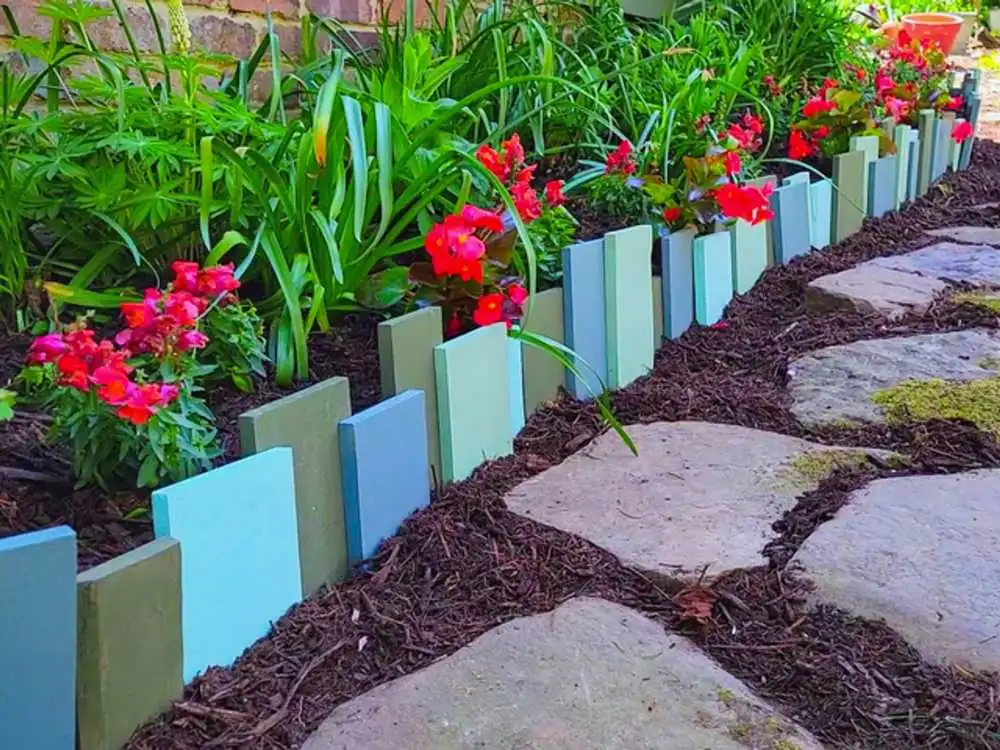
Thin metal borders are perfect for modern yards. They create sharp lines without taking attention away from plants. Black steel, corten steel, and aluminum are popular choices. Corten steel develops a rusty finish that feels warm but still modern.
- Minimal Concrete Edging
Concrete edging gives a smooth, simple border. It works well beside gravel, grass, and planting beds. For a modern look, keep the shape straight and the surface plain. This style pairs nicely with outdoor spaces inspired by Japandi style, where calm design, natural textures, and clean lines matter.
- Straight-Line Paver Edging
Straight paver edging is a smart choice for modern front yards. Use square or rectangular pavers in a simple row. Keep the color close to your walkway, driveway, or patio for a tied-together look.
- Dark Gravel Borders
Dark gravel can make green plants look brighter. It also adds contrast around white flowers, ornamental grasses, and light concrete. Use edging strips or pavers to keep gravel in place and stop it from mixing with soil or grass.
Natural Garden Edging Ideas
Natural garden edging feels relaxed and earthy. It works well in gardens that do not need perfect lines. The goal is to blend the border into the yard, almost like it grew there.
- River Rock Edging
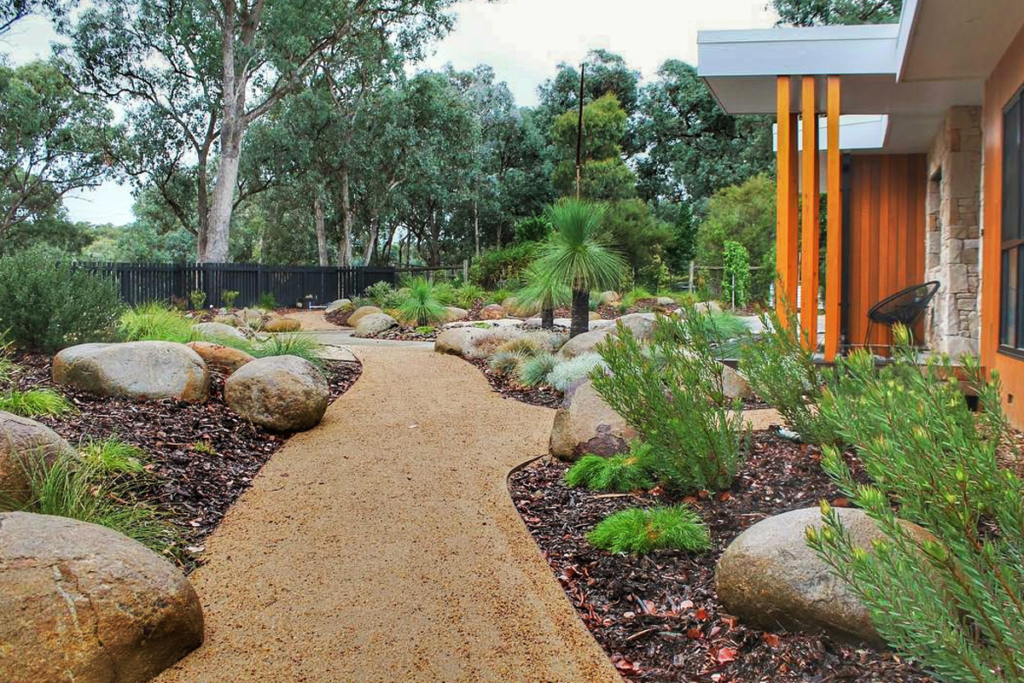
River rocks have smooth shapes and soft colors. They work well around flower beds, water features, trees, and paths. Because they vary in size, they create a gentle, natural border. Use larger rocks on the outside edge and smaller stones inside for a layered look.
- Wooden Log Borders
Log borders are warm and simple. They look especially good around woodland gardens, cottage beds, and vegetable patches. You can lay logs horizontally for a casual edge or cut small pieces and place them upright for a more playful look.
- Plant-Based Edging
Plants can become living borders. Low-growing herbs, ornamental grasses, lavender, boxwood, hostas, and groundcovers can edge a bed naturally. Plant-based borders take more care, but they add softness and movement. They are also helpful when you want the garden to feel full and lush.
- Mulch and Stone Mix
Mixing mulch with stone gives you the best of both worlds. Mulch keeps soil moist and soft, while stone creates a stronger edge. This type of border pairs well with relaxed outdoor spaces inspired by boho style, where natural materials, texture, and an easygoing feel work together.
DIY Garden Edging Ideas for Beginners
If you are new to yard projects, start with simple DIY garden edging ideas. Choose materials that are easy to move, cut, or place. You do not need special skills to create a clean border.
- Simple Brick Border
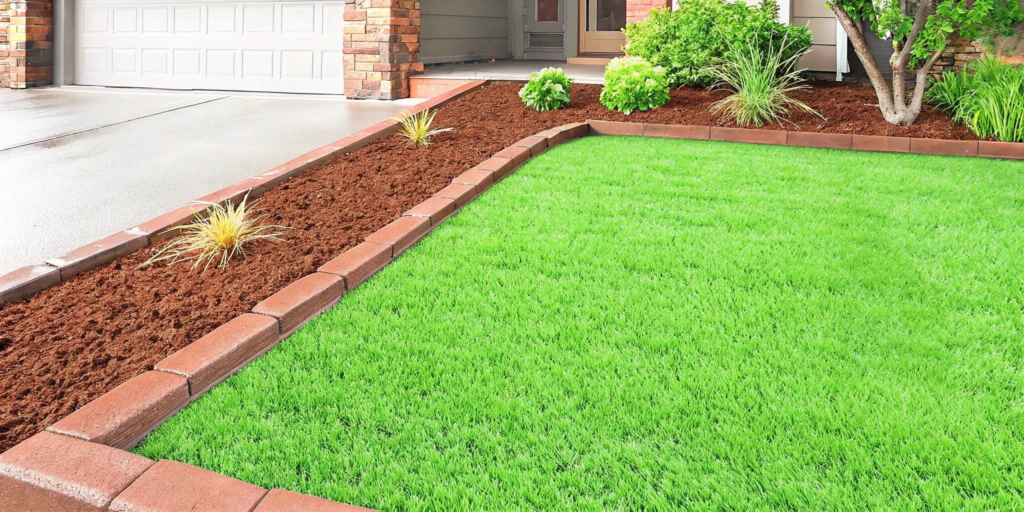
A brick border is a great first project. Mark your line with string or a garden hose. Dig a shallow trench, add a thin layer of sand, and place the bricks in a row. Check the level as you go. This works well for straight or gently curved beds.
- No-Dig Plastic Edging
No-dig plastic edging is one of the easiest options. You lay it on the ground and secure it with spikes. It is useful for quick garden bed edging ideas, especially if you want a border in one afternoon. Choose a sturdy product so it does not wave or lift.
- Gravel Strip Edging
A gravel strip is simple and neat. Dig a shallow border, lay landscape fabric, and fill it with gravel. It looks good between a lawn and flower bed or along a path. Gravel also helps with drainage in wet areas.
- Wood Plank Edging
Wood planks create a straight, tidy edge. Use them around vegetable beds, small borders, or simple backyard projects. Secure them with stakes so they stay in place. Seal the wood if you want it to last longer.
- Stone Border Edging
A stone border is forgiving because the pieces do not need to be perfect. Place larger stones along the edge, then fill gaps with smaller ones. This is a great choice when you want a natural look without complicated measuring.
How to Install Garden Edging?
Installing garden edging is easier when you follow a clear process. The exact steps depend on the material, but most projects follow the same basic path.
- Mark the Border
Start by marking the shape. Use spray paint, string, stakes, or a garden hose. A hose works well for curved beds because you can move it until the shape looks right. Step back and view the line from different angles before digging.
- Clear the Area
Remove weeds, grass, rocks, and old edging from the area. A clean base helps the new border sit better. If you skip this step, the edging may look uneven or shift later.
- Dig a Shallow Trench
Dig a trench deep enough for your material. For bricks, pavers, and stones, the trench should hold part of the piece below ground. For metal or plastic edging, follow the product instructions. The trench does not need to be deep, but it should be even.
- Place the Edging Material
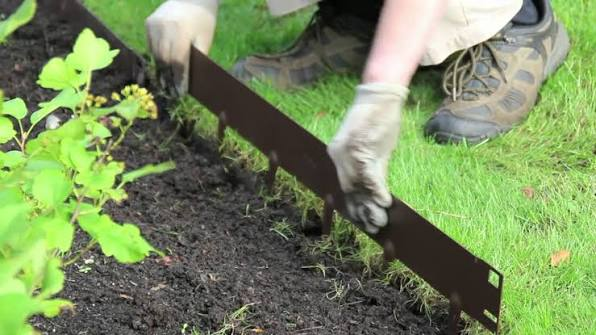
Set your edging into the trench. Work slowly and check the line often. For bricks and pavers, add a little sand underneath to help with leveling. For plastic, rubber garden edging, or metal strips, use stakes or spikes as directed.
- Secure and Level the Border
A border should not wobble. Tap bricks, stones, or pavers into place with a rubber mallet. Use a small level for straight sections. For curved borders, trust the overall flow more than each small piece.
- Fill Gaps and Clean Up
Backfill soil around the edging, press it down, and sweep away extra dirt. Add mulch, gravel, or plants inside the bed. Water the area lightly to help the soil settle.
Garden Edging Ideas for Different Areas
Different parts of the yard need different edging. A front flower bed may need a polished look, while a backyard vegetable garden may need something simple and practical.
- Flower Bed Edging
Flower beds look best with clear, attractive borders. Brick, stone, pavers, and metal all work well. For soft cottage-style beds, use natural stone or plant-based edging. For formal beds, choose straight brick or concrete.
- Lawn Edging
The best lawn edging ideas create a clean mowing line. Metal, pavers, concrete, and trench edging work well along lawns. If grass spreads fast in your yard, choose a deeper edging material that blocks roots better.
- Pathway Edging
Pathways need borders that keep gravel, mulch, or stepping stones in place. Stone, brick, metal, and pavers are strong choices. A clear path edge makes the yard easier to walk through and safer after rain.
- Vegetable Garden Edging
Vegetable gardens need practical edging. Wood planks, bricks, concrete blocks, and logs can all work. The border should hold soil in place and make the beds easy to reach. Avoid treated materials that may not be safe near food plants unless they are rated for garden use.
- Front Yard Edging
Front yard edging should improve curb appeal. Brick landscape edging, stone, pavers, and concrete often work well because they look neat from the street. Repeat colors from the home exterior, walkway, or driveway for a pulled-together look.
- Backyard Edging
Backyard edging ideas can be more relaxed. You can use logs, gravel, stone, mulch, or rubber garden edging around play areas, patios, fire pits, and garden beds. The best choice depends on how the space is used day to day.
Common Garden Edging Mistakes to Avoid
Garden edging is simple, but small mistakes can make it look messy or fail too soon. Avoiding these problems can save money, time, and frustration.
- Choosing the Wrong Material
Do not choose edging based only on looks. Soft plastic may not hold up beside a busy lawn. Wood may not last in wet soil. Loose rocks may move on a steep slope. Match the material to the job first, then think about style.
- Skipping Ground Prep
A border is only as good as the base under it. If you install edging over weeds, roots, bumps, or loose soil, it may shift quickly. Always clear and level the area before placing materials.
- Making Uneven Borders
Uneven edging can make a yard look careless. Use a string line for straight borders and a hose for curves. Step back often while working. Your eye can catch problems that a tape measure may miss.
- Ignoring Drainage
Water needs somewhere to go. If edging traps water in the wrong place, plants may suffer and soil may wash out. Gravel strips, small gaps, or proper slope can help water move naturally.
- Using Weak Edging for Heavy Areas
High-traffic areas need strong edging. Driveways, paths, and mower edges need materials that can handle pressure. Use pavers, concrete, stone, or metal where strength matters most.
Best Low-Maintenance Garden Edging Ideas
Low-maintenance edging is ideal when you want a tidy yard without constant fixing. It is also useful for a rental property, second home, or vacation home that may not get weekly attention.
- Metal Edging
Metal edging is one of the best low-care options. It creates a crisp line, holds its shape, and lasts for years when installed well. It is especially useful for modern beds, gravel areas, and clean lawn borders.
- Stone Edging
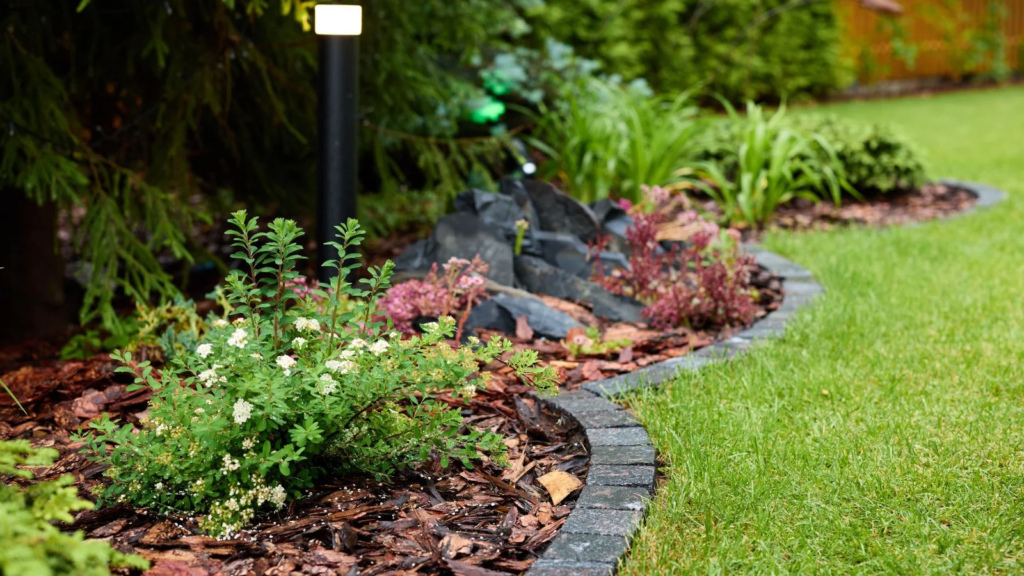
Stone does not rot, fade, or need much care. Once placed, it can stay in position for a long time. Large stones are better than small loose rocks if you want less upkeep. They are heavy, but that weight helps them stay put.
- Concrete Edging
Concrete edging is very durable. It works well around lawns, driveways, and formal beds. It may cost more at first, but it can last for many years with little work. Pre-made concrete blocks are easier for DIY projects than poured concrete.
- Paver Edging
Pavers are strong, neat, and easy to replace if one piece cracks. They create a solid mowing edge and work well with patios and walkways. For a clean look, set them level and keep the joints tight.
Final Tips for Stylish Garden Edging
Garden edging should make the yard look better and work better. A beautiful border that causes problems is not worth it. A practical border that looks dull may also feel unfinished. The best result sits in the middle.
- Keep the Design Simple
Simple edging often looks more expensive than busy edging. Choose one main material and repeat it. Too many colors, shapes, or textures can make the yard feel cluttered.
- Repeat Materials Around the Yard
Repeating materials creates flow. For example, if you use brick around the front flower bed, use the same brick near the mailbox or walkway. This makes the yard feel planned.
- Use Curves for a Softer Look
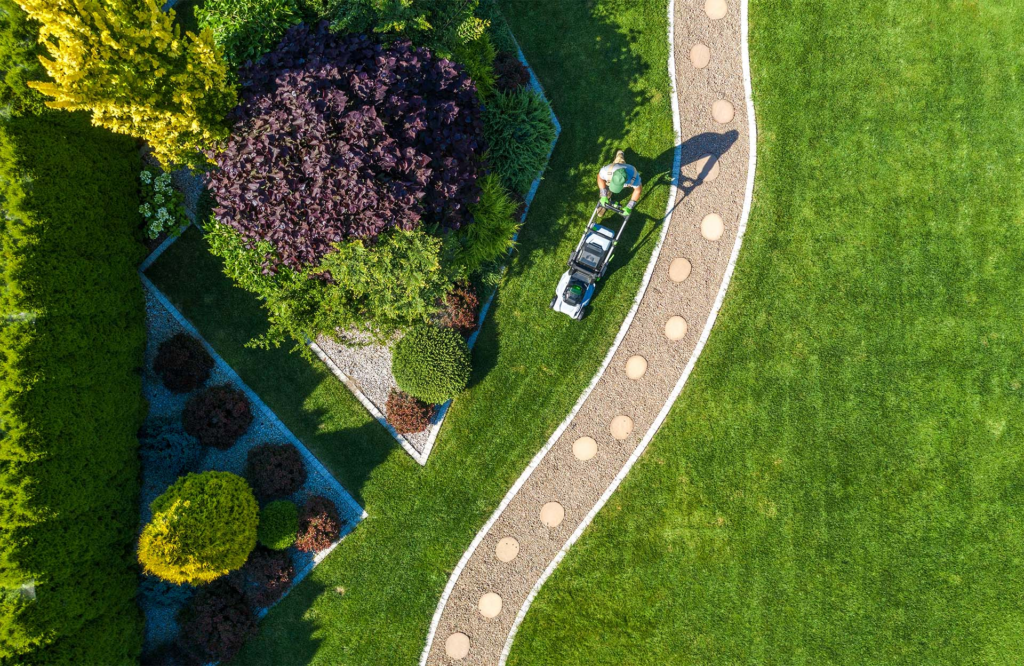
Curves make a garden feel relaxed and natural. They work well with stone, gravel, mulch, plants, and flexible edging. Use wide curves instead of tight waves for a cleaner result.
- Use Straight Lines for a Modern Look
Straight lines feel sharp and calm. They work well with metal, concrete, pavers, and dark gravel. Straight borders are also easier to mow and measure.
- Balance Style and Function
Before choosing garden edging products, ask two questions. Does it look good with the yard? And will it solve the problem? If the answer to both is yes, you have found a strong option.
Conclusion
Garden edging ideas can make your yard cleaner, easier to maintain, and more beautiful. The right border keeps grass, mulch, soil, and plants in place while adding style. You can choose brick, stone, wood, metal, concrete, gravel, plastic, or recycled materials. Start with your budget, your garden shape, and your home’s look. Then choose a border that feels useful, simple, and lasting.
Frequently Asked Questions
The cheapest way to edge a garden is usually trench edging. You only need a spade or edging tool to cut a clean line between the lawn and garden bed. Mulch border edging, recycled bricks, old stones, branches, and logs are also low-cost choices. These options work well if you want a neat look without spending much money. However, cheaper edging may need more upkeep over time.
No-dig plastic edging is one of the easiest types to install. You place it along the border and secure it with spikes. Rubber garden edging can also be easy because it bends around curves. A simple brick or stone border is another beginner-friendly choice. The easiest option depends on your soil, garden shape, and how polished you want the final result to look.
The best material depends on your needs. Metal is great for modern, clean lines. Stone lasts a long time and looks natural. Brick adds classic charm. Concrete is strong and low-maintenance. Plastic is affordable and easy to install. Pavers are practical for lawns and paths. If you want long-lasting garden edging ideas, stone, metal, concrete, and pavers are usually the strongest choices.
Most garden edging should sit about 3 to 6 inches deep, depending on the material and purpose. If you want to stop grass roots, deeper edging works better. Metal and plastic edging often come with installation instructions, so follow those when possible. Bricks, stones, and pavers should sit partly below ground so they stay stable and do not shift easily.
Yes, garden edging can help stop grass from spreading, but the results depend on the material and depth. Metal, plastic, concrete, and paver edging can block grass better than loose stones or mulch alone. However, some aggressive grasses may still grow over or under shallow edging. For best results, combine edging with regular trimming and weeding.
Metal garden edging is usually stronger, cleaner-looking, and longer-lasting than plastic. It is a good choice for modern yards and areas that need a crisp line. Plastic edging costs less and is easier for beginners to install, especially around curves. If your budget allows, metal often gives a more professional finish. If you need a quick and affordable fix, plastic can still work well.
Yes, many garden edging projects are easy to do yourself. Brick, stone, gravel, plastic, rubber, wood, and trench edging are all good DIY options. Start with a small area, mark the border clearly, dig a shallow trench, and level the material as you go. More advanced projects, like poured concrete or large stone walls, may need professional help.
Stone, concrete, metal, and paver edging usually last the longest. These materials can handle weather, mowing, and regular yard use better than wood or thin plastic. Stone and concrete can last for many years with little care. Metal also lasts well if you choose a quality product and install it correctly. Wood looks beautiful but may rot over time, especially in wet soil.
To make garden edging look professional, keep the lines clean, level the materials, and repeat the same border style around the yard. Use string for straight lines and a hose for curves. Prepare the ground before installing anything. Also, avoid mixing too many materials. A simple, neat border often looks better than a complicated design.
The best edging for flower beds depends on the look you want. Brick and pavers create a classic, tidy border. Stone gives a natural garden feel. Metal creates a slim, modern line. Wood works well for rustic or cottage-style beds. For easy garden bed edging ideas, start with brick, stone, or no-dig edging because they are simple, attractive, and practical.