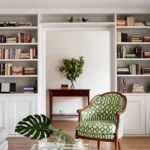
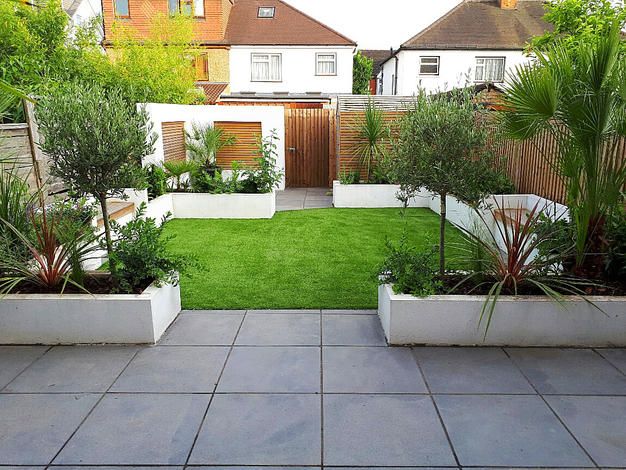

DecadGarden home advice is all about making your home better without making life harder. You do not need a huge budget, fancy tools, or design training to create a space that feels clean, cozy, useful, and personal. With the right steps, even small updates can make a big difference.
What Is Home Advice DecadGarden?
Home advice DecadGarden is a simple way to think about home improvement, décor, DIY fixes, kitchen updates, and garden care in one practical guide. Instead of chasing expensive trends, it focuses on easy choices that help your home feel better day by day. It is useful for small apartments, rented homes, family houses, and outdoor spaces.
- Simple Meaning of the Topic
The phrase home advice from DecadGarden means practical home guidance that covers décor, repair, storage, cleaning, outdoor ideas, and simple upgrades. Think of it like a friendly checklist for your home. It helps you decide what to fix, what to improve, and what to leave alone.
- Why People Search for It
People search for decadgarden home tips because many home problems feel small at first but quickly become annoying. A cluttered counter, dull room, loose cabinet handle, or messy balcony can affect your mood. Simple advice helps you take action without feeling lost.
- Who Can Benefit from This Advice
Anyone who wants a more comfortable home can benefit from decadgarden home improvement ideas. This includes renters, first-time homeowners, busy families, students in apartments, and people refreshing older rooms. The main goal is not perfection. The goal is progress that fits your space, budget, and daily life.
Why Home Advice Matters?
Good home advice matters because your home shapes your routine. A well-planned room can save time, lower stress, and make everyday tasks easier. Also, small fixes often prevent larger problems. When you understand basic home improvement ideas, you make smarter choices and avoid wasting money on updates that do not help.

- Saves Money on Small Fixes
Small repairs are like tiny leaks in a bucket. If you ignore them, they slowly drain your money. Tightening screws, sealing gaps, cleaning filters, and fixing loose handles can prevent bigger costs. Budget home improvement starts with noticing small problems before they grow.
- Makes Rooms More Useful
A beautiful room still needs to work well. For example, a living room should support relaxing, talking, watching TV, and sometimes working. When you arrange furniture with purpose, the room becomes easier to use. This is where simple home renovation ideas can help without major construction.
- Improves Comfort and Style
Comfort and style should work together. Soft lighting, clean surfaces, warm textures, and smart storage can change how a room feels. Good home decor ideas do not always require new furniture. Sometimes, moving a lamp or adding a rug can make the room feel fresh.
- Helps Renters and Homeowners Avoid Mistakes
Renters need updates that are safe, removable, and budget-friendly. Homeowners also need to think before spending on permanent changes. Home decor tips help both groups avoid mistakes like buying furniture that is too large, painting without testing colors, or starting projects without measuring.
How to Start Improving Your Home?
The best way to start is slowly. Do not try to change your whole home in one weekend. Instead, walk through your space and look for what bothers you most. Maybe the entryway is messy, the kitchen feels crowded, or the bedroom feels dull. Start with one clear problem.
- Walk Through Each Room
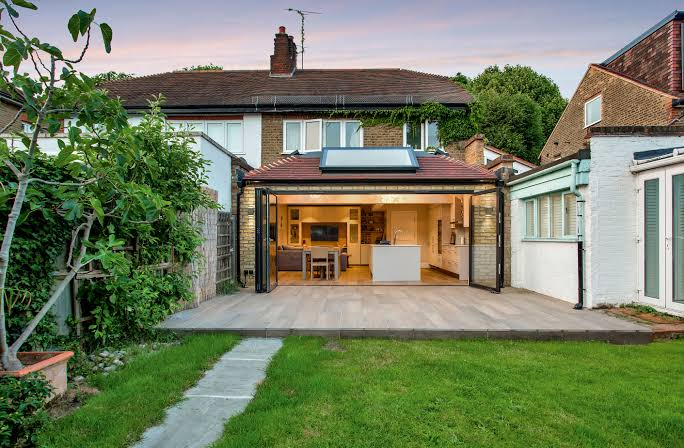
Take a slow walk through your home with fresh eyes. Notice where clutter builds up, where light feels weak, and where furniture blocks movement. This simple walkthrough gives you a clear starting point. It also helps you avoid buying random items that do not solve real problems.
- List Small Problems First
Write down small problems before dreaming about big makeovers. A squeaky door, messy drawer, dark corner, or crowded counter may seem minor. However, fixing these things can quickly improve your home. This is the heart of practical DIY home improvement.
- Set a Simple Budget
A budget keeps your project under control. Decide how much you can spend before you shop. Even a small amount can work well if you focus on useful changes. For example, new knobs, storage baskets, or peel-and-stick hooks can improve a space for less.
- Choose One Project at a Time
One project at a time keeps stress low. If you start painting, organizing, shopping, and repairing all at once, your home may feel worse before it feels better. Pick one weekend home project, finish it, then move to the next.
- Keep Tools and Supplies Ready
A small home kit can save time. Keep a tape measure, screwdriver, hammer, wall hooks, cleaning cloths, flashlight, batteries, painter’s tape, and basic screws in one place. When supplies are ready, small repairs feel easier and less annoying.
Best Home Décor Advice for Beginners
The best beginner home décor advice is to start with what you already have. Before buying anything, clean the room, remove clutter, and move furniture around. Then look at color, lighting, texture, and wall space. For more step-by-step help, this guide on how to decorate a room is a useful place to start.
- Use Colors That Feel Calm
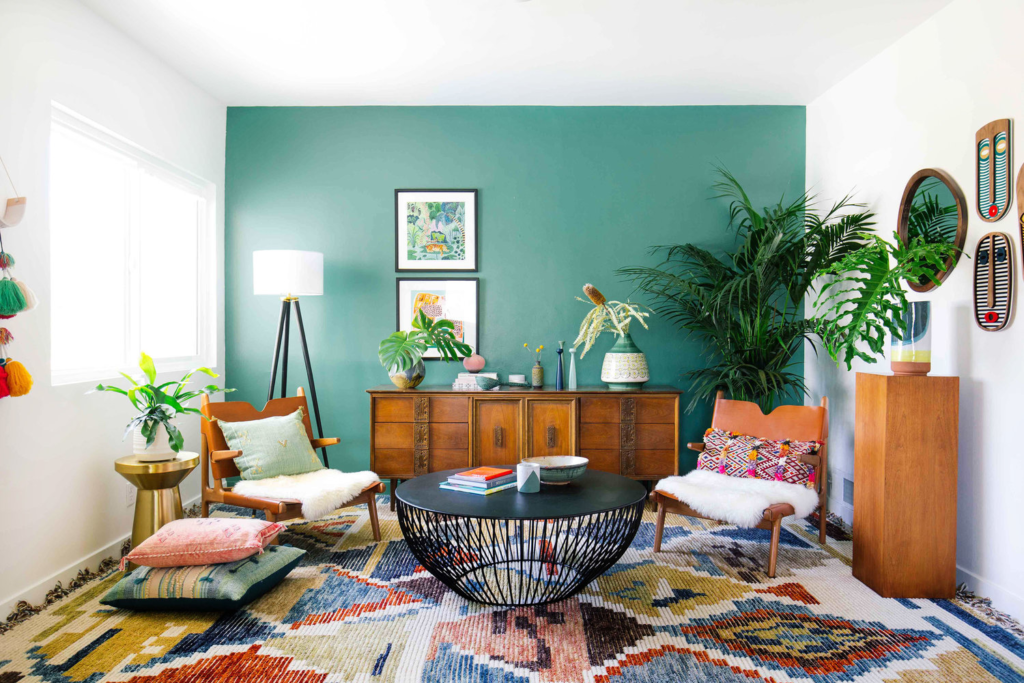
Color sets the mood of a room. Soft neutrals, warm whites, gentle greens, light blues, and earthy tones often feel calm. You do not have to paint every wall. Instead, add color through pillows, curtains, blankets, art, or one small accent wall.
- Add Texture with Rugs and Pillows
Texture makes a room feel layered and cozy. A room with only flat surfaces can feel cold, even if the colors are nice. Rugs, pillows, throws, baskets, curtains, and fabric lampshades add warmth. These simple home decorating ideas work well in both large and small spaces.
- Improve Lighting First
Lighting can change a room faster than almost anything else. Use more than one light source when possible. A ceiling light, floor lamp, table lamp, and small accent light can work together. Warm bulbs often make living spaces and bedrooms feel softer.
- Use Wall Art Wisely
Wall art should support the room, not overwhelm it. One large piece can look cleaner than many tiny frames. However, a small gallery wall can also work if the pieces share similar colors or frames. Before hanging art, use paper templates to test the layout.
- Avoid Too Much Clutter
Clutter makes even expensive décor look messy. Therefore, remove items that do not serve a purpose or bring joy. Use trays, baskets, boxes, and shelves to group things neatly. A clear surface is like a deep breath for the room.
Room-by-Room Home Advice DecadGarden Ideas
Each room has a job. The living room welcomes people, the bedroom supports rest, the bathroom handles busy routines, and the entryway sets the tone when you walk in. Room makeover ideas work best when you match each update to the room’s purpose.
- Living Room Updates
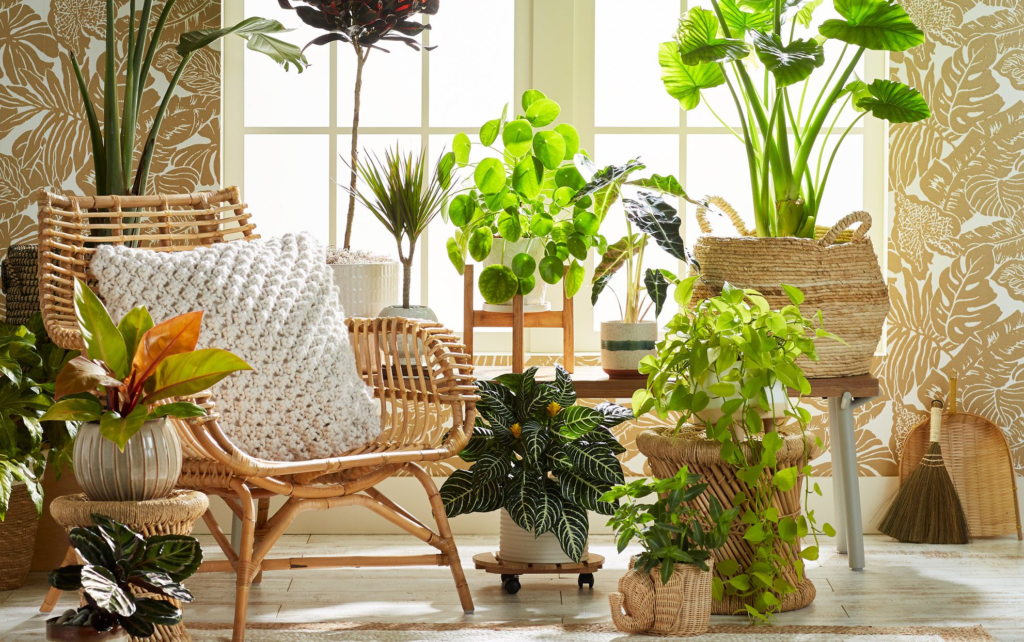
Living room decor ideas should focus on comfort, flow, and balance. Start by arranging seating so people can talk easily. Then add soft lighting, a rug, and a few personal items. Living room makeover ideas can be as simple as changing pillow covers and moving furniture.
- Bedroom Comfort Ideas
Bedroom decor ideas should support sleep and calm. Keep nightstands simple, use soft bedding, and reduce bright clutter. For a small bedroom makeover, choose storage under the bed, wall-mounted shelves, and light colors. A peaceful bedroom should feel like a quiet pause at the end of the day.
- Bathroom Refresh Tips
A bathroom refresh does not need a full remodel. Change the shower curtain, clean grout, add matching towels, and use small baskets for daily items. Also, replace weak bulbs with brighter ones. These small changes can make a bathroom feel cleaner and newer.
- Entryway Organization
The entryway often becomes a drop zone for shoes, bags, keys, and mail. Add hooks, a shoe rack, a small tray, and one basket. Even a tiny entry can feel organized when every item has a home.
- Small Space Solutions
Small room decorating ideas depend on smart storage and visual space. Use mirrors to reflect light, choose furniture with legs, and avoid blocking windows. Also, pick pieces that do more than one job, such as storage benches, nesting tables, or beds with drawers.
Easy Kitchen Fixes and Updates
The kitchen works hard every day, so small updates can make a big difference. You do not need a full remodel to improve it. Many kitchen improvement ideas start with cleaning, organizing, and fixing small details. For example, learning how to clean cabinets can make old cabinets look brighter before you spend money replacing them.
- Clear Crowded Counters
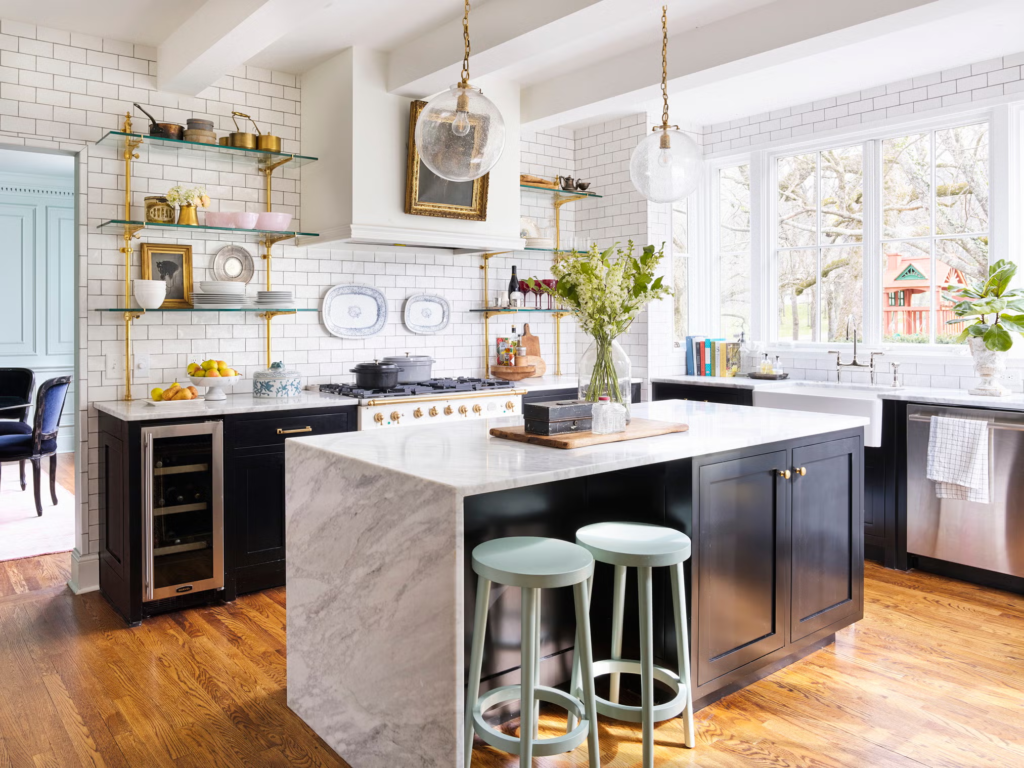
Crowded counters make cooking feel harder. Remove items you rarely use and keep only daily tools within reach. Store appliances in cabinets when possible. This one step can make a small kitchen feel larger and cleaner.
- Fix Small Cabinet Issues
Loose hinges, sticky drawers, and dirty cabinet fronts can make a kitchen feel worn out. Tighten screws, adjust hinges, and clean cabinet doors. Before starting a budget kitchen makeover, handle these small fixes first. They often make the biggest visual difference.
- Update Handles and Knobs
New handles and knobs are simple but powerful. They are like jewelry for cabinets. Choose a finish that matches your faucet or lighting for a pulled-together look. This is one of the easiest kitchen makeover ideas because it is affordable and beginner-friendly.
- Improve Sink Organization
The sink area can quickly become messy. Use a small tray for soap, a holder for sponges, and a basket under the sink for cleaners. Good kitchen organization ideas help you clean faster and keep the space looking neat.
- Add Budget-Friendly Lighting
Under-cabinet lights, plug-in lights, or battery lights can brighten dark counters. Better lighting makes chopping, cooking, and cleaning easier. Also, warm light can make the kitchen feel more welcoming in the evening.
Simple DIY Home Projects
Easy DIY home projects are a great way to build confidence. Start with small updates that do not need special skills. Paint, shelves, peel-and-stick tiles, baskets, and furniture refreshes can all change a space without major work. For extra storage inspiration, this guide to wall shelves can help you use vertical space wisely.
- Paint a Small Wall
Painting one small wall is a good beginner project. It gives you practice without taking over the whole room. Use painter’s tape, cover the floor, and test the color first. A soft accent wall can support a DIY room makeover without feeling too bold.
- Add Peel-and-Stick Tiles
Peel-and-stick tiles can update a kitchen backsplash, laundry area, or bathroom wall. They are popular for apartment makeover ideas because many options are removable. Still, always check rental rules first. Clean the surface well before applying them.
- Install Floating Shelves
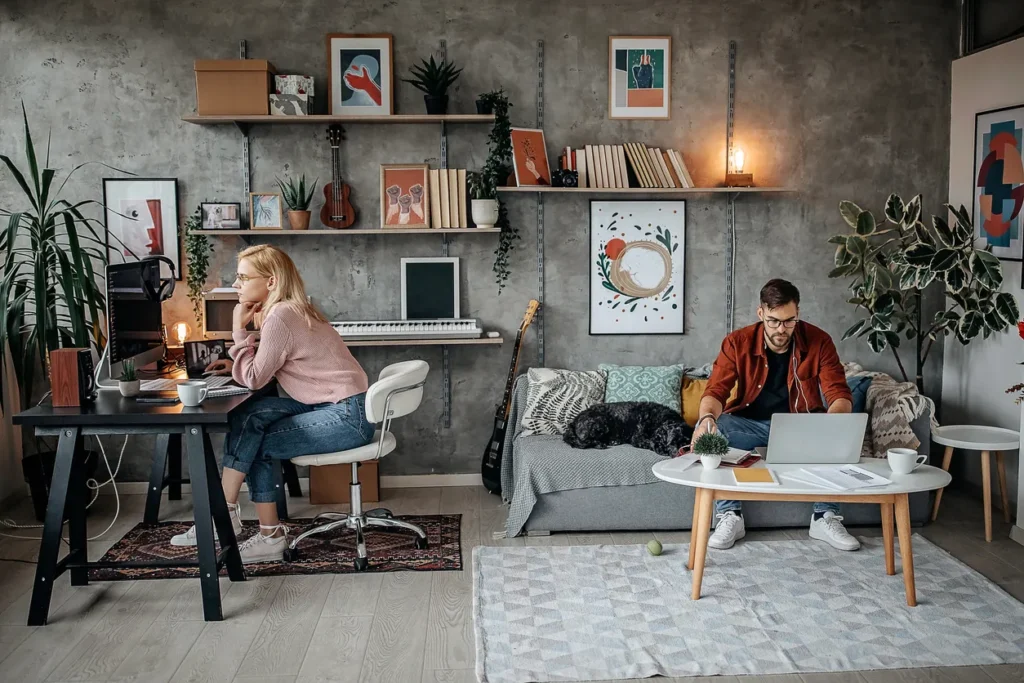
Floating shelves add storage and style. Use them for books, plants, dishes, or small baskets. However, do not overload them. Always follow weight limits and use proper anchors. Shelves can make a blank wall useful without taking up floor space.
- Refresh Old Furniture
Old furniture can often be saved with paint, new handles, or better styling. A tired side table may look new with sanding and a fresh coat of paint. DIY home decor works best when you reuse what you already own.
- Create Storage Baskets
Storage baskets help control visual clutter. Use them for toys, blankets, shoes, bathroom items, or pantry goods. Label them if needed. When items are easy to find and easy to put away, the whole home stays cleaner.
Garden and Outdoor Advice
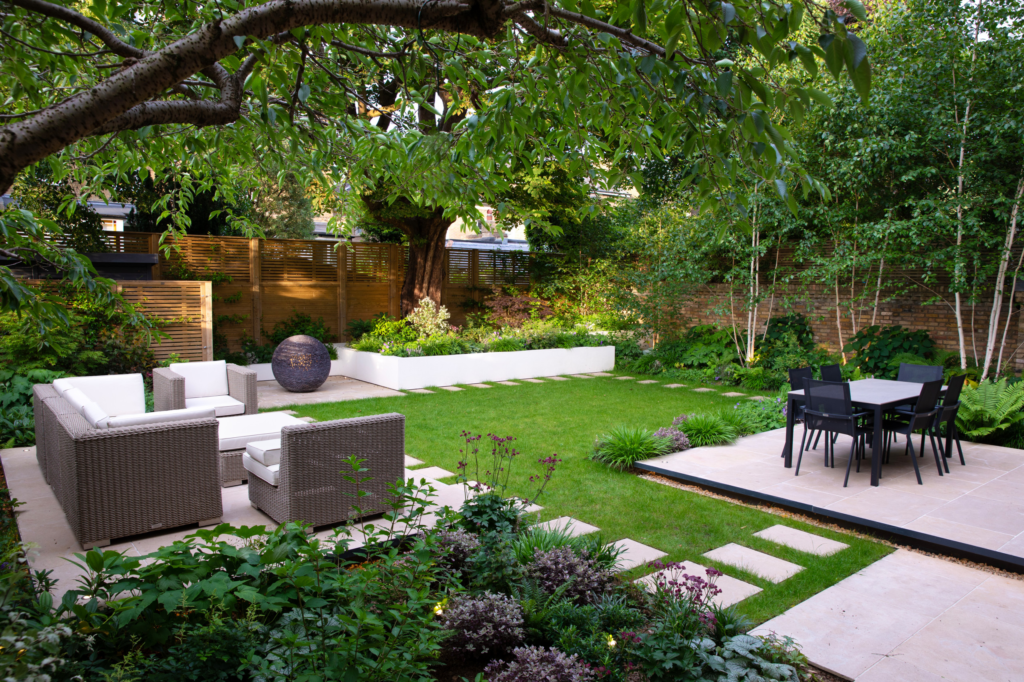
Outdoor spaces do not need to be large to feel special. A balcony, small patio, front step, or tiny garden can become a relaxing spot with plants, seating, and lights. Good garden advice starts with easy care. For neat borders and outdoor structure, these garden edging ideas can help shape the space.
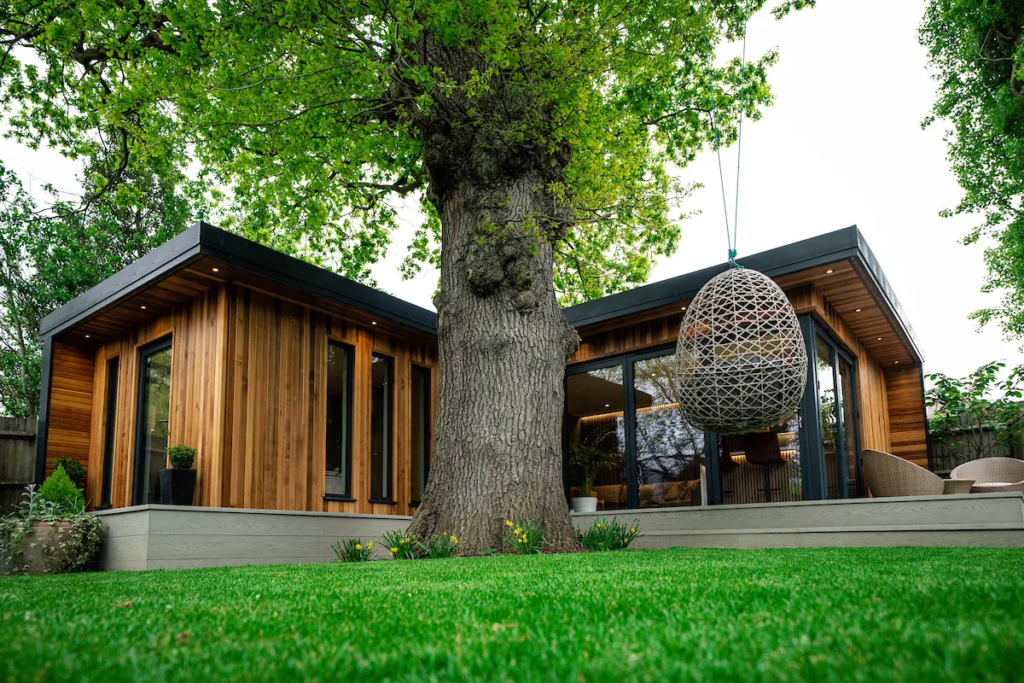
- Choose Easy Plants
Start with plants that match your weather, sunlight, and schedule. Herbs, snake plants, pothos, marigolds, lavender, and succulents can be good options depending on the space. Easy plants help build confidence because they do not need constant attention.
- Start a Small Container Garden
A container garden is perfect for patios, balconies, and small yards. Use pots with drainage holes and good soil. Start with herbs like basil, mint, or parsley. You can also grow flowers or small vegetables. This keeps gardening simple and fun.
- Clean Patios and Balconies
Before decorating outside, clean the area well. Sweep leaves, wipe railings, wash outdoor furniture, and remove broken items. A clean patio is like a blank page. Once it is clear, you can see what the space really needs.
- Add Outdoor Seating
Even one chair can turn an outdoor corner into a place to relax. Add a small table if space allows. Choose weather-friendly materials and cushions that can be stored easily. Outdoor seating makes the space feel planned rather than forgotten.
- Use Lights for a Cozy Look
String lights, solar lights, lanterns, and small pathway lights can make outdoor areas feel warm. Lighting also helps define the space at night. A few soft lights can turn a plain balcony into a calm evening retreat.
Budget-Friendly Home Improvement Tips
Budget home improvement is not about buying the cheapest thing. It is about spending money where it matters most. Start with cleaning, organizing, repairing, and reusing. Then choose small upgrades that have strong impact. This approach works for home renovation ideas, décor updates, and simple repairs.
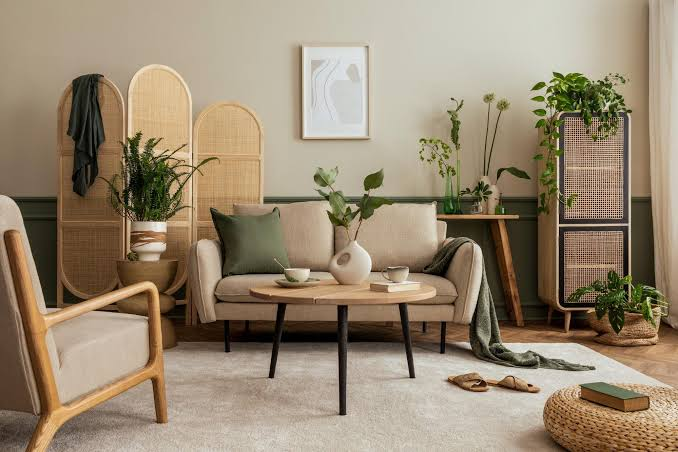
- Reuse What You Already Own
Before shopping, look around your home. A chair from the bedroom may work in the living room. A basket from the closet may organize the bathroom. A lamp from one corner may solve a lighting problem elsewhere. Reusing saves money and reduces waste.
- Shop Secondhand
Secondhand shopping can uncover solid furniture, mirrors, lamps, frames, and baskets. Check items carefully before buying. Look for strong frames, real wood, and pieces that only need small updates. This is a smart path for a budget room makeover.
- Compare Prices Before Buying
Prices can vary a lot between stores. Compare online and local options before buying paint, hardware, lights, rugs, or storage items. Also, read reviews. A low price is not helpful if the item breaks quickly.
- Focus on High-Impact Changes
Some updates change a room more than others. Lighting, paint, curtains, rugs, cabinet hardware, and storage often create strong results. Focus on these before spending on trendy décor. Small changes can act like a fresh haircut for your room.
- Avoid Trendy Overspending
Trends can be fun, but they change fast. Use trendy colors or patterns in small items like pillows, art, or vases. Keep bigger pieces simple. This way, your home can change over time without needing a full makeover every year.
Home Maintenance Advice for Everyday Problems
Home maintenance may not sound exciting, but it protects your comfort and money. A beautiful room will not feel good if the sink leaks, the drain smells, or the smoke alarm does not work. Basic maintenance keeps your home safe, clean, and easier to manage.
- Check Leaks Early
Look under sinks, around toilets, near appliances, and by windows. Small leaks can damage cabinets, floors, and walls. If you see water stains, musty smells, or soft spots, act quickly. Early attention can prevent expensive repairs later.
- Clean Drains Often
Drains need regular care. Hair, soap, grease, and food bits can build up slowly. Use drain covers and avoid pouring grease down the sink. If water starts draining slowly, this guide on how to unclog a drain can help with simple next steps.
- Replace Worn Seals
Old seals around sinks, tubs, windows, and doors can cause water damage or drafts. If caulk is cracked or peeling, replace it. Fresh caulk can make a bathroom or kitchen look cleaner while also protecting the surface.
- Test Smoke Alarms
Smoke alarms are easy to forget, but they are very important. Test them monthly and replace batteries when needed. Also, check carbon monoxide alarms if you have them. This simple habit can protect your home and family.
- Keep a Simple Repair Kit
A repair kit should include basic tools, extra batteries, tape, screws, wall anchors, a small level, gloves, and a flashlight. Keep it in one easy-to-reach place. When problems happen, you will not waste time searching for supplies.
Common Home Advice Mistakes to Avoid
Even simple projects can go wrong when you rush. The biggest mistakes usually come from poor planning, wrong measurements, or buying things before understanding the room. Smart decadgarden home advice helps you slow down, plan clearly, and make choices that fit real life.
- Starting Too Many Projects
Starting many projects feels exciting at first. However, half-finished projects can make your home stressful. Finish one area before moving to another. This builds momentum and keeps your space livable during the process.
- Buying Décor Without Measuring
Always measure before buying rugs, curtains, shelves, tables, and sofas. A piece that looks perfect online may be too large or too small at home. Keep room measurements on your phone so you can check them while shopping.
- Ignoring Storage Needs
A room can look nice for one day but fail if it has no storage. Think about what needs to live in each room. Then choose baskets, drawers, shelves, cabinets, or hooks that support those items. Function should guide style.
- Choosing Style Over Function
A beautiful chair that hurts your back is not a good choice. A trendy table that blocks movement will become annoying. Choose items that look good and work well. Your home should support your life, not fight it.
- Skipping Basic Maintenance
Décor cannot cover maintenance problems for long. A fresh rug will not fix damp floors. New paint will not solve a leak. Handle repairs first, then decorate. This order saves money and creates better results.
Home Advice DecadGarden Checklist
A checklist makes home improvement feel less overwhelming. Instead of wondering where to begin, follow a simple path: choose one room, set a budget, clear clutter, fix problems, and add one style upgrade. This keeps every project focused and realistic.
- Pick One Room
Choose the room that affects your daily life most. It may be the kitchen, bedroom, living room, or bathroom. Do not start with the hardest room unless you are ready. A small success can give you energy for bigger updates.
- Set a Budget
Write down your spending limit before shopping. Include supplies, tools, décor, and any repair items. Leave a little extra for surprises. A clear budget protects you from impulse buys and helps you make better choices.
- Remove Clutter
Clutter hides the real potential of a room. Remove trash, donate unused items, and store things properly. Once the space is clear, you may notice that you need fewer new items than you thought.
- Fix Small Problems
Repair loose handles, clean marks, tighten screws, replace bulbs, and fix small cracks or gaps. These basic tasks create a clean foundation. Home improvement works best when the room is healthy before it becomes stylish.
- Add One Style Upgrade
Finish with one visible style upgrade. Add curtains, a rug, art, plants, new hardware, or better lighting. One thoughtful change can make the whole room feel refreshed. This is the simplest way to use decadgarden home tips without overspending.
Conclusion
Home advice DecadGarden is not about creating a perfect magazine home. It is about making your real home easier, warmer, cleaner, and more useful. Start small, spend wisely, and focus on changes that improve daily life. Whether you want DIY home improvement, kitchen organization ideas, small kitchen ideas, or simple room updates, one smart project at a time can completely change how your home feels.
Frequently Asked Questions
Home advice DecadGarden means simple, practical guidance for improving your home. It can include décor, DIY projects, kitchen fixes, garden ideas, storage tips, and basic maintenance. The focus is on realistic updates that make your home more comfortable, useful, and attractive without requiring a huge budget.
The easiest update is decluttering and improving lighting. First, remove items you do not use. Then add warm lamps, brighter bulbs, or better window coverings. These changes are simple, affordable, and quick. They also make other home decor ideas easier to see and plan.
Start with cleaning, organizing, and repairing what you already have. Then add low-cost upgrades like new cabinet knobs, pillow covers, wall art, plants, peel-and-stick tiles, or storage baskets. Budget home improvement works best when you focus on changes that solve real problems.
Safe renter-friendly projects often include peel-and-stick wallpaper, removable hooks, plug-in lighting, area rugs, curtains, furniture painting, and temporary backsplash tiles. Always check your lease first. Also, avoid permanent changes unless your landlord gives clear permission.
Use light colors, mirrors, simple furniture, and smart storage. Keep the floor as clear as possible and use vertical space with shelves or hooks. Small room decorating ideas work best when every item has a purpose. Less clutter makes the room feel bigger.
The best beginner garden ideas include container plants, herbs, easy flowers, and low-maintenance greenery. Start with a few pots instead of a large garden bed. Choose plants that match your sunlight and climate. Also, water them regularly but avoid overwatering.
Do small checks monthly. Test smoke alarms, check drains, look for leaks, clean filters, and inspect seals. Seasonal checks are also helpful for windows, outdoor areas, heating, cooling, and gutters. Regular maintenance prevents many expensive problems.
Lighting, soft textiles, better storage, clean surfaces, and comfortable seating add the most comfort. In bedrooms, better bedding helps. In kitchens, clearer counters help. In living rooms, good seating and warm lighting matter most. Comfort often comes from simple, thoughtful changes.