
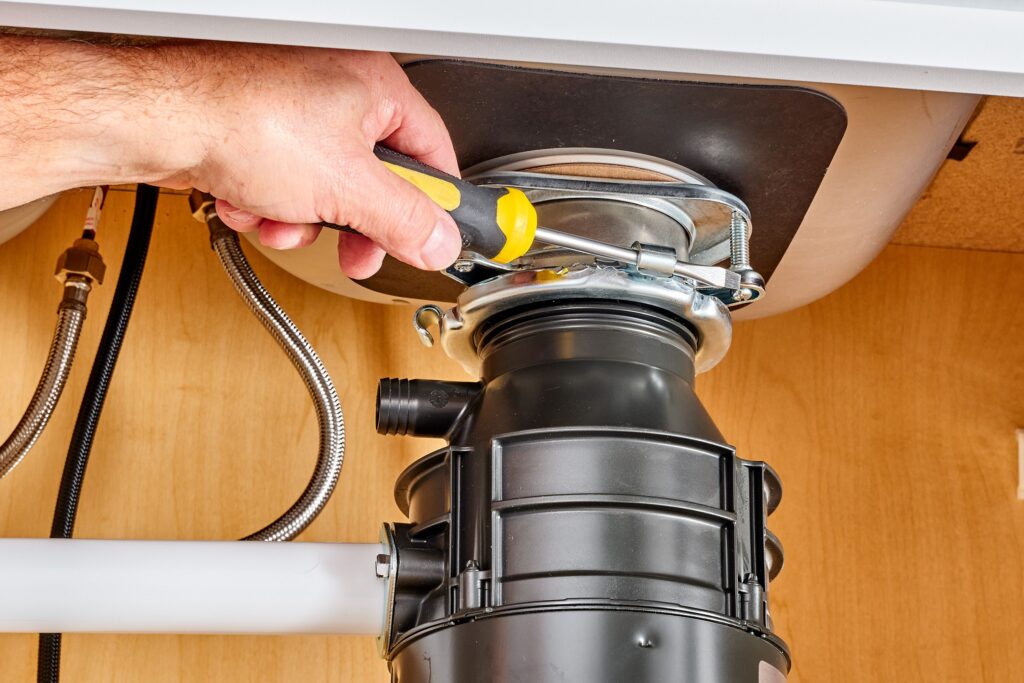

Garbage disposal repair can feel stressful when your sink suddenly smells bad, drains slowly, leaks, or stops working right before dinner cleanup. However, many common problems have simple causes. With a calm approach, basic tools, and safe steps, you can often find the issue and decide what to do next.
What Is Garbage Disposal Repair?
Garbage disposal repair means finding and fixing problems inside or around the food waste unit under your kitchen sink. It may include clearing a jam, pressing the reset button, tightening a loose pipe, cleaning away odor, or replacing a worn seal. In some cases, kitchen garbage disposal repair also means calling a plumber for electrical trouble, major leaks, or motor failure. Think of the disposal like a small kitchen helper. When it gets overloaded, clogged, or tired, it needs attention before it can work smoothly again.
Why Garbage Disposal Problems Happen?
Most garbage disposal problems happen because the unit handles more than it should. Food scraps, grease, coffee grounds, rice, pasta, fruit pits, and fibrous peels can collect inside the grinding chamber or drain line. Over time, this buildup works like mud in a narrow path. Water slows down, odors rise, and the motor works harder. Sometimes a garbage disposal stopped working because the reset button tripped after overheating. Other times, a broken garbage disposal may have worn seals, loose plumbing, or an aging motor that no longer runs well.
Common Signs Your Garbage Disposal Needs Repair
A disposal usually gives warning signs before it fails. You may hear odd sounds, notice smells, see water under the cabinet, or deal with slow draining. These clues help you choose the right garbage disposal troubleshooting step instead of guessing. Pay attention early, because a small garbage disposal fix can prevent a bigger sink disposal repair later.
- Strange noises
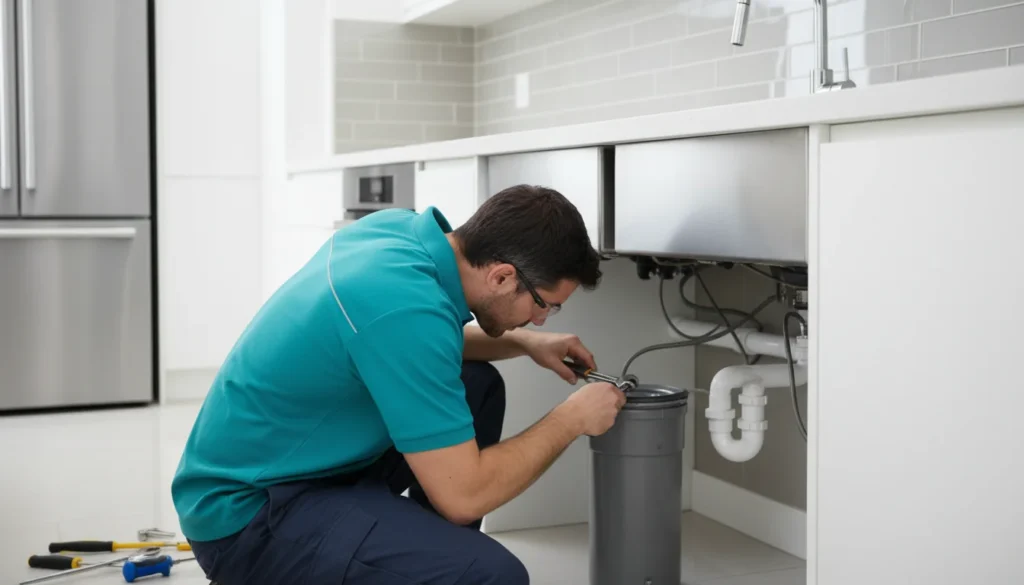
If your garbage disposal making noise sounds like rattling, grinding, scraping, or metal clanking, something may be stuck inside. A spoon, bottle cap, small bone, or hard food piece can bounce around like a pebble in a blender. Turn the unit off before checking anything.
- Bad smells
Bad smells often come from trapped food under the splash guard or inside the chamber. Even tiny scraps can rot and smell like an old trash bag. Cleaning the rubber flap and grinding chamber can freshen the sink area fast.
- Slow draining
Slow draining often means food waste is stuck in the disposal, drain pipe, or P-trap. If the water rises in the sink, your issue may connect to a kitchen sink clogged problem. Fixing the disposal may also help the drain move better.
- Leaks under the sink
A garbage disposal leaking under the sink may come from the top flange, side dishwasher hose, drain pipe, or bottom of the unit. Place a towel down and use a flashlight. Finding the leak source matters before you tighten or replace anything.
- Disposal will not turn on
When a garbage disposal won’t turn on, the cause may be simple. The switch may be off, the plug may be loose, the reset button may have tripped, or the circuit breaker may need attention. If power checks do not help, stop and call a pro.
- Frequent clogs
A clogged garbage disposal that keeps returning usually points to food habits, dull grinding parts, poor water flow, or a deeper drain issue. If clogs happen weekly, do not keep forcing the unit. Repeated clogs can stress the motor and plumbing.
Garbage Disposal Safety Tips Before You Start
Before any waste disposal unit repair, safety comes first. A disposal may look small, but it has a strong motor and moving parts. Treat it like a power tool under your sink. Never rush. A safe repair starts by cutting power, using tools instead of fingers, and knowing when the job is beyond DIY.
- Turn off the power
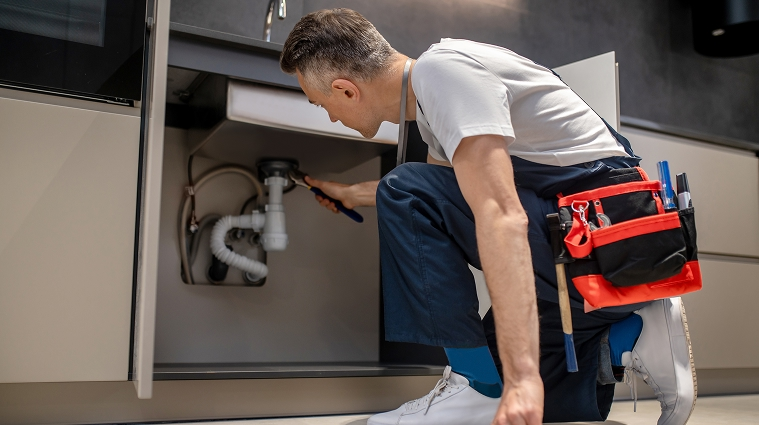
Always turn off the disposal switch before inspecting it. For extra safety, unplug the unit under the sink or switch off the breaker. This step protects you from accidental starts. A quiet disposal can still be dangerous if power reaches it.
- Avoid putting hands inside
Never place your hand inside the disposal chamber. Use tongs, pliers, or a wooden spoon handle to remove visible debris. The inside may have sharp edges, trapped objects, or moving parts. Fingers are not repair tools.
- Use the right tools
A flashlight, Allen wrench, pliers, bucket, and towel can handle many basic jobs. The Allen wrench is especially useful for learning how to unjam garbage disposal units from the bottom. Using the right tool keeps the work cleaner and safer.
- Know when to stop
Stop if you smell burning, see sparks, feel unsure about wiring, or cannot move the jam with light pressure. Also stop if water leaks from the bottom or reset button area. Those signs often need professional garbage disposal service.
Tools You May Need for Garbage Disposal Repair
Most small repairs do not require a full toolbox. In fact, simple tools often solve simple problems. Keep them in a small under-sink bin so they are ready when the disposal acts up. This saves time and keeps your kitchen from turning into a messy repair zone.
- Flashlight
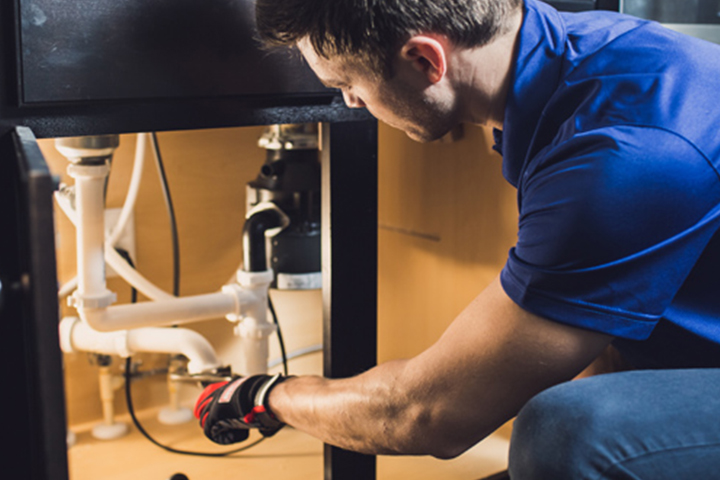
A flashlight helps you inspect the disposal opening, pipes, reset button, and cabinet floor. Under-sink spaces are dark, and shadows can hide leaks. A small rechargeable flashlight works well because you can hold it with one hand.
- Allen wrench
Many disposals have a hex-shaped hole on the bottom. An Allen wrench fits that hole and lets you move the internal plate manually. This is one of the most common tools for how to fix garbage disposal humming or jammed issues.
- Pliers
Pliers help remove visible objects without using your hands. Needle-nose pliers work best for small items like plastic bits, bones, or metal pieces. Always confirm the power is off before placing any tool inside the opening.
- Bucket
A bucket catches water when you loosen a pipe or inspect a leak. It also protects your cabinet from water damage. Place it under the drain line before opening connections, especially during food waste disposal repair.
- Cleaning brush
A small brush helps scrub the splash guard and disposal rim. Food grime often hides under the rubber flap. A bottle brush or old dish brush can remove the buildup that causes bad smells.
- Towels or rags
Towels soak up drips, protect the cabinet floor, and help you grip wet parts. Keep a few old rags nearby. They are not fancy, but they make kitchen sink disposal repair much less frustrating.
How to Fix a Garbage Disposal That Will Not Turn On?
When your garbage disposal not working issue starts with silence, do not assume the motor is dead. Many units shut down to protect themselves. The answer may be a switch, outlet, reset button, or breaker. Work through these steps slowly before you pay for a repair call.
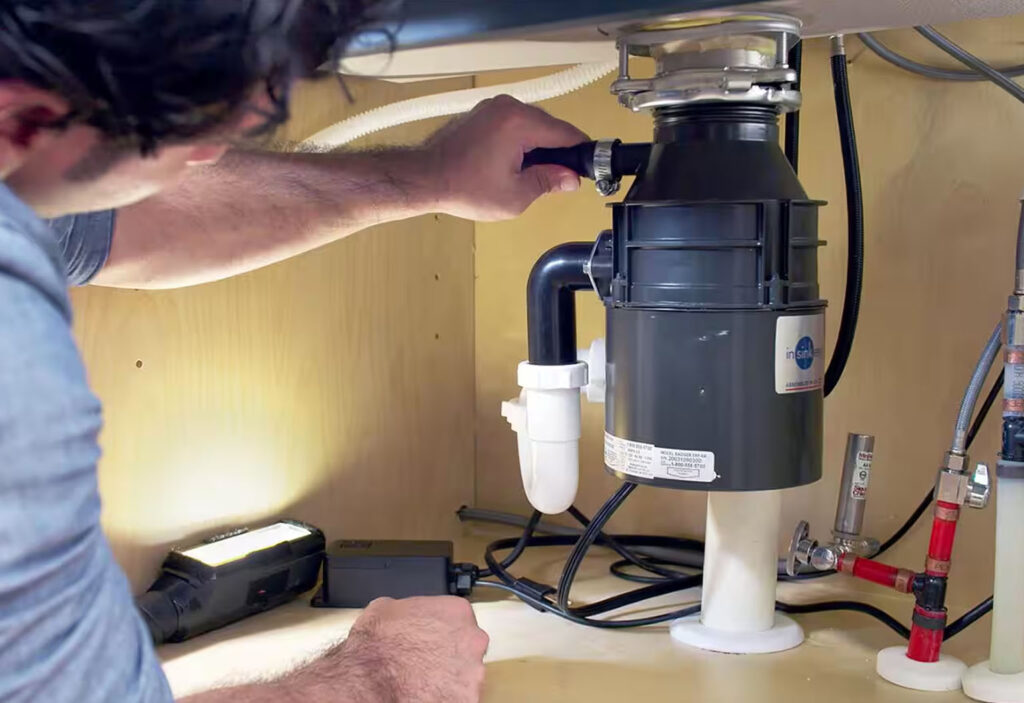
- Check the power switch
First, make sure the wall switch is fully on. Sometimes a switch gets bumped or feels loose. If your disposal uses an air switch on the countertop, press it firmly. A worn switch may need replacement by a qualified person.
- Press the reset button
Look for the small red or black reset button on the bottom of the disposal. Press it once, then wait a moment. Many people searching how to reset garbage disposal simply need this step after the motor overheats or jams.
- Inspect the outlet
If the disposal plugs into an outlet, check that the plug sits firmly. Some under-sink outlets connect to a GFCI outlet nearby. Press the GFCI reset button if it has tripped. Do not touch wet outlets.
- Check the circuit breaker
Go to your breaker panel and check for a tripped breaker. Flip it fully off, then back on if needed. If it trips again right away, stop. Repeated breaker trips can point to wiring, motor, or overload problems.
- Call a professional if needed
If the disposal still stays silent, you may need electrical help, garbage disposal motor replacement, or full replacement. Do not keep pressing buttons. A licensed plumber or electrician can test the unit safely.
How to Fix a Jammed Garbage Disposal?
A garbage disposal jammed problem often sounds like humming without spinning. The motor wants to turn, but something blocks the plate. It is like trying to ride a bike with a stick caught in the wheel. Many jams are easy to clear, but only if you work safely. Common DIY guidance includes disconnecting power, using an Allen wrench from below, and pressing reset after the jam clears.
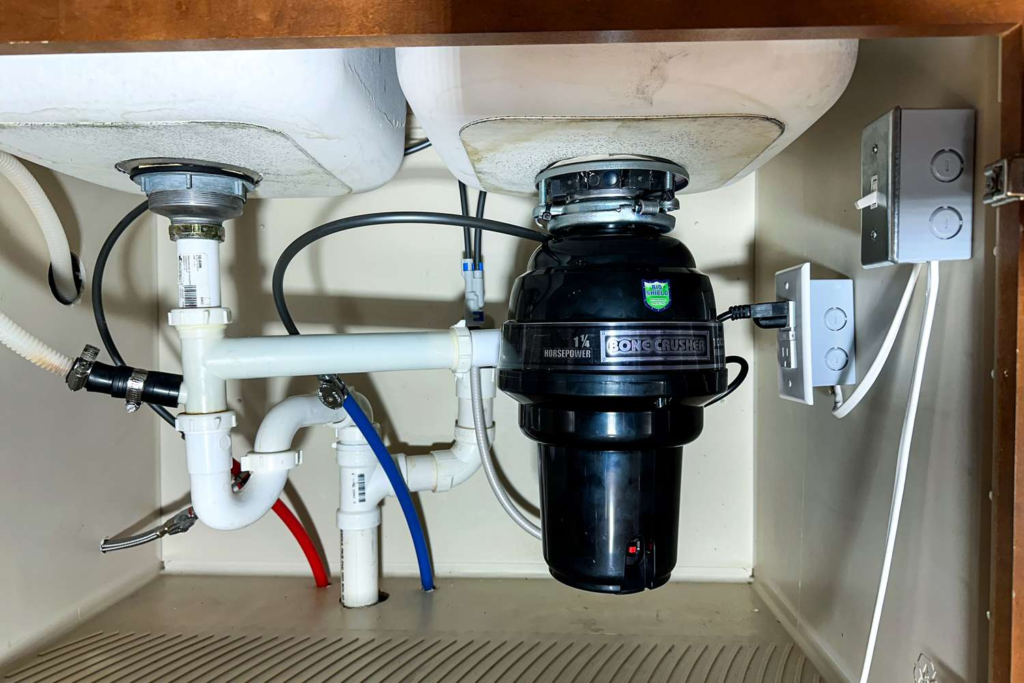
- Turn off the disposal
Turn off the wall switch and unplug the disposal if you can reach the plug. This step is not optional. A jammed unit can start suddenly once the blockage moves. Safety matters more than speed.
- Use an Allen wrench
Insert the Allen wrench into the bottom center hole of the disposal. Turn it back and forth gently. This movement can free the stuck plate. Do not force it hard. If it will not move, the jam may be severe.
- Remove visible debris safely
Shine a flashlight into the drain opening. Use pliers or tongs to remove anything you can see. This can help with how to unjam garbage disposal problems caused by bones, pits, utensils, or hard food scraps.
- Test the disposal
After clearing the jam, restore power and run cold water. Turn the disposal on briefly. If it spins normally, let it run for a few seconds with water. If it hums again, turn it off quickly.
- Prevent future jams
Feed food scraps slowly and avoid hard or stringy waste. If standing water remains, you may need to unclog kitchen sink lines too. A jam and a drain clog often travel together.
How to Fix a Leaking Garbage Disposal?
A garbage disposal leaking issue can damage the cabinet floor, create smells, and invite mold. Start by drying the area, then run water while watching closely. The leak location tells the story. A top leak, side leak, pipe leak, and bottom leak all mean different things.
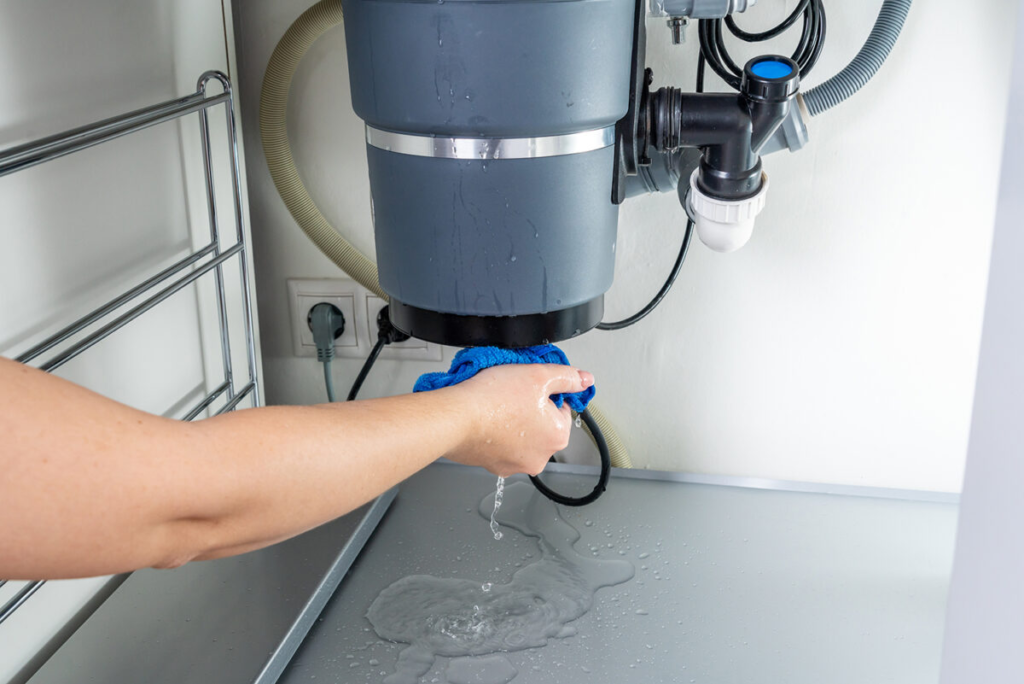
- Find the leak source
Dry the disposal and pipes with a towel. Then run water into the sink and watch with a flashlight. Check the top mounting ring, side hose, drain pipe, bottom shell, and reset button area. This step prevents wasted repairs.
- Tighten loose connections
If water drips from a pipe connection, gently tighten the slip nut or clamp. Do not overtighten plastic parts because they can crack. This repair is similar to checking a leaky faucet—small drips need careful attention.
- Check the sink flange
A leak from the top may come from the sink flange where the disposal meets the sink drain. The plumber’s putty or mounting hardware may have failed. This often requires removing and resealing the disposal.
- Inspect the drain pipe
A side or lower pipe leak may come from a loose drain pipe, cracked washer, or bad gasket. Place a bucket underneath before loosening parts. Replace worn washers if tightening does not stop the leak.
- Replace worn seals
Worn seals can cause leaks near the mounting ring or drain outlet. However, garbage disposal leaking from bottom often means the internal seal failed. Garbage disposal leaking from reset button can also point to internal damage. In those cases, replacement is usually smarter than repair.
How to Clean a Smelly Garbage Disposal?
A smelly disposal can make a beautiful kitchen feel dirty, even when the counters shine. The smell usually comes from trapped food, grease film, or dirty rubber parts. Regular cleaning keeps the sink fresher and can reduce clogs. It also supports the same clean routine you might use during kitchen deep cleaning.
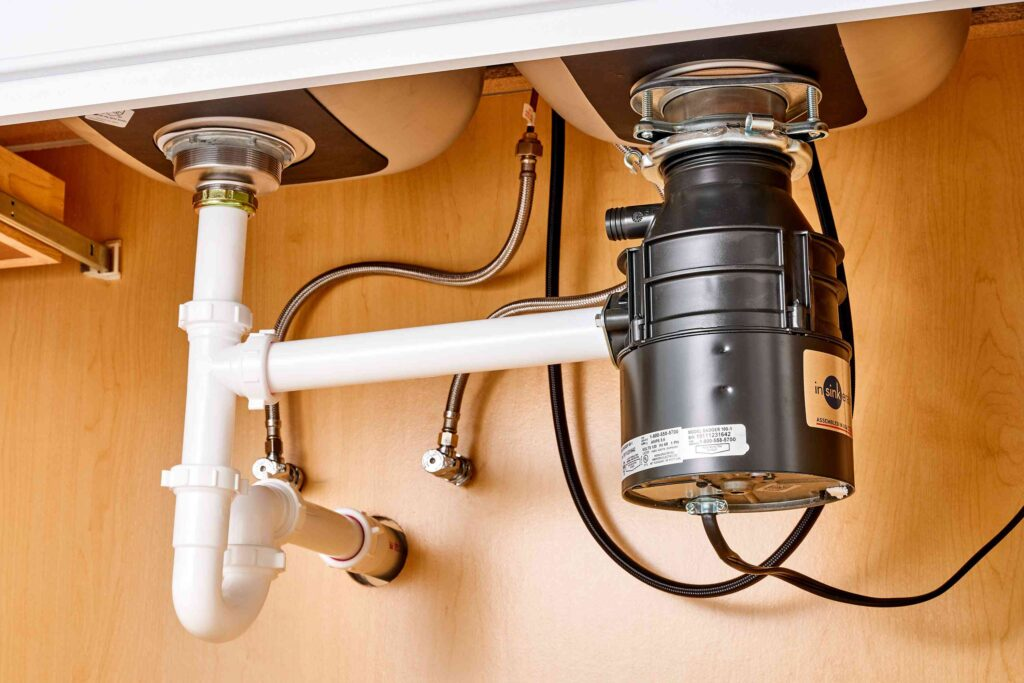
- Use cold water
Run cold water before, during, and after using the disposal. Cold water helps firm up grease so it can move through in small pieces instead of coating the pipes. Keep the water running for several seconds after grinding.
- Clean with baking soda and vinegar
Pour baking soda into the disposal, then add vinegar. Let the fizz work for several minutes. Then rinse with cold water. This simple mix helps loosen grime and freshen the chamber without using harsh chemicals.
- Freshen with citrus peels
Small citrus peels can help the disposal smell fresh. Use only a few small pieces at a time. Citrus does not replace cleaning, but it adds a clean scent after food residue is removed.
- Scrub the splash guard
Lift the rubber splash guard gently and scrub the underside with a brush and dish soap. This area traps slime and food bits. Many odor problems come from this hidden flap, not the motor itself.
- Avoid harsh chemicals
Avoid pouring strong drain cleaners into the disposal. They can harm seals, pipes, and splash guards. They may also create unsafe fumes. If a clog needs chemicals, it is often time to call a plumber instead.
What Not to Put in a Garbage Disposal?
Your disposal is helpful, but it is not a trash can. It works best with small, soft food scraps and plenty of cold water. The wrong items can cause a clogged garbage disposal, jammed plate, bad smell, or drain backup. Good habits are cheaper than repairs.
- Grease and oil
Grease and oil may look liquid when hot, but they cool and stick inside pipes. Over time, they form a thick coating. Wipe greasy pans with a paper towel before washing. This one habit prevents many clogs.
- Coffee grounds
Coffee grounds may seem harmless, but they can collect like wet sand. They often settle in the drain trap and create slow draining. Put grounds in compost or trash instead of the disposal.
- Pasta and rice
Pasta and rice swell with water. Even after cooking, they can expand and create sticky clumps. These foods can turn your drain into a gluey traffic jam. Toss large amounts into the trash.
- Bones and shells
Hard bones, fruit pits, and thick shells can jam or damage the disposal. Some units handle tiny soft bones, but it is not worth the risk. When in doubt, throw hard waste away.
- Fibrous foods
Celery, corn husks, onion skins, asparagus ends, and artichoke leaves have stringy fibers. These fibers wrap around moving parts like thread around a spool. Cut them small or place them in the trash.
- Paint or chemicals
Never pour paint, solvents, or strong chemicals into the disposal. They can damage plumbing and may be unsafe for local water systems. Food waste disposal repair should never involve non-food products.
DIY Garbage Disposal Repair vs. Professional Help
Some repairs are easy and low risk. Others involve plumbing, wiring, seals, or motor failure. The goal is not to prove you can fix everything. The goal is to make a smart choice. DIY is great for simple issues, but professional help protects your home when the problem gets serious.
- Simple repairs homeowners can try
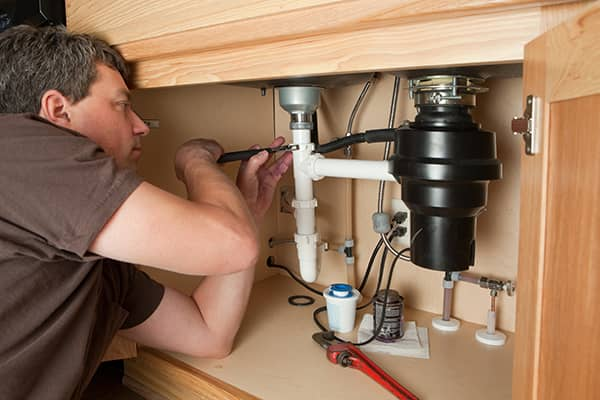
You can often reset the disposal, clear a small jam, remove visible debris with pliers, clean odors, and tighten a minor pipe connection. These simple repairs take patience more than skill. Always turn off power first.
- Problems that need a plumber
Call a plumber for major leaks, repeated clogs, electrical trouble, burning smells, or a unit that leaks from the bottom. Also call for garbage disposal installation if you are not comfortable with plumbing connections or wiring.
- Cost differences
DIY repairs may cost little if you already own basic tools. Professional garbage disposal service costs more, but it saves time and reduces risk. As of 2026, common repair ranges often fall around $100 to $450, with many typical repairs near $150 to $250.
- Safety concerns
Electrical and water problems are a risky mix. If you see sparks, smell burning, or find water near an outlet, stop. A small repair is not worth injury or cabinet damage. Safety should guide every choice.
How Much Does Garbage Disposal Repair Cost?
The cost to repair garbage disposal problems depends on the issue, parts, labor, and your location. A reset may cost nothing. A jam may be simple. A leak, motor issue, or wiring problem costs more. Prices also vary by service call fees and local labor rates.
- Basic repair costs
Basic repairs usually include clearing a jam, resetting the unit, tightening a loose connection, or fixing a minor leak. Modernize lists typical 2026 garbage disposal repair costs from $100 to $450, while Angi reports an average around $230.
- Replacement part costs
Small parts like gaskets, splash guards, drain washers, and mounting hardware usually cost less than major components. However, labor can cost more than the part. If several parts fail at once, replacement may make better sense.
- Labor costs
Labor often includes a service visit, diagnosis, repair time, and cleanup. Angi notes that professional labor and service calls can add about $150 to $300, depending on the job and location.
- When replacement is cheaper
Replacement can be cheaper when the motor fails, the unit leaks from the bottom, or the disposal is old. Homewyse estimates a basic replacement cost of about $570 to $673 per disposal in May 2026, while Angi lists professional replacement around $200 to $625.
Garbage Disposal Repair or Replacement: Which Is Better?
Choosing to repair or replace garbage disposal units depends on age, condition, repair cost, and your kitchen plans. A small fix on a newer unit makes sense. A major repair on an old unit may waste money. Think of it like patching old shoes. One small patch is fine, but constant patches mean it is time for new shoes.
- Age of the unit
Many garbage disposals last around 8 to 12 years, depending on use and care. Some guides place the range around 8 to 10 years, while others note up to 12 years with proper maintenance.
- Repair history
If this is the first repair, fixing the unit may be worth it. If you have already paid for jams, leaks, clogs, and reset problems, replacement may save money. Frequent issues are signs of a tired disposal.
- Motor condition
A humming motor may only mean a jam. However, a dead motor, burning smell, or repeated overheating can mean the motor is failing. Garbage disposal motor replacement is not always cost-effective for older units.
- Kitchen upgrade plans
If you plan to refresh your sink, faucet, cabinet, or countertop soon, replacement may fit the project. A new disposal can support a cleaner under-sink setup and better kitchen organization.
- Budget needs
If money is tight, try safe basic troubleshooting first. Resetting, cleaning, and clearing a small jam may solve the problem. However, do not spend half the price of a new unit on a disposal that is already near the end of its life.
Budget-Friendly Tips to Extend Disposal Life
A disposal lasts longer when you treat it gently. You do not need expensive products or complex routines. A few small habits can protect the motor, reduce smells, and prevent clogs. The best repair is the one you avoid.
- Run cold water
Always run cold water while using the disposal. Keep it running for several seconds after the grinding stops. This helps flush food particles through the drain and keeps grease from spreading as a sticky film.
- Grind small amounts
Feed food waste in small batches. Large piles overload the unit and create jams. Think of the disposal like a paper shredder. A few pages work fine, but a thick stack causes trouble.
- Clean it weekly
Clean the splash guard and chamber once a week if you cook often. Baking soda, vinegar, dish soap, and a brush handle most odors. Weekly cleaning keeps food buildup from turning into a bigger problem.
- Avoid hard waste
Avoid fruit pits, bones, shells, and other hard waste. Even if the disposal handles them once, they can wear the grinding parts over time. Small choices protect the motor.
- Use it regularly
Run the disposal regularly so parts do not sit unused for long periods. A quick rinse and short run can help prevent rust, stuck parts, and odor buildup. Regular use keeps the unit moving smoothly.
Kitchen Organization Tips Around the Sink Area
A clean under-sink area makes repairs easier. When the cabinet is crowded, one small leak can hide for days. Good organization also helps renters and homeowners protect cabinets, store supplies safely, and keep the kitchen looking calm.
- Keep repair tools nearby
Store a flashlight, Allen wrench, pliers, and towels in a small labeled bin. When the garbage disposal stopped working, you will not need to search drawers. Keep tools dry and away from cleaning liquids.
- Store cleaners safely
Place cleaning products in a stable bin or caddy. Keep harsh chemicals away from pipes, cords, and children. Use gentle cleaners for regular disposal care. A safe cabinet is part of a safe kitchen.
- Use under-sink bins
Under-sink bins keep sponges, dish tablets, trash bags, and repair tools separated. Clear bins work well because you can see what you have. This also prevents clutter from pressing against pipes.
- Protect the cabinet floor
Use a waterproof liner or tray under the sink. It catches drips before they damage wood. If your garbage disposal leaking issue starts slowly, a liner can give you time to notice and act.
- Reduce food waste mess
Keep a small compost bowl or trash container near the prep area. This makes it easier to toss coffee grounds, grease-soaked scraps, and fibrous peels before they reach the disposal. Less mess means fewer repairs.
Best Garbage Disposal Features for Homeowners and Renters
If you need replacement, look for features that make daily use easier. A disposal does not need to be fancy to work well. The best choice fits your sink, habits, budget, and noise needs. Good features can also reduce future sink disposal repair headaches.
- Quiet motor
A quiet motor makes cleanup more pleasant, especially in open kitchens. Noise insulation and better build quality can reduce grinding sound. If your old disposal sounded like a toolbox falling down stairs, quiet operation may feel like a luxury.
- Easy reset button
Choose a unit with a reset button that is easy to reach. Since many garbage disposal troubleshooting steps involve resetting, good button placement matters. You should not need to twist your arm into the cabinet to find it.
- Compact size
A compact disposal leaves more room under the sink for bins, cleaners, and plumbing access. This helps in apartments, small kitchens, and cabinets with pull-out organizers. Measure before buying.
- Rust-resistant parts
Stainless steel or rust-resistant grinding parts can help the unit last longer. This matters if you cook often or use the disposal daily. Strong parts can reduce wear, odor, and future repairs.
- Good warranty
A good warranty adds peace of mind. Check what it covers, how long it lasts, and whether in-home service is included. A cheaper unit with a weak warranty may cost more later.
When to Call a Plumber for Garbage Disposal Repair?
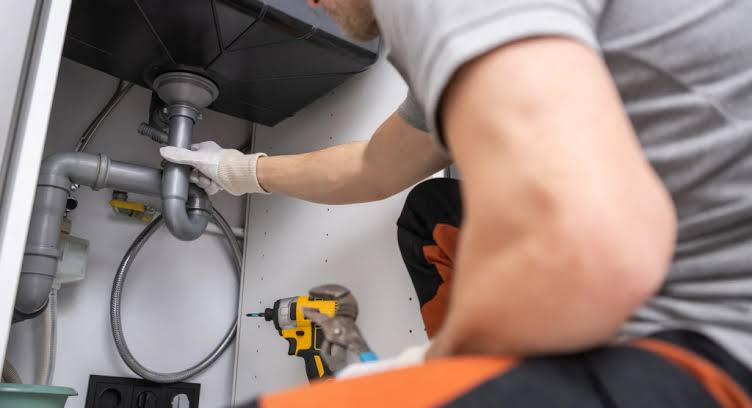
DIY helps with simple problems, but some signs mean you need help. A plumber can inspect the disposal, drain line, trap, mounting assembly, and leaks. Search terms like garbage disposal repair near me can help you find local help, but choose a licensed and well-reviewed professional.
- Electrical problems
Call a pro if the unit trips breakers, sparks, shocks, or smells like burning. Electrical problems under a sink are serious because water may be nearby. Do not test wiring unless you are trained.
- Major leaks
Major leaks can damage cabinets, flooring, and walls. Call a plumber if water pours out, leaks from the bottom, or returns after tightening connections. Internal leaks often mean replacement.
- Repeated clogs
Repeated clogs may come from deeper drain problems beyond the disposal. If both sides of the sink back up or water returns after clearing, you may need broader drain help. A guide on how to unclog a drain can help you understand the issue before calling.
- Burning smell
A burning smell may mean the motor is overheating or failing. Turn the unit off right away. Do not keep trying the switch. A burning smell is your disposal waving a red flag.
- Full replacement needs
Call for full replacement if the unit is old, cracked, leaking internally, or no longer worth repairing. Professional garbage disposal installation helps ensure proper mounting, drain alignment, dishwasher connection, and safe power setup.
Conclusion
Garbage disposal repair does not have to feel like a mystery. Start with safety, then check the power, reset button, jams, leaks, smells, and clogs one step at a time. Many small problems have simple fixes. However, major leaks, electrical trouble, burning smells, and old failing motors deserve professional help. With smart habits, gentle cleaning, and the right food choices, your disposal can stay useful, quiet, and dependable for years.
Frequently Asked Questions
A humming sound usually means the motor has power, but the grinding plate cannot move. This often happens when a hard item, food piece, or small object jams the disposal. Turn off the power first. Then use an Allen wrench in the bottom hex hole to move the plate back and forth. Remove visible debris with pliers or tongs. After that, press the reset button and test with cold water. This is also the basic answer to how to fix garbage disposal humming safely.
To reset a disposal, turn off the wall switch and wait a moment. Look under the unit for a small reset button, often red or black. Press it firmly once. If it clicks, the unit may have tripped from overheating or a jam. Run cold water, turn the switch on, and test it. If it trips again, stop using it. Repeated resets can point to a jam, wiring issue, or failing motor.
Yes, you can try simple repairs if you follow safety steps. You can reset the unit, clear visible debris, use an Allen wrench for a jam, clean odors, and tighten minor pipe connections. However, call a professional for electrical issues, major leaks, smoke, burning smells, or internal damage. DIY should feel careful and controlled, not risky.
A disposal smells bad when food scraps, grease, and grime collect inside the chamber or under the splash guard. Clean it with baking soda and vinegar, rinse with cold water, and scrub the rubber splash guard with dish soap. You can also grind small citrus peels for freshness. Avoid using harsh drain cleaners because they can damage parts.
Leaks can come from the sink flange, dishwasher hose, drain pipe, mounting ring, or internal seals. A leak from the top often means the flange needs resealing. A side leak may need a tightened hose or new gasket. A garbage disposal leaking from bottom often means internal failure, which usually calls for replacement.
Most garbage disposals last around 8 to 12 years with normal use and care. Heavy use, poor cleaning, grease buildup, hard waste, and frequent jams can shorten that life. If your unit is older and needs repeated repairs, replacement may be the better value.
Repair makes sense for small problems on a newer unit, such as a jam, reset issue, loose pipe, or minor odor. Replacement makes more sense when the motor fails, the unit leaks from the bottom, or repair costs get close to the cost to replace garbage disposal units. Age matters too. An older disposal with repeated issues is often not worth saving.
Avoid grease, oil, coffee grounds, pasta, rice, bones, shells, fruit pits, corn husks, celery, onion skins, and large food scraps. These items can clog, jam, or strain the motor. Also never pour paint, chemicals, or harsh cleaners into the disposal.
Clean your disposal once a week if you cook often. Clean it every two weeks if you use it lightly. Scrub the splash guard, rinse with cold water, and freshen with baking soda and vinegar. Regular cleaning prevents odors and helps reduce clogs.
Call a professional when the disposal will not turn on after basic checks, leaks from the bottom, smells like burning, trips the breaker, or clogs again and again. Also call for garbage disposal installation, major plumbing changes, or full replacement. A plumber can diagnose the problem faster and help you avoid water damage.