
Learning how to unclog a kitchen sink can save time, stress, and money when water starts backing up at the worst moment. A blocked kitchen sink may look like a big plumbing problem, but many clogs can be fixed with simple tools, safe methods, and a little patience.
What Causes a Kitchen Sink Clog?
A kitchen sink clog usually forms slowly. Small bits of grease, food, soap, and minerals stick to the inside of the drainpipe. Over time, they build a sticky wall that catches even more debris. That is why a clogged sink often starts as a small delay before it turns into standing water.
Think of your drain like a narrow hallway. Water can move through it easily when the path is clear. But when grease coats the walls and food scraps pile up, the hallway gets tighter. Soon, water has nowhere to go.
A kitchen sink not draining does not always mean the whole plumbing system is damaged. In many cases, the clog sits close to the drain opening, in the P-trap, or a few feet down the pipe. Knowing the cause helps you choose the best fix.
- Grease and Cooking Oil
Grease is one of the biggest reasons for a blocked kitchen sink. It goes down as a warm liquid, but it cools and hardens inside the pipe. Then it acts like glue. Food crumbs, coffee grounds, and soap stick to it. Even small amounts of oil can create a thick layer over time.
- Food Scraps
Food scraps may seem harmless, especially tiny pieces left after washing dishes. However, rice, pasta, eggshells, potato peels, and coffee grounds can clump together. Once they meet grease, they become a heavy paste. This paste can block water flow and create a slow draining sink.
- Soap and Mineral Buildup
Soap residue can mix with minerals in hard water. This creates a chalky, sticky film inside the drain. It may not block the pipe right away, but it narrows the space little by little. As the pipe gets smaller, water drains more slowly after every wash.
- Foreign Objects
Small objects can slip into the kitchen drain by accident. Bottle caps, produce stickers, bits of plastic, twist ties, and small utensils can create trouble. These items do not break down. Instead, they catch food and grease until the sink becomes fully blocked.
Signs Your Kitchen Sink Is Clogged
A kitchen clog usually gives warning signs before the sink stops draining completely. The first sign is often slow water movement. Then you may notice bubbles, bad smells, or dirty water rising into the basin. These signs tell you the drain is struggling.
Do not ignore early symptoms. A slow draining sink is easier to fix than a sink filled with standing water. Small clogs can often be cleared with hot water, baking soda, vinegar, or a kitchen sink plunger. Waiting too long can push the clog deeper into the plumbing line.
- Slow Draining Water
If water takes longer than usual to disappear, the pipe may already be partly blocked. This is often the first clue. The water may still drain, but it moves like traffic on a narrow road. That slow movement means buildup is slowing the flow.
- Standing Water in the Sink
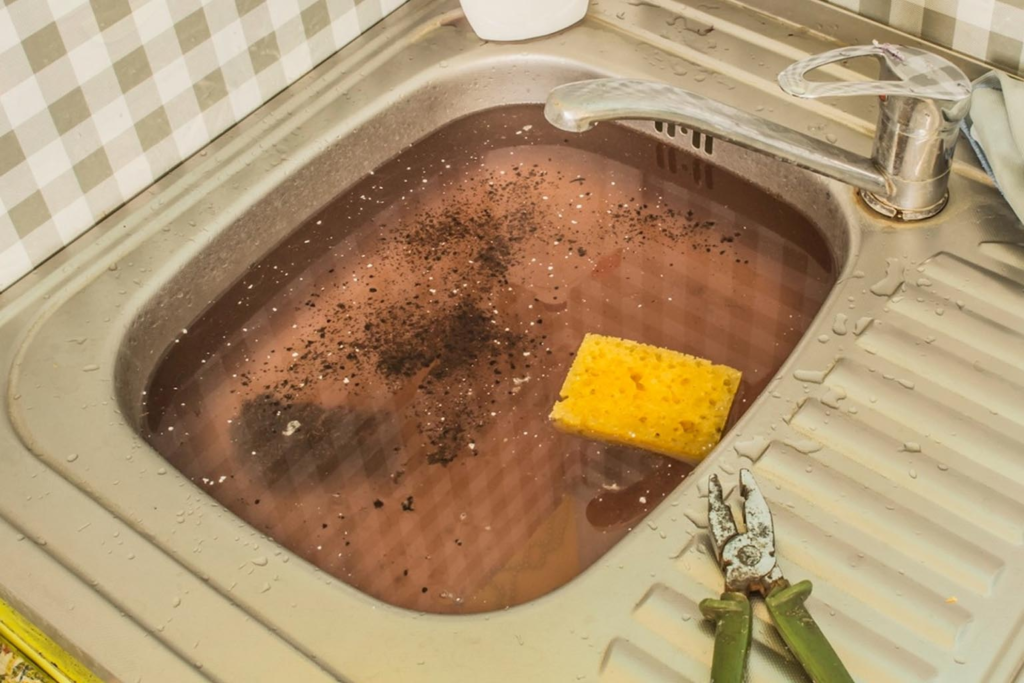
Standing water means the clog is stronger. Water cannot pass through the drain fast enough, or it cannot pass at all. Before using any method, remove as much water as possible with a cup, bowl, or small container. This makes the repair cleaner and easier.
- Bad Smells from the Drain
Bad smells often come from trapped food, grease, or dirty water inside the pipe. When scraps sit too long, they rot and release odor. A smelly kitchen drain is not just unpleasant. It can also be a sign that buildup needs to be removed.
- Gurgling Sounds
Gurgling sounds happen when air gets trapped behind a clog. As water tries to push past the blockage, air bubbles rise and make noise. It may sound like the drain is burping. This usually means the water flow is not smooth.
What to Do Before You Start?
Before you learn how to unclog a kitchen sink step by step, prepare the area. A little setup can prevent mess, protect your home, and keep the job safer. Kitchen plumbing work is not always pretty. Water may splash, dirty debris may come out, and old food can smell bad.
Start by checking what kind of clog you have. Is one side of a double sink blocked? Is there a garbage disposal? Is water backing up into another drain? These details matter because they help you avoid the wrong method.
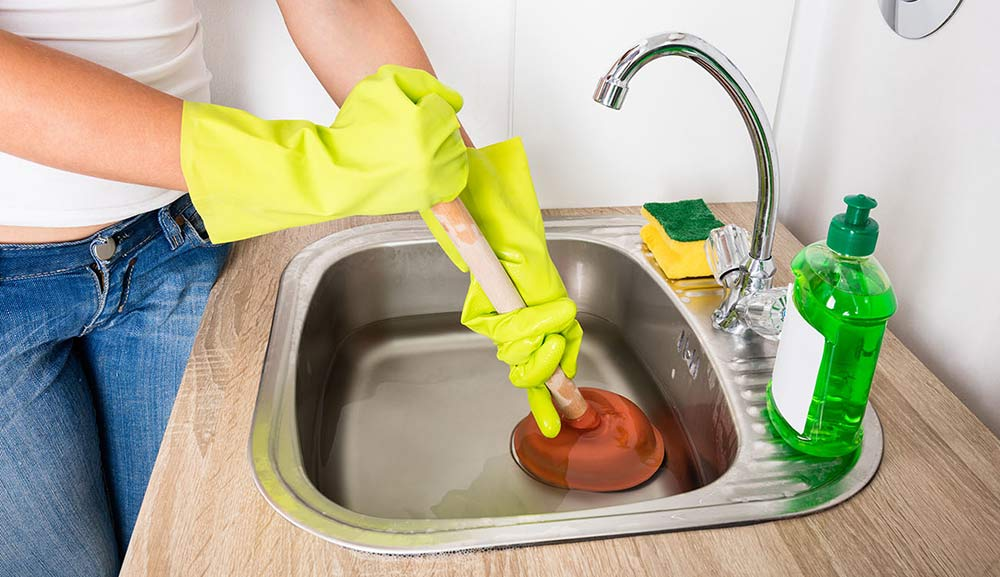
Also, never rush into using strong chemical cleaners. They may seem easy, but they can damage pipes, create fumes, or make the job dangerous if you later open the P-trap.
- Clear the Sink Area
Move dishes, sponges, soap bottles, and small décor away from the sink. Clear the counter so you have room to work. Remove anything stored under the sink too. This gives you space to place a bucket, use tools, and check for leaks.
- Remove Standing Water
If the sink is full, scoop out the water first. Use a cup, small bowl, or container. Pour the dirty water into a toilet or another working drain. Removing water helps you see the drain opening and makes plunging or cleaning much more effective.
- Avoid Mixing Chemicals
Never mix drain cleaners, bleach, vinegar, ammonia, or other cleaning products. Mixed chemicals can create dangerous fumes. Also, if you use a chemical cleaner and it fails, the trapped liquid may sit in the sink or pipe. That makes later work risky.
- Protect Cabinets and Floors
Place old towels under the sink before opening pipes. Set a bucket beneath the P-trap to catch water and debris. Moisture can damage under-sink wood, paint, and finishes. Protecting kitchen cabinets is especially important if you care about keeping the space fresh and stylish.
Tools and Supplies You May Need
You do not need a full plumber’s toolbox to fix many kitchen sink clogs. Most simple clogs can be handled with basic household items. The right tool depends on where the clog is and how stubborn it has become.
For a light clog, hot water, baking soda, and vinegar may help. For a medium clog, a kitchen sink plunger can move trapped debris. For a deeper clog, a drain snake or P-trap cleaning may be needed.
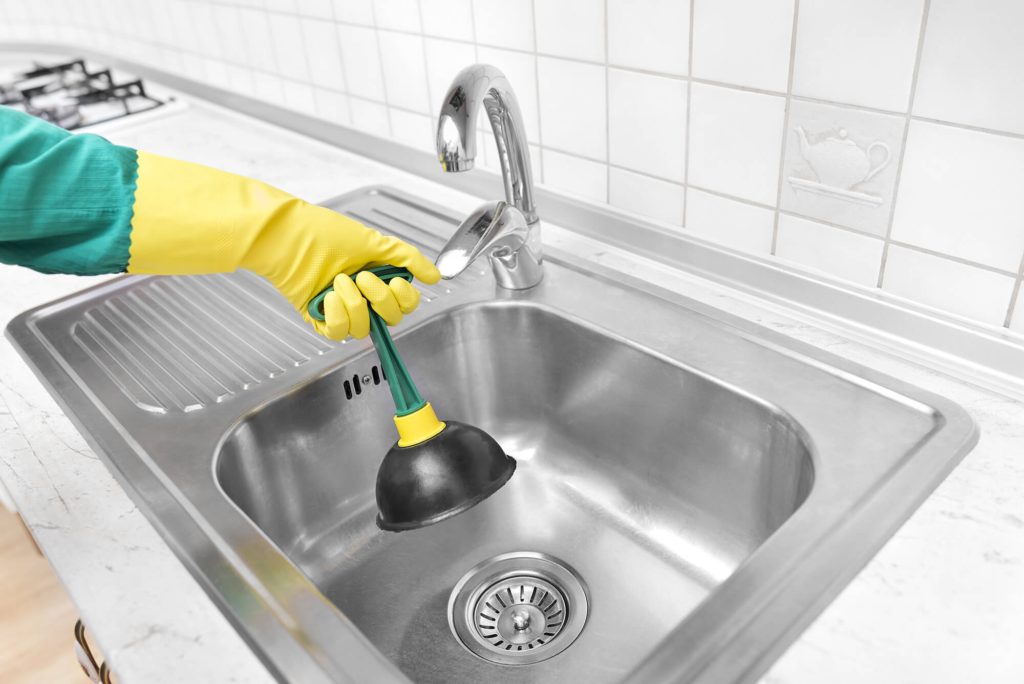
Keep everything nearby before starting. Once your hands are wet or dirty, you do not want to search through cabinets for gloves or a bucket.
- Basic Household Items
You may need baking soda, white vinegar, dish soap, boiling or very hot water, old towels, and a small container. These items are useful for simple clogs and light buildup. They also help clean the drain after the blockage clears.
- Plunger
A plunger is one of the best tools for a blocked kitchen sink. Use a cup-style sink plunger, not a toilet plunger. It should form a tight seal around the drain opening. That seal creates pressure, which helps push and pull the clog loose.
- Drain Snake
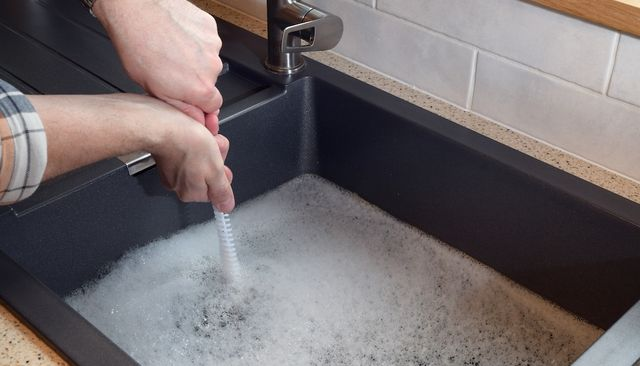
A drain snake, also called a drain auger, reaches deeper into the pipe. It can grab hair-like fibers, food clumps, and soft blockages. Small hand snakes are affordable and easy to store. They work well when plunging does not solve the problem.
- Bucket and Gloves
A bucket is essential if you plan to clean the P-trap. Water and grime may spill out when the pipe is opened. Gloves protect your hands from dirty water, grease, sharp debris, and cleaning products. They also make the job feel less unpleasant.
- Optional Cleaning Products
You may use an enzyme drain cleaner, mild dish soap, or eco-friendly drain cleaner for maintenance. Avoid harsh chemical cleaners when possible. They can be hard on older pipes and may not work well on solid objects or heavy grease clogs.
How to Unclog a Kitchen Sink Step by Step?
The best way to unclog a kitchen sink is to start with the easiest and safest method first. Do not jump straight to harsh chemicals or pipe removal. Begin with hot water, then move to baking soda and vinegar, plunging, P-trap cleaning, and finally a drain snake.
This step-by-step approach saves effort. It also lowers the chance of damage. A light grease clog may clear with hot water. A food clog may need pressure from a kitchen sink plunger. A deeper blockage may need a snake.
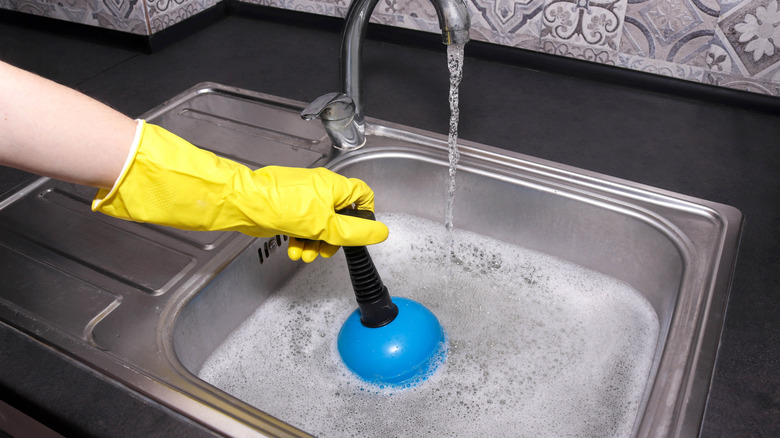
Work slowly and test the drain after each step. If the water starts moving again, flush the drain well to remove leftover debris.
- Try Boiling Water First
Boiling water can help melt soft grease and loosen soap buildup. Heat a kettle or pot of water. Then pour it slowly into the drain in two or three rounds. Give the water a few seconds between each pour so it can work through the clog.
This method works best when the clog is caused by grease, soap, or light food residue. However, be careful with certain sink materials and older plumbing. If your pipes are PVC or you are unsure about the setup, use very hot tap water instead of fully boiling water. Also avoid pouring boiling water directly into a porcelain sink if the surface is very cold, because sudden temperature change may cause cracking.
If the kitchen sink not draining problem improves, follow with more hot water and a little dish soap.
- Use Baking Soda and Vinegar
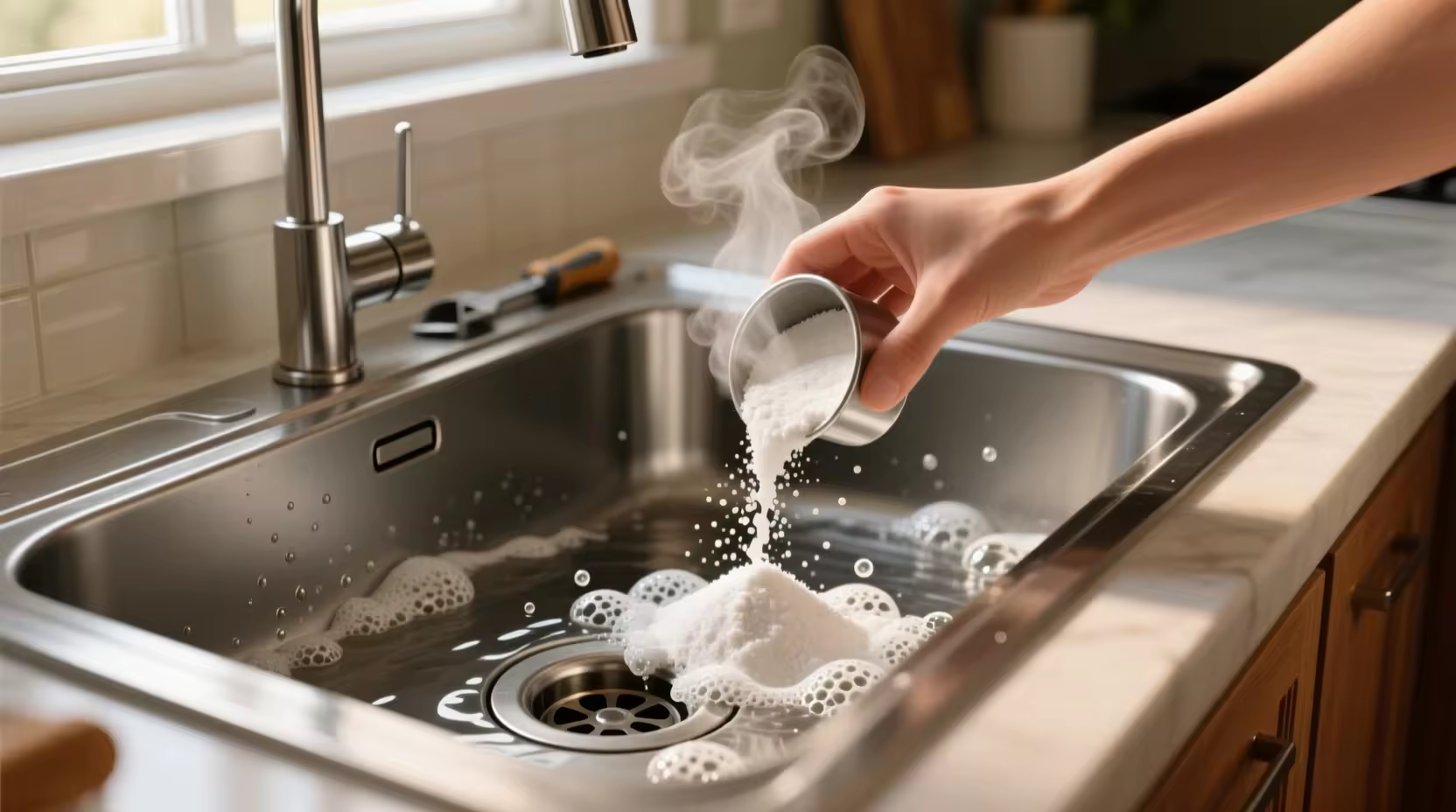
Many people like this method because it helps unclog kitchen sink naturally without harsh chemicals. First, remove standing water. Then pour about one cup of baking soda into the drain. Follow with one cup of white vinegar. The mixture will fizz, like a tiny science project in your sink.
Cover the drain with a stopper or cloth and let it sit for 15 to 30 minutes. The fizzing action can help loosen grime, deodorize the drain, and break up light buildup. After waiting, flush the drain with hot water.
This method is best for mild clogs and bad smells. It may not clear a hard object or a deep grease plug, but it is a safe first step.
- Use a Sink Plunger
A kitchen sink plunger can be very effective when water is stuck in the basin. First, add enough water to cover the rubber cup of the plunger. If you have a double sink, block the other drain with a wet cloth or stopper. This helps pressure move toward the clog instead of escaping.
Place the plunger over the drain and press down firmly to create a seal. Then pump up and down for 20 to 30 seconds. Keep the seal tight. After several pumps, lift the plunger and check if the water drains.
Repeat a few times if needed. If water suddenly rushes down, the clog has likely moved. Flush with hot water afterward to clear loose debris.
- Clean the P-Trap
The P-trap is the curved pipe under the sink. It holds a small amount of water to block sewer gases from entering the kitchen. It also catches food, grease, and small items. Because of that, it is a common place for clogs.
Place a bucket under the P-trap. Put on gloves. Use your hands or slip-joint pliers to loosen the nuts on both ends of the curved pipe. Once loose, remove the trap carefully. Water and debris may fall into the bucket.
Clean the inside of the pipe with a brush, paper towel, or old cloth. Check for food scraps, grease, or objects. Then reinstall the P-trap and tighten the nuts by hand. Run water and check for leaks.
- Use a Drain Snake
If the clog is deeper than the P-trap, a drain snake may help. Insert the snake into the drain or wall pipe after removing the P-trap. Push it forward slowly. When you feel resistance, rotate the handle. This helps the snake hook or break up the clog.
Do not force it too hard. Pipes can be damaged if you push aggressively. Pull the snake back and clean off any debris. Repeat until the snake moves more freely.
After using the snake, reconnect the pipes and flush the drain with hot water. This helps wash away small pieces left behind.
- Flush the Drain with Hot Water
Once the clog clears, flush the drain well. Run hot water for a few minutes. Add a little dish soap if grease was part of the problem. This final rinse helps move loosened buildup out of the pipe instead of letting it settle again.
How to Unclog a Kitchen Sink with a Garbage Disposal?
A sink with a garbage disposal needs extra care. The clog may be inside the disposal, in the drainpipe, or in the P-trap. Before touching anything, safety comes first. A disposal has moving parts, and even when it is off, you should treat it with caution.

If your kitchen sink not draining is connected to a disposal, listen for humming. A hum may mean the disposal is jammed. No sound may mean it needs a reset or has no power. Standing water may mean food is trapped inside or the drain line is blocked.
Never place your hand inside the disposal. Use tools, not fingers.
- Turn Off the Power First
Before checking the disposal, turn it off at the wall switch. For extra safety, unplug it under the sink if possible. If it is hardwired, turn off the breaker. This step matters because a disposal can cause serious injury if it starts unexpectedly.
- Check for Jammed Food
Use a flashlight to look inside the disposal from above. Check for bones, fruit pits, vegetable peels, or other stuck items. Use tongs or pliers to remove anything visible. Never use your hand. Once clear, run cold water and test the disposal briefly.
- Reset the Disposal
Many garbage disposals have a small reset button on the bottom. If the unit overheats or jams, the button may pop out. After turning the power off and clearing visible debris, press the reset button. Then restore power and test it with cold water running.
- Clean the Disposal Safely
To clean the disposal, run cold water and add a small amount of dish soap. You can also grind a few ice cubes to help knock loose soft buildup. Citrus peels may freshen the smell, but use only small pieces. Too much peel can create another clog.
- Know When to Stop
Stop if the disposal hums but does not spin, trips the breaker, leaks, or smells like burning. These signs may point to a jam, motor issue, or wiring problem. At that point, forcing it can make the repair more expensive.
Common Mistakes to Avoid
Fixing a blocked kitchen sink is easier when you avoid the habits that make clogs worse. Many people mean well, but they use too much force, pour the wrong things down the drain, or depend on chemical cleaners too often.
The goal is not just to make water disappear for the moment. The goal is to clear the pipe safely and keep it clear. A quick fix that damages the drain can turn a small clog into a bigger plumbing problem.
Here are the most common mistakes to watch for.
- Pouring Grease Down the Drain
Grease should never go down the sink. Even if you run hot water, it can cool and harden farther down the pipe. Over time, grease builds a sticky trap for food and soap. Pour cooled grease into a container and throw it in the trash instead.
- Using Too Much Chemical Cleaner
Chemical drain cleaners can seem convenient, but they are not always the best choice. They may not dissolve food scraps or solid objects. They can also sit in standing water and become a safety risk. Frequent use may damage some pipes, seals, and finishes.
- Forcing Tools Too Hard
A plunger, snake, or wrench should be used with control. Pushing too hard can loosen joints, crack old pipes, or push a clog deeper. If a tool does not move easily, stop and adjust your approach. Gentle pressure often works better than brute force.
- Ignoring Small Clogs
A slow draining sink is a warning sign. Do not wait until the sink fills with dirty water. Small clogs are easier to clear with natural methods and light cleaning. If you act early, you may avoid taking apart pipes or calling a plumber.
How to Prevent Future Kitchen Sink Clogs?
Once the sink drains again, prevention becomes the real win. A clear drain is like a clean path. It stays open when you stop sending sticky, bulky, or hard-to-break-down items through it.
Good drain habits do not take much time. Use a sink strainer, wipe grease from pans, rinse with hot water, and clean the drain weekly. These simple habits can prevent most clogs.

Regular kitchen cleaning also helps because grease, crumbs, and food scraps are easier to control when the sink area stays fresh. A clean kitchen is not only about looks. It also protects the plumbing.
- Use a Sink Strainer
A sink strainer catches food before it enters the drain. It is cheap, simple, and very effective. Empty it into the trash after washing dishes. Choose one that fits well and is easy to clean, so you will actually use it every day.
- Dispose of Grease Properly
Let grease cool in a can, jar, or reusable grease container. Then throw it away according to your local waste rules. Before washing greasy pans, wipe them with a paper towel. This one habit can prevent many kitchen sink clogs.
- Rinse with Hot Water Often
After washing dishes, run hot water for 30 to 60 seconds. This helps move light grease and soap through the pipe before they settle. For extra cleaning, add a few drops of dish soap and let the hot water carry it down.
- Clean the Drain Weekly
A weekly drain rinse can keep buildup from turning into a clog. Pour hot water down the drain, then use baking soda and vinegar if odors appear. This is a simple way to unclog kitchen sink naturally before a serious blockage forms.
- Be Careful with Food Waste
Do not send rice, pasta, coffee grounds, eggshells, celery, onion skins, potato peels, or large scraps down the drain. Even with a garbage disposal, these items can cause trouble. Scrape plates into the trash before rinsing them in the sink.
Budget-Friendly Products That Help Keep Drains Clear
You do not need expensive gadgets to keep a kitchen sink clear. A few low-cost products can make daily cleanup easier and help prevent clogs. The best products are simple, durable, and easy to store.
Look for items that solve common problems: food scraps, grease storage, pipe buildup, and light clogs. When chosen well, these products can save money by reducing emergency plumbing calls.
They also fit well in a stylish kitchen because many modern options look clean, simple, and compact.
- Sink Strainers
A good sink strainer is one of the cheapest drain protectors you can buy. Stainless steel strainers are popular because they last long and clean easily. Silicone options are flexible and gentle on sink surfaces. Choose one that sits flat and catches small scraps.
- Drain Cleaning Brushes
A drain cleaning brush helps scrub the drain opening and nearby pipe walls. It can remove slime, food residue, and odor-causing buildup. Use it weekly or whenever the drain smells bad. Wash and dry the brush after each use.
- Reusable Grease Containers
A reusable grease container gives cooking oil a safe place to cool. Many have strainers and lids, which keep the kitchen cleaner. Once the grease hardens, you can dispose of it properly. This small product can prevent a major grease clog.
- Eco-Friendly Drain Cleaners
Eco-friendly enzyme drain cleaners can help maintain drains. They use enzymes or bacteria to break down organic matter over time. They are usually best for prevention, not emergency clogs. Follow the label and give them enough time to work.
- Small Drain Snakes
A small plastic or hand-crank drain snake is useful for soft clogs near the sink. It costs less than a service call and takes little storage space. Use it carefully, clean it after use, and keep it away from children and pets.
When to Call a Plumber?
Many kitchen sink clogs are simple DIY jobs. However, some problems need a professional. Calling a plumber at the right time can prevent water damage, pipe damage, and repeated frustration.
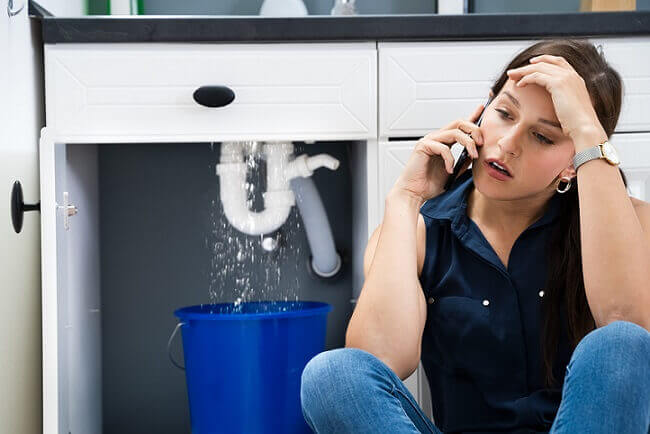
You should also consider help if the sink belongs to a rental, vacation property, or managed home. In those cases, professional cleaning services or maintenance support may be part of keeping the property guest-ready and damage-free.
A plumber can inspect deeper drain lines, vent problems, broken pipes, or main sewer issues. If your DIY steps do not work, do not keep forcing the system.
- The Sink Keeps Clogging
If the same sink clogs again and again, there may be a deeper issue. The pipe may have heavy grease buildup, poor slope, old plumbing, or a blockage farther down the line. Repeated clogs usually need more than surface cleaning.
- Water Backs Up in Other Drains
If water backs up into another sink, tub, or floor drain, the clog may be beyond the kitchen pipe. This can point to a larger drain line problem. Stop using the water and call a plumber before the backup gets worse.
- There Is a Leak Under the Sink
A leak under the sink needs attention right away. Water can damage cabinets, floors, drywall, and stored items. If tightening a loose connection does not stop the leak, call a plumber. Do not ignore dripping pipes after cleaning the P-trap.
- You Smell Sewage
A sewage smell is different from normal food odor. It may mean the P-trap is dry, a vent is blocked, or sewer gas is entering the home. If cleaning does not fix the smell, get professional help. Sewer gas should not be ignored.
Conclusion
Knowing how to unclog a kitchen sink helps you handle one of the most common home problems with confidence. Start with safe methods, use the right tools, and avoid grease, food scraps, and harsh chemical habits. With simple care, your sink can drain smoothly and stay cleaner for longer.
Frequently Asked Questions
The fastest method is often a kitchen sink plunger. Remove standing water until the plunger cup can seal over the drain. Block the second drain if you have a double sink. Plunge firmly for 20 to 30 seconds, then test the water flow.
Yes, boiling water can help with grease and soap buildup. Pour it slowly in stages. However, use caution with PVC pipes, older plumbing, garbage disposals, or cold porcelain sinks. When unsure, use very hot tap water instead of fully boiling water.
Baking soda and vinegar are generally safe for most kitchen drains when used in normal amounts. They can help with smells and light buildup. This method is a good way to unclog kitchen sink naturally, but it may not clear deep or solid blockages.
Your kitchen sink may keep clogging because grease, food scraps, coffee grounds, or soap residue are building up inside the pipe. A repeated slow draining sink may also mean the clog is deeper than the P-trap or the drain line needs professional cleaning.
Yes, grease can clog a kitchen sink very easily. It enters the drain as liquid, then cools and hardens inside the pipe. Once it sticks to the pipe walls, it catches food and debris. Over time, this can create a tough blockage.
Turn off the power first. Look inside with a flashlight and remove visible debris with tongs, never your hand. Press the reset button if needed. Run cold water and test the disposal. If it hums, leaks, or smells burnt, stop and call a professional.
Call a plumber if the sink keeps clogging, water backs up into other drains, sewage smells appear, or there is a leak under the sink. You should also call if plunging, P-trap cleaning, and snaking do not fix the problem.
Use a sink strainer, throw food scraps in the trash, never pour grease down the drain, and rinse with hot water after washing dishes. Clean the drain weekly with hot water, baking soda, and vinegar. Small habits prevent most kitchen sink clogs.