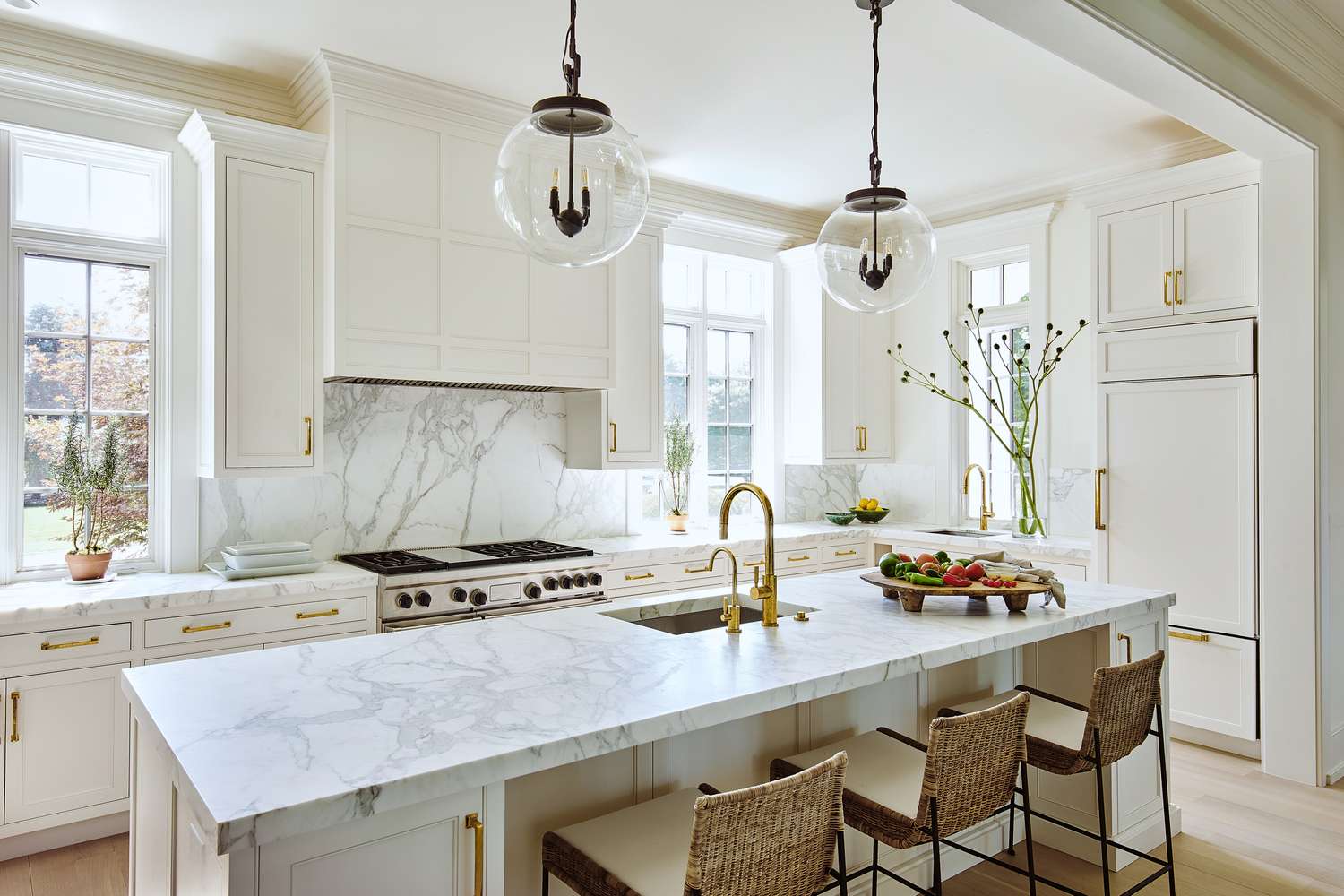

The best paint for kitchen cabinets can turn a tired kitchen into a warm, fresh, and welcoming space without a full remodel. Since cabinets take up so much visual space, the right paint can change the whole mood of the room. With good prep, smart color choices, and durable paint, cabinets can look beautiful for years.
What Is the Best Paint for Kitchen Cabinets?
The best paint for kitchen cabinets is a strong, washable paint that sticks well and dries to a hard finish. In most homes, acrylic alkyd, water-based alkyd, or high-quality cabinet enamel works best because these paints resist chips, stains, and daily wiping. Kitchen cabinets face grease, steam, fingerprints, and constant touching, so wall paint is usually not strong enough. For a smooth result, choose paint made for cabinets, trim, or furniture. Also, pair it with the best primer for kitchen cabinets for better grip and longer wear.
Why Kitchen Cabinets Need the Right Paint
Kitchen cabinets need the right paint because they work harder than most surfaces in the home. Doors open and close many times a day, drawers get bumped, and handles collect oil from hands. Also, kitchens have moisture, heat, and cooking splatter. Because of this, cabinet paint must act like a strong coat of armor, not just a pretty color. If the paint is too soft, it may peel, chip, or feel sticky. However, when the paint cures properly, it creates a smooth shell that protects the cabinets and keeps the kitchen looking clean.
Benefits of Painting Kitchen Cabinets
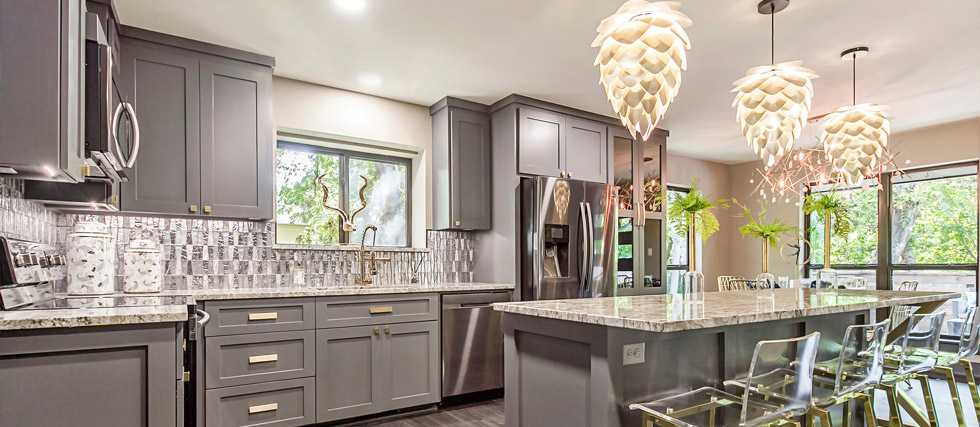
Painting kitchen cabinets offers many benefits, especially when the cabinet boxes are still in good shape. Instead of tearing everything out, paint gives the kitchen a new face. It is like changing an outfit rather than buying a whole new body. The room feels different, yet the main structure stays the same. Also, painted cabinets can support many home styles, from clean modern spaces to cozy cottage kitchens. With the right plan, this project can be practical, stylish, and budget-friendly.
- Saves Money Compared to Replacing Cabinets
Painting cabinets usually costs far less than replacing them. New cabinets can quickly become one of the most expensive parts of a kitchen remodel. However, paint, primer, brushes, rollers, and simple tools often cost much less. Therefore, this update works well when the layout is good but the color feels old. For example, dark brown cabinets can become soft white, warm beige, or sage green without removing the cabinet boxes. As a result, the kitchen feels newer without a major construction project.
- Refreshes the Whole Kitchen
Cabinets cover a large part of the kitchen, so a new color can refresh the entire room. Even if the counters, floor, and appliances stay the same, painted cabinets can make them look better. For instance, creamy white paint can brighten a small kitchen, while deep green can make simple counters feel richer. Also, fresh cabinet paint can make old hardware look nicer. Because the cabinets are usually at eye level, the change is easy to notice right away.
- Lets You Choose a Cozy Style
Paint lets you shape the feeling of the kitchen. Warm white feels calm, sage green feels natural, navy feels classic, and greige feels soft and modern. In addition, painted cabinets can help connect the kitchen with nearby rooms. A cozy home often feels more pulled together when colors flow from one space to another. For a relaxed, creative look, earthy cabinet colors can pair well with boho style décor, woven textures, plants, and warm lighting.
- Works for Small Kitchen Updates
Painting cabinets is perfect for small kitchen updates because it creates a big visual change without moving plumbing or walls. Also, small kitchens often need light, clean colors to feel open. A soft white or pale gray cabinet color can bounce light around the room. Meanwhile, new handles, a simple rug, and better lighting can complete the update. So, even a weekend project can make the kitchen feel more pleasant.
- Helps Renters Improve the Look Carefully
Renters can also improve cabinet style, but they should move carefully. First, check the lease or ask the landlord before painting. Some renters may not be allowed to paint permanent surfaces. However, if painting is allowed, choosing a neutral shade can make the update feel safe and useful. Also, renters can paint removable cabinet doors, add peel-and-stick contact paper, or update hardware with permission. Therefore, the kitchen can feel more personal without causing trouble later.
Types of Paint for Kitchen Cabinets
Choosing the best paint for kitchen cabinets starts with understanding the main paint types. Each one has strengths and limits. Some paints dry fast, while others level better and create a harder finish. Also, some options work better for DIY projects because they clean up with water and have lower odor. The goal is to find paint that looks smooth, handles daily use, and fits the project skill level.
- Acrylic Paint
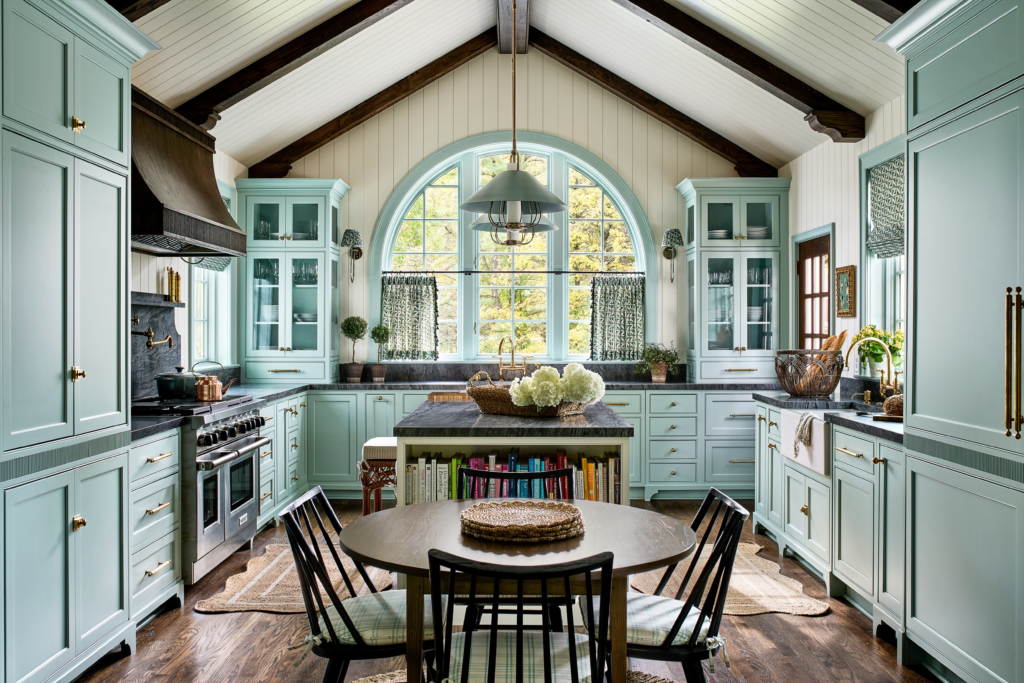
Acrylic paint is water-based, easy to clean up, and often low in odor. High-quality acrylic cabinet paints can work well because they dry with a flexible but durable finish. Also, acrylic paint resists yellowing better than many oil-based paints. This makes it a good choice for white, cream, and light cabinet colors. However, not all acrylic paints are strong enough for cabinets, so choose one labeled for cabinets, trim, or furniture.
- Latex Paint
Latex paint is also water-based and easy to find. It works well on walls, but regular latex wall paint is not always the best choice for cabinets. Cabinets need a harder finish than walls. However, premium latex enamel can work if the surface is cleaned, sanded, primed, and sealed properly. Because latex paint dries quickly, beginners may like it. Still, it may show brush marks if applied too thickly.
- Alkyd Paint
Alkyd paint is often one of the best choices for cabinets. Traditional alkyd paint used oil, but many newer versions are water-based alkyd paints. These paints level nicely, which means brush marks can smooth out as the paint dries. Also, alkyd paint dries harder than many basic water-based paints. Therefore, it works well for cabinet doors, drawers, and trim. Many homeowners choose water-based alkyd enamel because it gives a strong finish with easier cleanup than oil paint.
- Oil-Based Paint
Oil-based paint creates a hard, smooth finish and has been used on cabinets for many years. However, it has a strong smell, takes longer to dry, and needs mineral spirits for cleanup. Also, white oil-based paint can yellow over time, especially in low-light areas. Because of these issues, many DIY painters now choose water-based alkyd paint instead. Still, oil-based paint can be durable when applied correctly.
- Chalk Paint
Chalk paint creates a soft, matte, vintage-style look. It can be charming on furniture and cottage-style cabinets. Also, it often needs less sanding than other paints. However, chalk paint usually needs a protective topcoat because kitchen cabinets must handle moisture and wiping. Without a strong sealer, it may stain or wear down. Therefore, chalk paint works best for decorative kitchens that do not face heavy use.
- Milk Paint
Milk paint gives cabinets a natural, old-world look. It can create a soft, worn finish that feels handmade. However, real milk paint can be less predictable because it may chip or look uneven by design. Some modern milk paints are easier to use and more durable. Still, they usually need bonding agents, primer, or a protective topcoat for cabinets. So, milk paint is better for a rustic look than a sleek, modern finish.
Best Paint Finish for Kitchen Cabinets
The finish matters almost as much as the paint type. A finish controls shine, cleaning ease, and how much the surface shows flaws. For kitchen cabinets, the best finish is usually satin or semi-gloss. Both give a nice balance of beauty and function. However, the right choice depends on the kitchen style, light, cabinet condition, and cleaning needs.
- Satin Finish
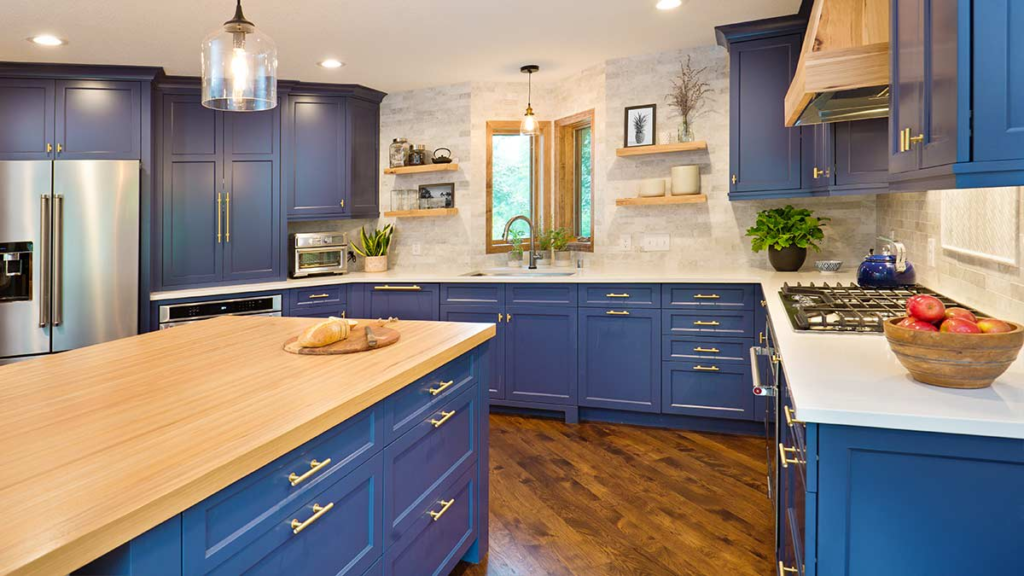
Satin finish has a soft glow without too much shine. It looks smooth, cozy, and modern. Also, satin hides small flaws better than glossy paint. This makes it a great choice for older cabinets that have tiny dents or grain marks. Because satin is easier to clean than matte paint, it works well in many kitchens. It is often the best middle ground for a warm, lived-in home.
- Semi-Gloss Finish
Semi-gloss finish has more shine than satin and is easier to wipe clean. Because kitchens can get messy, many people choose semi-gloss for cabinet doors and trim. It reflects light, so it can make a small kitchen feel brighter. However, it may also show bumps, brush marks, and scratches more clearly. Therefore, good prep matters when using semi-gloss paint.
- Gloss Finish
Gloss finish is very shiny and highly washable. It can look bold, clean, and modern. However, it shows every surface flaw, almost like a spotlight on dents and brush marks. Because of this, gloss works best on very smooth cabinets or professional spray jobs. For most DIY painters, gloss can be less forgiving than satin or semi-gloss.
- Matte Finish
Matte finish has little shine and gives a soft, calm look. It can look beautiful in photos, but it is not always practical for busy kitchens. Matte paint can be harder to clean, and scrubbing may leave marks. However, some modern matte cabinet paints are more durable than older versions. Still, for high-touch cabinets, satin usually offers a better balance.
- Which Finish Is Easiest to Clean?
Semi-gloss is usually the easiest cabinet finish to clean because it has a smoother, shinier surface. Grease and fingerprints wipe off more easily. Satin is also a strong choice and often looks warmer. Matte is the hardest to clean, while gloss is easy to clean but shows flaws. Therefore, satin or semi-gloss is the safest choice for most kitchens.
Common Mistakes to Avoid
Painting kitchen cabinets is not hard, but it does reward patience. Most bad results come from rushed prep, wrong products, or drying too fast between coats. Think of cabinet painting like baking bread. The ingredients matter, but the waiting time matters too. If one step gets skipped, the final result may not hold up.
- Skipping Primer
Primer helps paint stick to cabinets. It also blocks stains, wood tannins, and old color from bleeding through. The best primer for kitchen cabinets depends on the surface. For wood, bonding or stain-blocking primer works well. For laminate or glossy cabinets, use a strong bonding primer. Skipping primer can lead to peeling, uneven color, or poor durability.
- Painting Over Grease
Kitchen cabinets collect grease even when they look clean. Paint cannot stick well to grease, oil, or cooking residue. Therefore, clean cabinets with a degreaser before sanding or priming. Pay close attention to areas near the stove and handles. If the surface feels slick, keep cleaning until it feels dry and dull.
- Using the Wrong Finish
A flat or basic wall paint may look nice at first, but it can fail quickly on cabinets. Since cabinet doors get touched every day, they need a washable and durable finish. Satin and semi-gloss finishes are safer choices. Also, choose paint made for cabinets, trim, doors, or furniture.
- Rushing Drying Time
Paint may feel dry on the surface before it fully cures. If doors are reinstalled too soon, they can stick, dent, or chip. Always follow the label for recoat and cure times. Also, wait longer in humid or cold rooms. Patience here protects all the hard work.
- Forgetting to Label Doors
Cabinet doors may look the same, but they often fit best in their original spot. Label each door and hinge before removing them. A simple piece of painter’s tape with a number can save a lot of stress later. Also, keep screws and hardware in small labeled bags.
- Choosing a Color Without Testing
Paint colors can look different in every kitchen. A color that looks warm online may look yellow at home. A soft gray may turn blue under cool lighting. Therefore, test samples before buying a full gallon. This small step helps avoid regret.
Best Paint for Different Cabinet Materials
Different cabinet materials need different prep. Wood, laminate, MDF, and glossy surfaces do not all hold paint the same way. So, the best paint for kitchen cabinets also depends on what the cabinets are made from. Before buying paint, check the surface carefully and choose the right primer and method.
- Wood Cabinets
Wood cabinets are usually the easiest to paint because paint can grip the surface after cleaning and light sanding. However, wood grain may show through, especially on oak. If a smooth look is important, use grain filler before priming. Also, stain-blocking primer helps stop wood tannins from coming through light paint.
- Laminate Cabinets
Laminate cabinets have a slick surface, so they need a bonding primer. Light sanding helps dull the shine and gives primer something to hold onto. For this reason, laminate painting depends heavily on prep. A high-quality cabinet enamel over bonding primer can create a strong finish.
- MDF Cabinets
MDF cabinets are smooth but can absorb moisture on raw edges. Therefore, seal edges well before painting. Use primer made for MDF or a bonding primer that creates a sealed base. Avoid soaking MDF with too much water during cleaning. A water-based alkyd paint often works well after proper priming.
- Previously Painted Cabinets
Previously painted cabinets need a close inspection. If the old paint is peeling, scrape and sand loose areas first. If it is glossy, sand it lightly so the new primer can grip. Also, clean well because old paint may hold grease. When the existing paint is sound, a good primer and cabinet enamel can refresh it nicely.
- Glossy Cabinets
Glossy cabinets need sanding or deglossing before primer. Paint does not stick well to shiny surfaces. However, the best paint for kitchen cabinets without sanding still needs a strong bonding primer or liquid deglosser in many cases. “No sanding” does not mean “no prep.” It simply means the prep method may be lighter.
Best Tools for Painting Kitchen Cabinets
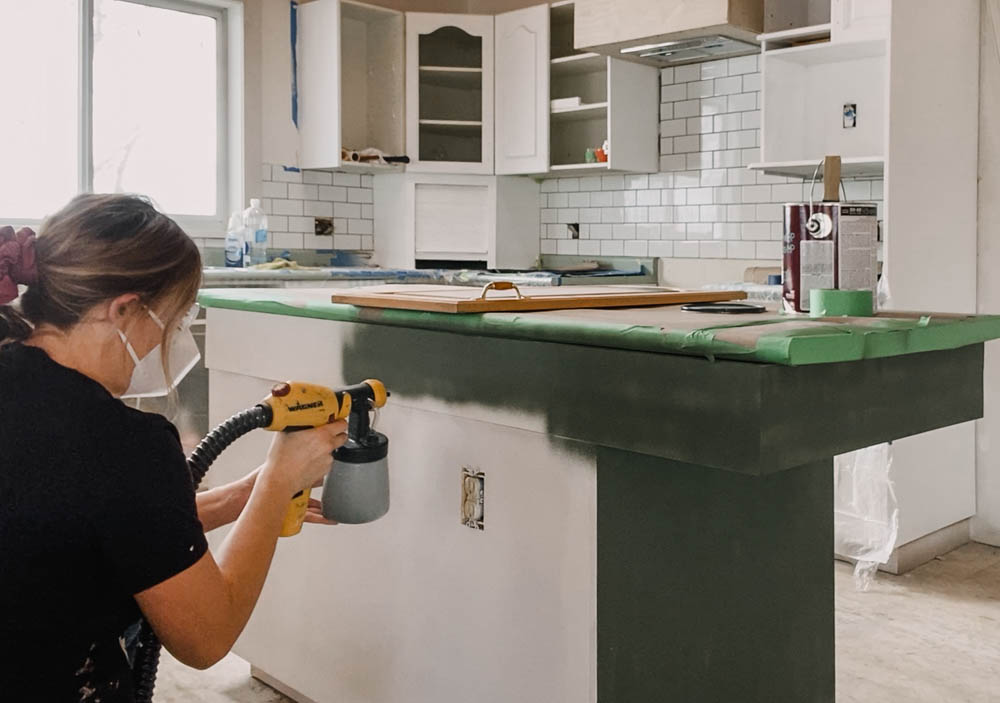
Good tools help create a smooth finish. Even the best paint can look messy with the wrong brush or roller. Cabinet painting needs control, clean edges, and thin coats. Therefore, it is worth choosing tools that make the job easier. The right tools can make a DIY finish look closer to a professional result.
- Paintbrushes
A quality angled brush helps paint corners, edges, frames, and detailed trim. Cheap brushes often leave bristles behind or create heavy marks. A good brush holds paint evenly and gives better control. Use it for areas a roller cannot reach.
- Foam Rollers
Foam rollers are great for flat cabinet doors and drawer fronts. They create a smoother finish than thick wall rollers. Also, they help apply thin coats, which dry better and look cleaner. Use light pressure to avoid roller lines.
- Paint Sprayer
A paint sprayer can create the smoothest finish, especially on flat doors. However, it takes practice and careful masking. Sprayers can also create overspray, so protect nearby surfaces well. For beginners, a brush and foam roller may feel easier and safer.
- Sandpaper
Sandpaper helps smooth rough areas and dull glossy finishes. Use fine-grit sandpaper for light scuff sanding between coats. Also, wipe away dust before priming or painting. Dust under paint can make the surface feel gritty.
- Painter’s Tape
Painter’s tape protects walls, counters, hinges, and edges. It helps create clean lines. However, tape works best when the surface is clean and dry. Remove it carefully before paint gets too hard, or it may pull at the edge.
- Drop Cloths
Drop cloths protect floors, counters, and appliances from paint drips. Canvas drop cloths are sturdy and reusable, while plastic ones are cheaper but can slide. Either way, cover the work area before opening the paint can.
How to Paint Kitchen Cabinets
Learning how to paint kitchen cabinets is easier when the process is broken into simple steps. First, remove cabinet doors, drawers, and hardware. Then label every piece so it goes back in the right place. Next, clean all surfaces with a degreaser. After that, sand lightly or use a deglosser if needed. Wipe away dust with a damp cloth and let everything dry.
Then apply the best primer for kitchen cabinets based on the surface. Use bonding primer for laminate or glossy cabinets, and stain-blocking primer for wood. After the primer dries, sand lightly if the surface feels rough. Next, apply the first thin coat of cabinet paint. Let it dry fully, then apply a second coat. Some colors may need a third coat, especially deep shades or bright whites.
Finally, let the paint cure before heavy use. Reinstall doors and hardware carefully. Also, avoid slamming doors during the first few weeks. Paint becomes stronger as it cures, so gentle handling helps prevent chips.
Best Paint for Kitchen Cabinets Without Sanding
The best paint for kitchen cabinets without sanding is usually a cabinet enamel used with a strong bonding primer or liquid deglosser. However, no-sanding methods still need cleaning. Grease, dust, and old polish must come off first. Otherwise, the paint may peel. For laminate, glossy, or factory-finished cabinets, a bonding primer is the key step. It acts like double-sided tape between the cabinet and the paint.
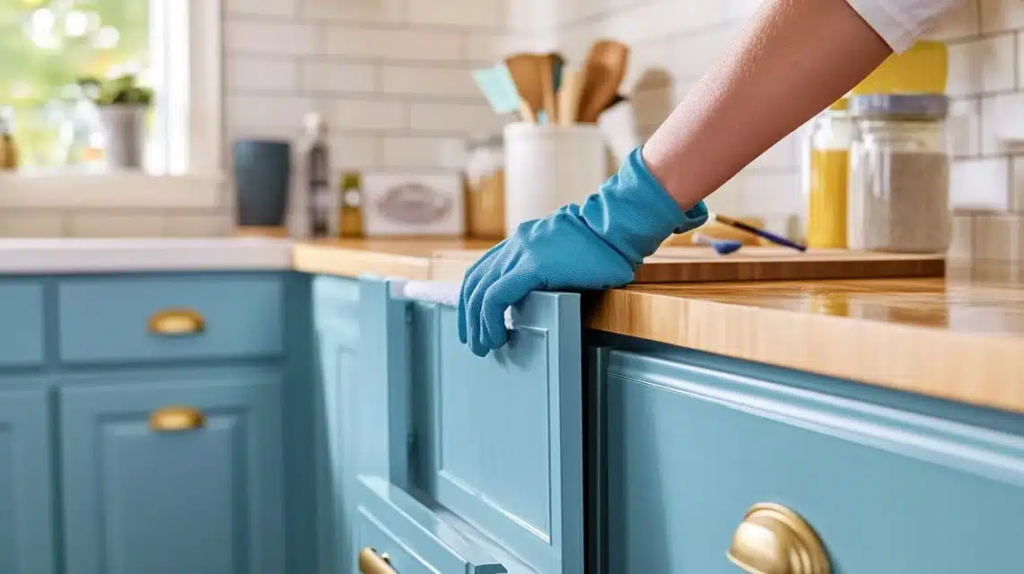
No-sanding painting works best when cabinets are in good condition. If the old finish is peeling, chipping, or rough, sanding is still needed. Also, sanding between coats can make the final finish smoother, even if heavy sanding is skipped at the start. Therefore, “without sanding” should mean “without major sanding,” not “without surface prep.”
Budget Tips for Painting Kitchen Cabinets
Painting cabinets can be affordable, but costs can still grow if the project is not planned well. Paint, primer, tools, hardware, and cleaners all add up. However, a few smart choices can keep the project budget-friendly without making the final result look cheap. The goal is to save money in places that do not hurt durability.
- Reuse Existing Hardware
New knobs and pulls can change the look of cabinets, but they are not always needed. If the current hardware fits the new style, clean it and reuse it. For example, black handles can look fresh against warm white cabinets. Brass hardware can feel cozy with sage green or navy paint. Reusing hardware also avoids the problem of filling old screw holes.
- Paint in Stages
Painting everything at once can feel overwhelming. Instead, work in stages. Paint upper cabinets first, then lower cabinets. Or paint one side of the kitchen before moving to the next. This method keeps part of the kitchen usable and helps avoid clutter. Also, it gives more time for doors to dry properly.
- Buy Only What You Need
Measure the cabinet area before buying paint. Most kitchens do not need huge amounts of cabinet paint. Also, buy sample pots before choosing a full can. This avoids wasting money on a color that does not look right at home.
- Choose Quality Paint Over Cheap Paint
Cheap paint may seem like a bargain, but it can cost more later if it chips or needs extra coats. Quality cabinet paint covers better, levels smoother, and lasts longer. Therefore, spend more on paint and primer if the budget allows. It is better to buy strong paint once than weak paint twice.
- Do the Prep Work Yourself
Prep work takes time, but it saves money. Cleaning, labeling, sanding, taping, and removing doors are simple tasks that most people can handle. If hiring help for painting, doing prep first may lower labor costs. Also, careful prep improves the final result no matter who applies the paint.
Final Thoughts
The best paint for kitchen cabinets is durable, washable, and matched to the cabinet surface. With the right primer, finish, tools, and patience, old cabinets can look fresh and cozy again. A smart paint choice can make the whole kitchen feel brighter, cleaner, and more personal without a full remodel.
Frequently Asked Questions
The best paint for kitchen cabinets is a durable cabinet enamel, acrylic alkyd paint, or water-based alkyd paint. These paints dry harder than regular wall paint and handle daily use better. They also resist stains, fingerprints, and cleaning. For most DIY projects, water-based alkyd paint is a great choice because it gives a smooth, strong finish and cleans up with soap and water.
Yes, primer is usually needed before painting kitchen cabinets. Primer helps paint stick better and creates a smoother base. It also blocks stains, wood tannins, and old color from showing through. The best primer for kitchen cabinets depends on the surface. Use bonding primer for laminate or glossy cabinets. Use stain-blocking primer for wood cabinets, especially when painting them white or cream.
Satin and semi-gloss are both good choices. Satin looks softer and hides small flaws better. Semi-gloss is shinier and easier to wipe clean. Therefore, semi-gloss may work better for busy kitchens, while satin may look better in cozy, relaxed spaces. For many homes, satin gives the best mix of beauty and function.
Yes, you can paint some kitchen cabinets without heavy sanding, but you still need good prep. Clean the cabinets well, use a liquid deglosser if needed, and apply bonding primer. The best paint for kitchen cabinets without sanding works only when the surface is clean and stable. If the old finish is peeling or rough, sanding is still needed.
The best kitchen cabinet colors for a small kitchen are warm white, cream, soft gray, pale greige, and light sage green. These colors help the room feel brighter and more open. However, dark colors can still work if the kitchen has good lighting and lighter counters or walls. Always test samples before choosing.
Most kitchen cabinets need two coats of paint after primer. However, some colors may need three coats for full coverage. Deep colors, bright whites, and dramatic color changes often need extra paint. Thin coats work better than thick coats because they dry smoother and last longer.
Cabinet paint may dry in a few hours, but it can take days or weeks to fully cure. Follow the paint label for dry time and recoat time. Also, wait as long as possible before heavy use. During the first few weeks, close doors gently and avoid scrubbing the surface.
Renters should check the lease or ask the landlord before painting kitchen cabinets. Some rentals do not allow permanent changes. If painting is allowed, choose a neutral color and keep the finish neat. Also, renters can update cabinets with removable options, such as temporary contact paper or new hardware, when painting is not allowed.
The most durable cabinet paint is usually a high-quality cabinet enamel, acrylic alkyd, or water-based alkyd paint. These paints cure to a hard finish and resist chips better than basic wall paint. Durability also depends on cleaning, primer, thin coats, and cure time. Even strong paint can fail if the surface is greasy or poorly prepared.
To stop painted cabinets from chipping, clean them well, sand or degloss shiny areas, use the right primer, and apply thin coats of durable cabinet paint. Also, let the paint cure before heavy use. Add bumpers to cabinet doors so they do not slam against the frame. Finally, clean painted cabinets gently with a soft cloth instead of harsh scrubbers.