
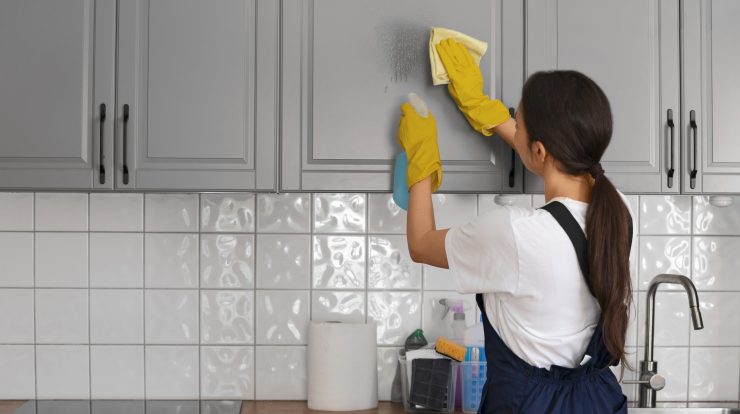

A kitchen cleaning service can turn a messy, greasy kitchen into a fresh, calm, and healthier space. Whether you cook daily, host guests, rent an apartment, or just want your kitchen to feel new again, professional cleaning can save time and make the heart of your home shine.
What Is a Kitchen Cleaning Service?
A kitchen cleaning service is a professional cleaning option focused on the kitchen area of a home, apartment, rental property, or vacation house. Instead of only doing light wiping, cleaners handle grease, crumbs, spills, stains, dust, fingerprints, food buildup, and sticky surfaces.
A good kitchen cleaning company may clean countertops, cabinet fronts, sinks, faucets, stovetops, appliance exteriors, floors, backsplashes, and trash areas. Some services also offer deep oven cleaning, refrigerator interior cleaning, pantry wipe-downs, and tile grout cleaning as add-ons.
Think of it like giving your kitchen a reset button. It does not change the layout, but it can change how the whole room feels.
Why a Clean Kitchen Matters?
A clean kitchen matters because it affects your health, comfort, mood, and daily routine. The kitchen is where food is prepared, stored, and served, so dirt and germs can build up fast. Crumbs can attract pests. Grease can stick to cabinets. Spills can stain counters and floors.
Also, a clean kitchen feels easier to use. You can cook with less stress, find items faster, and enjoy the space more. Even a small kitchen can feel bigger when surfaces are clear and fresh.

A messy kitchen is like a traffic jam. Everything slows down. A clean kitchen helps the day move smoothly.
Benefits of Hiring a Kitchen Cleaning Service
Hiring a kitchen cleaning service is not only about looks. It can make everyday life easier, protect your surfaces, and help your home feel more organized.
- Saves Time and Energy
Kitchen cleaning takes more effort than it seems. Grease sticks. Crumbs hide. Floors collect splashes and dust. When a professional handles the work, you get those hours back. Instead of spending your weekend scrubbing, you can cook, rest, decorate, or spend time with family.
This is especially helpful after a busy week, a party, a move, or a renovation. A one time cleaning service can be a smart choice when the kitchen needs serious attention but you do not need weekly help.
- Removes Grease and Stains
Grease is one of the hardest kitchen messes to remove. It lands on cabinets, backsplashes, stovetops, range hoods, and nearby walls. Over time, it becomes sticky and dull. Professional cleaners use the right methods to break down grease without damaging surfaces.
This matters because old grease can make even a stylish kitchen look tired. Removing it is like cleaning fog off a window. Suddenly, everything looks brighter.
- Improves Kitchen Hygiene
A residential kitchen cleaning service helps reduce food buildup, spills, and grime in areas you touch every day. Cleaners focus on high-use zones such as counters, sinks, faucets, handles, and stovetops. These areas can collect bacteria, fingerprints, and residue.
Better hygiene also helps with meal prep. When surfaces are clean, cooking feels safer and more pleasant. You do not have to wonder what is hiding under the toaster or behind the coffee maker.
- Makes the Kitchen Look Fresh
A clean kitchen can improve the whole mood of your home. Shiny faucets, clean counters, fresh floors, and tidy cabinets can make the space feel brighter. Even without buying new décor, cleaning can create a fresh look that makes your kitchen feel more inviting.
This is one reason many people clean before guests arrive. A fresh kitchen says, “This home is cared for.”
- Helps Protect Appliances and Surfaces
Grease, dust, and food residue can slowly wear down surfaces. Sticky cabinet fronts can lose their finish. Stainless steel can show marks. Floors can dull when grime builds up. Regular cleaning helps protect these materials.
Professional cleaners also know that not all surfaces need the same treatment. Stone, laminate, wood, tile, stainless steel, and painted finishes each need care. The right cleaning method can help your kitchen last longer.
What Does a Kitchen Cleaning Service Include?
A kitchen cleaning service usually includes the main visible areas of the kitchen. However, every company is different, so it is always smart to ask for a checklist before booking.

- Countertop Cleaning
Countertops collect crumbs, spills, oil, coffee rings, and food prep mess. Cleaners usually remove loose debris, wipe the surface, treat sticky spots, and dry the area for a clean finish. They may also move small items if the service includes light organizing.
The best method depends on the material. Quartz, granite, marble, butcher block, and laminate all need different care. For example, harsh acidic cleaners can damage natural stone. A careful cleaner uses products that match the surface.
- Cabinet Exterior Cleaning
Cabinet fronts often collect fingerprints, splashes, dust, and cooking grease. This is especially true near the stove and sink. Professional cleaners wipe doors, drawer fronts, knobs, and handles.
If you have kitchen cabinets with a painted or delicate finish, cleaners should avoid rough pads and harsh chemicals. Gentle cleaning helps keep the color and surface looking smooth.
- Sink and Faucet Cleaning
The sink handles dishes, food scraps, soap, and water stains every day. Cleaners usually scrub the basin, polish the faucet, remove soap residue, and wipe around the drain. They may also clean the area behind the faucet, where grime often hides.
A clean sink also helps prevent odors. Food buildup around the drain can smell bad over time. If you already have a clogged sink, cleaning the surface will help, but you may also need to clear the drain.
- Stovetop and Oven Cleaning
The stovetop is one of the hardest-working areas in the kitchen. It collects oil splatter, burnt food, sauce, crumbs, and sticky residue. Cleaners may remove burner grates, wipe knobs, clean glass tops, and scrub around edges.
Oven cleaning may or may not be included. Some companies treat it as an add-on because it takes extra time. If your oven has heavy buildup, ask about deep oven cleaning before the appointment.
- Refrigerator Exterior Cleaning
A standard kitchen cleaning often includes wiping the outside of the refrigerator. This may include the door, handles, top surface, and visible sides. Stainless steel refrigerators may need special care to avoid streaks.
Interior refrigerator cleaning is usually an extra service. It may include removing expired food, wiping shelves, cleaning drawers, and drying surfaces. Always confirm this before booking.
- Floor Cleaning
Kitchen floors catch crumbs, grease, dust, pet hair, and spills. Cleaners usually sweep, vacuum, and mop the floor. They may also spot-clean sticky areas near the stove, sink, or trash bin.
Tile, vinyl, laminate, and wood floors all need different methods. Too much water can damage some floors, while the wrong product can leave a cloudy film.
- Trash Area Cleaning
The trash area is easy to forget, but it can hold odors, drips, and sticky spots. A professional cleaner may wipe the outside of the trash bin, clean the floor around it, and replace liners if included.
This small step can make the kitchen smell much fresher. It is like taking the last sour note out of a song.
Types of Kitchen Cleaning Services
Not every kitchen needs the same level of cleaning. Some need a quick refresh. Others need a full deep clean. Understanding the types of cleaning services can help you choose the right option.

- Regular Kitchen Cleaning
Regular kitchen cleaning is best for maintenance. It may happen weekly, biweekly, or monthly. Cleaners focus on visible surfaces, floors, sinks, counters, cabinet fronts, and appliance exteriors.
This option works well when the kitchen is used often but not heavily stained. It keeps mess from becoming a bigger job later.
- Deep Kitchen Cleaning
Deep kitchen cleaning goes further than regular cleaning. It targets grease, stuck-on food, corners, baseboards, cabinet fronts, backsplash grime, range hoods, and hard-to-reach spots.
A deep kitchen cleaning is a good choice if the kitchen has not been cleaned in a while, smells stale, or feels sticky even after basic wiping. It is also helpful before holidays, parties, or seasonal home refreshes.
- Move-In or Move-Out Cleaning
A move in cleaning service helps make a kitchen feel safe and fresh before you unpack dishes and food. It may include wiping cabinets, cleaning appliance exteriors, sanitizing counters, scrubbing sinks, and mopping floors.
A move out cleaning service is useful when leaving a rental or selling a home. It helps remove food stains, grease, crumbs, and everyday wear. A cleaner kitchen can also support a better final impression.
- Post-Renovation Kitchen Cleaning
After a kitchen renovation, dust can settle everywhere. Even when the room looks finished, fine dust may sit on counters, cabinets, appliances, light fixtures, and floors. Post-renovation kitchen cleaning focuses on removing construction dust, stickers, fingerprints, and debris.
This step matters because renovation dust can spread through the home. A detailed cleaning helps the new design shine.
- Eco-Friendly Kitchen Cleaning
Eco-friendly kitchen cleaning uses safer, lower-odor products. These services often avoid harsh chemicals when possible. They may use plant-based cleaners, reusable cloths, and gentle degreasers.
This option is helpful for homes with children, pets, allergies, or strong scent sensitivity. However, you should still ask what products the cleaners use. “Green” can mean different things to different companies.
Kitchen Cleaning Service vs. DIY Cleaning
DIY cleaning and professional cleaning both have a place. The right choice depends on time, budget, kitchen condition, and the result you want.

- When DIY Cleaning Works Best
DIY cleaning works well for daily and weekly maintenance. You can wipe counters, wash dishes, sweep floors, clean spills, and keep clutter under control. Simple habits prevent big messes.
DIY is also budget-friendly. If your kitchen is already in good shape, a few basic supplies may be enough. A microfiber cloth, mild cleaner, dish soap, and a scrub brush can handle many small jobs.
- When Professional Cleaning Is Better
Professional cleaning is better when grease, stains, odors, or buildup feel overwhelming. It also helps when you are moving, hosting, recovering from a renovation, or too busy to clean deeply.
A kitchen cleaning company brings experience, speed, and a clear process. They know where grime hides and how to work through the kitchen in the right order.
- Cost, Time, and Effort Comparison
DIY cleaning costs less money upfront, but it takes time and energy. Professional cleaning costs more, yet it saves effort and often gives a deeper result.
Think of DIY as brushing your teeth and professional cleaning as visiting the dentist. You still need daily care, but an occasional deep clean can reach what daily habits miss.
How to Choose the Best Kitchen Cleaning Service?
Choosing the best kitchen cleaning service takes more than picking the first company online. A little homework can help you avoid stress and get better results.

- Check Reviews and Ratings
Start with reviews. Look for comments about punctuality, detail, friendliness, and results. One perfect review does not tell the whole story. Instead, look for patterns.
If several customers mention clean stovetops, fresh sinks, and careful cabinet cleaning, that is a good sign. If many mention missed spots or late arrivals, keep looking.
- Ask What Is Included
Always ask for a clear checklist. Some services include only surface cleaning. Others include appliance interiors, oven cleaning, refrigerator cleaning, pantry wipe-downs, or interior cabinet cleaning as extras.
A clear list helps you compare fairly. It also prevents surprise charges.
- Compare Prices
Do not choose only by the lowest price. A very cheap service may skip important details. At the same time, the highest price does not always mean the best result.
Compare value. Ask what the price includes, how many cleaners will come, how long the job may take, and whether supplies are included.
- Look for Safe Cleaning Products
Kitchen surfaces touch food, dishes, hands, and small appliances. So cleaning products matter. Ask whether the company uses food-safe methods on counters and safe products for stone, wood, painted cabinets, and stainless steel.
If you prefer eco-friendly products, mention this before booking.
- Ask About Experience
Experience matters because kitchens have many different surfaces. A cleaner should know how to handle grease, delicate cabinet finishes, stone counters, tile, grout, stainless steel, and appliance exteriors.
You can ask, “Have you cleaned kitchens like mine before?” This simple question can reveal a lot.
- Confirm Scheduling Options
Some people need regular cleaning. Others need a same day cleaning service after a party, spill, or last-minute guest plan. Ask about scheduling, arrival windows, cancellation policies, and emergency options.
A reliable company should make booking simple and clear.
How Much Does a Kitchen Cleaning Service Cost?
The cost of a kitchen cleaning service depends on several factors. Since house cleaning prices change by city, service type, and home condition, it is best to request a custom quote.
- Kitchen Size
A small apartment kitchen usually costs less to clean than a large open kitchen with an island, pantry, breakfast area, and many cabinets. More surfaces mean more time.
Size also affects how much floor space, countertop space, and cabinet area cleaners must handle.
- Cleaning Level
A light clean usually costs less than a deep clean. Regular cleaning may include wiping, sweeping, mopping, and surface cleaning. Deep cleaning may include grease removal, backsplash scrubbing, range hood cleaning, oven cleaning, and detailed corner work.
If the kitchen has heavy buildup, the price may rise because the job takes longer.
- Location
Location affects prices. Cleaning in a large city often costs more than cleaning in a smaller town. Local wages, travel time, demand, and cost of living all play a role.
This is why online price ranges are helpful, but local quotes are more accurate.
- Extra Services
Extra services may include oven interior cleaning, refrigerator interior cleaning, cabinet interior cleaning, pantry cleaning, window cleaning, grout cleaning, or small appliance cleaning.
These add-ons can be worth it, especially for move-in, move-out, or seasonal deep cleaning.
- One-Time vs. Regular Cleaning
A one time cleaning service often costs more per visit than recurring cleaning. Regular customers may get better rates because the kitchen stays easier to maintain.
If you only need help before a party, after a renovation, or during a move, one-time service is still a smart option.
How to Prepare Before a Kitchen Cleaning Service Arrives?
A little prep helps the cleaners work faster and focus on actual cleaning instead of moving clutter.

- Clear Countertops
Remove papers, mail, toys, tools, and random items from the counters. You do not need to make the kitchen perfect, but clear surfaces help cleaners wipe more thoroughly.
If you leave many items out, cleaners may clean around them instead of under them.
- Remove Personal Items
Put away personal items, medications, important papers, and anything fragile. This protects your belongings and helps the cleaning team move with confidence.
It also prevents confusion about what should stay, move, or be thrown away.
- Empty the Sink
If possible, wash dishes or place them in the dishwasher before the cleaners arrive. A full sink blocks access to the basin, faucet, and drain area.
If dishwashing is included in your service, confirm it ahead of time. Many cleaning companies treat dishes as an extra task.
- Point Out Problem Areas
Show the cleaners any areas that bother you most. This may include grease on cabinet doors, stains near the stove, water spots around the faucet, or crumbs under appliances.
Clear direction helps them focus on what matters to you.
- Secure Pets and Valuables
Place pets in another room if needed. This keeps them safe and helps cleaners work without distractions.
Also secure valuables, loose cash, jewelry, and delicate décor. Professional cleaners are careful, but it is always wise to reduce risk.
Budget-Friendly Kitchen Cleaning Tips Between Services
A professional kitchen cleaning service can do the heavy lifting, but small habits keep the kitchen fresh between appointments.

- Wipe Surfaces Daily
Wipe counters, the stove area, and the table after meals. This takes only a few minutes, but it stops spills from drying and crumbs from spreading.
Daily wiping is like closing a door before dust blows in. It keeps small messes from becoming big ones.
- Clean Spills Quickly
Spills are easier to clean when they are fresh. Sauce, coffee, oil, and juice can stain or become sticky if they sit too long.
Keep a cloth nearby so you can clean spills right away. Fast action protects counters, cabinets, and floors.
- Use Simple Storage Bins
Storage bins help control clutter in cabinets, pantries, and under-sink areas. They make it easier to group snacks, cleaning supplies, dish towels, or food containers.
When everything has a home, cleaning becomes easier. You spend less time moving piles and more time wiping surfaces.
- Keep Cleaning Supplies Handy
Store basic cleaning supplies in an easy-to-reach spot. A mild spray, microfiber cloth, sponge, dish soap, and small brush can handle most daily messes.
However, avoid keeping too many products. Too many bottles can create clutter and confusion.
- Create a Weekly Cleaning Routine
Choose one day each week for small kitchen tasks. For example, wipe cabinet handles, clean the microwave, mop the floor, and check the fridge for expired food.
A weekly routine keeps the kitchen steady. It is much easier than waiting until the mess feels out of control.
Best Products for a Cleaner Kitchen Look
The right tools make kitchen cleaning faster and safer. You do not need a giant basket of supplies. A few useful items can make a big difference.

- Multi-Surface Cleaner
A mild multi-surface cleaner works for many everyday jobs. Use it on counters, tables, and some appliance exteriors, as long as the label says it is safe for those surfaces.
For stone counters, use a cleaner made for stone. For wood, use gentle products that do not strip the finish.
- Microfiber Cloths
Microfiber cloths are great because they grab dust, crumbs, and smudges without scratching most surfaces. They also help reduce paper towel waste.
Keep a few cloths in rotation. Use separate cloths for counters, appliances, floors, and greasy areas.
- Degreaser
A degreaser helps break down oily buildup near the stove, backsplash, range hood, and cabinet fronts. Choose one that matches your surface type.
Do not use strong degreasers on delicate finishes unless the label says it is safe. When in doubt, test a small hidden area first.
- Scrub Brush
A small scrub brush helps clean around faucets, tile grout, sink edges, and stovetop corners. It reaches places a cloth cannot.
Use gentle pressure. Scrubbing too hard can damage finishes.
- Cabinet Organizer
A cabinet organizer is not a cleaning product, but it helps keep the kitchen cleaner. When pots, pans, lids, and containers are organized, dust and crumbs are easier to remove.
Good organization also makes the kitchen feel calmer.
- Trash Bin Liners
Strong trash bin liners help prevent leaks and odors. They also make trash removal cleaner and faster.
Choose the right size for your bin. A liner that slips down can cause mess around the bottom of the can.
Kitchen Cleaning Ideas for Renters
Renters often need smart cleaning methods that protect surfaces and security deposits. The goal is to clean well without causing damage.
- Use Damage-Free Cleaning Methods
Use gentle tools and safe products. Avoid rough scrubbers on painted cabinets, laminate counters, stainless steel, or rental appliances.
A soft cloth, mild dish soap, and warm water can handle many messes. For tougher stains, test carefully before using stronger products.
- Avoid Harsh Chemicals
Harsh chemicals can damage finishes, leave strong smells, or create problems in small apartments with poor ventilation. They may also harm surfaces that landlords expect to stay in good condition.
Choose mild cleaners when possible. Also, never mix cleaning products, especially bleach and ammonia.
- Focus on Move-Out Cleaning
Before leaving a rental, focus on the kitchen. Landlords and property managers often check the oven, fridge, cabinets, sink, counters, and floor closely.
A move out cleaning service can help if the kitchen needs deep attention. This is especially useful when you are busy packing, changing addresses, and handling final details.
- Keep Before-and-After Photos
Take photos before you move in and after you clean before moving out. Photos help document the condition of the kitchen.
This is a simple habit, but it can protect you if there is a dispute about stains, damage, or cleanliness.
Kitchen Cleaning Ideas After Renovation
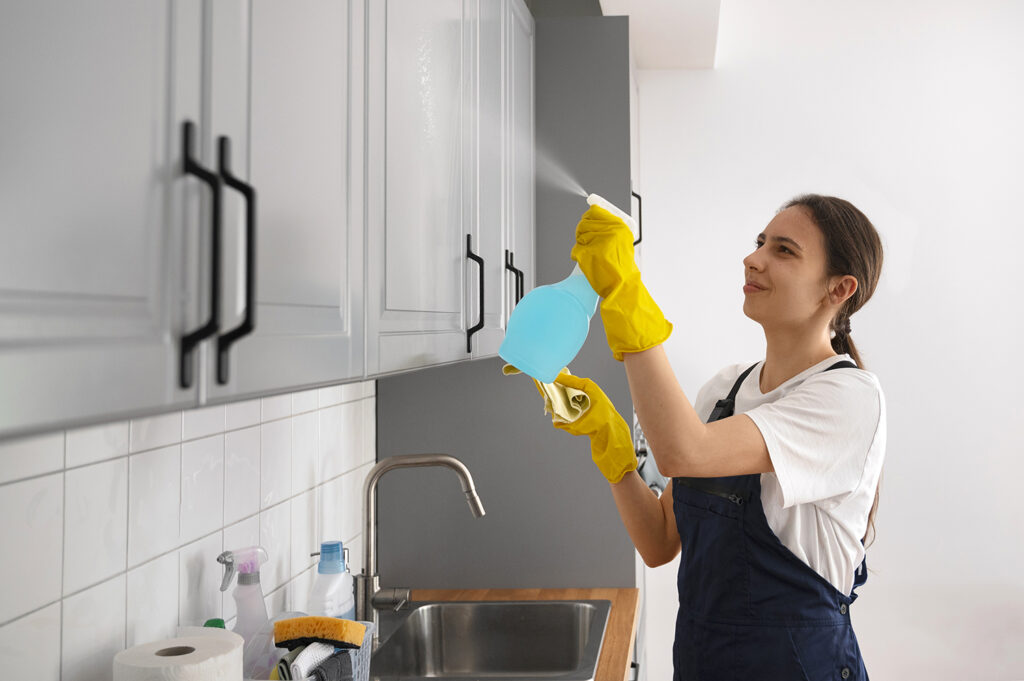
A renovated kitchen can look beautiful, but dust and residue can hide everywhere. Cleaning after renovation needs patience and the right order.
- Remove Dust First
Start with dry dust removal. Use a vacuum with a soft brush attachment or a dry microfiber cloth. Dust counters, cabinet tops, shelves, lights, window sills, and baseboards.
If you mop too soon, dust can turn into a muddy film. Dry cleaning first saves time.
- Clean New Cabinets Carefully
New cabinets need gentle care. Wipe them with a soft cloth and mild cleaner. Avoid soaking the surface or using rough pads.
If cabinets are freshly painted or finished, ask the contractor how long the surface needs to cure before heavy cleaning.
- Wipe Appliances and Fixtures
Appliances, faucets, handles, and fixtures often collect fingerprints, sticker residue, and dust during installation. Wipe them carefully with the right product.
For stainless steel, follow the grain to reduce streaks. For glass, use a lint-free cloth.
- Mop Floors Last
Floors should come last because dust and debris fall while you clean higher surfaces. Sweep or vacuum first, then mop.
Use a floor cleaner that matches the material. Wood, tile, vinyl, and laminate all need different care.
Common Kitchen Cleaning Mistakes to Avoid
Even with good intentions, some cleaning habits can cause damage or make the job harder. Avoiding these mistakes can save time, money, and stress.
- Using the Wrong Product
Not every cleaner works on every surface. Vinegar can damage natural stone. Strong degreasers can dull finishes. Abrasive powders can scratch stainless steel or glass.
Always read labels. When unsure, test in a hidden spot first.
- Forgetting Hidden Grease
Grease does not stay only on the stovetop. It floats and settles on cabinets, walls, range hoods, light switches, and nearby décor.
If your kitchen still feels sticky after cleaning, hidden grease may be the reason. Focus on areas around the stove and upper cabinets.
- Scrubbing Delicate Surfaces
Scrubbing harder is not always better. Rough pads can damage painted cabinets, glossy finishes, stainless steel, and soft stone.
Use patience instead of force. Let the cleaner sit for a short time, then wipe gently.
- Ignoring Small Appliances
Toasters, coffee makers, air fryers, blenders, and microwaves collect crumbs, splashes, and fingerprints. If you clean the counters but ignore these items, the kitchen may still feel dirty.
Unplug appliances before cleaning. Wipe exteriors and clean removable trays when possible.
- Waiting Too Long Between Cleanings
Small messes grow when ignored. Grease hardens. Stains set. Odors build. Floors become dull.
A simple routine helps prevent this. Even if you book a professional kitchen cleaning service, regular light cleaning keeps the space easier to maintain.
How Often Should You Book a Kitchen Cleaning Service?
The right schedule depends on how often you cook, how many people use the kitchen, and how clean you like your home to feel.
- Weekly Cleaning
Weekly cleaning works well for busy kitchens. If you cook daily, have children, share a home, or entertain often, weekly service can keep mess under control.
It also reduces the need for heavy scrubbing later.
- Monthly Cleaning
Monthly cleaning is a good middle ground. It works for people who handle daily cleaning but want professional help with deeper tasks.
A monthly visit can refresh the sink, stovetop, cabinet fronts, floors, and appliance exteriors.
- Seasonal Deep Cleaning
Seasonal deep cleaning is helpful every few months. It is a great time to clean grease buildup, wipe hard-to-reach areas, organize cabinets, and refresh the whole room.
Many people book seasonal cleaning in spring, before the holidays, or after a busy hosting season.
- Cleaning Before Special Events
Book cleaning before parties, family visits, holidays, birthdays, or home showings. A clean kitchen makes hosting easier and helps guests feel welcome.
If plans happen fast, ask whether a same day cleaning service is available. Just remember that last-minute booking may cost more or have limited time slots.
Final Thoughts
A kitchen cleaning service can make your kitchen healthier, brighter, and easier to enjoy. It helps remove grease, refresh surfaces, protect appliances, and save valuable time. Whether you need regular help, deep cleaning, a move in cleaning service, or a move out cleaning service, the right choice depends on your kitchen, budget, and schedule. With simple daily habits between visits, your kitchen can stay fresh longer.
Frequently Asked Questions
A kitchen cleaning service usually includes countertop cleaning, sink and faucet cleaning, stovetop cleaning, appliance exterior wiping, cabinet exterior cleaning, floor cleaning, and trash area cleaning. Some companies also offer oven interiors, refrigerator interiors, pantry cleaning, and cabinet interiors as add-ons. Always ask for a checklist before booking.
The time depends on the kitchen size and cleaning level. A small kitchen may take less time, while a large kitchen with heavy grease or many appliances may take longer. Deep cleaning, oven cleaning, and move-out cleaning usually require extra time.
The cost depends on kitchen size, location, cleaning level, and add-ons. House cleaning prices vary widely, so the best approach is to request a quote from a local kitchen cleaning company. Deep cleaning, one-time cleaning, and move-out cleaning often cost more than regular maintenance cleaning.
Yes, deep kitchen cleaning is worth it when grease, stains, odors, or buildup are hard to remove with normal cleaning. It can make the kitchen feel fresher and help protect cabinets, appliances, counters, and floors.
Yes, you can book a residential kitchen cleaning service for an apartment. Many renters use these services before moving in, before moving out, or when they want help with deep cleaning in a small space.
Many cleaners bring their own supplies, but not always. Some companies ask to use the customer’s products. If you prefer eco-friendly products or have delicate surfaces, mention this before the appointment.
Many kitchens do well with monthly professional cleaning and daily light upkeep. Busy kitchens may need weekly service. Seasonal deep cleaning is also helpful for grease buildup and hard-to-reach areas.
Clear countertops, empty the sink, remove personal items, secure pets, and point out problem areas. This helps cleaners work faster and focus on the areas that matter most.
Yes, many companies offer eco-friendly kitchen cleaning. These services may use gentler, lower-odor products and reusable cloths. Ask what products they use and whether they are safe for your surfaces.
Yes, post-renovation kitchen cleaning can remove dust, fingerprints, debris, and residue from new surfaces. It helps your renovated kitchen look finished, polished, and ready to use.