
Roof drain cleaning service may not sound exciting, but it can protect your home from leaks, stains, and costly water damage. When roof drains work well, rainwater moves away like it should. However, when they clog, water can sit on the roof and slowly create serious problems.
What Is a Roof Drain Cleaning Service?
A roof drain cleaning service is a professional cleaning and inspection service for roof drainage systems. It removes leaves, dirt, mud, moss, roofing debris, and other blockages from drains, pipes, scuppers, gutters, and downspouts.
Think of your roof drain like the sink drain in your kitchen. When food scraps build up, water slows down or backs up. A roof drain works the same way, except it handles rainwater instead of sink water. If it clogs, water may collect on the roof instead of flowing away.
This service may include roof drain debris removal, roof drain pipe cleaning, roof drain blockage removal, and water flow testing. Some companies also offer gutter and roof drain cleaning together, which helps the whole rainwater system work better.
Why Roof Drains Matter for Your Home?
Roof drains matter because they move water away from your roof before it causes damage. Rainwater may look harmless, but when it sits in one place, it acts like a heavy blanket. Over time, that weight can stress roofing materials, seams, walls, and ceilings.
A good roof drainage system helps protect shingles, flat roofing, flashing, siding, insulation, and even the foundation. It also helps prevent mold, musty smells, and water stains inside the home.
This is especially important for flat and low-slope roofs. Since water does not slide off quickly, the drains must do more work. Therefore, flat roof drain cleaning is not just a nice extra. It is a key part of simple home maintenance.
Signs Your Roof Drain Needs Cleaning
A clogged drain often gives small warnings before it becomes a big repair. However, many people miss those signs because roof drains stay out of sight. When you know what to watch for, you can act early and avoid emergency roof drain cleaning later.
- Slow water drainage
Slow drainage means water takes too long to leave the roof after rain. Instead of clearing quickly, it lingers near the drain opening. This often means leaves, dirt, or roof grit are slowing the flow inside the drain pipe.
- Water pooling on the roof
Water pooling on roof surfaces is one of the clearest warning signs. Small puddles after rain may seem normal, but standing water that remains for many hours can wear down roofing materials and raise the risk of leaks.
- Bad smells near drains
Bad smells near roof drains can happen when wet leaves, mud, or trapped organic matter sit too long. Like a forgotten pile of wet laundry, debris can sour and create odors that drift near patios, balconies, or upper windows.
- Leaves or dirt around drain openings
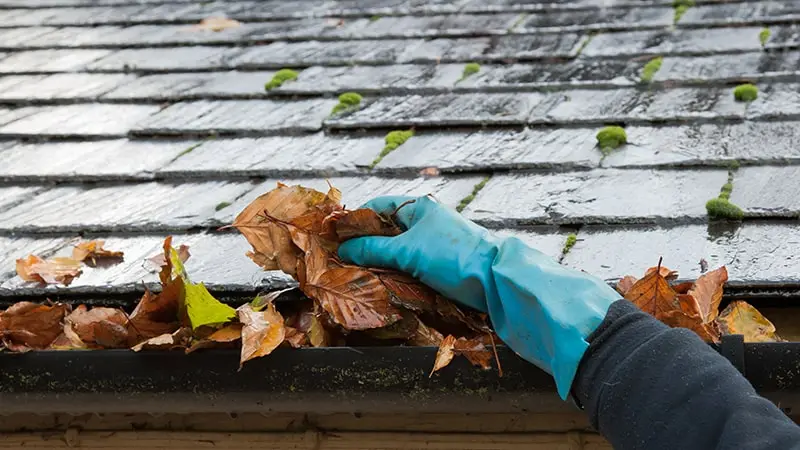
If you see leaves or dirt around drain openings, the drain may already be partly blocked. This debris can form a small dam. Then, during heavy rain, water may not enter the drain fast enough.
- Water stains on ceilings or walls
Water stains on ceilings or walls may point to a roof drainage problem. A brown ring, peeling paint, or soft drywall can mean water has found its way inside. Even a small stain deserves attention.
- Overflow during rain
A roof drain overflowing during rain can mean the system cannot handle the water flow. The cause may be a blocked roof drainage system, a narrow pipe, or debris stuck deeper inside the line.
Benefits of Roof Drain Cleaning Service
A roof drain cleaning service does more than clear a messy drain. It helps your whole home stay dry, safe, and easier to maintain. Also, regular roof drain maintenance can reduce stress during storm season because you know water has a clear path out.
- Helps prevent roof leaks
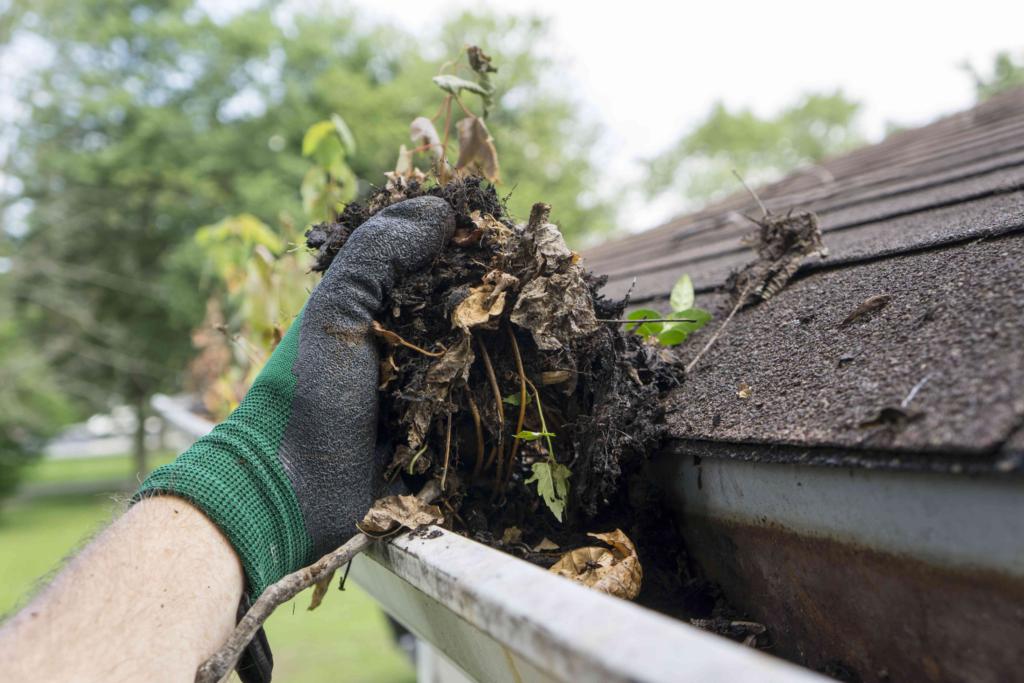
Clean drains help prevent roof leaks by moving rainwater away quickly. When water sits too long, it can sneak under seams, flashing, or weak spots. Regular cleaning gives water fewer chances to find a way inside.
- Reduces water damage risk
Water damage can spread fast. It may begin on the roof, but then it can reach insulation, ceilings, walls, floors, and furniture. Roof drainage cleaning lowers that risk by keeping rainwater moving in the right direction.
- Protects your home’s structure
Your home’s structure depends on staying dry. When a roof drain backs up, water can add weight and pressure. Over time, this may stress roof decking, support beams, and nearby wall areas.
- Improves roof life
A clean drainage system can help your roof last longer. Standing water, mud, and decaying leaves can break down roofing surfaces. Therefore, regular residential roof drain cleaning is like giving your roof a longer, healthier life.
- Saves money on repairs
Small cleanings often cost less than major repairs. For example, removing leaves from a drain is far cheaper than fixing damaged drywall, wet insulation, or a leaking roof section. Preventive care usually wins.
- Keeps outdoor areas cleaner
Clean roof drains also help keep outdoor areas cleaner. When water flows properly, it does not spill over edges, splash mud onto walls, or flood patios. As a result, your home looks fresher after rain.
Common Causes of Clogged Roof Drains
If you have ever asked, “Why is my roof drain clogged?” the answer is usually simple: debris has built up over time. Roof drains collect water from a wide area, so they also collect whatever the wind, trees, birds, and weather leave behind.
- Leaves and twigs
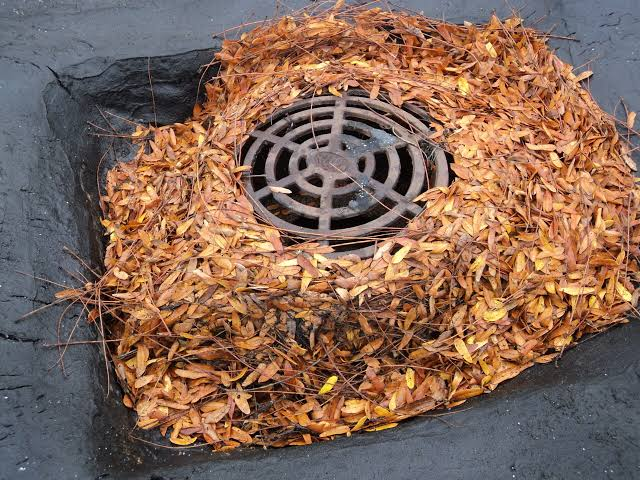
Leaves and twigs are the most common cause of a flat roof drain clogged after storms. They gather around the drain like a plug in a bathtub. Once they mat together, water struggles to pass through.
- Dirt and mud
Dirt and mud can wash across the roof and settle inside drains. Over time, this buildup becomes thick and heavy. As a result, roof drain unclogging may require flushing, scooping, or deeper pipe cleaning.
- Moss and algae
Moss and algae can loosen during rain and slide toward roof drains. This slimy material may block screens and narrow pipe openings. For roof surface buildup, a gentle soft wash roof cleaning method can help reduce growth without rough scrubbing.
- Bird nests and pests
Birds, insects, and small pests sometimes build nests near warm, sheltered roof areas. Bits of nesting material can fall into drains. Then, the mix of twigs, feathers, and dirt may cause roof drain backing up during rain.
- Loose roofing materials
Loose roofing granules, broken sealant, small gravel, or bits of flashing can end up in roof drains. These materials may seem tiny, but they can collect in bends and create a stubborn blockage.
- Poor roof maintenance
Poor roof maintenance lets small problems pile up. One leaf becomes a pile of leaves. A small moss patch spreads. A slow drain becomes a full clog. Regular roof drain maintenance keeps these issues from growing.
How a Roof Drain Cleaning Service Works?
A professional roof drainage service usually follows a step-by-step process. The goal is simple: find the blockage, remove it safely, and test the water flow. Although every home is different, most services include the same basic checks.
- Roof and drain inspection
The cleaner first checks the roof surface, drain openings, nearby gutters, scuppers, and downspouts. This inspection helps spot obvious debris, damaged drain covers, standing water, loose roofing materials, or signs of a clogged roof drain repair issue.
- Removal of visible debris
Next, the cleaner removes visible leaves, twigs, mud, and trash around the drain. This step may look basic, but it matters. Clearing the drain opening often restores water flow right away.
- Drain flushing
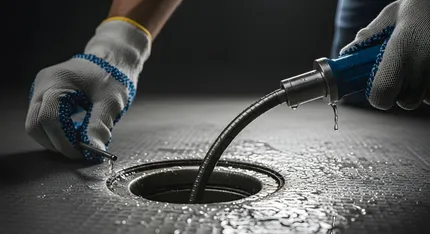
After the top debris is gone, the drain may be flushed with water. This helps push loose dirt through the pipe. It also shows whether the line drains smoothly or still has a hidden blockage.
- Pipe blockage check
If water still drains slowly, the professional checks for pipe blockages. This may involve a hose, drain tool, or camera inspection. If you want to understand basic drain clearing, this guide on how to unclog a drain gives helpful background.
- Minor problem spotting
A good cleaner also watches for small roof issues. They may notice cracked sealant, loose drain screens, damaged flashing, soft spots, or early leaks. These small warnings can help you fix problems before they spread.
- Final water flow test
Finally, the cleaner tests the drain with water. If water flows away quickly, the system is working. This final check gives peace of mind, especially before rainy months or after roof drain blockage removal.
DIY Roof Drain Cleaning Tips
You can handle some light roof drain cleaning tasks yourself, especially if the drain is easy to reach and the roof area is safe. However, roof safety comes first. No clean drain is worth a fall, injury, or damaged roofing surface.
- Clean safely from the ground when possible
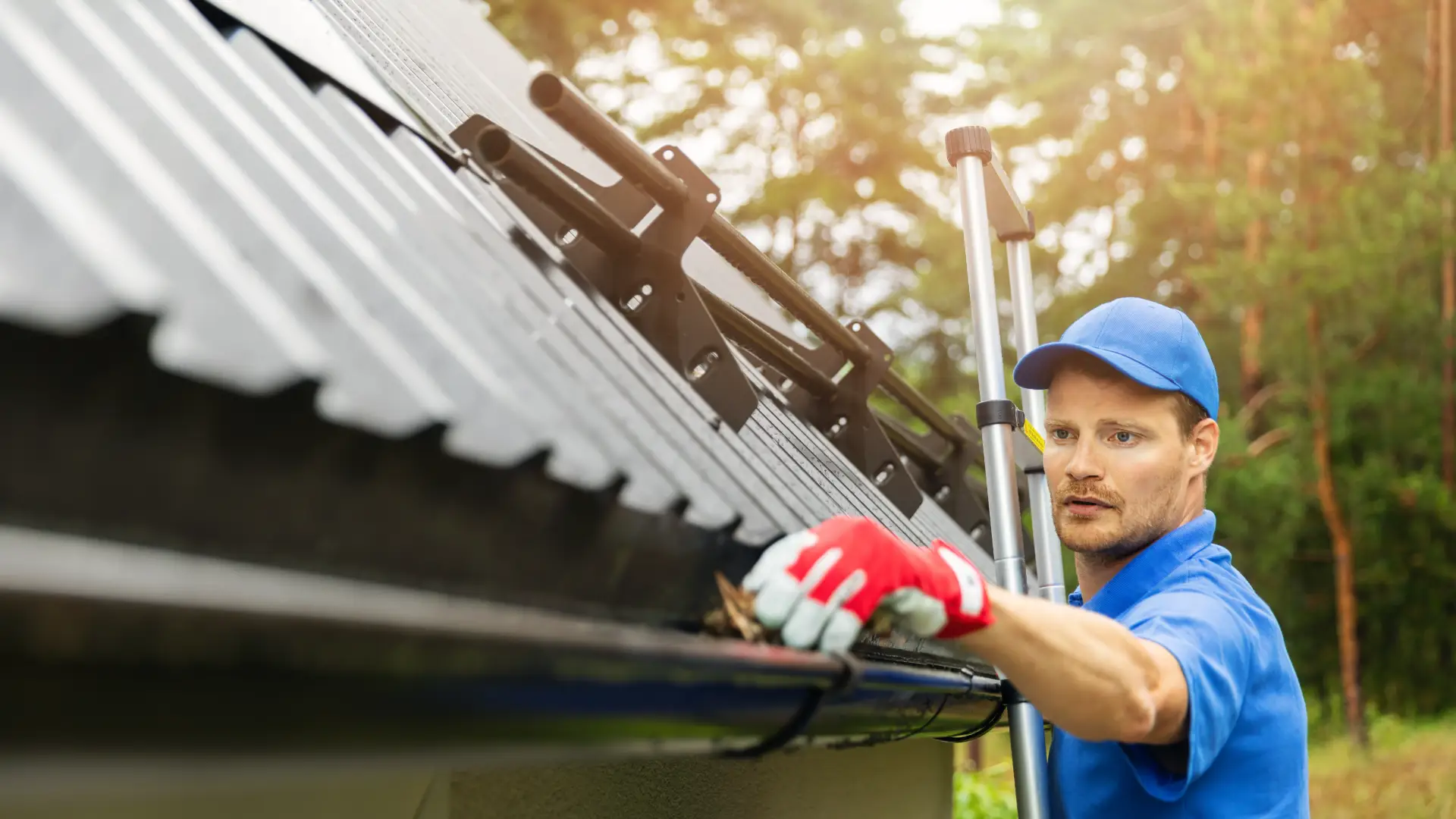
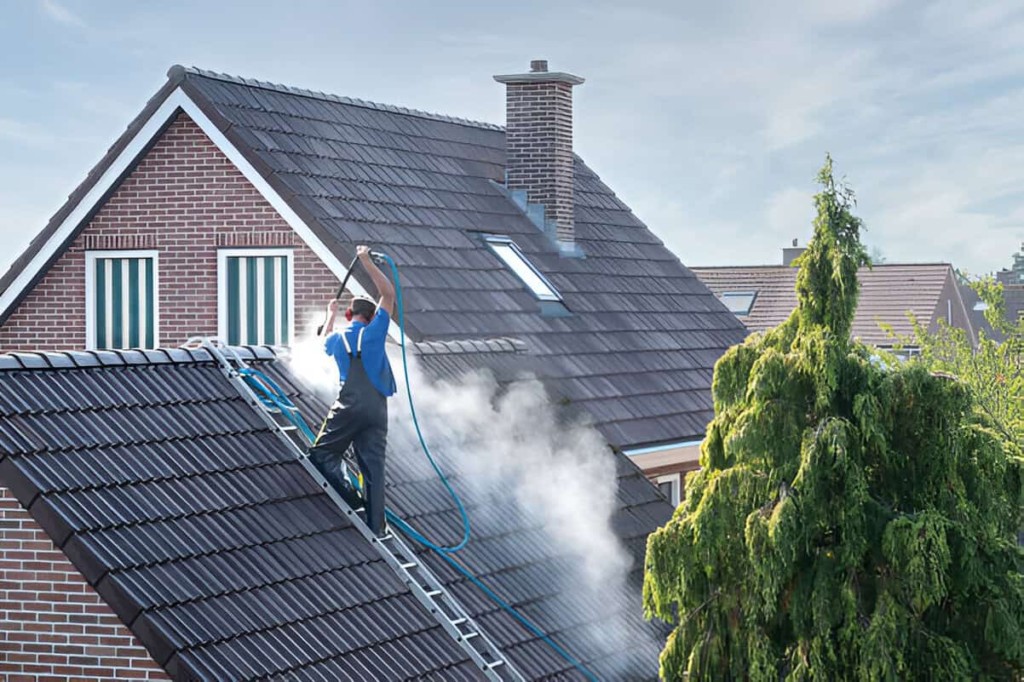
Clean from the ground whenever you can. Use a long-handled tool to remove reachable leaves from lower roof edges, gutters, or downspouts. If a drain sits on a high or steep roof, call a professional instead.
- Remove leaves after storms
After storms, leaves and twigs often gather fast. A quick cleanup can stop them from turning into a thick clog. Therefore, check visible roof edges, drains, and gutters after windy or rainy weather.
- Use gloves and simple tools
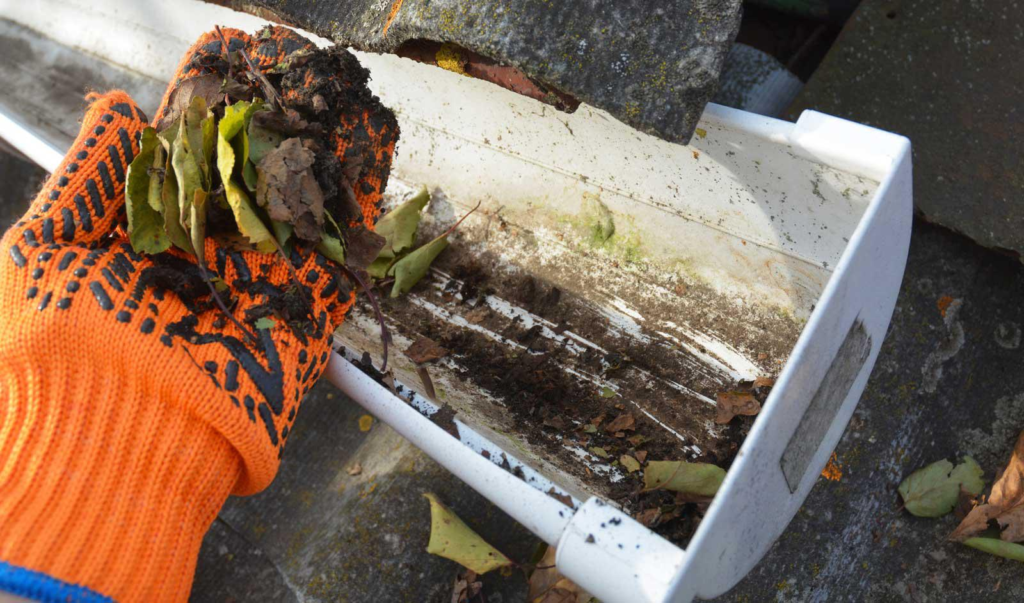
Use gloves, a small scoop, a soft brush, and a bucket or trash bag. These simple tools can remove most surface debris. Avoid sharp tools because they may scratch roofing materials or damage drain screens.
- Check nearby gutters too
Roof drains and gutters work like teammates. If one part clogs, the other may struggle. While checking drains, also inspect nearby roof and gutter areas so rainwater has a clear path from roof to ground.
- Avoid harsh chemicals
Avoid harsh drain chemicals on roof drains. Strong chemicals can damage pipes, roofing materials, sealants, and nearby landscaping. Also, they may not work well on leaves, mud, or roof grit.
- Know when to call a professional
Call a professional if water still drains slowly, the roof feels unsafe, or the clog seems deep. A local roof drain cleaning service has safer tools and more experience with roof drain pipe cleaning.
Roof Drain Cleaning Tools and Supplies
You do not need a truck full of tools for basic drain care. For light maintenance, a few simple supplies can help you keep things tidy. However, professional tools may be needed for deeper roof drain unclogging.
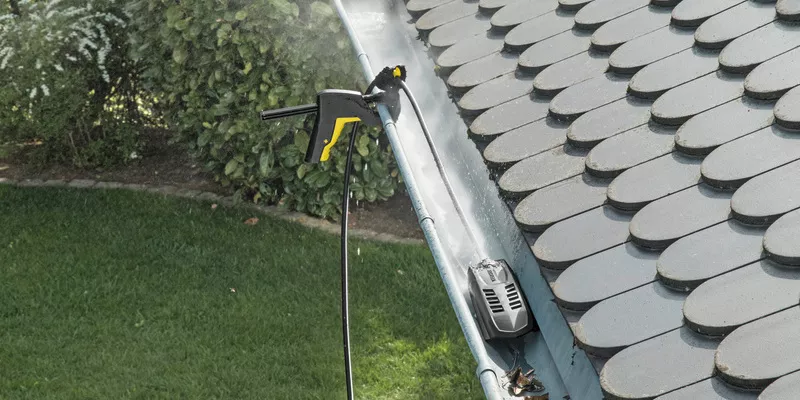
- Gloves
Gloves protect your hands from sharp twigs, dirty water, insects, and rough drain edges. Choose sturdy waterproof gloves if possible. They make the job cleaner, safer, and much less unpleasant.
- Small scoop or brush
A small scoop or soft brush helps remove leaves and mud from around drain openings. A brush works well for sticky dirt. Meanwhile, a scoop makes it easier to lift wet debris into a bag.
- Garden hose
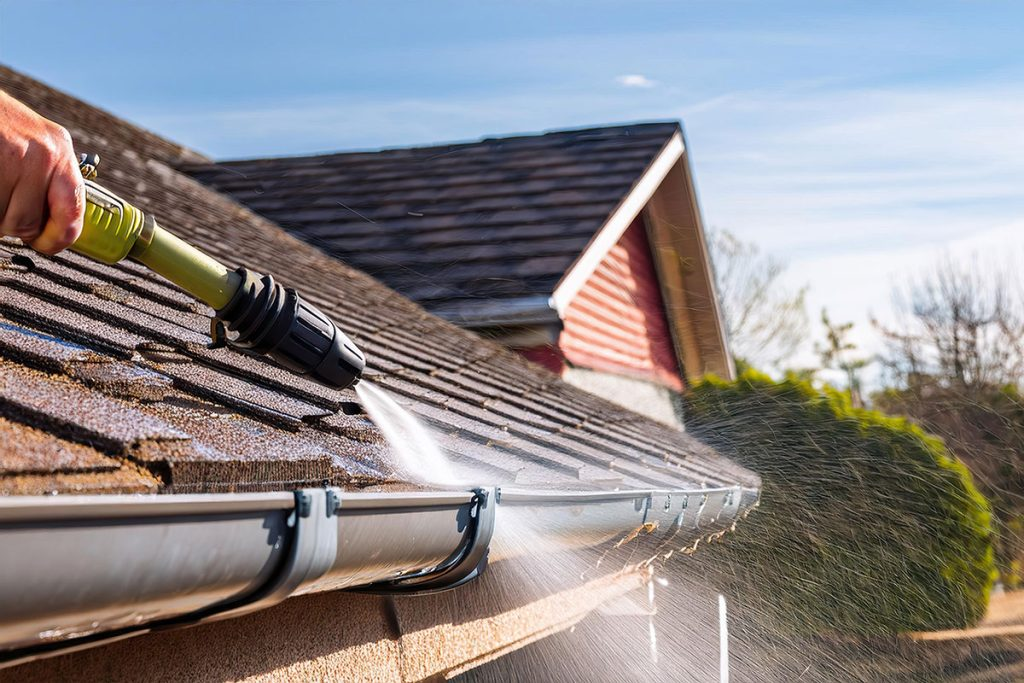
A garden hose can help test water flow after cleaning. Gently run water near the drain and watch how quickly it disappears. If water backs up, the blockage may sit deeper inside the pipe.
- Bucket or trash bag
Use a bucket or trash bag to collect debris. Do not push leaves and mud into the drain because that can make the clog worse. Instead, remove debris from the roof completely.
- Safety ladder
A safety ladder matters if you must access a low roof area. Make sure it sits on firm, level ground. Also, avoid climbing during rain, wind, or when the roof surface looks slick.
- Drain screen
A drain screen helps stop larger debris from entering the drain. It works like a strainer in a kitchen sink. However, you still need to clean the screen because leaves can collect on top.
Professional Service vs. DIY Cleaning
DIY cleaning can help with simple surface debris, but professional service offers deeper cleaning, better safety, and a trained eye. The right choice depends on roof height, clog severity, weather, and your comfort level.
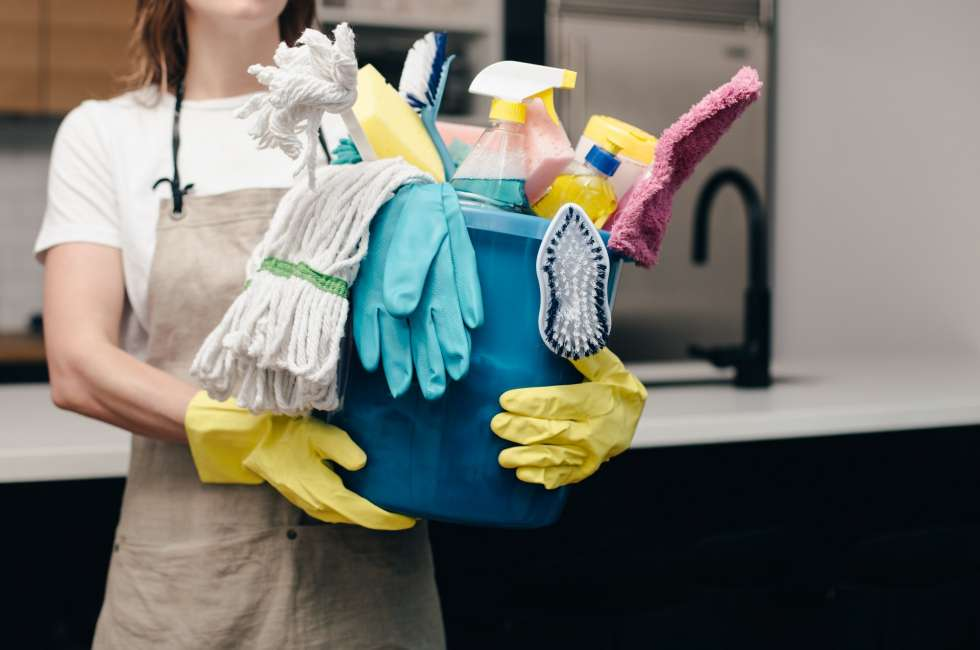
- When DIY is enough
DIY may be enough when debris is light, the drain is easy to reach, and water still flows. For example, removing leaves from a visible drain screen after a small storm can be a simple weekend task.
- When professional help is safer
Professional help is safer when the roof is high, steep, slippery, damaged, or hard to access. Also, call a pro when you see water pooling, roof drain overflowing, or signs of indoor water damage.
- Cost difference
DIY cleaning may cost only the price of gloves, a scoop, and a hose. Professional cleaning costs more, but it includes labor, safety gear, deeper checks, and sometimes minor maintenance advice.
- Time and effort difference
DIY cleaning can take time, especially if you are unsure what to do. A roof drain cleaning company near me may finish faster because they know where clogs hide and how to clear them safely.
- Long-term value
Professional cleaning often brings better long-term value. A trained cleaner may catch a small issue before it becomes a leak. That early warning can save money, stress, and messy repairs later.
How Often Should Roof Drains Be Cleaned?
Most roof drains should be checked at least a few times per year. However, the right schedule depends on your roof type, tree cover, local storms, and how often debris collects. Regular checks are easier than emergency cleanup.
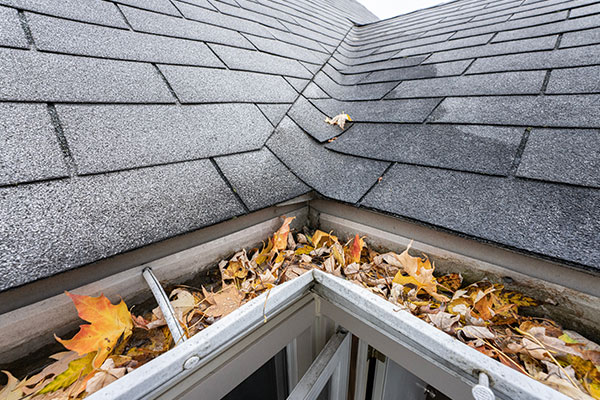
- Seasonal cleaning
Seasonal cleaning works well for many homes. Check roof drains in spring and fall, when leaves, pollen, seeds, and small branches often collect. This keeps drains ready for both summer storms and winter rain.
- After heavy storms
After heavy storms, inspect roof drains as soon as it is safe. Wind can drop leaves, branches, and trash onto the roof. This is especially important for a vacation home that may sit unchecked for weeks.
- Before rainy months
Before rainy months, schedule roof drainage cleaning to prevent surprises. A drain that seemed fine in dry weather may fail during heavy rain. Cleaning ahead of time gives water a clear exit path.
- Homes near trees
Homes near trees may need more frequent cleaning. Leaves, needles, seeds, and small twigs can collect quickly. If branches hang over the roof, roof drain debris removal may become a monthly habit.
- Flat roof homes
Flat roof homes need extra care because water cannot run off as easily. If a flat roof drain clogged once before, create a regular cleaning plan. Flat roof drain cleaning helps reduce standing water and leaks.
How to Choose a Roof Drain Cleaning Service?
Choosing the right service matters because roof work requires care. The best roof drain cleaning service should understand drainage, roof safety, and basic water damage prevention. It should also explain the work clearly before starting.
- Check experience
Look for experience with residential roof drain cleaning, flat roofs, gutters, and downspouts. A company that understands roof drainage cleaning can spot issues faster and clean without harming your roof surface.
- Read local reviews
Search for terms like roof drain cleaning near me, roof drain cleaners near me, or affordable roof drain cleaning. Then, read local reviews carefully. Look for comments about punctuality, safety, clear pricing, and lasting results.
- Ask about roof safety
Ask how the team protects both workers and roofing materials. This matters even more for fragile surfaces. For example, homes with specialty roofing may need care similar to proper tile roof cleaning methods.
- Compare service details
Not every company includes the same tasks. Some only remove surface debris, while others flush pipes, check downspouts, and inspect problem areas. Compare details before choosing a roof drainage service.
- Request clear pricing
Ask for clear pricing before work begins. A good company should explain what affects the cost, such as roof size, number of drains, clog severity, and access. Clear pricing helps avoid surprises.
- Ask about maintenance plans
Some roof drainage contractors near me may offer maintenance plans. These plans can include seasonal checks, gutter cleaning service, roof gutter cleaning, and downspout cleaning service. A plan can be useful for homes near trees.
Roof Drain Cleaning Cost Factors
The cost of roof drain cleaning can vary. A small home with easy roof access may cost less, while a large roof with deep clogs may cost more. Understanding the main cost factors helps you compare quotes fairly.
- Roof size
Roof size affects time and effort. A larger roof may have more surface area to inspect and more debris to remove. Therefore, bigger roofs often cost more to clean.
- Number of drains
More drains mean more cleaning points. Each drain may need debris removal, flushing, and testing. If your home has several drains, the service may take longer.
- Clog severity
A light leaf clog is usually simple. However, a deep blockage inside the drain pipe takes more work. Severe clogs may require roof drain pipe cleaning, special tools, or clogged roof drain repair.
- Roof access
Easy roof access can lower labor time. Difficult access, steep areas, high roofs, or tight spaces may raise the price because the team needs extra safety steps and equipment.
- Emergency service needs
Emergency roof drain cleaning often costs more than scheduled cleaning. If water is pouring over the roof edge or entering the home, the company may need to respond quickly during bad weather.
- Extra repairs
Extra repairs can add to the final cost. For example, damaged drain covers, cracked flashing, loose sealant, or broken downspouts may need fixing after the cleaning work is complete.
Simple Maintenance Tips for Homeowners and Renters
Simple habits can keep roof drains working better between professional visits. You do not need to become a roofing expert. Instead, focus on easy checks, quick reporting, and smart prevention.
- Keep nearby trees trimmed
Trim branches that hang over the roof when possible. This reduces leaves, twigs, seeds, and moss buildup. It also helps prevent branches from scraping roofing materials during windy weather.
- Check drains after windy days
Windy days can move debris across the roof like a broom. After strong wind, look for leaves near visible drains, gutters, or downspouts. A quick check can stop a clog before rain arrives.
- Use drain covers
Drain covers help catch large debris before it enters the pipe. They are not a perfect fix, but they make cleaning easier. Just remember to clear debris from the cover regularly.
- Report issues early if renting
Renters should report slow drainage, ceiling stains, bad smells, or water overflow early. Early reporting helps the property owner fix the issue before it damages walls, ceilings, or shared outdoor areas.
- Add roof checks to seasonal cleaning
Add roof checks to your seasonal cleaning routine. Just as you might refresh closets or clean patio furniture, you can also check visible drainage areas. This habit keeps home care simple.
- Watch for indoor water stains
Indoor water stains often tell a story. If you notice yellow or brown marks on ceilings or walls, do not ignore them. They may point to a leak from a blocked roof drainage system.
Mistakes to Avoid with Roof Drains
Roof drain problems often get worse because people wait too long or use the wrong fix. Avoiding a few common mistakes can protect your home and make maintenance much easier.
- Ignoring small puddles
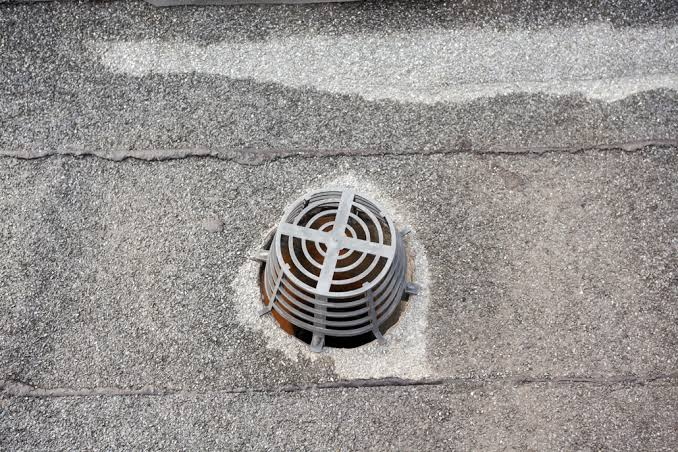
Small puddles may seem harmless, but they can signal poor drainage. If water sits in the same spot after every rain, check the drain. Repeated pooling can damage roofing materials over time.
- Walking on the roof without safety
Walking on the roof without safety can cause injuries and roof damage. Wet surfaces, moss, and loose materials can make the roof slippery. When in doubt, stay off the roof and call a professional.
- Using strong chemicals
Strong chemicals may promise quick results, but they can cause damage. They may harm pipes, seals, roofing membranes, plants, and pets. For roof drain unclogging, physical debris removal is usually safer.
- Forgetting after storms
Storms can turn a clean drain into a blocked drain in one afternoon. After heavy wind or rain, check what you can see safely. Fast action helps prevent roof drain backing up during the next storm.
- Delaying professional help
Delaying professional help can turn a simple cleaning into a bigger repair. If water keeps pooling or overflowing, schedule a local roof drain cleaning service before the problem spreads indoors.
- Covering drains with decor or storage
Never cover roof drains with planters, patio items, storage boxes, or outdoor decor. A drain needs open space to collect water. Blocking it is like putting a rug over a floor vent.
Conclusion
A roof drain cleaning service is a simple way to protect your home from leaks, stains, and water damage. Clean drains help rainwater leave the roof quickly, which keeps the roof, walls, ceilings, and outdoor spaces safer. You can handle light cleaning when the area is safe and easy to reach. However, deeper clogs, flat roof issues, overflowing drains, and unsafe roof access call for professional help. With regular roof drain maintenance, smart seasonal checks, and quick action after storms, your roof drainage system can keep working like a clear, steady path for rainwater.
Frequently Asked Questions
A roof drain cleaning service usually includes inspection, debris removal, drain flushing, pipe blockage checks, and a final water flow test. Some companies also clean gutters, downspouts, and nearby drainage areas.
Most roof drains should be checked at least twice a year. However, homes near trees, flat roofs, and areas with frequent storms may need roof drain maintenance more often.
Yes, you can clean light debris yourself if the drain is easy to reach and the area is safe. However, avoid climbing on steep, wet, or high roofs.
A clogged roof drain can cause water pooling on roof surfaces, leaks, stains, mold, overflow, and damage to roofing materials. In serious cases, it may lead to expensive repairs.
The cost depends on roof size, number of drains, clog severity, roof access, and emergency needs. Affordable roof drain cleaning is often cheaper than repairing water damage later.
Yes, flat roof drain cleaning is very important. Flat roofs do not shed water as quickly as sloped roofs, so a clogged drain can cause standing water and leaks.
Yes, renters should watch for signs like ceiling stains, bad smells, slow drainage, or overflow. Report problems early so the property owner can arrange roof drainage service.
Call a professional when the roof feels unsafe, water keeps pooling, the roof drain is overflowing, or you suspect a deep blockage. Search for a roof drain cleaning company near me for local help.