
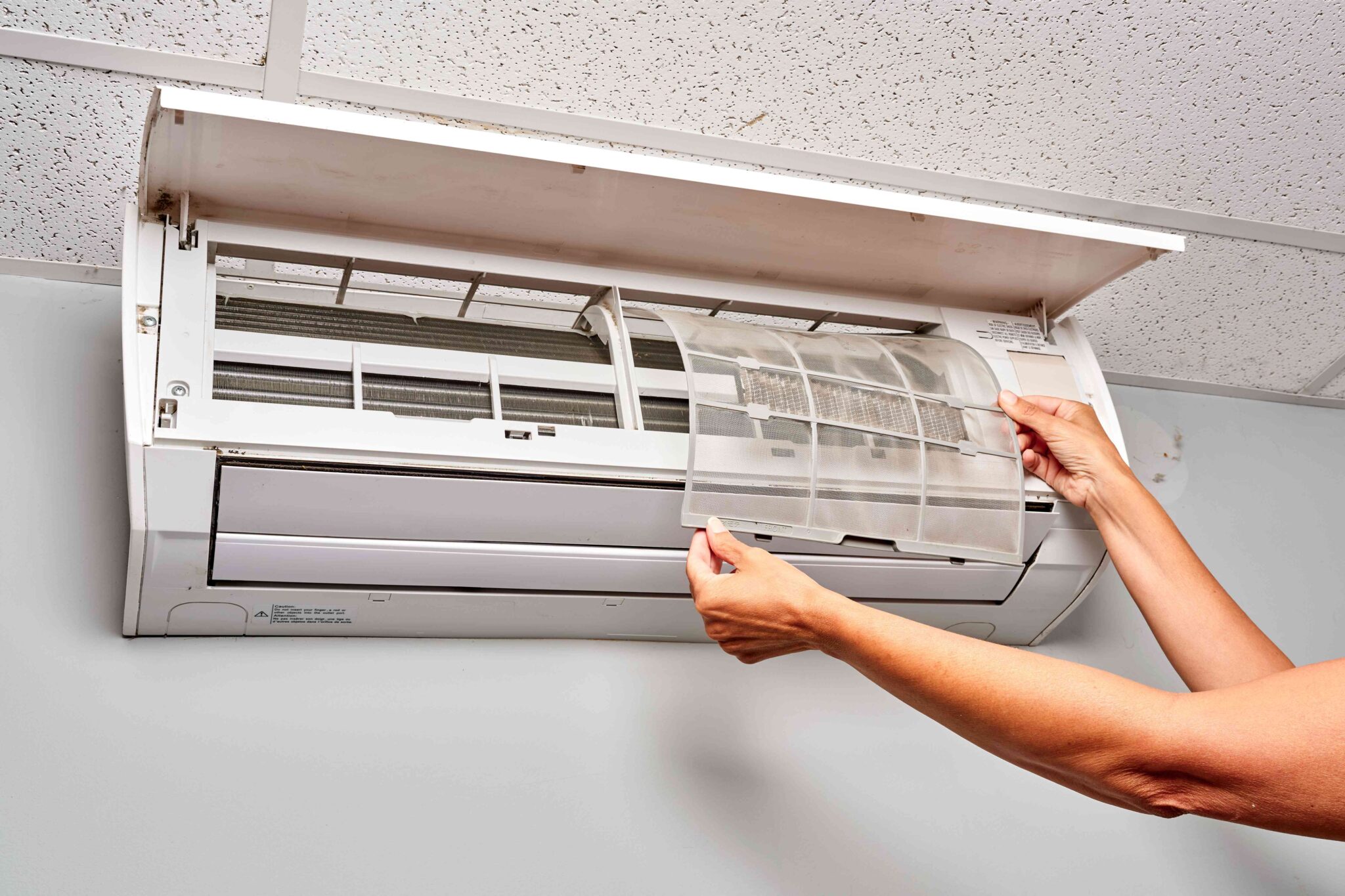

How to clean air conditioner filter is one of the easiest home maintenance skills to learn, yet it can make a big difference in comfort, air quality, and energy use. A clean filter helps your AC breathe better, much like opening a window in a stuffy room.
What Is an Air Conditioner Filter?
An air conditioner filter is a thin screen or panel inside your AC system that catches dust, lint, pet hair, pollen, and other tiny particles before air moves through the unit. Think of it like a coffee filter, but instead of trapping coffee grounds, it traps dirt from the air. Most home AC units have either washable filters or disposable filters. Some filters slide out from the front, while others sit behind a return air grille. No matter the style, the job is simple: keep the air cleaner and protect the AC from dirt buildup.
Why Cleaning Your Air Conditioner Filter Matters
Air conditioner filter cleaning matters because your AC needs smooth airflow to work well. When dust covers the filter, air cannot pass through easily. As a result, the unit works harder, cools slower, and may use more electricity. A dirty air conditioner filter can also push dust back into the room, which makes surfaces look dull and may affect how fresh the space feels. Regular AC filter maintenance is a small task, but it protects both comfort and the machine. In many homes, it is one of the simplest ways to support better cooling.
Benefits of Cleaning an Air Conditioner Filter
DIY AC filter cleaning gives quick and noticeable benefits. It helps the AC move air more freely, keeps the room fresher, and may lower energy waste. Also, it supports better air conditioner maintenance because dirt does not collect as quickly inside the unit. When the filter stays clean, the whole system has an easier job.
- Better Indoor Air Quality
A clean filter catches dust before it floats around the room. Therefore, the air feels fresher, and furniture may stay cleaner for longer. This is especially helpful in bedrooms, living rooms, and workspaces where comfort matters every day.
- Lower Energy Bills
A clogged AC filter forces the unit to push air through a dusty barrier. Because of that, the AC may run longer than needed. Cleaning the filter helps airflow return to normal and may reduce wasted energy.
- Stronger Cooling Performance
When the filter is clean, cool air moves through the AC more easily. As a result, the room can cool faster and more evenly. This is one of the biggest reasons to learn how to clean AC filter at home.
- Longer AC Lifespan
Dust makes an AC work harder. Over time, that extra strain can wear parts down faster. However, regular washable AC filter cleaning helps reduce stress on the unit and supports a longer service life.
How Often Should You Clean an Air Conditioner Filter?
How often to clean AC filter depends on use, dust, pets, and weather. As a simple rule, check the filter every two to four weeks during regular use. During hot months, check it more often. If it looks gray, fuzzy, or blocked, clean it. If it is disposable, replace it instead.

- Normal Home Use
For normal home use, clean a washable filter about once a month. However, check it every few weeks if the AC runs daily. A quick look can prevent airflow problems before they become annoying.
- Homes With Pets
Pet hair and dander can fill a filter faster than regular dust. Therefore, homes with cats or dogs may need cleaning every two weeks. If pets shed heavily, check the filter weekly during summer.
- Dusty Rooms or Renovation Areas
Dust from sanding, painting prep, or moving furniture can clog filters quickly. During renovation work, check the AC filter often. Better yet, avoid running the AC during heavy dust work when possible.
- Heavy Summer Use
During hot weather, the AC may run for many hours each day. Because of that, the filter collects more dust. In peak summer, clean or check the filter every two weeks for steady cooling.
Signs Your Air Conditioner Filter Needs Cleaning
A filter does not always need a calendar reminder to tell you it is dirty. Sometimes the AC gives clear signs. Common clogged AC filter symptoms include weak airflow, dusty rooms, musty smells, higher bills, and slow cooling. If these signs appear, inspect the filter before assuming the unit is broken.

- Weak Airflow
Weak airflow is one of the first signs of a clogged filter. If the AC sounds normal but the air feels soft or weak, the filter may be blocking the path. Cleaning it can often help quickly.
- More Dust in the Room
If shelves, tables, or décor pieces get dusty soon after cleaning, the AC filter may not be trapping particles well. A dirty filter can let more dust move around the room instead of catching it.
- Bad or Musty Smells
A dirty air conditioner filter may hold moisture, dust, and odors. Because of this, the air can smell stale or musty when the AC starts. Cleaning the filter often improves the smell.
- Higher Electricity Bills
If the electricity bill rises without a clear reason, your AC may be working harder than usual. A clogged AC filter can increase run time, which may lead to higher energy use.
- AC Taking Longer to Cool
When the filter is blocked, cool air does not move freely. As a result, the AC may take longer to cool the room. Before calling for repairs, check and clean the filter first.
Tools You Need to Clean an Air Conditioner Filter
You do not need fancy tools for home AC maintenance. In most cases, simple cleaning items work well. Before starting, gather a vacuum cleaner, a soft brush, mild soap, clean water, and a dry towel. These tools help remove dust without damaging the filter material.

- Vacuum Cleaner
A vacuum cleaner helps remove loose dust before washing. Use a brush attachment if available. This step keeps dust from turning into muddy residue when water touches the filter.
- Soft Brush
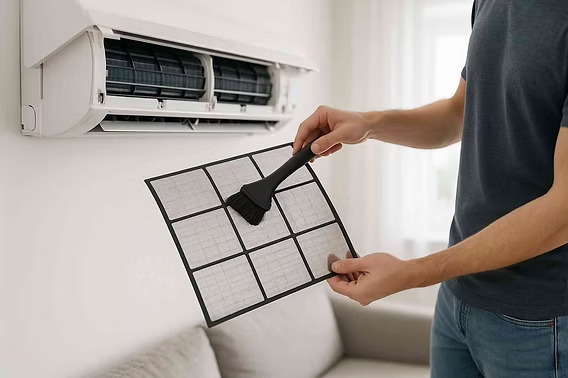
A soft brush helps loosen stuck dirt. However, use gentle pressure. The filter material can bend, tear, or lose shape if scrubbed too hard, especially on lightweight washable filters.
- Mild Soap
Mild soap can help remove oily dust or stubborn grime. Choose a gentle dish soap or light cleaning solution. Avoid bleach, strong degreasers, or harsh chemicals because they can damage the filter.
- Clean Water
Clean water is usually enough for how to wash AC filter safely. Use cool or lukewarm water, not hot water. A gentle rinse can remove dust without warping the frame or mesh.
- Dry Towel
A dry towel helps remove extra water after washing. Place the filter on the towel and let it air dry fully. Never reinstall a wet filter because moisture can cause odors and dust buildup.
How to Clean Air Conditioner Filter Step by Step?
Learning how to clean air conditioner filter is simple once the steps are clear. The main goal is to remove dust gently, wash only washable filters, dry them fully, and reinstall them correctly. Always check the AC manual when available, because filter designs can vary by model.
- Turn Off the AC
First, turn off the AC and unplug it if possible. This protects you and the unit. Also, it stops dust from being pulled into the system while the filter is removed.
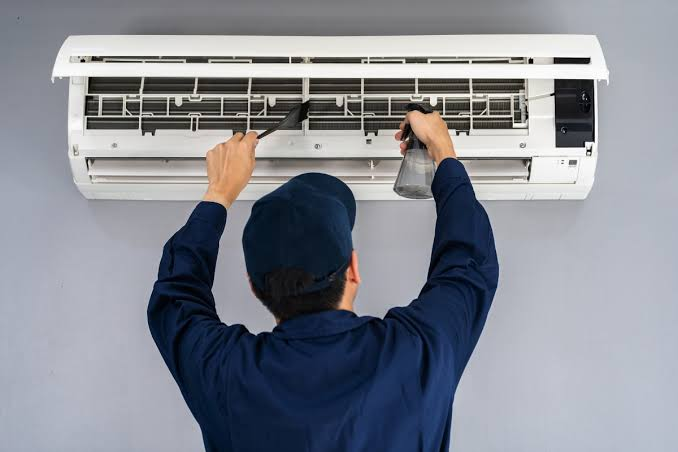
- Open the Front Cover
Next, open the front cover or return air grille. Most covers lift, slide, or pop open with light pressure. Do not force it. If it feels stuck, check for clips or screws.
- Remove the Filter Carefully
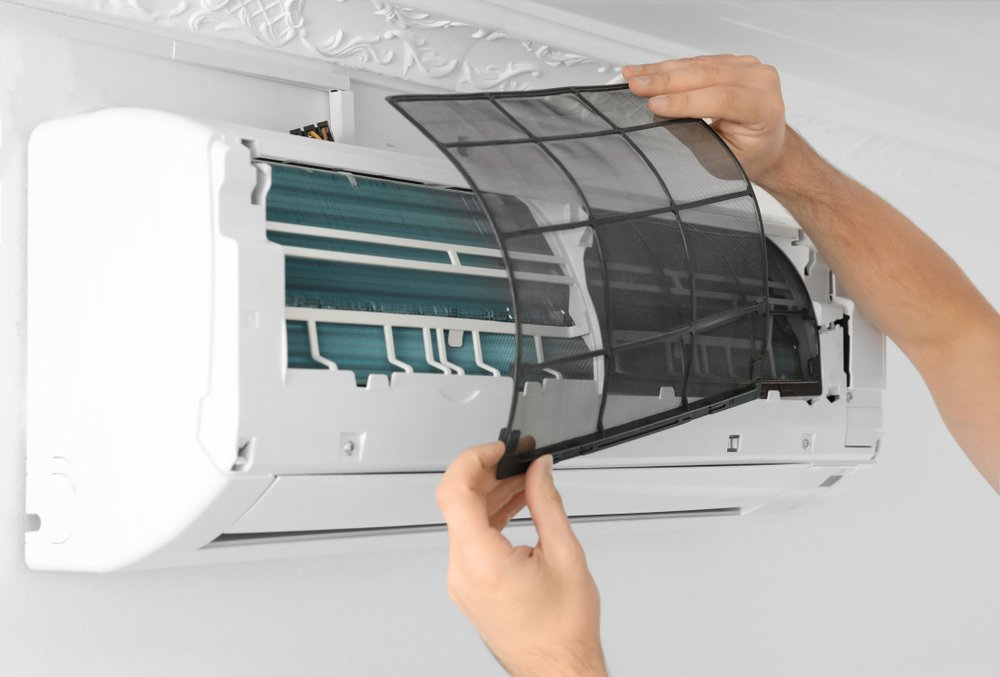
Now, learn how to remove AC filter without bending it. Slide or lift it out slowly. Notice which side faces the room or airflow direction, so you can reinstall it correctly later.
- Vacuum Loose Dust
Before washing, vacuum both sides of the filter. This removes loose dust, lint, and hair. It also makes the washing step easier and prevents dirt from spreading around the sink or tub.
- Wash the Filter
If the filter is washable, rinse it with cool water. For heavy dirt, add a small amount of mild soap and gently clean it with your fingers or a soft brush. Rinse until the water runs clear.
- Let It Dry Fully
Let the filter dry fully before putting it back. Place it on a towel in a shaded, airy spot. Avoid direct harsh sunlight, hair dryers, or heaters because strong heat may damage the filter.
- Put the Filter Back
Finally, learn how to reinstall AC filter the right way. Slide it back in the same position it came out. Close the cover securely, turn the AC on, and check that airflow feels normal.
How to Clean Different Types of AC Filters?
Different AC units have different filter styles, so the cleaning method may change slightly. Still, the main idea stays the same: remove dust, rinse washable filters, dry fully, and reinstall carefully. Here is how to clean home AC filter types commonly found in everyday spaces.

- Window AC Filters
To clean a window AC filter, turn off the unit and open the front panel. Slide out the filter, vacuum dust, rinse it gently, and dry it fully. If you need help with the unit itself, this guide on window AC setup can also be useful.
- Split AC Filters
To clean split AC filter, lift the indoor unit cover and remove the mesh filters carefully. Vacuum them first, then rinse with cool water. Let them dry in shade. After that, place them back neatly under the front cover.
- Portable AC Filters
Portable AC filters often sit behind a side or back panel. Remove the panel, slide out the filter, and vacuum loose dirt. Wash only if the manual says it is washable. Then dry it completely before reinstalling.
- Central AC Filters
Central AC filters are usually near the return air grille or inside the air handler. Many are disposable, so they should be replaced, not washed. If the filter is reusable, clean it according to the manufacturer’s instructions.
Mistakes to Avoid When Cleaning an AC Filter
Cleaning an AC filter is easy, but a few mistakes can cause problems. For example, hot water may warp the filter, rough scrubbing may tear the mesh, and reinstalling a wet filter may create smells. Good HVAC filter cleaning is gentle, patient, and consistent.
- Using Hot Water
Hot water can bend plastic frames or weaken filter material. Therefore, use cool or lukewarm water. If dirt is stubborn, soak the filter briefly with mild soap instead of turning up the heat.
- Scrubbing Too Hard
A filter is not a floor tile. It does not need hard scrubbing. Use a soft brush and gentle movement. If the mesh tears or stretches, the filter may not work properly.
- Reinstalling a Wet Filter
Never reinstall a wet filter. Moisture can collect dust quickly and may lead to musty smells. Also, dampness near the AC can create a less fresh indoor environment.
- Using Strong Chemicals
Strong chemicals may damage the filter and leave harsh smells behind. Also, chemical residue can move through the air when the AC runs. Mild soap and water are usually enough.
- Forgetting the Cleaning Schedule
It is easy to forget AC filter maintenance until the room feels warm or dusty. Set a monthly reminder during cooling season. A small routine can prevent bigger comfort problems later.
When to Replace Instead of Clean the Filter?
Cleaning works only when the filter is made to be cleaned and still in good condition. Sometimes filter replacement is the better choice. If the filter is torn, smells bad after cleaning, stays dusty, or is labeled disposable, replace it. A clean-looking damaged filter may still fail to catch dust well.
- Visible Damage
Replace the filter if you see holes, cracks, broken frames, or stretched mesh. A damaged filter can let dust pass through, which may dirty the AC and reduce indoor air quality.
- Bad Smell After Cleaning
If the filter still smells musty after washing and drying, replacement may be needed. Odors can get trapped in old material. A fresh filter can help restore cleaner air.
- Heavy Dust Build-Up
If thick dust remains after vacuuming and washing, the filter may be too clogged to save. In that case, replacing it is safer than forcing the AC to work through blocked material.
- Disposable Filters
Disposable filters should not be washed. Water can ruin the material and reduce performance. Instead, replace them according to the label or manual. This is common with many central HVAC filter cleaning situations.
- Manufacturer’s Advice
Always follow the manufacturer’s advice when it is available. Some filters need monthly cleaning, while others need replacement every one to three months. The manual gives the safest guidance for your exact unit.
Simple AC Care Tips for a Cleaner Home
AC filter cleaning works best when the rest of the room stays clean too. Dusty rooms fill filters faster. Therefore, simple air conditioner maintenance tips can make a big difference. Keep vents clear, dust often, block harsh sunlight, clean around the indoor unit, and schedule seasonal checks.
- Keep Vents Clear
Do not block vents with curtains, rugs, furniture, or storage boxes. Clear vents help air move freely. For more airflow-related cleaning ideas, this guide on vent cleaning is a helpful read.
- Dust Rooms Often
Dusting rooms often helps the AC filter stay cleaner for longer. Use a microfiber cloth on shelves, tables, fans, and décor pieces. For seasonal spaces or extra help, home cleaning tips can support a fresher routine.
- Use Curtains During Hot Hours
Curtains can block strong sun during the hottest part of the day. As a result, the AC does not need to fight as much heat. This simple habit can improve comfort and support lower energy use.
- Clean Around the Indoor Unit
Dust around the indoor unit can get pulled toward the filter. Wipe the outside cover, nearby wall, and surrounding surfaces. For more practical ideas, these home hacks can help with easy upkeep.
- Book Seasonal Maintenance
A clean filter helps, but the whole AC also needs care. Book seasonal maintenance if the unit makes strange sounds, leaks water, cools poorly, or smells bad. A technician can check coils, drains, and refrigerant levels.
Best Products for Easy AC Filter Cleaning
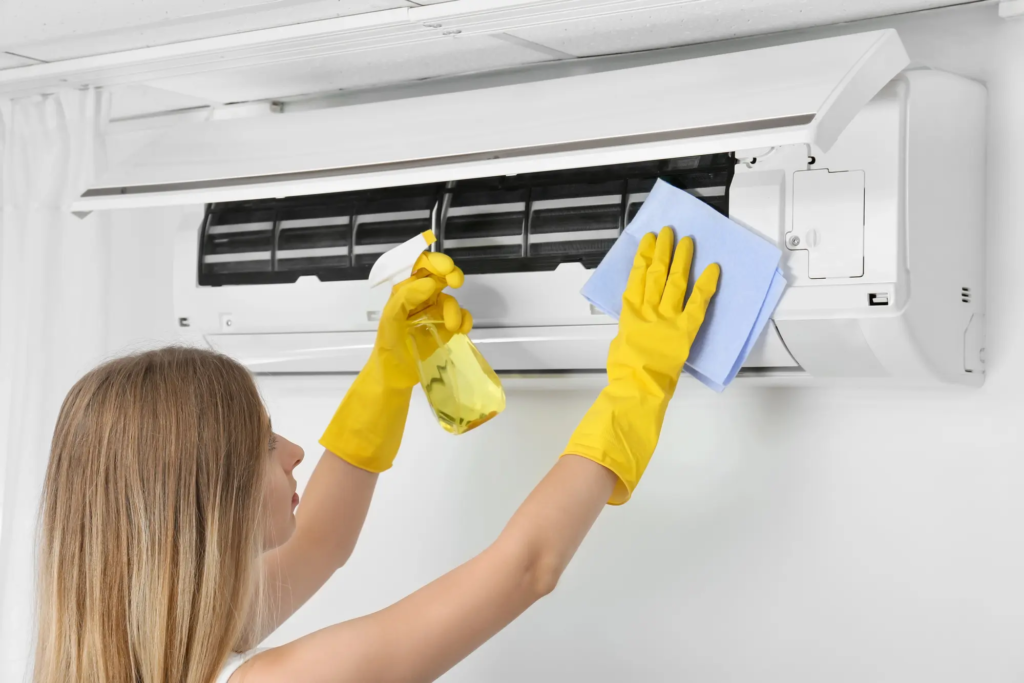
The best cleaning products are simple, gentle, and easy to store. You do not need a cabinet full of supplies. A handheld vacuum, microfiber cloths, gentle spray, soft brush, and replacement filters cover most needs. These items also fit into regular home care and deep cleaning routines.
- Handheld Vacuum
A handheld vacuum is useful for quick dust removal. It works well on filters, vents, window tracks, and corners. Choose one with a brush attachment for gentle AC filter maintenance.
- Microfiber Cloths
Microfiber cloths trap dust better than many basic rags. Use them to wipe the AC cover, nearby surfaces, and vents. They are washable, reusable, and easy to keep in a cleaning basket.
- Gentle Cleaning Spray
A gentle cleaning spray can help wipe the outside of the AC unit. However, do not spray chemicals directly into the unit or onto the filter unless the product is safe for that use.
- Soft Cleaning Brush
A soft cleaning brush helps remove dust from filter corners and plastic covers. A small paintbrush or soft dish brush can work well. Keep it separate from heavy cleaning tools.
- Replacement Filters
Keep replacement filters ready if your AC uses disposable filters. Also, keep one spare washable filter if your model allows it. This helps when the old filter is drying or needs replacement.
Conclusion
Knowing how to clean air conditioner filter makes home AC maintenance easier, cheaper, and less stressful. A clean filter helps air move better, supports stronger cooling, reduces dust, and protects the AC from extra strain. The steps are simple: turn off the unit, remove the filter, vacuum dust, wash if allowed, dry fully, and reinstall it correctly. With a steady cleaning schedule, the AC can work more smoothly and keep the home feeling fresh.
Frequently Asked Questions
To clean an air conditioner filter at home, turn off the AC, open the cover, remove the filter, vacuum loose dust, rinse it with cool water if it is washable, let it dry fully, and reinstall it carefully.
Yes, you can wash your AC filter with water if it is washable. However, do not wash disposable filters. Always use cool or lukewarm water and let the filter dry completely before reinstalling it.
For normal use, clean a washable AC filter about once a month. During heavy summer use, pet shedding, or dusty work, check it every one to two weeks.
If you do not clean your AC filter, dust can block airflow. As a result, the AC may cool poorly, use more energy, smell musty, and wear out faster.
Yes, mild soap can help clean a dirty AC filter. Use only a small amount and rinse it well. Avoid bleach, strong chemicals, and harsh cleaners.
An AC filter should dry until it is completely moisture-free. This may take a few hours, depending on airflow and humidity. Do not reinstall it while damp.
Clean the filter if it is washable and still in good shape. Replace it if it is disposable, torn, badly clogged, or still smells bad after cleaning.
Yes, a dirty AC filter can make a room smell bad. Dust, moisture, and trapped particles can create a stale or musty odor when the AC runs.