
How long does it take to become a plumber? In most cases, it takes about 2 to 5 years, depending on training, apprenticeship rules, and license needs. However, the path is more flexible than many people think. With the right plan, plumbing can become a steady, hands-on career with useful home repair skills.
What Is a Plumber?
A plumber is a skilled trade worker who installs, fixes, and maintains water, drain, gas, and pipe systems. Plumbers work in homes, apartments, offices, schools, restaurants, and new buildings. Also, they help protect comfort, safety, and property value. When a sink drains, a shower runs, or a toilet flushes, plumbing makes it happen behind the walls.
- Basic job role
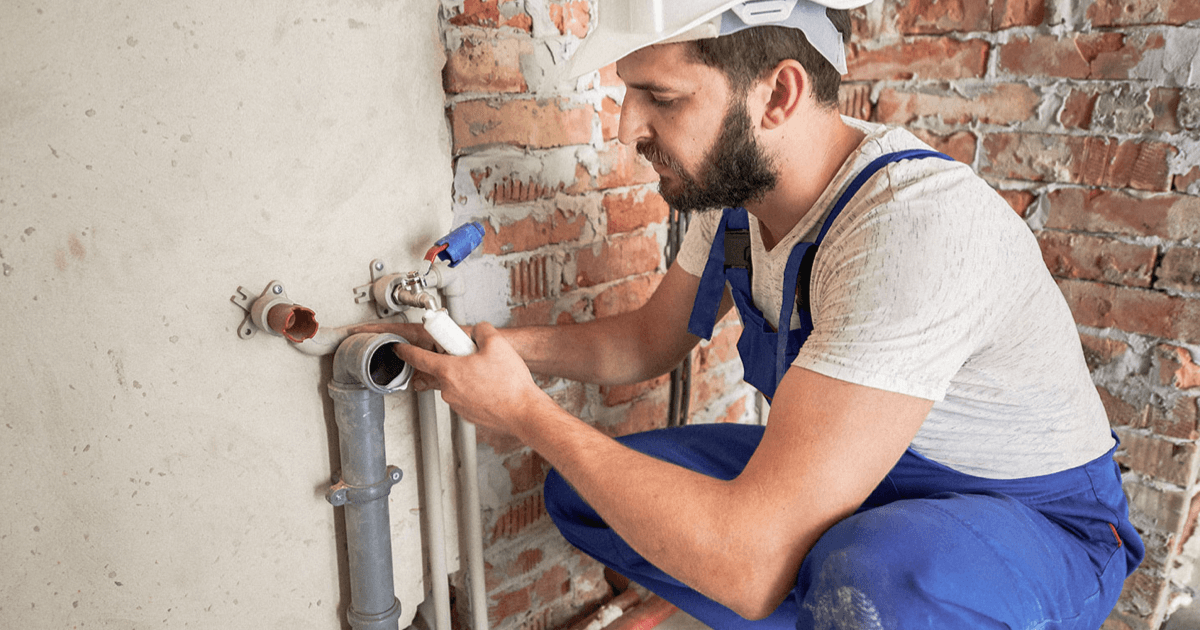
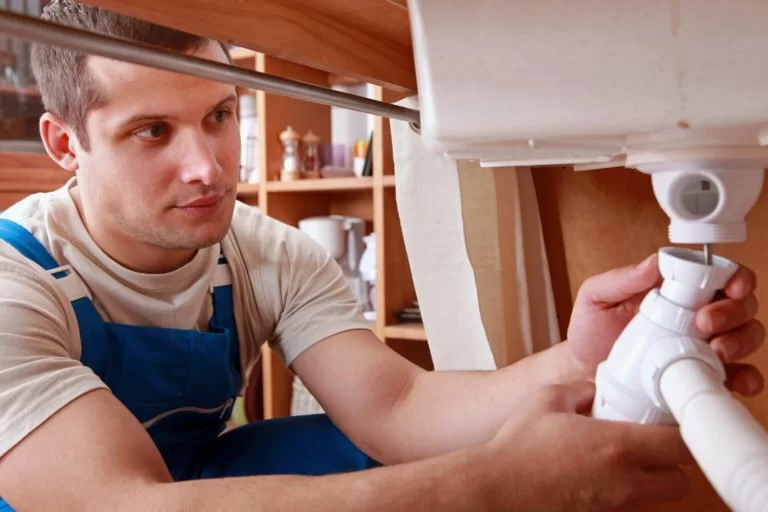
The basic job of a plumber is to keep water and waste moving the right way. This includes installing pipes, finding leaks, repairing fixtures, and checking plumbing systems. In simple terms, a plumber works like a doctor for a home’s water system. They diagnose the problem, choose the right tool, and fix it safely.
- Common plumbing tasks
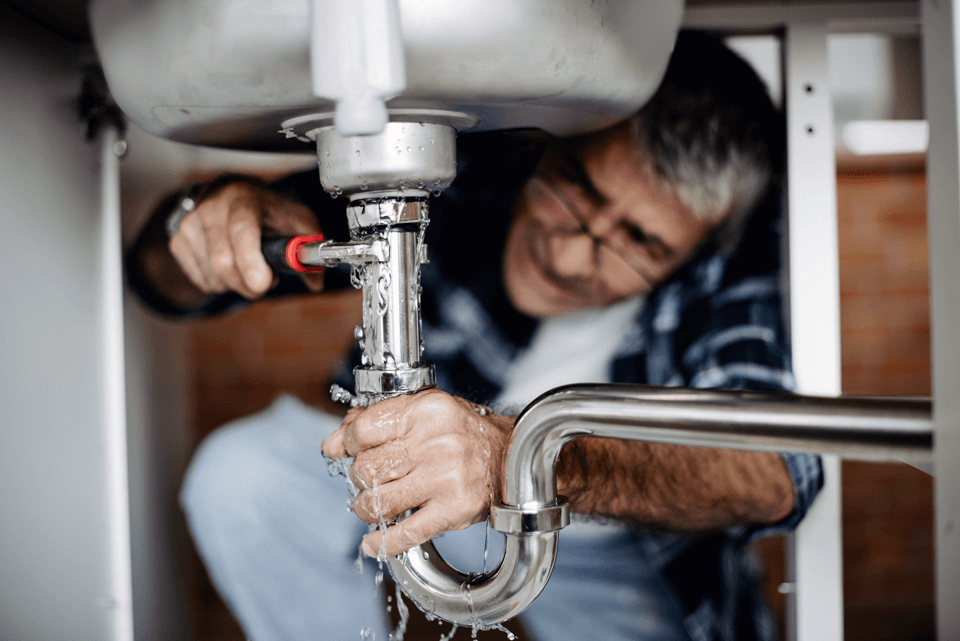
Common plumbing tasks include fixing leaks, replacing faucets, repairing toilets, clearing drains, installing sinks, connecting water heaters, and working on pipe systems. For example, toilet repair is one of the everyday services many plumbers handle. Also, plumbers often inspect older pipes before a small drip turns into major water damage.
- Why plumbing matters at home
Plumbing matters because it affects comfort, cleanliness, safety, and daily routine. A beautiful kitchen or bathroom can lose its charm fast when water leaks under the cabinet or a drain backs up. Therefore, good plumbing supports both function and style. It keeps a home fresh, useful, and easier to maintain.
How Long Does It Take to Become a Plumber?
The answer depends on the path. Some people start with short plumber training, while others enter a full plumbing apprenticeship. In general, learning the trade takes several years because plumbing mixes classroom knowledge with hands-on practice. However, each step builds real skill, so the time is not wasted. It works like building a strong house, brick by brick.
- Typical timeline
The typical timeline is about 2 to 5 years. A short plumbing trade school program may take less than one year, but most people still need field experience after that. A plumber apprenticeship often takes 4 to 5 years. After training, a license exam may add extra time, depending on local rules.
- Fastest path
The fastest path usually starts with basic education, then a short trade program or direct apprenticeship. Some entry-level helpers begin working within a few months. However, becoming a licensed plumber usually takes longer. So, the fastest route may get someone into the field quickly, but full professional status still takes patience and steady practice.
- Apprenticeship timeline
A plumber apprenticeship often lasts 4 to 5 years. During this time, apprentices learn from experienced plumbers while also studying codes, safety, tools, and pipe systems. Because apprentices earn while they learn, this path can be practical. It gives real job experience instead of only classroom lessons.
- License timeline
The license timeline depends on the city, state, or country. Many places require several years of supervised work before a person can take the license exam. After passing, the worker may become a journeyman plumber. Later, with more experience, they may qualify as a master plumber or plumbing contractor.
Main Steps to Become a Plumber
Learning how to become a plumber is easier when the path is broken into simple steps. First, a person needs basic education. Next, they learn simple repair skills. After that, they choose trade school, apprenticeship, or another training route. Finally, they work toward a license. The whole process takes time, but each step has a clear purpose.
- Finish basic education
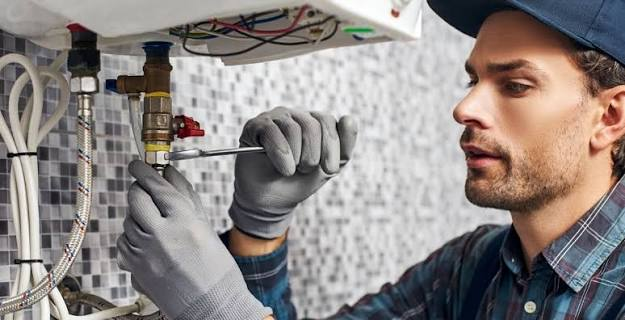
Most plumbing programs ask for a high school diploma or GED. This matters because plumbers use reading, writing, basic math, and problem-solving every day. For example, they read instructions, measure pipe lengths, and understand safety rules. Also, basic science helps with water pressure, heat, drainage, and simple mechanical ideas.
- Learn simple plumbing skills
Before formal plumber training, simple home repair practice can help. Learning how to shut off water, read a tape measure, use a wrench, and understand a fixture builds confidence. A beginner may also study small repairs like a leaky faucet to understand washers, seals, handles, and water flow.
- Join a trade school
A plumbing trade school teaches key basics in a structured way. Students may learn pipe fitting, water supply systems, drainage, blueprint reading, safety, plumbing codes, and tool use. Also, trade school can help someone feel more prepared before entering an apprenticeship. However, trade school alone may not replace required job experience.
- Start an apprenticeship
A plumbing apprenticeship is one of the most important steps. Apprentices work under trained plumbers and learn by doing real jobs. They may carry tools, cut pipe, repair fixtures, inspect leaks, and help install systems. Over time, they take on more responsibility. This stage turns book knowledge into real skill.
- Get licensed
To become a licensed plumber, a person usually needs enough work hours, classroom hours, and a passing exam score. The exam may cover safety, plumbing codes, water systems, drainage, gas lines, and local rules. Since every area has different rules, checking local licensing boards early saves time and confusion.
- Keep learning
Plumbing does not stop changing after a license. New tools, water-saving fixtures, smart home devices, and local code updates appear often. Therefore, good plumbers keep learning. They may take continuing education classes, watch experienced workers, read code updates, and practice better ways to serve customers.
Types of Plumbing Training
There is more than one way to learn plumbing. Some people prefer classroom learning first. Others want to work right away. Also, some people only want basic plumbing knowledge for home repairs, while others want a full career. The best option depends on time, money, learning style, and long-term goals.
- Trade school
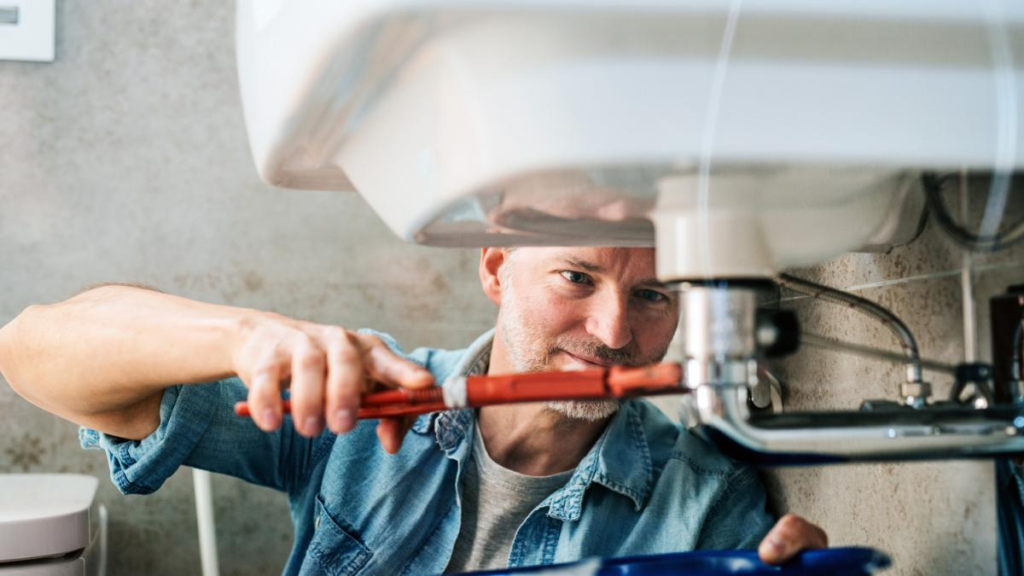
Trade school gives focused training in a shorter time. Many programs last several months to about two years. Students learn plumbing basics before entering the job field. Also, trade school can make a beginner more attractive to employers. However, it often costs money upfront, so comparing programs matters.
- Apprenticeship
An apprenticeship combines paid work with classroom learning. This is the classic path for anyone asking how to become a licensed plumber. Apprentices gain real experience while earning wages. Although it takes longer than school alone, it provides deeper skill. In many areas, apprenticeship hours count toward license requirements.
- Community college program
A community college program may offer plumbing certificates, construction technology courses, or associate degrees. These programs can include math, safety, blueprint reading, building systems, and hands-on labs. Also, community colleges may offer evening classes, which helps career changers. This path can be slower but more flexible.
- On-the-job training
Some people start as plumbing helpers or laborers. They learn by assisting licensed plumbers on job sites. This path can teach practical habits quickly. However, on-the-job training may not always count as formal apprenticeship time unless the employer follows local rules. So, it is smart to ask before accepting a position.
How Much Does Plumbing Training Cost?
Plumbing training costs vary widely. Trade school may cost more at first, while apprenticeships often cost less because the apprentice earns wages. However, tools, supplies, books, license fees, and exam costs can add up. A smart plan looks at both time and money. In many cases, plumbing training costs less than a four-year college degree.
- Trade school costs
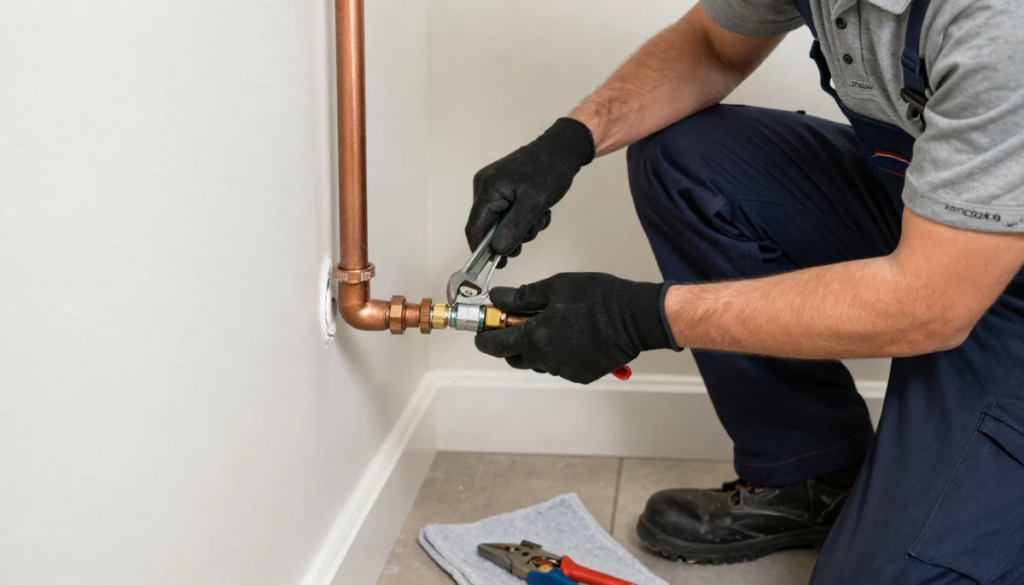
Plumbing trade school may cost a few thousand dollars, depending on the school, program length, location, and included supplies. Some programs include tools, books, or lab fees. Others charge separately. Therefore, it helps to ask for the full cost before enrolling. Also, compare graduation support and job placement help.
- Apprenticeship costs
A plumber apprenticeship is often more affordable because apprentices earn income while learning. Some union or employer-sponsored programs charge low fees or cover classroom training. However, there may still be costs for books, dues, transportation, or tools. Even so, this route can be budget-friendly compared with full-time school.
- Tools and supplies
New plumbers need basic tools such as tape measures, pipe wrenches, pliers, cutters, levels, gloves, and safety gear. Over time, they may buy better tools as skills grow. It is wise to start with reliable basics instead of buying everything at once. Like stocking a kitchen, the most-used tools should come first.
- License and exam fees
License and exam fees depend on the local area. Some places charge application fees, test fees, renewal fees, and continuing education costs. Also, a plumber may need insurance or business registration later. Because rules change by location, future plumbers should check local licensing websites before planning a final budget.
Skills You Need to Become a Plumber
Plumbing is not only about pipes and wrenches. It also takes patience, clear thinking, customer care, and safe habits. A good plumber needs both hands and head. In fact, the best plumbers often act like puzzle solvers. They look at clues, test ideas, and fix the root cause instead of only hiding the symptom.
- Problem-solving
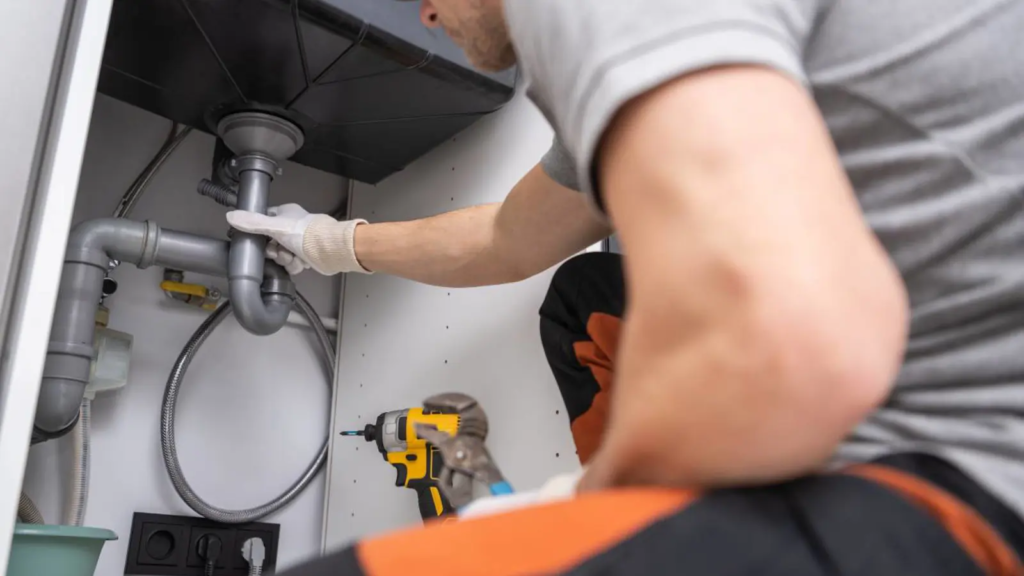
Problem-solving is one of the most important plumbing skills. A leak may come from a loose nut, worn seal, cracked pipe, or pressure issue. Therefore, plumbers must slow down, inspect carefully, and think clearly. Guessing can waste time and money. Good problem-solving helps create repairs that last.
- Basic math
Plumbers use basic math every day. They measure pipe lengths, calculate slope, estimate materials, and read plans. For example, a drain pipe must slope correctly so water moves away. If the angle is wrong, clogs can happen. So, simple math protects the whole system.
- Tool handling
Tool handling matters because plumbing tools can damage pipes, fixtures, and finishes if used poorly. A trained plumber knows when to tighten, loosen, cut, seal, or replace a part. Also, tool control protects cabinets, tile, flooring, and countertops during repair work. Careful hands can save a beautiful room from scratches and leaks.
- Customer service
Plumbers often work inside private homes, kitchens, bathrooms, and laundry areas. Because of that, customer service matters. A good plumber explains the issue, gives clear options, respects the space, and cleans up afterward. Also, friendly communication builds trust, especially during stressful repairs.
- Safety habits
Safety habits protect both the plumber and the property. Plumbers may work around hot water, sharp tools, gas lines, electricity, mold, and dirty water. Therefore, they need gloves, eye protection, safe lifting habits, and code knowledge. A rushed repair can create bigger problems than the original issue.
- Physical stamina
Plumbing can be tiring. A plumber may crawl under sinks, lift water heaters, carry tools, climb stairs, or work in tight spaces. Because of this, physical stamina helps. However, strength alone is not enough. Smart movement, proper lifting, and planning make the work safer and easier.
Benefits of Becoming a Plumber
Becoming a plumber can offer steady work, useful skills, and a clear career path. Also, plumbing knowledge is practical in daily life. Even if someone does not own a plumbing business, the trade teaches how homes work behind the scenes. For people who enjoy fixing things, plumbing can feel rewarding and useful.
- Strong job demand
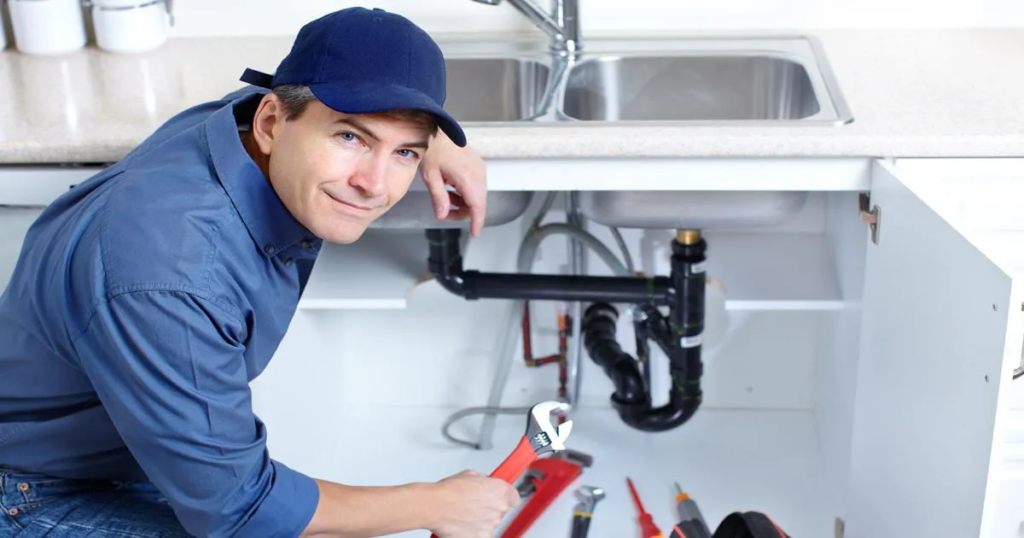
Plumbing stays important because every building needs water and drainage. New homes, older homes, remodels, repairs, and emergency calls all create work. Also, plumbing systems wear out over time. A stylish bathroom still needs good pipes. Therefore, skilled plumbers often remain in demand across many communities.
- Good earning potential
Plumbing can offer strong earning potential, especially after licensing. Apprentices may start lower, but pay usually grows with skill and experience. Licensed plumbers, service specialists, supervisors, and business owners can earn more. Also, emergency work and specialized skills may raise income. Like many trades, skill often leads to better pay.
- Hands-on work
Plumbing is a strong fit for people who dislike sitting at a desk all day. The work changes often. One day may involve a kitchen sink. The next may involve a water heater or bathroom remodel. Because every home has different layouts and problems, the job can stay active and interesting.
- Useful home repair knowledge
Plumbing knowledge is helpful beyond the job. It teaches how to prevent leaks, spot warning signs, protect cabinets, avoid water damage, and maintain fixtures. Also, it helps during home upgrades. A person who understands plumbing can plan smarter bathroom, kitchen, and laundry improvements.
- Business opportunities
After gaining experience and the right license, some plumbers start their own businesses. They may offer repairs, remodel support, drain cleaning, inspections, or emergency service. Business ownership takes planning, insurance, marketing, and customer care. However, it can give more control over schedule, services, and income.
Challenges of Becoming a Plumber
Plumbing has many benefits, but it is not an easy shortcut. The training takes time, the work can be physical, and some jobs are messy. Also, local license rules can feel confusing at first. Still, these challenges are manageable with the right mindset. Every trade has a learning curve, and plumbing is no different.
- Long training period
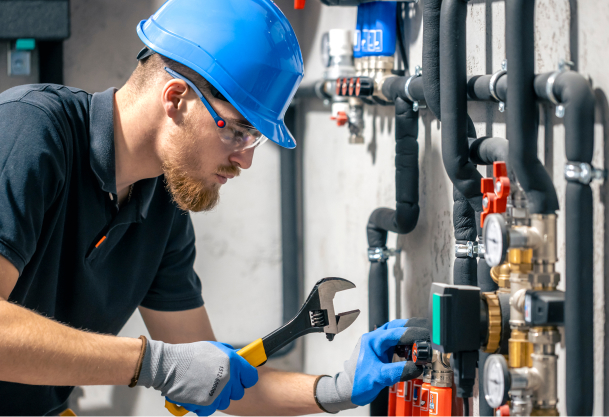
Many people ask how many years to become a plumber because the training period can seem long. A full apprenticeship may take 4 to 5 years. However, that time includes paid work, skill growth, and real job experience. Instead of seeing it as a delay, it helps to see it as a ladder.
- Physical work
Plumbers often bend, kneel, lift, reach, and work in awkward places. This can be hard on the body. However, safe habits make a big difference. Using knee pads, lifting correctly, taking breaks, and choosing the right tools can reduce strain. Good plumbers work smart, not only hard.
- Messy repair jobs
Some plumbing jobs involve clogged drains, leaking toilets, old pipes, or dirty water. These tasks are not glamorous. However, they are important. A clean, dry, working home depends on someone fixing the messy problems. Professional habits, gloves, cleanup routines, and patience help make these jobs manageable.
- Emergency calls
Water leaks and pipe bursts rarely wait for a perfect time. Because of that, some plumbers handle emergency calls at night, on weekends, or during holidays. This can interrupt personal plans. However, emergency work may also pay more. Plumbers can choose service roles based on the schedule they want.
- Local license rules
Local license rules can confuse beginners because requirements vary. One area may require certain classroom hours, while another may focus on work experience. Also, gas work may need extra approval. Therefore, anyone learning how to become a licensed plumber should check local rules early instead of waiting until the end.
DIY Plumbing vs Professional Plumbing
Some plumbing tasks are simple enough for careful DIY work, while others need a trained professional. The key is knowing the difference. A small repair can save money, but a risky repair can cause water damage, mold, or safety hazards. Plumbing is like electricity in this way: simple tasks are fine, but serious work needs expert care.
- Simple DIY tasks
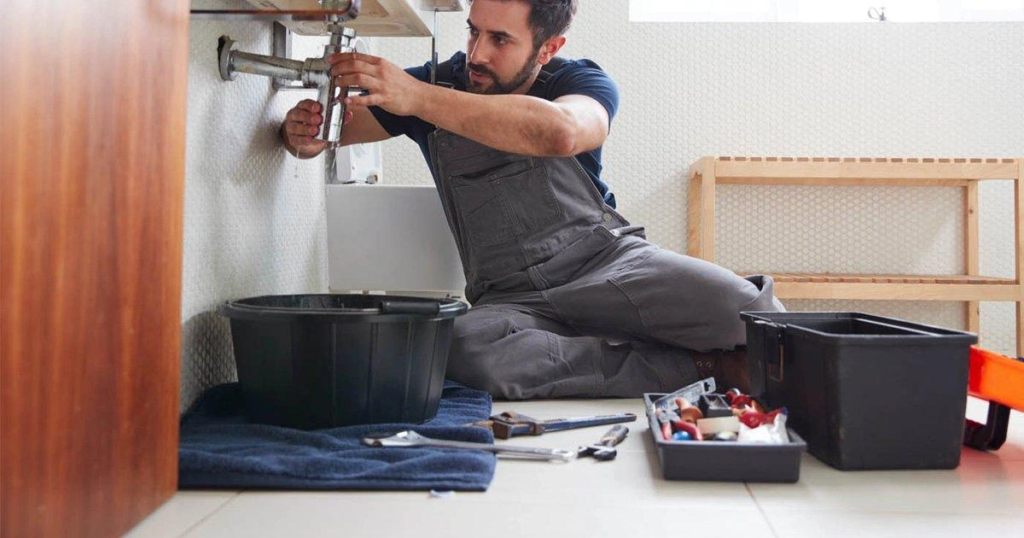
Simple DIY tasks may include plunging a toilet, cleaning a faucet aerator, replacing a showerhead, or learning how to unclog a drain safely. Also, it helps to learn where shutoff valves are. These small skills can stop panic during minor problems and reduce unnecessary service calls.
- Jobs that need a plumber
Some jobs need a plumber because they involve hidden pipes, repeated leaks, sewage, water heaters, gas lines, or major fixture replacement. For example, a running toilet may start as a simple flapper issue. However, if the problem keeps returning, a trained plumber may need to inspect the fill valve, overflow tube, water pressure, or hidden leaks.
- Safety and water damage risks
Plumbing mistakes can cause serious damage. A loose connection under a sink can ruin cabinets, floors, and drywall. Also, kitchen work may involve electrical parts near water. For example, disposal repair can involve blades, wiring, drain seals, and leaks. Therefore, safety matters more than speed.
- How training helps homeowners
Plumber training helps people understand what is simple, what is risky, and when to call for help. Even basic plumbing knowledge can make home care easier. It helps with checking leaks, choosing fixtures, planning remodels, and talking clearly with contractors. In this way, plumbing skills can support both career goals and smarter home projects.
How to Choose the Right Plumbing Path?
The best plumbing path depends on goals, age, schedule, budget, and learning style. Some people want a full career. Others want practical skills for home improvement. Also, some people want to own a future service business. Because plumbing offers several entry points, it helps to match the route to the goal.
- For career changers
Career changers may prefer an apprenticeship because it provides income while learning. Also, evening trade school classes can help if a full-time switch feels risky. A person moving from retail, construction, maintenance, or customer service may already have useful skills. The key is to start with a realistic schedule.
- For recent graduates
Recent graduates may have the time and flexibility to enter plumbing trade school or apply for apprenticeships right away. Since they may have fewer family or financial duties, they can focus on learning. Also, starting early means they can become licensed while still young, which opens more long-term career options.
- For DIY-focused homeowners
DIY-focused learners may not need a full license path unless they want a career. However, short courses, books, videos, and basic tool practice can help with home maintenance. They can learn simple skills such as fixing minor leaks, clearing small clogs, replacing fixtures, and spotting warning signs before damage spreads.
- For future business owners
Future business owners should focus on licensing, customer service, estimating, marketing, insurance, and local business rules. Plumbing skill is the foundation, but business skill keeps the company running. A future owner should also learn scheduling, pricing, reviews, and team management. Good service builds repeat customers.
Tips to Become a Plumber Faster
There is no magic shortcut to becoming a skilled plumber, but there are ways to avoid delays. Preparation matters. When someone starts early, studies local rules, practices basic skills, and applies for apprenticeships on time, the path moves more smoothly. Like fixing a leak, the earlier action starts, the less time gets wasted.
- Start with basic tools
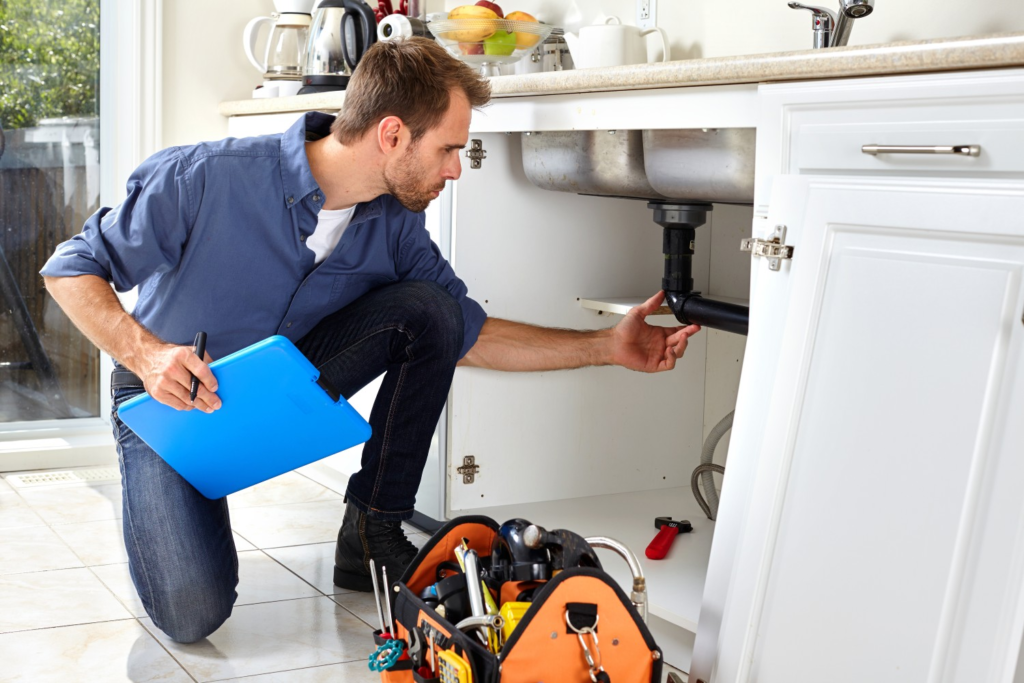
Starting with basic tools helps beginners feel comfortable. A tape measure, adjustable wrench, pliers, level, gloves, flashlight, and basic safety gear are useful first steps. However, buying every tool at once is not necessary. It is better to learn each tool well and add more as training grows.
- Apply early for apprenticeships
Apprenticeship spots can be competitive. Therefore, applying early helps. A strong application may include basic construction knowledge, a clean work attitude, reliable transportation, and a willingness to learn. Also, calling local plumbing companies, unions, and trade groups can uncover openings before they are widely advertised.
- Study local license rules
Studying local license rules early prevents surprises. A beginner should learn required work hours, classroom hours, exam topics, fees, and renewal rules. Also, they should ask whether trade school credits count toward apprenticeship time. This helps answer questions like how long to become a plumber in a specific area.
- Practice customer skills
Customer skills can help a future plumber stand out. A plumber who arrives on time, explains repairs clearly, protects the home, and cleans up well earns trust. Also, good communication can lead to better reviews and repeat work. Technical skill fixes the pipe, but people skill builds the business.
- Build a work portfolio
A work portfolio can show growth. It may include photos of training projects, certificates, safety courses, tool lists, and notes about completed tasks. Apprentices can also track hours and skills learned. This record helps during job applications, license steps, and future business planning.
Conclusion
So, how long does it take to become a plumber? For most people, the full path takes about 2 to 5 years. A short plumbing school program may start the journey, but an apprenticeship and license process often take longer. Still, the time can lead to steady work, useful skills, and real career growth. Whether the goal is a trade career, better home repair knowledge, or future business ownership, plumbing offers a practical path with lasting value.
Frequently Asked Questions
With no experience, it usually takes about 2 to 5 years to become a plumber, depending on the path. A beginner may start working as a helper within a few months. However, becoming a licensed plumber often requires several years of apprenticeship, classroom training, and a passed exam.
Yes, many people become plumbers without trade school by entering a plumbing apprenticeship. However, trade school can still help. It teaches basics before job-site training and may make a beginner more prepared. The best choice depends on local license rules and personal budget.
Plumbing can be challenging, but it is not impossible. It requires patience, practice, basic math, tool skills, and problem-solving. Also, beginners learn step by step. Simple tasks come first, while harder jobs come later with supervision and experience.
In many areas, plumbers need a license to work independently or handle major plumbing jobs. License rules vary by location. Some places require work hours, classroom hours, and an exam. Therefore, checking local rules is very important.
Plumbing school costs vary. Some programs cost a few thousand dollars, while others cost more depending on length, location, and included tools. Apprenticeship programs often cost less because apprentices earn money while learning.
Yes, basic plumbing skills can help with simple home care. For example, learning shutoff valves, small leaks, clogged drains, and fixture basics can save stress. However, major repairs should still be handled by a professional.
Renters should avoid major plumbing changes, pipe repairs, water heater work, disposal wiring, and anything that may affect walls, floors, or shared building systems. Also, they should contact the landlord before attempting repairs that could cause damage.
Becoming a plumber can be worth it for people who enjoy hands-on work, problem-solving, and steady demand. The training takes time, but the career can offer good income, useful skills, and business opportunities. Also, plumbing knowledge stays valuable in almost every home and building.