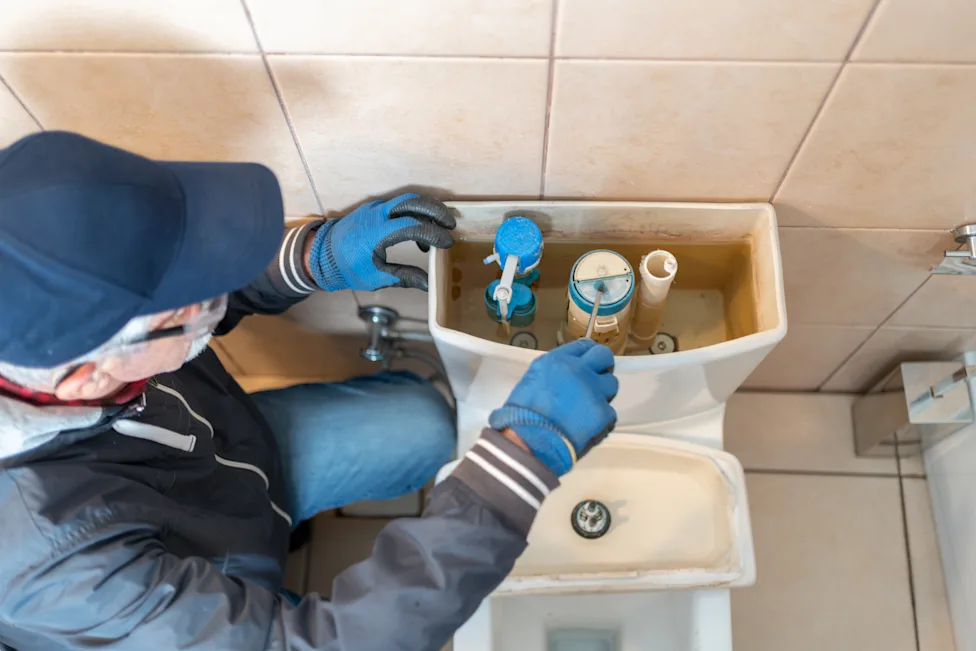

How to fix a running toilet is one of those home repair skills that feels small until the sound keeps you awake at night. The good news is simple: most running toilet problems start inside the tank, and with a little patience, they can often be fixed without stress.
What Is a Running Toilet?
A running toilet is a toilet that keeps letting water move after the flush should be finished. Instead of filling once and stopping, the tank keeps refilling, leaking into the bowl, or making a soft running water sound. Sometimes the toilet running constantly is loud and obvious. Other times, the toilet runs every few minutes like it has a tiny mind of its own. In most cases, the problem starts with the flapper, float, fill valve, chain, or water level inside the tank.
Why You Should Fix a Running Toilet Quickly
A running toilet may seem harmless, but it can waste a surprising amount of water. The EPA notes that a leaky toilet can waste about 200 gallons of water every day, which can quickly raise a water bill and waste a valuable resource. Also, when toilet water keeps running, tank parts wear out faster. Therefore, a quick running toilet fix can save money, reduce noise, and prevent a small bathroom issue from turning into a bigger plumbing problem.
Common Signs of a Running Toilet
When a toilet keeps running, it usually gives clear clues. Some signs are easy to hear, while others are easy to miss. Therefore, before buying any toilet tank repair kit, take a few minutes to watch, listen, and check what the toilet does after each flush.
- Constant water sound
A toilet making running water sound usually means water is still moving through the tank or into the bowl. It may sound like a tiny faucet that never turns off, and it often points to a flapper, fill valve, or water level problem.
- Random refilling noises
If the toilet randomly runs or the toilet keeps refilling every few minutes, water is probably escaping from the tank. As a result, the fill valve turns back on to replace the lost water, even when nobody has flushed.
- Higher water bill
A sudden water bill jump can be a hidden sign that the toilet keeps running and wasting water. Even a small leak can add up over days and weeks, especially when the toilet running at night goes unnoticed.
- Weak or incomplete flush
A weak flush may happen when the tank does not hold the right amount of water. If the toilet won’t stop filling or the water level is wrong, the flush may feel lazy, short, or incomplete.
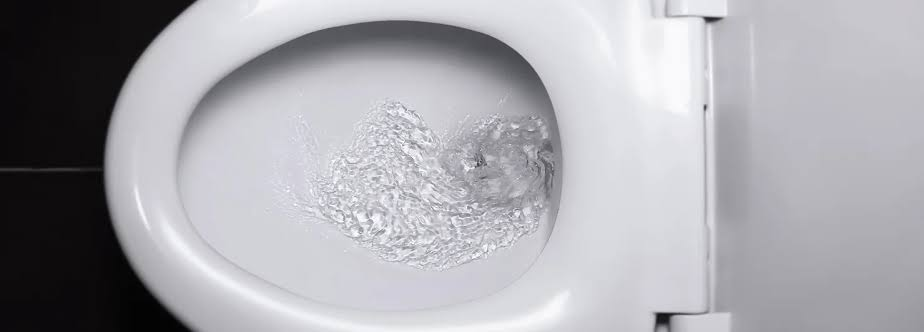
- Water moving in the bowl
If you see ripples or faint movement in the bowl when the toilet has not been used, water may be leaking from the tank into the bowl. This often means the toilet flapper is not sealing well.
Main Causes of a Running Toilet
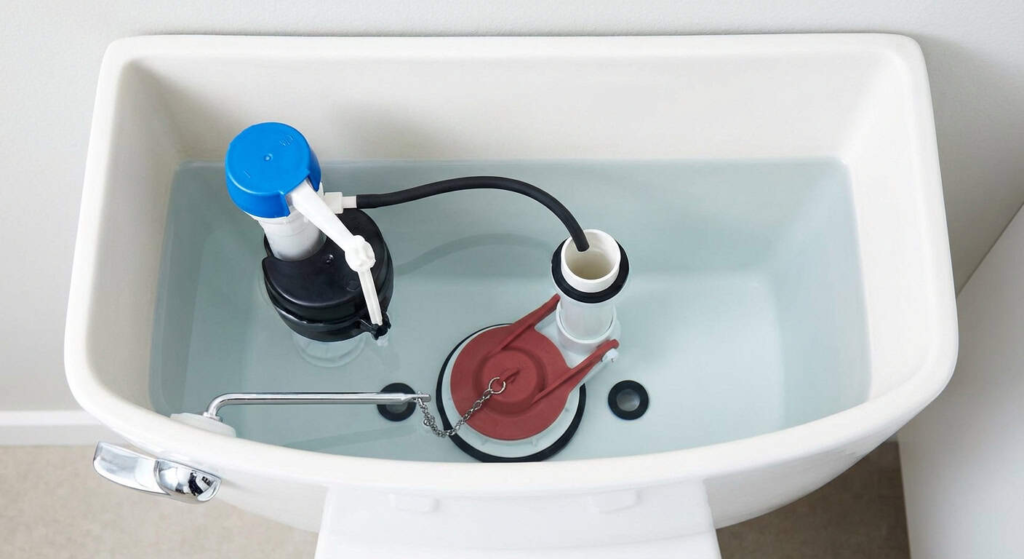
The main causes of a running toilet are usually simple tank problems. Think of the tank like a small water control center. If one part sticks, slips, cracks, or wears out, the toilet won’t stop running after the flush.
- Faulty flapper
The flapper is the rubber part at the bottom of the tank. When it gets warped, dirty, stiff, or cracked, it cannot seal the drain hole. Then water leaks into the bowl, and the toilet tank keeps running.
- Chain too tight or loose
The chain connects the flush handle to the flapper. If it is too tight, the flapper stays slightly open. However, if it is too loose, the toilet may not flush well, and the handle may feel sloppy.
- Float set too high
The float tells the fill valve when to stop adding water. If the float sits too high, the toilet tank water too high problem sends water into the overflow tube, which makes the toilet water keep running.
- Worn fill valve
A worn fill valve may fail to shut off properly. Because of that, the toilet won’t stop filling even when the tank looks full. This is a common reason for a toilet not shutting off.
- Leaky flush valve seal
The flush valve seal sits around the opening where water leaves the tank. If that seal wears down, water slips past it. As a result, the toilet keeps running but no leak appears on the floor.
- Mineral buildup
Hard water can leave white or brown mineral buildup on tank parts. Over time, these deposits can stop the flapper from sealing, slow the fill valve, or make moving parts stick like a door with rusty hinges.
- Cracked overflow tube
The overflow tube keeps the tank from spilling over. However, if it cracks, water can drain into the bowl even when the tank looks normal. This may cause the toilet keeps running after flushing problem.
Tools and Supplies You May Need
Most DIY running toilet repair jobs do not need fancy tools. In many cases, a towel, gloves, and one replacement part are enough. Still, it helps to gather basic supplies before you start so the job feels calm instead of messy.
- Rubber gloves
Rubber gloves keep your hands clean while working inside the tank. Toilet tank water is usually clean supply water, but the tank can still hold rust, mineral flakes, and old rubber residue.
- Towel or sponge
A towel or sponge helps soak up water from the tank or floor. Also, it protects your bathroom surfaces while you set down the tank lid, which can crack if it slips.
- Adjustable wrench
An adjustable wrench helps loosen the nut under the tank when replacing a fill valve. However, use gentle pressure. Toilet parts are not car parts, and over-tightening can crack plastic or porcelain.
- Replacement flapper
A replacement flapper is often the easiest answer when learning how to stop a running toilet. Many toilets use a 2-inch flapper, but newer or high-flow models may use a 3-inch size.
- Replacement fill valve
A replacement fill valve helps when the toilet won’t stop filling or the fill valve keeps hissing. Many adjustable fill valves fit common toilets, making toilet fill valve replacement easier for beginners.
- Cleaning brush
A small cleaning brush can remove mineral buildup from the flapper seat and tank parts. Choose a soft brush, not a harsh metal tool, so you do not scratch or damage the seal area.
- Bucket
A bucket helps catch water when replacing a fill valve. Place it under the supply line before loosening parts. This simple step can save you from a surprise puddle on the bathroom floor.
- Plumber’s tape
Plumber’s tape can help seal threaded plumbing connections, depending on the part and manufacturer instructions. However, do not wrap it everywhere. Some rubber washers seal better without tape.
How to Check the Toilet Tank First?
Before you repair anything, check the tank. This step is like opening the hood of a car before guessing what is wrong. Since most running toilet repair steps happen inside the tank, a quick look can save time and money.
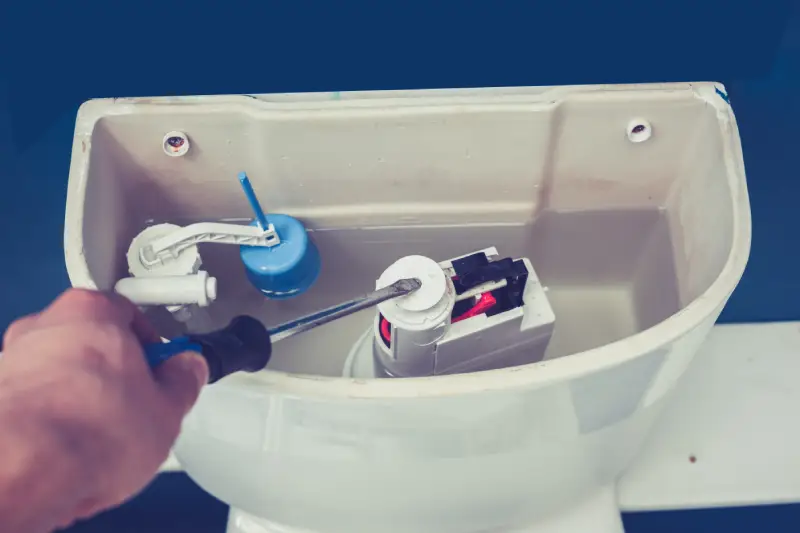
- Remove the tank lid safely
Lift the tank lid with both hands and place it flat on a towel. Do not lean it against the wall. Porcelain lids are heavy, slippery, and expensive to replace if they fall.
- Look at the water level
Check whether the water level sits about one inch below the top of the overflow tube. If the toilet water level too high sends water into the tube, adjust the float before replacing parts.
- Check the flapper position
Look at the toilet flapper after flushing. It should lift, then fall back neatly over the flush valve opening. If the toilet flapper not sealing leaves a gap, water will leak into the bowl.
- Inspect the chain
The chain should have a little slack, like a relaxed necklace. If it pulls tight, the flapper cannot close. If it hangs too loose, the flush may be weak or incomplete.
- Listen for water flow
Stand close and listen. A hiss can point to the fill valve. A trickle can point to the flapper. Meanwhile, random refilling often means water is slowly leaking from the tank into the bowl.
- Test the flush
Flush once and watch every moving part. Notice whether the flapper closes, the float rises, and the fill valve shuts off. This simple test often shows exactly how to fix toilet tank parts.
How to Fix a Running Toilet Step by Step?
These running toilet repair steps cover the most common problems. If your toilet is also clogged, that is a different issue. For drain trouble, this guide on how to unclog a drain may help with other bathroom plumbing problems.
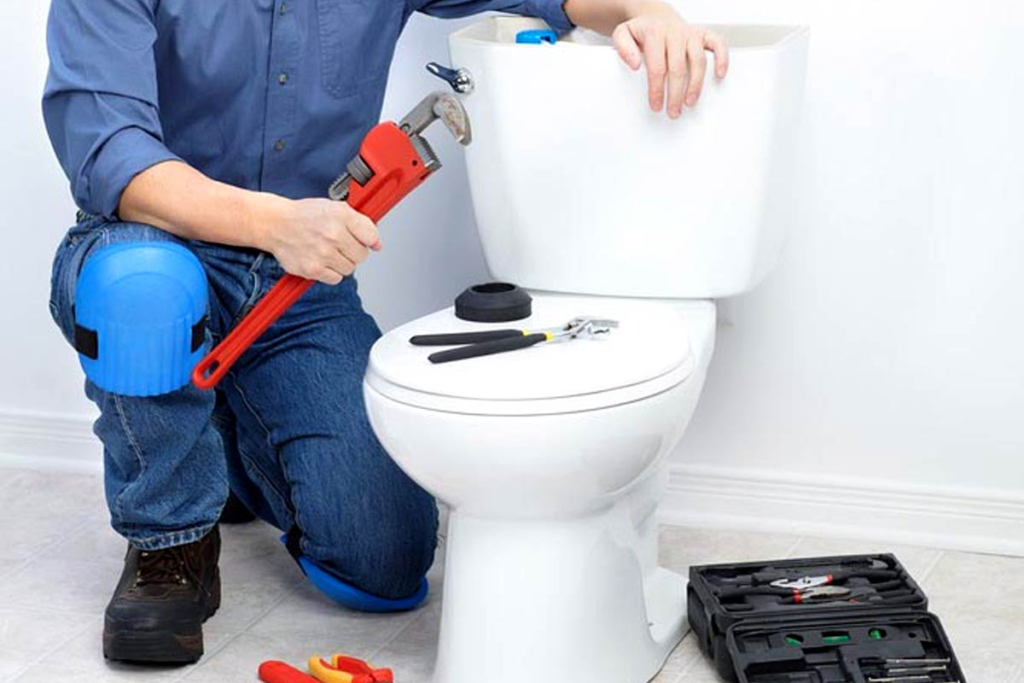
- Turn off the water supply
Find the shutoff valve behind or beside the toilet and turn it clockwise. If the valve feels stuck, do not force it hard. A broken shutoff valve can create a bigger problem than the running toilet.
- Flush and empty the tank
Flush the toilet once after turning off the water. Then hold the handle down to drain as much water as possible. Use a sponge or towel to remove leftover water if you need to replace parts.
- Adjust the flapper chain
Move the chain hook to a better hole on the flush lever. Leave a small amount of slack. This can fix a toilet that runs unless you jiggle the handle after every flush.
- Clean the flapper seal
Lift the flapper and wipe the rim where it sits. Mineral grit, slime, or old rubber can stop a good seal. After cleaning, let the flapper drop and check whether it sits flat.
- Replace the flapper
If cleaning does not work, replace the flapper. Turn off the water, remove the old flapper from the side pegs, attach the new one, connect the chain, and test the flush several times.
- Adjust the float
If water flows into the overflow tube, lower the float. Some floats adjust with a screw, while others slide along the fill valve. Small changes work best, so adjust slowly and test.
- Lower the water level
The correct water level keeps the tank full enough to flush but low enough to stop overflow. Usually, the water should sit about one inch below the overflow tube opening.
- Replace the fill valve
If the toilet won’t stop filling after float adjustments, replace the fill valve. A toilet fill valve kit is affordable, and many kits include clear directions for setting height and refill level.
- Check the overflow tube
Look for cracks in the overflow tube. If it is cracked, water may leak into the bowl even with a good flapper. In that case, you may need a flush valve replacement.
- Turn the water back on
After adjusting or replacing parts, slowly turn the water supply back on. Watch the tank fill. If water sprays, drips, or runs under the tank, turn it off and check the connection.
- Test the toilet again
Flush several times, then wait quietly. The toilet should fill, stop, and stay silent. If the toilet keeps running after replacing flapper parts, check the chain, water level, fill valve, and flush valve seal.
How to Fix a Flapper Problem?
Flapper trouble is one of the most common reasons why a toilet keeps running. The flapper works like a little drain door. If that door does not close tightly, the tank keeps losing water and refilling again.
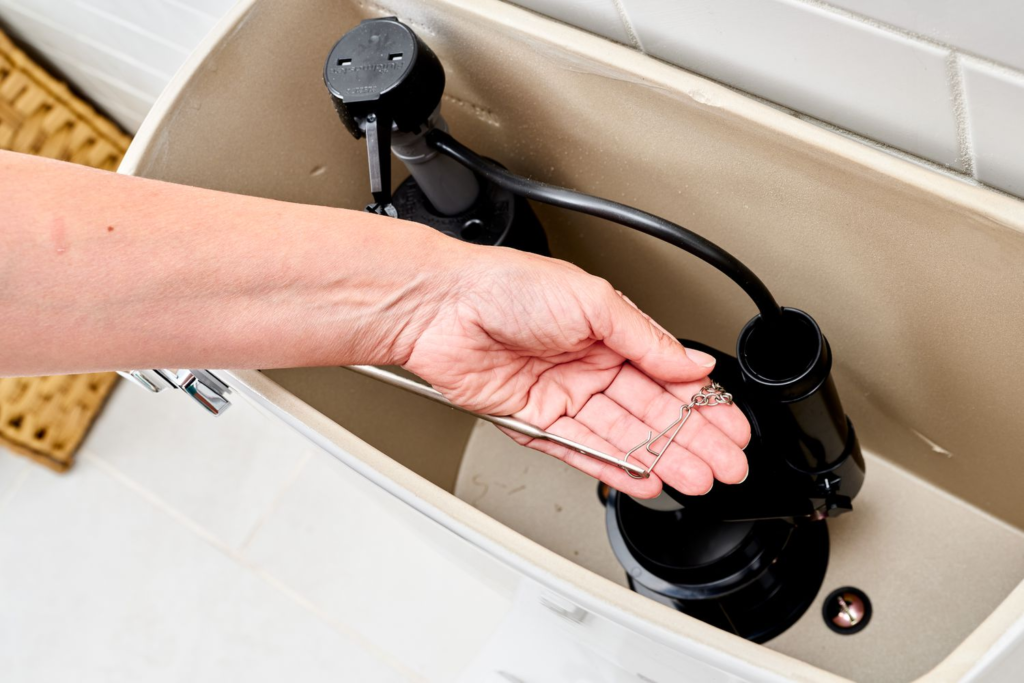
- How to spot a bad flapper?
A bad flapper may look warped, cracked, slimy, stiff, or faded. Also, if it leaves black rubber marks on your fingers, it has started to break down and likely needs replacement.
- How to clean the flapper?
Turn off the water and lift the flapper gently. Wipe the bottom of the flapper and the flush valve seat with a damp cloth. Then remove grit with a soft brush if needed.
- How to replace the flapper?
To replace a toilet flapper, unhook the chain, pull the flapper ears off the pegs, and attach the new flapper. Then reconnect the chain with slight slack and test the flush.
- How to choose the right flapper size?
Most older toilets use a 2-inch flapper, while many newer toilets use a 3-inch flapper. When unsure, take the old flapper to the store or buy a toilet flapper kit marked universal.
How to Adjust the Float?
The float controls the tank water level. If it sits too high, water spills into the overflow tube. If it sits too low, the flush may feel weak. Therefore, float adjustment is a key running toilet fix easy enough for most beginners.
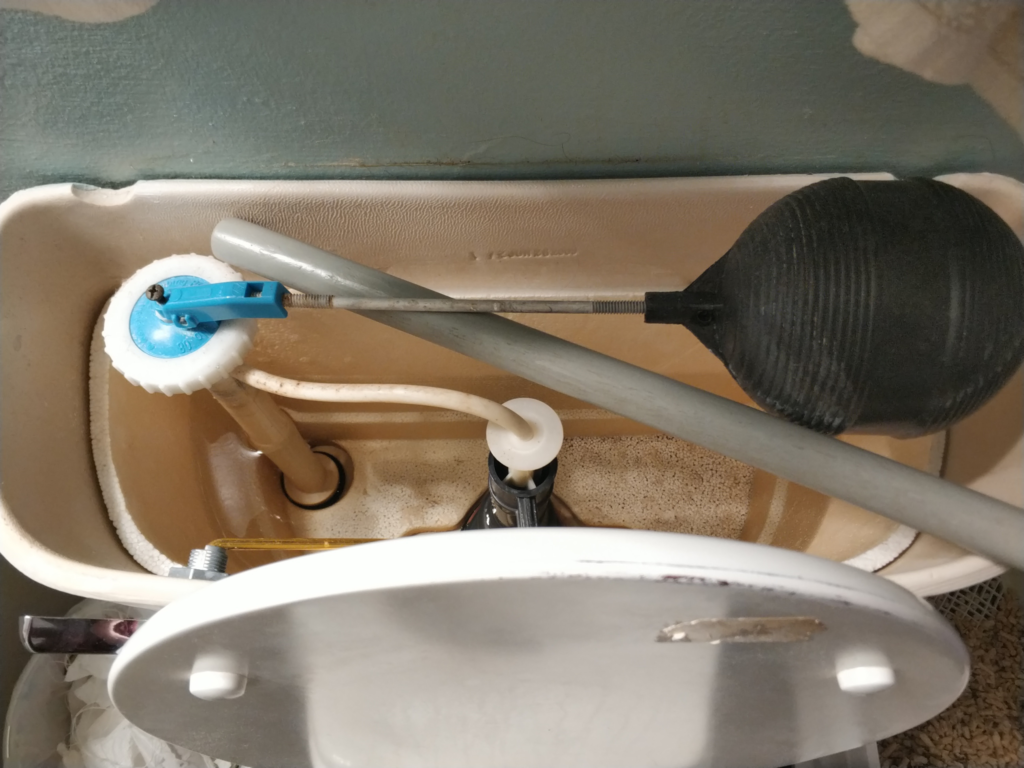
- Ball float adjustment
A ball float sits at the end of a metal or plastic arm. To lower the water level, gently bend the arm downward or turn the adjustment screw, depending on the style.
- Cup float adjustment
A cup float slides up and down along the fill valve. Usually, you squeeze a clip or turn a screw to move it. Lower it slightly, then flush and check the level.
- Correct water level
The ideal water level usually sits about one inch below the overflow tube. Some tanks also have a waterline mark inside. Use that mark if the toilet manufacturer included one.
- Common float mistakes
The biggest mistake is setting the float too high. Another mistake is making a huge adjustment all at once. Instead, adjust in small steps, test, and stop when the fill valve shuts off cleanly.
How to Replace a Fill Valve?
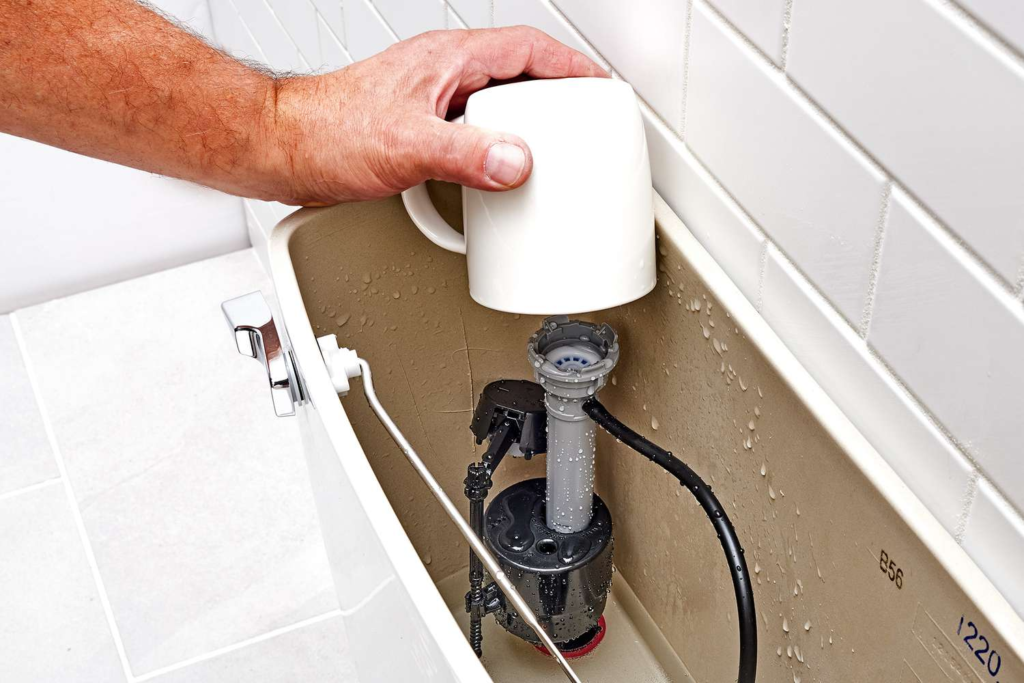
A fill valve brings fresh water into the tank after each flush. When it wears out, the toilet may hiss, refill randomly, or keep filling. A toilet fill valve replacement sounds serious, but it is often a beginner-friendly repair.
- When to replace it
Replace the fill valve when cleaning and float adjustments do not stop the running. Also, replace it if it hisses constantly, fills very slowly, sticks, or looks old and brittle.
- How to remove the old valve?
Turn off the water, flush, and sponge out the tank. Next, disconnect the supply line under the tank. Then loosen the mounting nut and lift the old fill valve out from inside the tank.
- How to install the new valve?
Set the new valve height according to the package directions. Place it through the tank hole, tighten the mounting nut by hand, and reconnect the supply line. Then attach the refill tube correctly.
- How to test for leaks?
Turn the water on slowly and watch the bottom of the tank. If you see drips, tighten the connection slightly. However, do not crush the washer or force the nut too far.
- How to adjust the refill level?
After installation, flush and check the bowl refill. Too little water can weaken the flush. Too much can waste water. Adjust the refill clip or dial based on the kit instructions.
Quick Fixes Before Buying Parts
Before buying the best toilet repair kit, try a few quick fixes. Sometimes the toilet won’t stop running because one small part moved out of place. In that case, a thirty-second adjustment may solve the problem.
- Jiggle the handle
If the toilet runs unless you jiggle the handle, the chain may be tight, tangled, or catching on the lever. Jiggle once to confirm the issue, but then adjust the chain properly.
- Untangle the chain
Open the tank and look at the chain. If it is twisted, stuck under the flapper, or wrapped around the lever, untangle it. Then flush again and watch how the flapper closes.
- Clean mineral buildup
Mineral buildup can act like a tiny pebble under a door. Clean the flapper seat, flapper edge, and moving parts gently. This often helps when the toilet flapper not sealing causes the leak.
- Reseat the flapper
Sometimes the flapper simply lands off-center. Turn off the water, lift the flapper, and let it fall straight down. If it seals after reseating, check whether the chain pulls it sideways.
- Adjust the water level
If water flows into the overflow tube, lower the float. This quick fix can solve the toilet tank water too high issue without buying a fill valve or flapper.
Mistakes to Avoid
Fixing a running toilet is usually simple, but a few mistakes can waste time or damage parts. The same is true with other water-wasting repairs, like a leaky faucet, where small details make a big difference.
- Ignoring the problem
Do not ignore a toilet running after flush. Even if the sound is soft, the water waste can be large. Also, the longer parts rub, leak, or stick, the more likely they are to fail.
- Buying the wrong part
Bring the old part or toilet model number when shopping. A universal toilet repair kit often works, but not always. Some toilets need a specific flapper, flush valve, or fill valve size.
- Over-tightening parts
Many toilet parts are plastic, rubber, or porcelain. If you tighten them like metal bolts on a bike, they can crack. Tighten by hand first, then use a wrench only when needed.
- Setting water level too high
A high water level may seem helpful, but it often creates a toilet water keeps running problem. Keep the level below the overflow tube so the fill valve can shut off.
- Forgetting to test for leaks
After any repair, test the toilet several times. Then wait ten minutes and listen. Also, check around the base, supply line, and tank bottom for drips before calling the job done.
When to Call a Plumber?
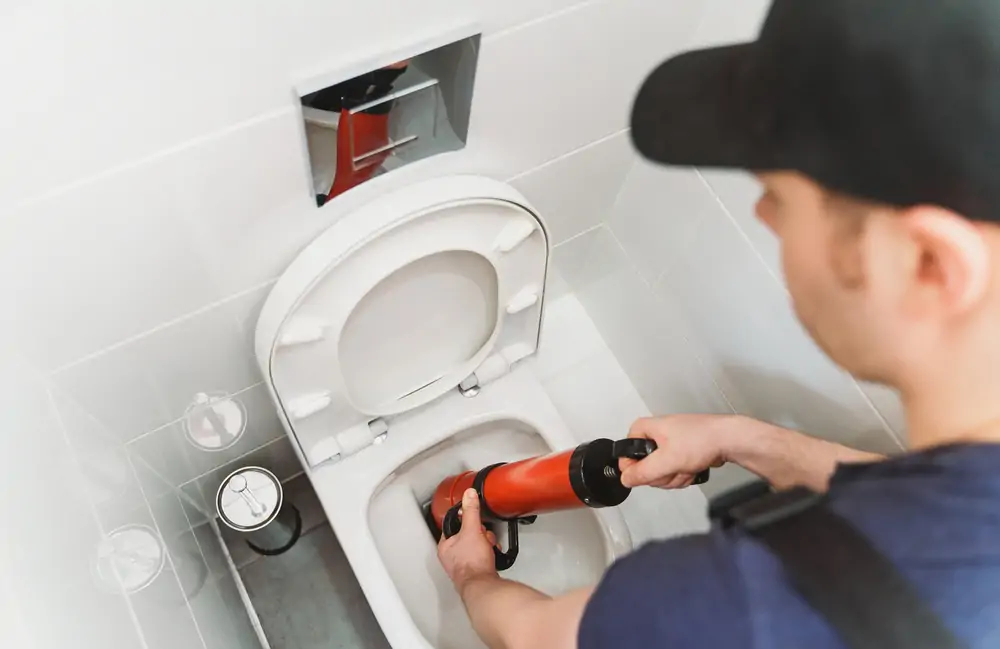
Most running toilet problems are DIY-friendly. However, some signs mean it is smarter to get help. If the repair feels beyond your comfort level, professional toilet repair can prevent water damage and repeated part swapping.
- Water keeps running after repairs
If the toilet keeps running after replacing flapper parts, adjusting the float, and checking the chain, the problem may involve the flush valve, fill valve, or hidden damage.
- Toilet has hidden leaks
If water appears around the base, under the tank, or near the supply line, stop and inspect carefully. A hidden leak can damage flooring, subfloor, trim, and nearby bathroom finishes.
- Tank parts are cracked
Cracked overflow tubes, tank bolts, or porcelain need careful repair. Porcelain cracks are especially serious because they can spread. In that case, replacement may be safer than a patch.
- Shutoff valve does not work
If the shutoff valve will not turn, keeps dripping, or feels frozen, call a plumber before removing tank parts. You need a reliable shutoff before doing deeper toilet repair work.
- You are unsure about replacement parts
Some toilets use special parts, especially dual-flush, one-piece, wall-hung, or designer models. If the parts do not match standard kits, a plumber or manufacturer support can save frustration.
Cost to Fix a Running Toilet
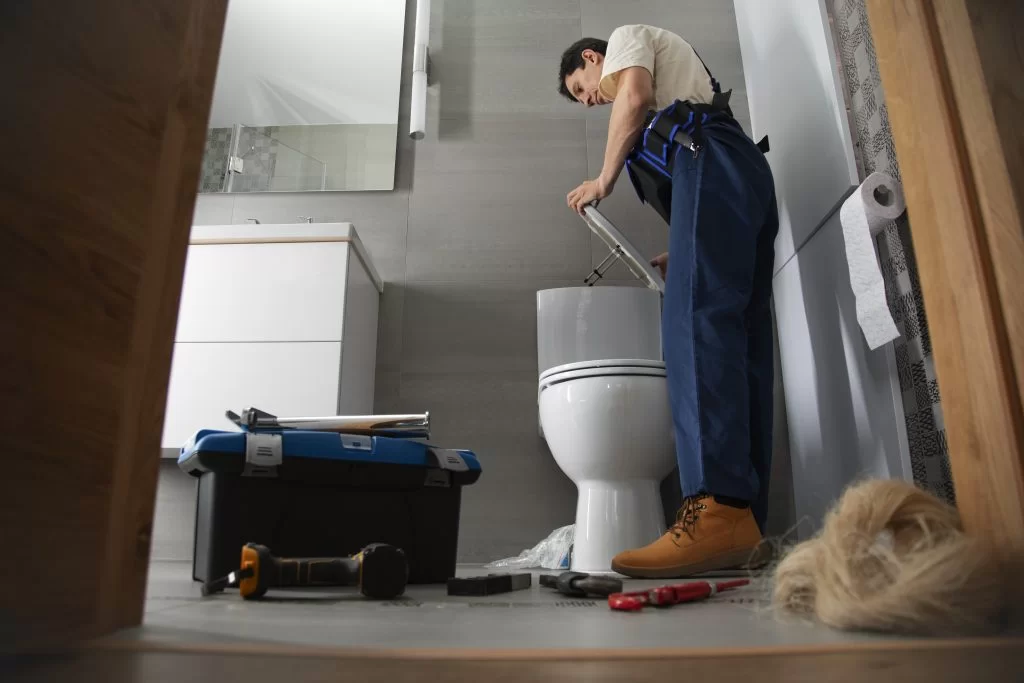
The cost to fix running toilet problems depends on whether you do it yourself or hire help. Simple DIY repairs often cost only the price of parts. Professional running toilet repair commonly costs more because you pay for labor, travel, diagnosis, and warranty.
- DIY repair cost
A DIY running toilet repair may cost very little if you only adjust the chain or float. If you replace parts, common costs often stay low compared with calling a plumber, especially for a flapper or fill valve.
- Replacement part cost
Basic parts are usually affordable. Angi’s recent running toilet guide lists fill valves at about $8 to $10 and flappers at about $5 to $10, though prices vary by brand, store, and toilet model.
- Plumber service cost
Professional costs vary by area and job difficulty. Angi reports that repairing a running toilet can cost about $100 to $400, while HomeAdvisor lists average toilet repair around $271, with many repairs ranging from $150 to $391.
- Cost of wasted water
The cost of wasted water depends on local rates. However, because a leaky toilet can waste about 200 gallons daily, even a quiet leak can become expensive if it runs for weeks.
- Budget-friendly repair tips
Start with free fixes: chain, float, flapper cleaning, and water level adjustment. Then replace the cheapest likely part first. Usually, that means trying toilet flapper replacement before replacing the full fill valve kit.
Tips to Prevent Future Toilet Problems
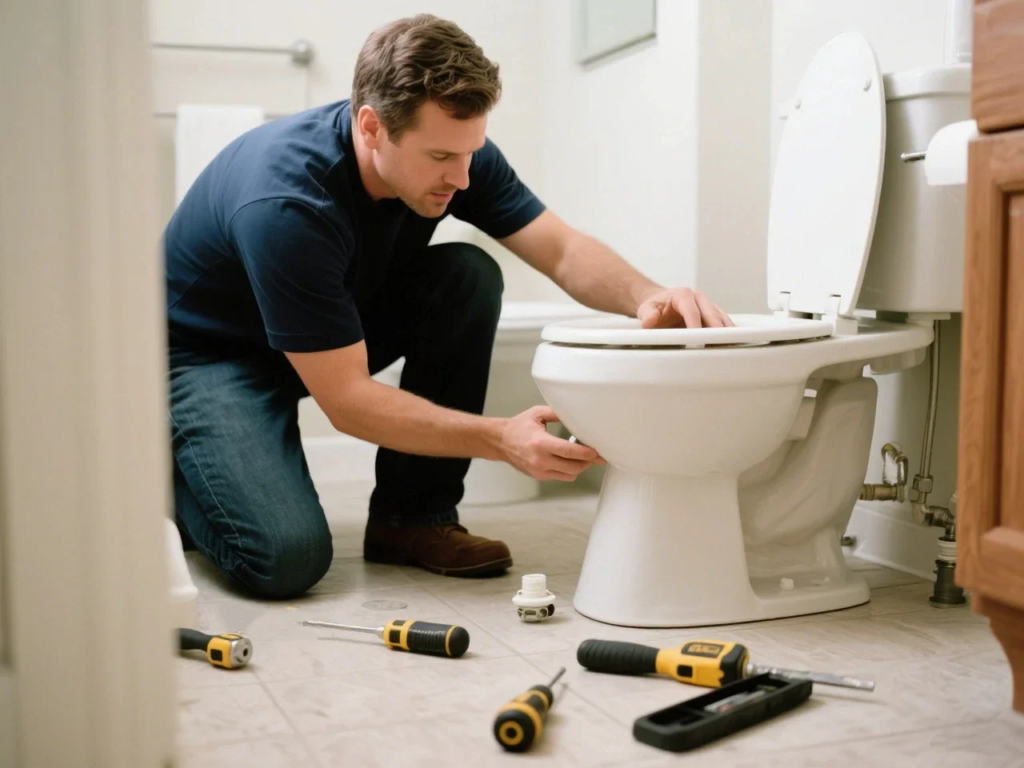
Once you know how to repair a running toilet, prevention becomes much easier. A toilet does not need much attention, but a quick monthly check can keep it quiet, efficient, and reliable.
- Check the tank monthly
Lift the lid once a month and watch a flush. Make sure the flapper closes, the fill valve shuts off, and the water level stays below the overflow tube.
- Clean tank parts gently
Use a soft cloth or brush to clean buildup from the flapper and seal area. Gentle cleaning protects rubber parts and helps prevent the toilet flapper not sealing problem.
- Replace worn parts early
If a flapper feels brittle or leaves black residue, replace it before it fails. Small early repairs help prevent surprise running water sounds during the night.
- Avoid harsh tank tablets
Some drop-in tank tablets contain chemicals that can wear down rubber parts faster. Instead, clean the bowl separately and keep tank parts as chemical-free as possible.
- Keep spare basic parts
Keep a universal flapper, small towel, gloves, and basic wrench nearby. After repairs are done, you can shift attention to comfort and style, such as fresh bathroom tile ideas for a cleaner-looking space.
Best Beginner-Friendly Toilet Repair Products
The best beginner-friendly toilet repair products are simple, clearly labeled, and adjustable. You do not need a huge toolbox. In many cases, the best toilet flapper replacement or a universal toilet repair kit can solve the issue.
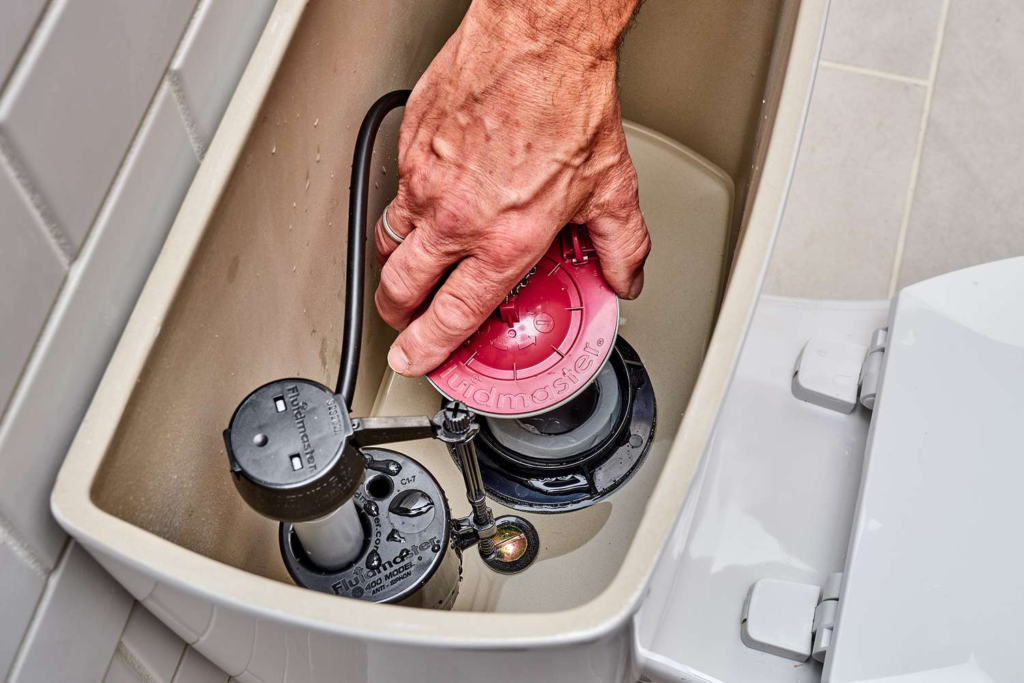
- Universal flappers
Universal flappers fit many standard toilets and are easy to install. Look for one that matches your toilet size, flush style, and water-saving needs. A toilet flapper kit with clear instructions is ideal.
- Adjustable fill valves
Adjustable fill valves work with many tank heights. They are helpful when learning how to fix toilet not shutting off issues because they let you fine-tune the water level after installation.
- Toilet repair kits
A toilet tank repair kit may include a flapper, fill valve, refill tube, clips, and hardware. This can be useful when several old parts look worn at the same time.
- Mineral cleaner
A gentle mineral cleaner can help remove hard water deposits from tank parts. Avoid harsh acids unless the product says it is safe for toilet tank components and rubber seals.
- Basic plumbing tools
A small adjustable wrench, sponge, bucket, gloves, and towel cover most simple jobs. For beginners, these basic plumbing tools are more useful than a large, complicated tool set.
Conclusion
Learning how to fix a running toilet is a practical skill that can make a bathroom quieter, cleaner, and more efficient. Start with the simple checks: chain, flapper, float, water level, and fill valve. Then replace parts only when needed. Most repairs take patience more than plumbing experience. Once the toilet is working again, the bathroom feels calmer right away. After fixing the practical problem, you may even feel inspired to decorate a bathroom and make the whole space feel fresh.
Frequently Asked Questions
Your toilet keeps running after flushing because water is still escaping from the tank or the fill valve is not shutting off. The most common causes are a bad flapper, tight chain, high float, worn fill valve, or water flowing into the overflow tube.
A bad toilet flapper may look cracked, warped, dirty, stiff, or slimy. Also, if the toilet runs every few minutes or water moves in the bowl, the flapper may not be sealing. Add a few drops of food coloring to the tank and wait. If color appears in the bowl without flushing, the flapper or flush valve seal likely leaks.
Yes, many running toilet repair DIY jobs are simple. You can often adjust the chain, clean the flapper seal, lower the float, or replace the flapper yourself. However, call a plumber if the shutoff valve fails, parts are cracked, or water keeps running after repairs.
A running toilet can waste a lot of water. The EPA says a leaky toilet can waste about 200 gallons every day, so fixing it quickly can help lower waste and control water bills.
A quick adjustment may take five minutes. Replacing a flapper may take ten to twenty minutes. Replacing a fill valve may take thirty to sixty minutes, especially for beginners.
If the toilet runs every few minutes, water is probably leaking from the tank into the bowl. The fill valve turns on again to refill the missing water. Usually, the flapper, flush valve seal, or chain needs attention.
Replace the flapper first if water leaks into the bowl or the toilet keeps refilling. Replace the fill valve first if the toilet won’t stop filling, hisses constantly, or fails to shut off even when the float is adjusted.
Some toilet tank tablets can damage rubber parts over time, especially harsh chemical tablets. Therefore, it is safer to clean the bowl directly and avoid strong chemicals sitting inside the tank.
Replace the whole toilet if the porcelain is cracked, repairs happen too often, parts are hard to find, or the toilet wastes too much water. EPA WaterSense toilets use 1.28 gallons per flush or less, which is 20 percent less than the current federal standard of 1.6 gallons per flush.