
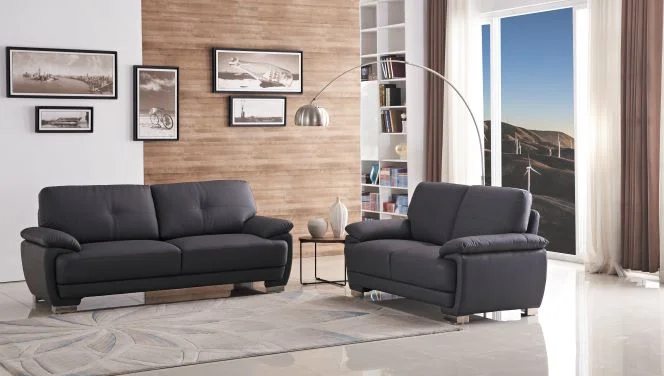

Difference between sofa couch settee can feel confusing because these words are often used for similar seating pieces. However, they do not always mean the exact same thing. Once you understand size, comfort, style, and room use, choosing the right seat becomes much easier for your home.
What Is the Difference Between Sofa, Couch, and Settee?
The difference between sofa, couch, and settee mostly comes down to formality, design, and how people use each word. A sofa usually sounds more formal and often describes a structured, upholstered seat for two or more people. A couch feels more casual and is often linked with lounging, relaxing, and everyday family use. A settee is usually smaller, more upright, and often decorative.
In real life, many stores use these words loosely. So, the sofa couch settee difference is not always strict. Still, knowing the basic meanings helps you shop with more confidence.
What Is a Sofa?
The sofa meaning is simple: a sofa is a long, upholstered seat with a back and arms, usually made for two, three, or more people. The sofa definition often points to a more polished seating piece, especially one used in a living room, family room, office, or sitting area.
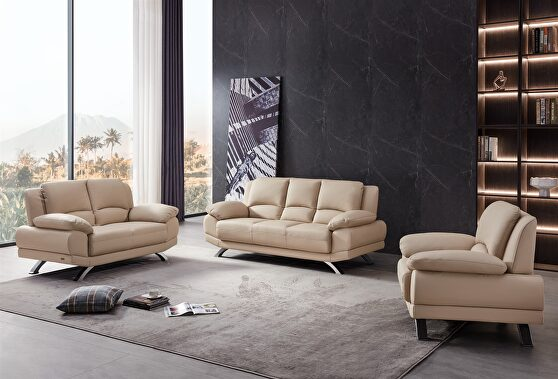
A sofa often has a solid frame, deep cushions, and a balanced shape. It may look casual, modern, traditional, farmhouse, or elegant, depending on the design. When people ask about the difference between sofa and couch, the sofa is usually seen as the more formal option.
What Is a Couch?
The couch meaning is close to the sofa meaning, but the feeling is different. The couch definition often suggests a relaxed seat made for comfort, lounging, naps, TV time, and daily use. A couch may have soft cushions, a lower profile, and a more casual look.
In many homes, people say “couch” even when the piece is technically a sofa. That is why the question “are sofa and couch the same thing” comes up so often. In everyday speech, yes, they are often the same. In design language, a couch usually feels more casual than a sofa.
What Is a Settee?
The settee meaning is a small upholstered seat with a back, often designed for two people. The settee definition usually describes a more compact and upright piece than a sofa or couch. A settee may look charming, vintage, modern, or formal, depending on its shape and fabric.
A settee is often used where a full-size sofa would feel too large. You may see one in an entryway, bedroom corner, hallway, dining nook, or small living room. When people ask, “is a settee the same as a sofa,” the answer is: not exactly. It is sofa-like, but usually smaller and more decorative.
Sofa vs Couch vs Settee: Quick Comparison
The easiest way to understand couch vs sofa and settee vs sofa is to think about how each piece feels in a room. A sofa feels balanced and polished. A couch feels relaxed and casual. A settee feels compact, decorative, and often a bit more formal.
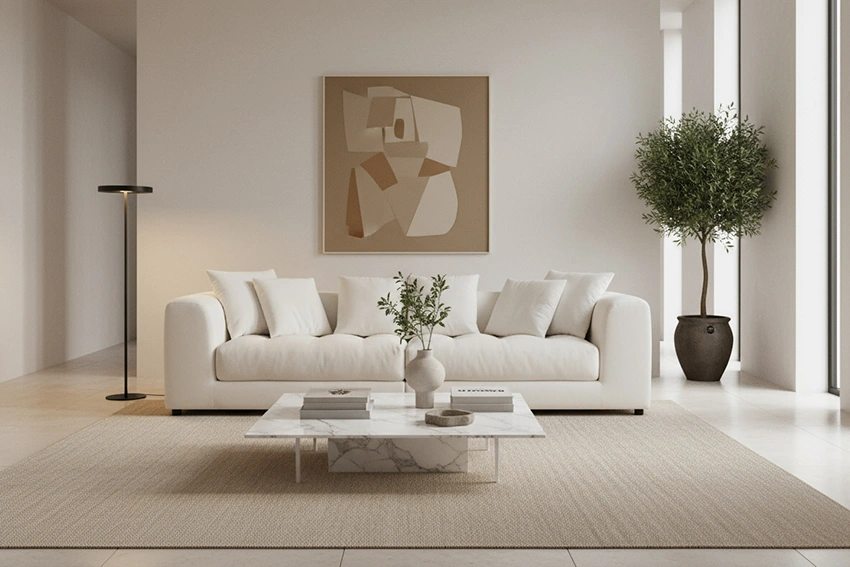
Here is a quick comparison:
| Seating Type | Usual Size | Main Feeling | Best Use |
|---|---|---|---|
| Sofa | Medium to large | Structured and polished | Living rooms, family rooms |
| Couch | Medium to large | Casual and cozy | TV rooms, apartments |
| Settee | Small to medium | Decorative and compact | Entryways, bedrooms, small rooms |
- Size and Shape
A sofa is usually larger than a settee and often seats three or more people. A couch can be similar in size to a sofa, but it may look softer or more relaxed. A settee is usually smaller, narrower, and more upright, making it useful in tight spots.
- Comfort Level
A couch often wins for deep lounging because it usually has softer cushions and a casual shape. A sofa can also be very comfortable, especially with deep seats and supportive cushions. A settee may feel firmer because many settees focus more on shape, posture, and style.
- Best Room Use
A sofa works well as the main seating piece in a living room. A couch fits nicely in a casual family room, apartment, or media space. A settee works best in smaller areas, such as a bedroom corner, hallway, dining space, or entryway where you need seating without bulk.
- Style and Formality
Sofas often look more formal than couches, although modern designs can blur the line. Couches usually feel relaxed and lived-in. Settees often bring a more styled look, almost like a piece of jewelry for a room. They can make a simple corner feel finished.
Why People Use These Words Differently?
People use sofa, couch, and settee differently because language changes by place, habit, and shopping trends. One person may call every long seat a couch. Another may use sofa for the main living room piece. A furniture store may use all three words for similar products.
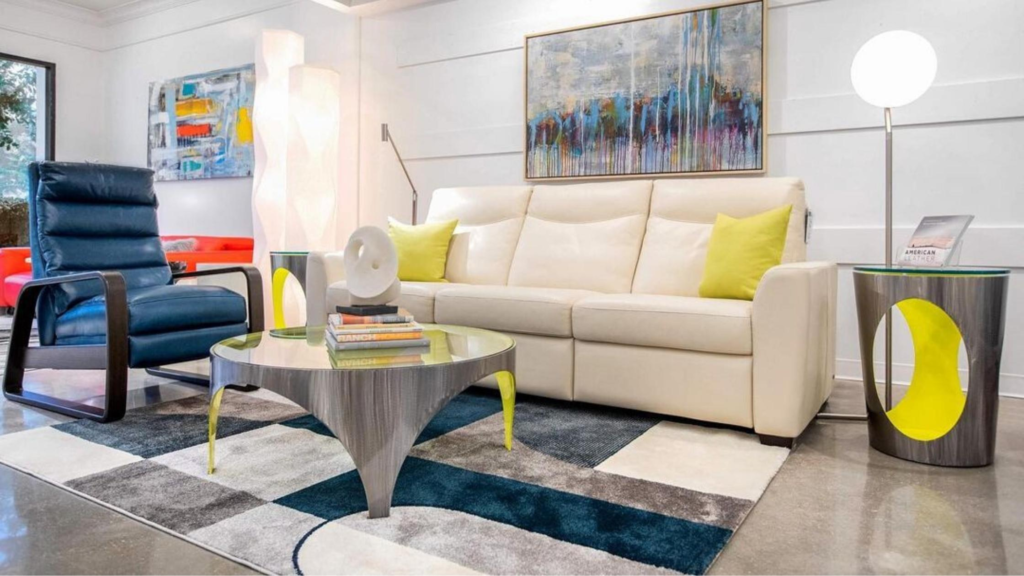
That is why the settee couch sofa difference can feel unclear. The words overlap, but the mood behind each word still matters.
- Regional Language Differences
In some places, “couch” is the everyday word. In others, “sofa” sounds more natural. Some people grew up saying couch because that is what their family said. Others say sofa because it sounds more proper. Regional habits shape the words more than strict furniture rules.
- Formal vs Casual Use
Sofa often sounds more formal in writing, product descriptions, and interior design advice. Couch feels more casual and homey. For example, a store may describe a “linen sofa,” while a family might say, “Let’s sit on the couch.” Both may refer to the same piece.
- Marketing and Store Labels
Furniture brands use labels to guide how buyers see a product. A “modern sofa” may sound sleek and upscale. A “cozy couch” may sound soft and family-friendly. A “small settee for living room” may sound stylish and space-saving. So, marketing affects how we understand each word.
Benefits of Choosing the Right Seating
Choosing the right seating affects comfort, room flow, budget, and style. A good sofa, couch, or settee can make a room feel complete. The wrong one can make the same room feel crowded, empty, or awkward.
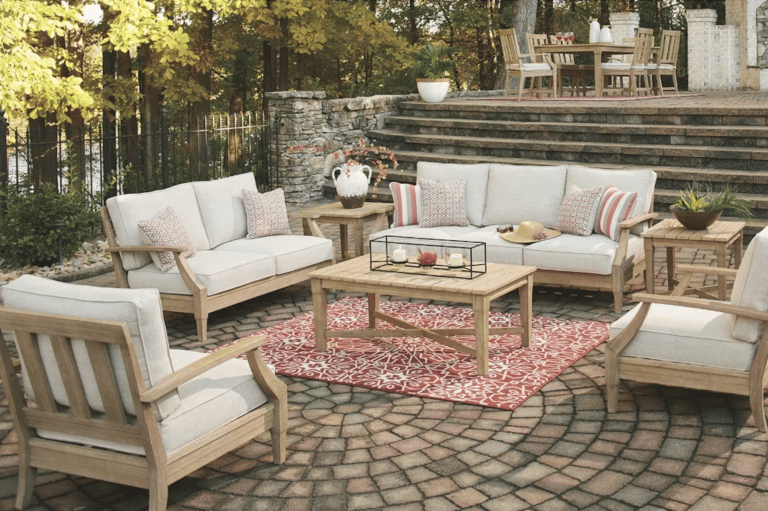
The right piece helps people sit, talk, relax, read, watch TV, or put on shoes by the door. It also supports the look of the room. In home design, seating is like the anchor on a boat. When it sits in the right place, everything else feels steady.
How to Choose Between a Sofa, Couch, and Settee?
To choose between a sofa, couch, and settee, start with your space, not the furniture store. Think about the room size, how often you use the seat, who uses it, and what style you want. Then match the furniture to your life.
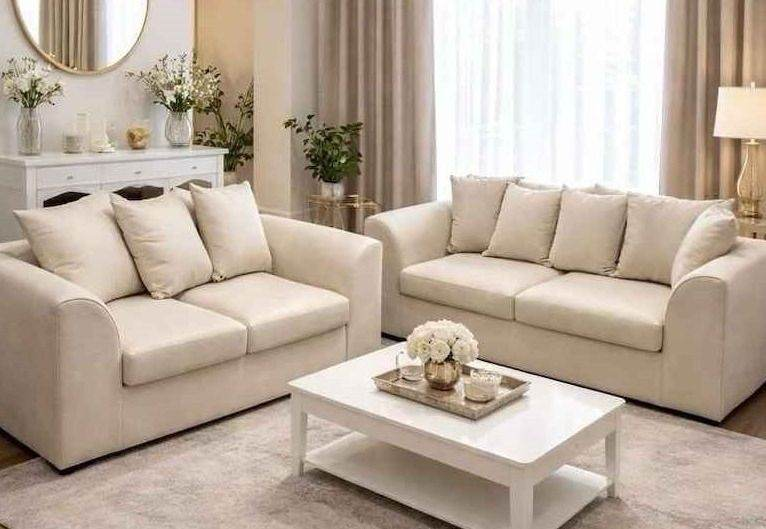
A sofa or couch for living room seating usually works best when you need a main gathering spot. A settee works better when you want charm, light seating, or a compact piece.
- Measure Your Space
Before buying anything, measure the room, wall length, walking paths, and doorway width. Leave enough space around the seating so people can move easily. A huge couch in a small room can feel like wearing shoes two sizes too big. It may work, but it will never feel right.
- Think About Daily Use
Ask how the seat will be used every day. For movie nights, naps, and kids, a couch or deep sofa may be best. For short sits, reading, or putting on shoes, a settee may work well. Daily use matters more than a pretty showroom photo.
- Match Your Décor Style
Your seating should fit the mood of the room. A clean-lined sofa works well in modern spaces. A soft couch fits casual homes. A curved settee can add charm to a vintage or cottage-style room. For more full-room planning, use a simple guide on how to decorate a room so the seating connects with rugs, lighting, storage, and wall color.
- Set a Budget
Set a clear budget before shopping. This helps you avoid falling in love with a piece that costs too much. Include delivery fees, protection plans, fabric upgrades, and possible assembly costs. A budget works like a fence. It gives you freedom inside a safe limit.
- Check Comfort and Durability
Sit on the piece when possible. Check seat depth, cushion firmness, frame strength, fabric feel, and arm height. A cheap couch that sags after six months is not a good deal. A strong sofa with washable fabric can save money over time, especially in busy homes.
Best Choice for Each Room
The best choice depends on the room. A living room often needs a sofa or couch. A hallway may need a settee. A bedroom may need a small loveseat, bench, or compact settee. A dining nook may need an upright settee with firm support.
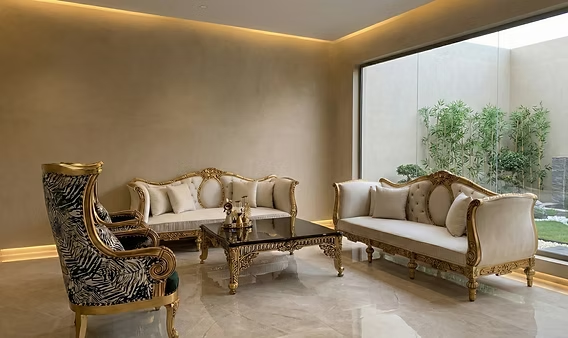
Think of each room as having its own job. Then choose seating that helps that room do the job well.
- Living Room
For a living room, a sofa is often the safest main choice because it offers structure, comfort, and enough seating. A couch also works well if the room has a casual feel. For style inspiration, a farmhouse living room often pairs cozy sofas or relaxed couches with warm textures, wood tones, and soft neutral colors.
- Small Apartment
For a small apartment, choose a compact couch, apartment sofa, loveseat, or settee. A couch or sofa for apartment living should not block walkways or overwhelm the room. Look for slim arms, raised legs, and lighter fabrics. These details help the room feel more open.
- Bedroom Corner
A bedroom corner can work beautifully with a small settee, loveseat, or accent chair. A settee adds a soft place to read, put on shoes, or lay out clothes. Since bedrooms need calm, choose gentle colors and avoid bulky shapes that make the room feel crowded.
- Entryway or Hallway
A settee is often the best choice for an entryway or hallway. It gives guests a place to sit while removing shoes, but it does not take over the space. Settee ideas for entryway styling include a narrow table, mirror, hooks, baskets, and washable upholstery.
- Dining or Kitchen Area
A settee can also work in a dining nook or kitchen area. Choose one with a firm seat and easy-clean fabric. Unlike a deep couch, a dining settee should keep people upright at the table. It can make a breakfast corner feel cozy without using many chairs.
Budget Tips for Buying Seating
Good seating does not always need a luxury price tag. Smart buying starts with research, measurements, and patience. Compare materials, read furniture reviews, and avoid impulse purchases. A stylish room comes from good choices, not just expensive pieces.
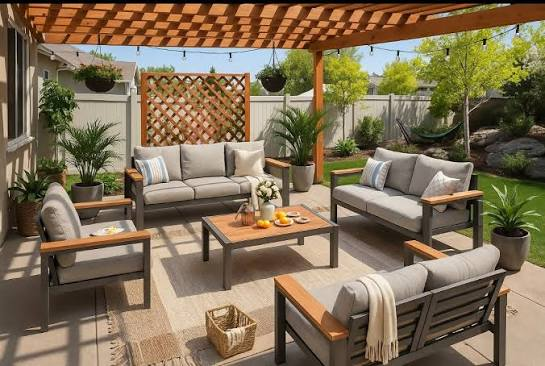
Before buying, check product details, return policies, delivery reviews, and frame materials. Reading trusted furniture reviews can help you compare quality, comfort, service, and value before spending money.
- Compare Materials
Fabric affects price, comfort, and cleaning. Polyester is often affordable and durable. Linen looks beautiful but may wrinkle. Velvet feels rich but can show marks. Leather costs more but can last long with care. Performance fabric is a strong choice for pets, kids, and busy homes.
- Look for Sales
Furniture prices change often. Look for holiday sales, clearance events, floor models, and end-of-season discounts. However, do not buy only because something is on sale. A bad fit at 40% off is still a bad fit. Measure first, then hunt for deals.
- Consider Secondhand Options
Secondhand seating can save a lot of money. Check local marketplaces, thrift stores, estate sales, and consignment shops. Look for solid frames, clean fabric, and no strong odors. Avoid pieces with broken springs, deep stains, or signs of pests. A good used settee can become a standout piece.
- Choose Timeless Colors
Neutral colors such as beige, gray, cream, taupe, brown, and soft green can work for years. You can add color with pillows, throws, rugs, and art. A bright couch may look fun today, but a timeless sofa gives you more styling freedom later.
- Avoid Oversized Pieces
Oversized seating can make a room feel smaller and harder to use. A sofa should support the room, not swallow it. For small spaces, choose slim arms, clean backs, and exposed legs. A settee for small living room layouts can offer seating without blocking the room’s flow.
Common Buying Mistakes to Avoid
Many seating mistakes happen before the furniture even enters the home. People fall in love with a look, forget to measure, ignore fabric care, or skip comfort testing. Then the piece arrives and creates problems.
A sofa, couch, or settee should fit your room, your habits, and your budget. It should not create daily frustration.
- Ignoring Room Size
Room size should guide every seating choice. A large sectional may look great online but feel huge in a small living room. On the other hand, a tiny settee may look lost in a wide family room. Use painter’s tape on the floor to mark the footprint before buying.
- Choosing Style Over Comfort
A beautiful sofa that feels hard or awkward will not get used. Comfort matters because seating is meant for real life. Check cushion support, seat height, back angle, and fabric feel. Style brings people into the room, but comfort makes them stay.
- Forgetting Fabric Care
Fabric care matters more than many buyers think. A white linen couch may not suit a home with pets, kids, or heavy snacks. A washable slipcover or performance fabric can make daily life easier. Always check cleaning codes and care instructions before buying.
- Not Checking Doorways
A sofa that cannot fit through the door becomes an expensive problem. Measure doorways, stairways, elevators, and hall turns. Also check whether the legs can be removed. This step is boring, but it can save you from a delivery-day headache.
- Buying Without a Plan
Buying without a plan often leads to mismatched furniture. Before shopping, decide the room’s purpose, color palette, layout, and seating needs. Think about side tables, rugs, lamps, and storage too. A sofa is not an island. It needs the right pieces around it.
Simple Styling Ideas for Sofas, Couches, and Settees
Once you choose the right seating, styling makes it feel complete. Pillows, blankets, rugs, tables, lamps, and wall décor can turn a plain seat into a cozy focal point. Good styling does not need to be expensive. It needs balance.
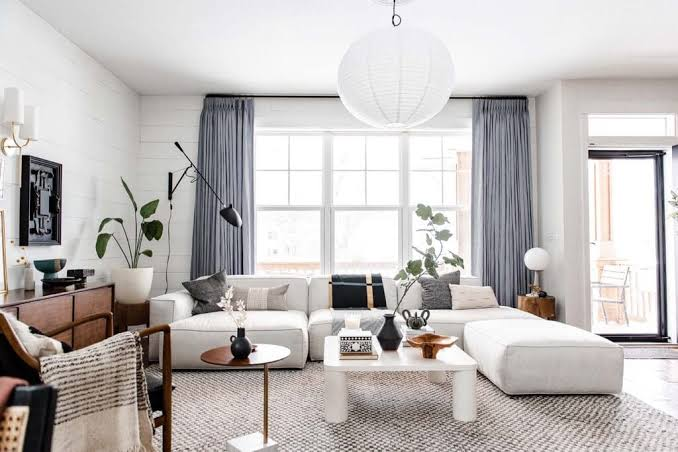
For the area around your seating, use practical wall decor ideas such as framed prints, shelves, mirrors, or simple gallery walls. These details help the sofa, couch, or settee feel connected to the whole room.
- Add Throw Pillows
Throw pillows add color, comfort, and personality. Use two to five pillows, depending on the size of the seat. Mix one solid color with one pattern for an easy look. On a settee, avoid too many pillows because they can take away seating space.
- Use a Cozy Blanket
A throw blanket makes a sofa or couch feel warm and inviting. Drape it over one arm or fold it across the back. Choose a washable fabric for daily use. A blanket is like a friendly welcome sign. It says, “Sit down and relax.”
- Pair with a Rug
A rug helps anchor seating in the room. In a living room, the front legs of the sofa or couch should usually sit on the rug. This creates a connected seating area. For a small settee, a runner or small area rug can define the space.
- Add Side Tables
Side tables make seating more useful. They hold drinks, books, lamps, remotes, and décor. In larger rooms, a coffee table can also support the seating area and create a natural center point. Choose tables that match the seat height for comfort.
- Balance Colors and Textures
A room feels better when colors and textures work together. Pair smooth fabric with woven baskets, wood tables, soft blankets, or metal lamps. If the sofa is plain, add texture through pillows. If the couch has strong color, keep nearby décor simple.
Which One Should You Buy?
Choose a sofa if you want a polished, dependable main seating piece for a living room. Choose a couch if you want a relaxed, cozy place for lounging, TV, and everyday comfort. Choose a settee if you need compact seating with style, especially in a small living room, entryway, bedroom, or dining nook.
For most homes, the best sofa for small living room layouts is a compact sofa or apartment sofa with slim arms. For renters, a lighter couch or settee may be easier to move. For decorative spaces, a settee can add charm without taking up too much room.
The answer depends on how you live. Furniture should serve your daily routine first and your style second. When both work together, your home feels comfortable and beautiful.
Conclusion
The difference between sofa couch settee is not as confusing once you understand the purpose of each piece. A sofa feels more structured, a couch feels more casual, and a settee feels smaller and more decorative. However, stores and people often use the words in different ways. So, focus less on the label and more on size, comfort, room use, fabric, and budget. When the piece fits your life, the name matters much less.
Frequently Asked Questions
The main difference between sofa and couch is tone and use. A sofa usually sounds more formal and structured, while a couch sounds more casual and relaxed. In many homes, people use both words for the same type of seating. So, when comparing couch vs sofa, think about style, comfort, and how the piece will be used.
Yes, a settee is usually smaller than a sofa. In the sofa vs settee comparison, the sofa often seats more people and works as the main living room piece. A settee usually seats one or two people and works well in smaller spaces, such as hallways, bedrooms, dining nooks, or entryways.
For a small living room, a compact sofa, apartment couch, loveseat, or settee can work well. The best sofa for small living room layouts usually has slim arms, raised legs, and simple lines. A small settee for living room use is also a smart choice when space is very limited.
Yes, couch is often used as a casual word for sofa. Many people ask, “are couch and sofa the same?” In everyday speech, they often are. However, in design terms, sofa may sound more polished, while couch may suggest comfort, lounging, and informal family use.
Yes, a settee can be used in a living room. A settee for small living room spaces can add seating without making the room feel crowded. You can use it across from a sofa, near a window, or in a reading corner. Settee ideas for living rooms often include pillows, a small table, and a soft rug.
A couch or sofa for apartment living is often best for renters if it is lightweight, compact, and easy to move. A settee can also be a great choice because it fits small spaces and usually moves more easily than a large sofa. Renters should measure doorways and stairs before buying.
The most budget-friendly choice is usually a simple couch, small sofa, used settee, or loveseat. When comparing loveseat vs settee, loveseats may offer more soft comfort, while settees may add more style. In the settee vs loveseat decision, choose based on comfort, size, and price.
Measure your room, doorways, and walking paths first. Leave space around the seating so people can move easily. Then choose a sofa, couch, or settee that fits the room’s scale. The right size should feel useful, not cramped. When in doubt, choose slightly smaller rather than too large.