
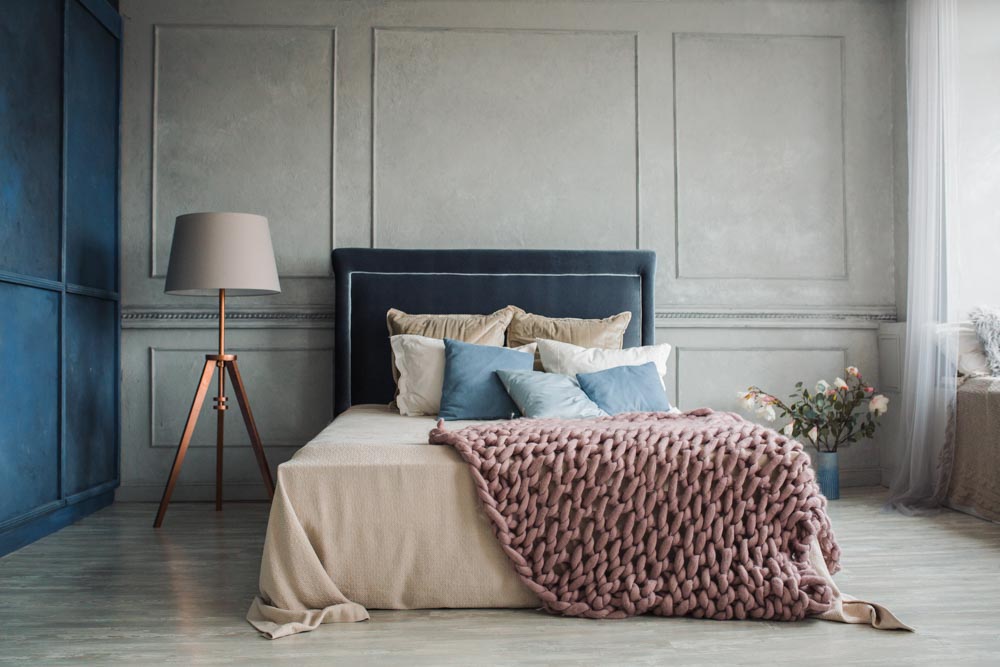

Floor lamps for bedroom spaces can make a room brighter, warmer, and more useful without filling a nightstand or requiring permanent electrical work. A well-chosen floor lamp can provide gentle evening light, support comfortable reading, brighten a dressing area, improve a bedroom workspace, or bring life to a dark corner. In addition, modern lamps may include dimming controls, remote operation, adjustable color temperatures, smart-home support, USB charging ports, built-in shelves, timers, and energy-efficient LED lighting.
The best bedroom floor lamp depends on the room’s size, the lamp’s purpose, and the atmosphere you want to create. For example, a fabric-shade lamp is usually ideal for soft ambient lighting, while an adjustable task lamp works better for reading. A torchiere can spread light around the entire room, whereas a shelf lamp can provide lighting and storage in one compact piece. Therefore, understanding the available styles and features will help you choose a lamp that looks attractive and works well every day.
Quick Guide to the Best Floor Lamps for Bedroom Needs
The right lamp should match the activity you plan to do most often. Although decorative style matters, function should come first because a beautiful lamp may still feel uncomfortable if it produces glare, takes up too much space, or cannot be controlled easily.
| Bedroom need | Best floor-lamp type | Helpful features |
| Soft evening lighting | Fabric-shade floor lamp | Warm bulb, dimmer, linen shade |
| Bedtime reading | Adjustable reading lamp | Flexible arm, focused beam, remote |
| Whole-room brightness | Torchiere floor lamp | High output, upward light, dimming |
| Small bedroom | Slim pole or corner lamp | Narrow base, compact shade |
| Extra storage | Shelf floor lamp | Shelves, drawer, USB ports |
| Modern mood lighting | Smart LED floor lamp | RGB, app, voice and scene controls |
| Chair or seating area | Arc floor lamp | Curved arm, wide shade |
| Shared bedroom | Multi-head or adjustable lamp | Separate heads, multiple settings |
| Bedroom office | LED task floor lamp | Neutral light, high brightness |
| Child’s bedroom | Stable shaded lamp | Weighted base, cool LED bulb |
Why Floor Lamps Work Well in Bedrooms
Floor lamps are practical because they add light without using valuable table space. This is especially useful in small bedrooms, rented homes, guest rooms, apartments, and rooms where the nightstands are already crowded with phones, books, alarm clocks, or personal items. In addition, a floor lamp can be moved whenever the furniture arrangement changes. Unlike a wall sconce or ceiling fixture, it does not usually require drilling, wiring, or professional installation.
A floor lamp also helps create layered lighting. Layered lighting means using several types of light rather than depending on one bright ceiling fixture. For example, a bedroom may include a ceiling light for cleaning, a floor lamp for relaxing, and a smaller bedside light for late-night use. As a result, the room becomes more flexible and comfortable throughout the day.
Benefits of Floor Lamps for Bedroom Spaces
Bedroom floor lamps offer both practical and decorative benefits. First, they can illuminate areas that overhead fixtures fail to reach. Second, they create a softer atmosphere because their light often spreads across walls, ceilings, and fabric shades instead of shining directly downward. Third, a tall lamp adds visual height, which can make an empty corner feel more complete. Finally, modern designs may combine several functions, including lighting, charging, storage, smart controls, and adjustable task illumination.
Floor lamps are also easy to update. A new shade, bulb, smart plug, or decorative finish can change the appearance and function of the lamp without replacing the entire bedroom lighting system. Therefore, they are a flexible choice for homeowners and renters who want a noticeable improvement without a large renovation.
Types of Floor Lamps for Bedroom Lighting
There are many types of bedroom floor lamps, and each design creates a different lighting effect. Some models are made for general illumination, while others focus light on a specific task. Understanding these differences can prevent common buying mistakes.
Traditional Shaded Floor Lamps
A traditional shaded floor lamp usually has a straight pole, a stable base, and a fabric shade. It is one of the most versatile options for a bedroom because the shade softens the bulb and spreads light gently around the room. Linen, cotton, pleated fabric, woven fibers, and rice-paper materials are common choices. These shades can reduce harsh glare and make the bedroom feel calm.
Traditional lamps work well beside a bed, dresser, reading chair, or bedroom bench. They also come in many decorative styles, including modern, farmhouse, rustic, coastal, industrial, and classic. However, the shade should be large enough to soften the light without becoming too wide for the available space.
Reading Floor Lamps
Reading floor lamps provide focused light for books, magazines, crafts, or other close work. They often include a flexible gooseneck, swing arm, rotating head, or adjustable pole. Therefore, the user can direct the beam toward the page instead of lighting the entire bedroom.
A good reading lamp should illuminate the reading material without shining directly into the eyes. It should also reduce shadows from the reader’s head or shoulder. Adjustable brightness is helpful because different books, screens, and times of day may require different light levels.
Arc Floor Lamps
Arc lamps have a tall curved arm that extends the light away from the base. This design is useful when the lamp base cannot sit directly beside the area that needs light. For example, the base may stand behind a chair while the shade hangs over the seat. Similarly, an arc lamp may reach over the corner of a bed or bedroom bench.
Arc lamps can create a strong decorative statement, especially in modern or mid-century bedrooms. Nevertheless, buyers should measure carefully because the curved arm and wide shade may require more room than expected. The base must also be heavy enough to support the extended arm safely.
Torchiere Floor Lamps
A torchiere floor lamp has an upward-facing bowl or shade. Instead of sending light directly into the room, it directs light toward the ceiling. The ceiling then reflects the light across a wider area. As a result, a torchiere can provide broad ambient illumination and may be helpful in a bedroom without a strong ceiling fixture.
Modern torchieres often use integrated LEDs and include dimming controls, remote operation, or adjustable color temperatures. Some models also have a separate reading arm, which allows one lamp to provide both general and focused lighting.
Shelf Floor Lamps
Shelf lamps combine a light source with open storage. Most have two or three shelves built into a tall rectangular frame. These shelves may hold books, plants, framed photographs, small baskets, alarm clocks, or decorative items. Some designs also include drawers, USB ports, electrical outlets, or wireless charging surfaces.
A shelf lamp can be useful in a small bedroom because it may replace both a lamp and a narrow side table. However, the frame should be stable, and the shelves should not be overloaded. In addition, decorative objects should not block airflow around the bulb or shade.
Tree Floor Lamps
Tree lamps have several adjustable heads connected to one central pole. Each head may point in a different direction, allowing a single lamp to illuminate multiple parts of the bedroom. For instance, one light can face a reading chair, another can shine toward a wall, and a third can brighten a dressing area.
Tree lamps are useful in shared bedrooms, large rooms, creative spaces, and bedrooms with several activity zones. However, their appearance can feel busier than a simple shaded lamp. Therefore, they usually suit modern, industrial, playful, or functional interiors.
Tripod Floor Lamps
Tripod lamps use three legs instead of a single central base. They often have a large drum shade and a strong decorative appearance. Wood tripod lamps can suit Scandinavian, farmhouse, coastal, and mid-century bedrooms, while metal versions may feel more modern or industrial.
Although tripod lamps are attractive, they require more floor space. The legs can also create a tripping risk in narrow walkways. Consequently, they work best in larger corners or open areas where people will not walk close to the base.
Floor Lamps With Tables
A floor lamp with an attached table combines illumination with a small surface. The table may hold a phone, drink, book, alarm clock, or decorative item. Some models include USB ports, outlets, shelves, or drawers.
This style can replace a small nightstand in a compact bedroom. However, the table height should suit the bed or chair beside it. The surface should also be stable enough for the items you plan to place on it.
Smart LED Floor Lamps
Smart LED floor lamps offer advanced control through an app, remote, voice assistant, or smart-home system. Depending on the model, users may adjust brightness, white-light temperature, color, scenes, schedules, and timers. Some smart lamps also include music synchronization, animated effects, and RGB or RGBIC gradients.
These lamps are popular in modern bedrooms, gaming rooms, teen bedrooms, and entertainment spaces. However, a smart lamp should still provide useful white light. A model that produces only decorative colors may not work well for reading, dressing, or cleaning.
Corner LED Floor Lamps
Corner lamps are slim vertical LED fixtures designed to sit close to a wall. They often shine light backward toward the wall, creating an indirect glow. Because the light reflects from the wall, the lamp can make a bedroom feel more atmospheric without taking up much floor space.
Many corner lamps include RGB colors, app controls, remote operation, music modes, and preset scenes. They are excellent for mood lighting, although they may not provide enough focused light for reading.
Multi-Function Floor Lamps
Some bedroom lamps combine several features in one design. A lamp may include a main torchiere, a flexible reading arm, a charging station, shelves, smart controls, and a timer. These models can be useful when space is limited. Nevertheless, more features may also mean more controls, cables, and electronic parts. Therefore, buyers should choose features they will actually use.
Ambient, Task and Accent Lighting
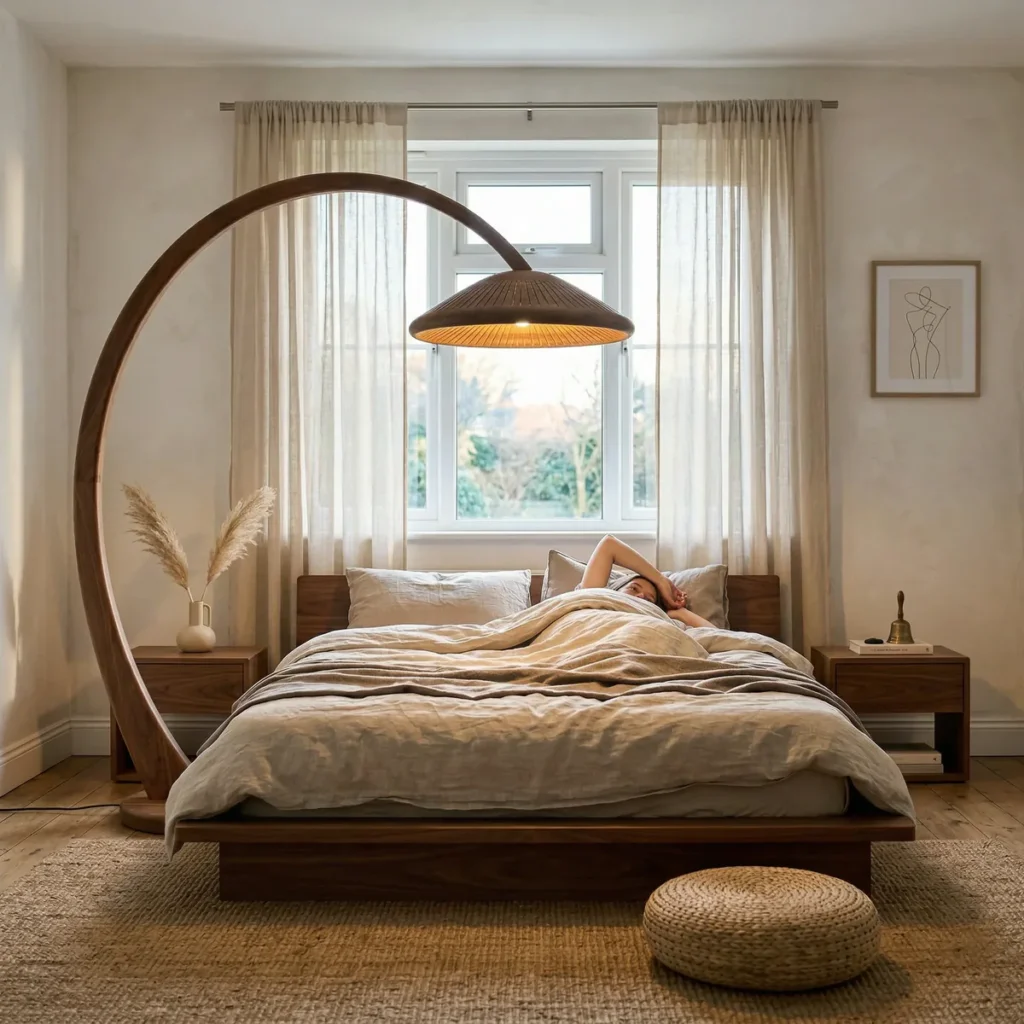
Bedroom floor lamps generally provide one of three lighting functions: ambient, task, or accent lighting. Ambient lighting creates general illumination across the room. Shaded lamps and torchieres often serve this purpose. Task lighting supports specific activities, such as reading, working, dressing, or sewing. Adjustable reading lamps and multi-head lamps are common task options. Accent lighting highlights a wall, plant, picture, furniture piece, or architectural feature. Smart corner lamps and upward-facing decorative lights often provide accent lighting.
The best bedroom may use more than one function. For example, a torchiere can provide ambient light while a smaller adjustable arm provides task lighting. Similarly, a shaded floor lamp may create general warmth while a smart LED strip or corner lamp adds decorative color.
Choosing the Right Brightness
Brightness is commonly measured in lumens. However, the ideal number of lumens depends on the size of the room, wall colors, ceiling height, shade material, and intended use. A decorative lamp may need only modest output, while a reading or whole-room lamp needs stronger illumination.
As a practical starting point, a soft bedroom lamp may provide several hundred lumens, while a stronger task or torchiere lamp may provide 1,000 lumens or more. Large bedrooms may need several light sources rather than one extremely bright lamp. In addition, dark walls and heavy fabrics absorb more light, whereas white walls and mirrors reflect it.
Brightness should also be adjustable whenever possible. A high setting can help with dressing, cleaning, or organizing, while a low setting creates a calmer evening atmosphere.
Best Color Temperature for Bedroom Floor Lamps
Color temperature is measured in kelvins and describes whether light appears warm, neutral, or cool. Warm white light usually falls around 2700K to 3000K. It creates a soft yellow or golden appearance and is often the best choice for relaxing before sleep.
Neutral white light usually falls around 3500K to 4000K. It looks clearer and less yellow, which can be useful for dressing, reading, working, or organizing. Cool daylight-style light may range from approximately 5000K to 6500K. It can improve visibility, but it may feel harsh in a relaxing bedroom.
A lamp with several color-temperature settings provides the most flexibility. For example, warm light can be used in the evening, while neutral light can support daytime work. Some lamps include three preset temperatures, while others allow continuous adjustment.
Warm Light Versus Cool Light
Warm light usually makes wood, fabric, cream, beige, and earthy colors look inviting. It is well suited to traditional, farmhouse, boho, coastal, and relaxing bedroom designs. Cool light makes white, gray, glass, chrome, and blue surfaces appear sharper. Therefore, it may work in a modern office-bedroom or dressing area.
However, one bedroom does not need to use only one color temperature. Adjustable lamps allow the mood to change according to the activity. The most important point is that nearby lamps should not look unpleasantly mismatched when they are used together.
Dimmable Floor Lamps for Bedroom Comfort
Dimming is one of the most useful bedroom lamp features. A dimmable lamp can provide strong light when needed and soft light before bedtime. Some models offer three or four fixed brightness levels, while others provide stepless dimming.
Stepless dimming allows the brightness to change smoothly across a wide range. Therefore, it provides more control than fixed settings. However, the bulb, lamp, and dimming system must be compatible. A non-dimmable bulb may flicker or fail when used with a dimming lamp.
Floor-Lamp Control Options
Control placement affects how convenient a lamp feels in daily use. A lamp beside a bed should ideally be adjustable without requiring the user to stand up or reach behind furniture.
Foot Switches
A foot switch sits on the power cord and allows the user to turn the lamp on or off by stepping on the control. It is simple and useful in open areas. However, it may be difficult to reach if the cord is hidden behind a bed or dresser.
Pull Chains
A pull chain hangs near the bulb or shade. It is easy to understand and usually dependable. Nevertheless, the chain must remain within comfortable reach.
Rotary Switches
A rotary switch may appear on the lamp holder, pole, or cord. These controls are common on traditional lamps. They work well when the lamp is close to the user.
Touch Controls
Touch-sensitive lamps can be controlled by tapping the base, pole, or control panel. They often have a clean modern appearance. However, some touch controls may be too sensitive or difficult to find in darkness.
Remote Controls
A remote is especially useful for a bedroom floor lamp because it allows brightness, color, temperature, and timers to be adjusted from the bed. Buyers should check the remote’s range and whether it needs a direct line of sight.
App and Voice Controls
Smart lamps may be controlled through a phone app or voice assistant. This can be helpful when the user’s hands are full or the lamp is across the room. However, setup may require Wi-Fi, Bluetooth, an account, or a compatible smart-home platform.
Timers, Schedules and Night-Light Modes
Timers allow a lamp to turn off after a selected period. This feature is useful for people who read in bed and may fall asleep with the light on. Schedules can automatically turn the lamp on in the morning or reduce brightness in the evening.
A night-light mode produces very low brightness. It can help people move safely through the bedroom without switching on a bright ceiling fixture. Parents may also use it in a child’s room. However, the lamp should still be positioned so that the glow does not shine directly toward the sleeper’s face.
Smart Floor Lamps for Bedroom Use
Smart lamps can make bedroom lighting more flexible. Common features include app control, voice commands, adjustable white light, RGB colors, scenes, timers, schedules, music synchronization, and gradual wake-up effects. Some models support major smart-home platforms, while others work only through the manufacturer’s app.
Before purchasing a smart lamp, check whether it requires Wi-Fi, Bluetooth, a hub, or a specific account. In addition, consider what happens if the internet connection fails. A physical button or remote provides a useful backup.
RGB and RGBIC Bedroom Floor Lamps
RGB lamps create red, green, blue, and mixed colors. RGBIC lamps can display several colors across different sections of the lamp at the same time. As a result, they may create gradients, animated effects, and colorful scenes.
These lamps work well for gaming, movies, music, social media videos, or decorative mood lighting. However, they should not be the only light source in a functional bedroom. A separate warm white lamp may still be needed for reading and everyday activities.
Floor Lamps With USB Ports and Outlets
Built-in charging features can reduce clutter around the bed. Some lamps include USB-A ports, USB-C ports, standard outlets, or wireless charging pads. These features are especially useful in older bedrooms with limited wall outlets.
However, charging cables should remain organized and away from walkways. Users should also check the output of each port because some may charge devices more slowly than a dedicated charger.
Replaceable Bulbs Versus Integrated LEDs
Traditional floor lamps often use replaceable bulbs, commonly with a standard screw base such as E26. This gives the user freedom to select brightness, color temperature, shape, smart features, and bulb brand. In addition, a burned-out bulb can be replaced easily.
Integrated LED lamps have built-in light sources. They are often slim, efficient, and highly adjustable. However, the LED module may not be replaceable. Therefore, buyers should check the expected lifespan, warranty, and manufacturer support.
Choosing a Lamp Shade
The shade affects both the appearance and performance of a floor lamp. A white or cream shade generally allows more light to pass through, while a dark or thick shade creates a more focused and dramatic effect.
Linen and Fabric Shades
Linen and fabric shades soften light and suit many bedroom styles. They create a comfortable glow and reduce direct glare. However, they may collect dust and require gentle cleaning.
Paper and Rice-Paper Shades
Paper shades produce soft, diffused light and often suit minimalist, Scandinavian, and Japanese-inspired bedrooms. Nevertheless, they can be delicate and should be kept away from moisture and rough handling.
Glass Shades
Glass may be clear, frosted, tinted, or opal. Frosted glass softens light, while clear glass can expose the bulb and create more glare. Decorative bulbs may improve the appearance of clear shades.
Metal Shades
Metal shades direct light rather than spreading it through the material. Therefore, they are common on task, industrial, and reading lamps. The shade should be adjustable so that the beam can be aimed comfortably.
Rattan and Woven Shades
Rattan, bamboo, and woven shades add texture and create patterned light. They suit boho, coastal, natural, and relaxed bedrooms. However, the openings may create stronger shadows than a solid fabric shade.
Best Floor Lamps for Small Bedrooms
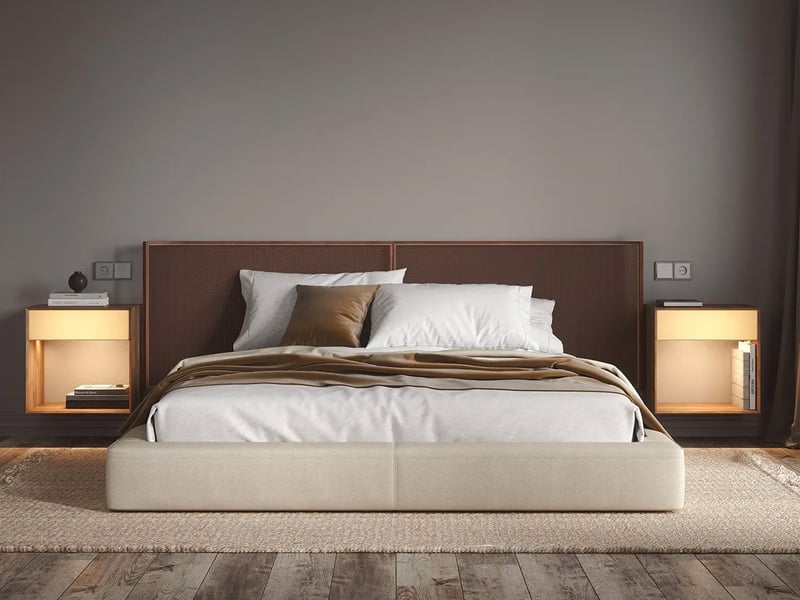
Small bedrooms need lamps with narrow bases, compact shades, and simple shapes. Slim pole lamps, adjustable reading lamps, corner LEDs, and shelf lamps are usually good options. A shelf lamp may provide storage without requiring a separate table, while a corner lamp can add atmosphere in a very small footprint.
Buyers should measure the entire lamp, not only the pole. A lamp may have a slim body but a wide shade or base. In addition, the cord and switch must remain accessible after the lamp is placed beside furniture.
Best Floor Lamps for Large Bedrooms
Large bedrooms may need more than one light source. A strong torchiere can provide broad illumination, while a reading lamp can support a seating area. An arc lamp may work over a bedroom sofa, bench, or large chair.
In a large room, floor lamps can also define zones. For example, one lamp may identify the sleeping area, while another creates a reading or work zone. Matching lamps are not always necessary, but they should share at least one visual feature, such as finish, shade color, shape, or design style.
Best Floor Lamps for Reading in Bed
A reading lamp beside the bed should direct light toward the page without shining into the reader’s eyes or disturbing another person. Adjustable swing arms, goosenecks, and rotating heads are helpful. A remote or reachable switch also improves convenience.
Warm-neutral light is often comfortable for bedtime reading. Very dim light may cause discomfort, while very bright cool light may feel harsh. Therefore, an adjustable lamp is usually the best solution.
Best Floor Lamps for a Bedroom Reading Chair
A lamp beside a reading chair should generally place the light above and slightly behind the reader’s shoulder. This reduces shadows on the page. Bent-neck, task, and arc lamps work well in this position.
The shade should not block the reader’s view across the room. In addition, the base should not interfere with the chair, side table, or walking path.
Best Floor Lamps for a Bedroom Office
A bedroom workspace needs clearer task lighting than a relaxing corner. An adjustable LED lamp with neutral white light can improve visibility for computer work, writing, studying, or crafts. A flexible head helps direct light away from the screen to reduce reflections.
The lamp should not create strong contrast between a bright desk and a dark room. Therefore, combining task light with soft ambient lighting may feel more comfortable.
Best Floor Lamps for Children’s Bedrooms
Safety, stability, and simple controls are especially important in a child’s room. Choose a lamp with a weighted base, cool-running LED bulb, secure shade, and protected cord placement. Avoid fragile glass shades and unstable tripod bases in active play areas.
A low night-light setting may help during bedtime or nighttime movement. However, cords should remain out of reach, and the lamp should not be placed where it can be climbed, pulled, or knocked over easily.
Best Floor Lamps for Teen Bedrooms
Teen bedrooms often serve as sleeping, studying, gaming, social, and entertainment spaces. Therefore, adjustable or smart lighting may be useful. A lamp with white task light can support studying, while RGB effects can create mood lighting for games or music.
Shelf lamps and lamps with charging ports may also help organize devices and books. Nevertheless, the lamp should still provide comfortable everyday illumination rather than only decorative color.
Where to Place Floor Lamps in a Bedroom
Placement affects how useful and attractive the lamp will be. Before positioning it, consider outlets, doors, drawers, closet access, curtains, walking paths, and the direction of the light.
Beside the Bed
A floor lamp can replace a table lamp when the nightstand is too small or absent. Choose a slim base and make sure the switch is reachable from the bed. The bottom of the shade should not expose the bulb directly to someone lying down.
Behind a Bedside Table
Placing a lamp behind a small nightstand can save surface space. However, the shade and switch must remain accessible. In addition, the lamp should not press against curtains or bedding.
Next to a Reading Chair
Place the lamp slightly behind or beside the chair so that light falls across the reading material. Avoid positioning it directly in front of the reader because this may cause glare.
In an Empty Corner
A floor lamp can make an unused corner feel intentional. A shaded lamp adds warmth, while a torchiere brightens the ceiling. A smart corner lamp can create colorful accent lighting.
Near a Dresser
A lamp near a dresser can help with folding clothes, selecting outfits, and organizing drawers. Neutral white light may show colors more accurately than very warm light.
Near a Mirror
A floor lamp can improve visibility near a mirror, but one-sided lighting may create shadows across the face. For grooming or makeup, balanced light from both sides is usually better.
Behind a Bedroom Bench
An arc lamp can extend over a bench at the foot of the bed. However, the base and curved arm should not interfere with walking around the room.
Beside a Desk
An adjustable floor lamp can provide desk lighting without taking up work-surface space. Position the beam to avoid screen glare and strong shadows.
How Tall Should a Bedroom Floor Lamp Be?
Many floor lamps are between approximately 55 and 70 inches tall, although some arc and torchiere models are taller. The ideal height depends on the lamp type and nearby furniture.
For a shaded lamp beside a chair, the bottom of the shade should usually be close to eye level when the user is seated, but the bulb should remain hidden. For a bedside lamp, the shade should direct light toward the reading area without shining directly toward the face. Adjustable lamps offer more flexibility when exact placement is difficult.
Measuring Before Buying
Before ordering a lamp, measure the available floor area, ceiling height, nearby furniture, and distance to the nearest outlet. Check the base diameter, shade width, full height, cord length, and arc reach.
For an arc lamp, measure how far the arm extends from the base. For a shelf lamp, measure the width and depth of the entire frame. For a tripod lamp, measure the full spread of the legs. These details can prevent the lamp from blocking drawers or making the bedroom feel crowded.
Matching a Floor Lamp With Bedroom Style
A floor lamp can blend into the décor or act as a decorative focal point. The finish, shade, shape, and material should connect with other features in the room.
Modern Bedrooms
Modern bedrooms often suit slim black, white, chrome, brass, or glass lamps with clean lines. Integrated LED lamps and simple drum shades also work well.
Farmhouse Bedrooms
Farmhouse rooms may include wood, black metal, aged bronze, linen shades, lantern shapes, or rustic finishes. A shelf lamp with a wood frame can also suit this style.
Mid-Century Bedrooms
Mid-century designs often feature warm wood, brass, globe shades, tripod bases, curved arms, and simple geometric forms.
Boho Bedrooms
Boho floor lamps may use rattan, bamboo, woven fibers, tassels, textured shades, or natural wood. Soft warm bulbs strengthen the relaxed atmosphere.
Coastal Bedrooms
Coastal spaces often suit white, light wood, rope, glass, rattan, and pale blue details. A simple linen shade can create a light, airy appearance.
Industrial Bedrooms
Industrial floor lamps may include black metal, exposed bulbs, cage shades, pipes, adjustable joints, or dark finishes. Warm decorative bulbs can prevent the design from feeling too harsh.
Glamorous Bedrooms
Gold, crystal, marble, glass, polished metal, and sculptural shapes can suit glamorous interiors. However, the lamp should still provide comfortable light rather than only visual decoration.
Minimalist Bedrooms
Minimalist rooms benefit from simple silhouettes, neutral colors, slim bases, and hidden controls. A lamp with several unnecessary decorative details may feel out of place.
Japandi Bedrooms
Japandi design combines Japanese simplicity with Scandinavian warmth. Floor lamps with paper shades, light wood, clean lines, and warm diffused light work especially well.
Matching Lamp Finishes With Bedroom Hardware
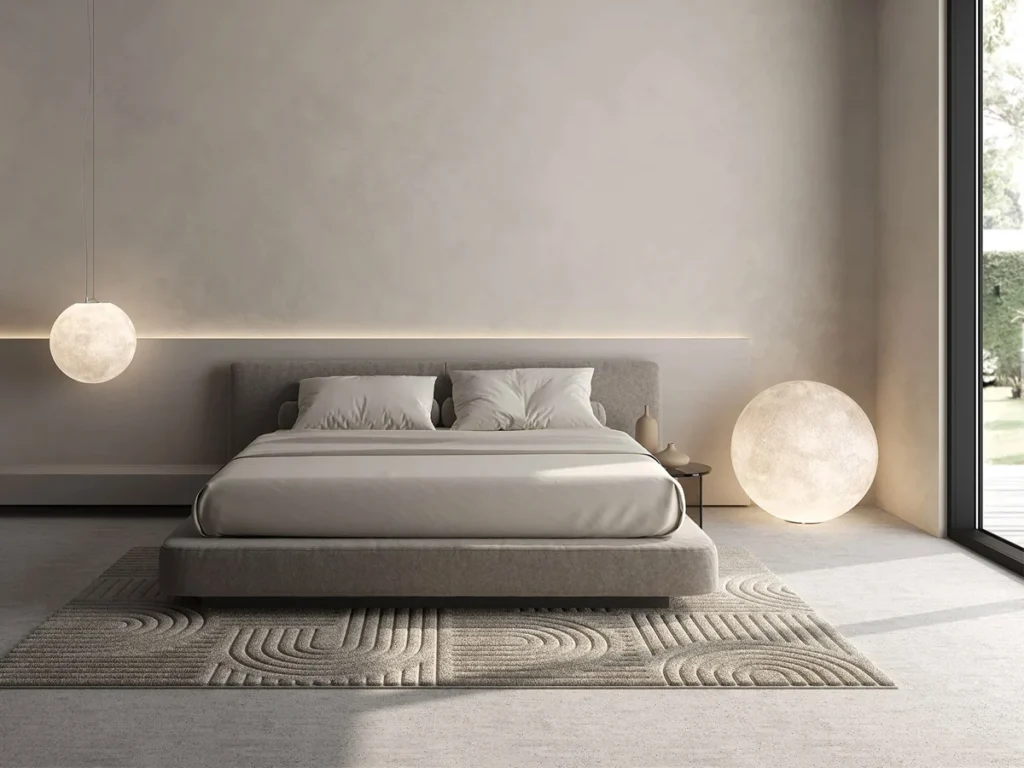
The floor lamp does not need to match every metal finish in the room. However, repeating one existing finish can make the design feel connected. For example, a brass lamp may relate to drawer handles, curtain rods, or picture frames.
Mixed metals can also work when they appear intentional. A black lamp can create contrast in a room with brass hardware, while a wood lamp can connect with the bed frame or dresser.
Floor Lamps and Bedroom Curtains
Curtains can affect both light and safety. A floor lamp should not press against curtain fabric, especially if the lamp uses a bulb that produces noticeable heat. The shade and bulb need space for airflow.
A lamp placed near room-darkening curtains can provide useful evening light when the curtains are closed. However, the cord should remain clear of curtain movement and should not become trapped under furniture.
Floor Lamps and Wall Colors
Light-colored walls reflect more light, so a modest lamp may appear brighter in a white, cream, or pale bedroom. Dark walls absorb more light and may require a stronger lamp or several lighting sources.
A wall-facing smart or corner lamp can create a dramatic glow on dark paint. On the other hand, warm white light may make beige and earthy walls feel softer and more welcoming.
Weighted Bases and Stability
A stable base is essential for a tall floor lamp. Weighted metal or stone bases can reduce the risk of tipping. This is especially important for arc lamps, tree lamps, and homes with children or pets.
The lamp should stand on a flat surface. Thick rugs may make a narrow base less stable, so check for movement after placement. Tripod legs should sit evenly and remain outside walking paths.
Cord Safety and Cable Management
Floor-lamp cords should run close to walls and furniture whenever possible. Avoid placing cords across open walkways. Cable clips, cord covers, or furniture placement can help keep the cable organized.
Do not place the cord under a rug unless the product is specifically designed for that use. Repeated pressure and heat may damage ordinary electrical cords.
Bulb Safety and Wattage
Always follow the lamp manufacturer’s bulb type and maximum wattage recommendations. A bulb with too much heat can damage the shade or socket. LED bulbs are commonly used because they produce less heat and consume less energy than traditional incandescent bulbs.
The bulb should also fit completely within the shade. An oversized bulb may create glare or touch the shade material.
Eye Comfort and Glare Reduction
A comfortable floor lamp should illuminate the room or task without exposing the bright bulb directly. Fabric, frosted glass, and indirect upward lighting can reduce glare.
For reading and computer work, place the lamp so that the beam does not reflect from the page or screen. Adjustable brightness and direction can improve comfort, especially during long periods of use.
Energy Efficiency
LED floor lamps and LED bulbs generally use less electricity and last longer than traditional incandescent lighting. Dimmers, timers, schedules, and motion controls can reduce unnecessary energy use further.
However, an integrated LED lamp may need complete replacement if the internal light source fails. A lamp with replaceable bulbs may therefore offer better long-term flexibility.
Floor Lamps for Renters
Floor lamps are ideal for renters because they usually require no drilling, wiring, or permanent changes. They can also move easily to a new home.
A smart bulb or smart plug can add automation to a basic lamp without changing the property. Nevertheless, renters should keep cords secure and avoid damaging walls when using cable clips.
How to Clean a Bedroom Floor Lamp
Unplug the lamp before cleaning. Dust the pole and base with a soft cloth. Fabric shades may be cleaned with a lint roller, soft brush, or low-suction vacuum attachment. Glass shades can be wiped carefully after they cool.
Avoid spraying cleaner directly onto electrical parts. Paper, rattan, and woven shades should be cleaned gently because moisture may damage them.
How to Make a Basic Floor Lamp Smarter
A traditional lamp can gain smart features through a compatible smart bulb or smart plug. A smart bulb may add dimming, color changes, schedules, and voice controls. A smart plug can usually turn the lamp on or off and create schedules.
However, the lamp’s physical switch often needs to remain in the on position for smart control to work. In addition, not every lamp or bulb is compatible with dimming.
Common Floor-Lamp Buying Mistakes
One common mistake is choosing a lamp only because it looks attractive. The lamp may be too dim, too large, unstable, or difficult to control. Another mistake is measuring only the height while ignoring the base and shade width.
Buyers may also overlook whether the bulb is included, replaceable, dimmable, or compatible with smart controls. Finally, choosing very cool light as the only bedroom light can make the room feel less relaxing.
Bedroom Floor-Lamp Shopping Checklist
Before purchasing a bedroom floor lamp, confirm the following details:
- Main purpose of the lamp
- Ambient, task, or accent lighting need
- Available floor space
- Lamp height
- Base width and stability
- Shade width and material
- Arc reach, if applicable
- Brightness level
- Color temperature
- Dimming capability
- Control type
- Cord length
- Outlet location
- Bulb type
- Replaceable or integrated LED
- Smart-home compatibility
- Remote-control range
- Timer or night-light mode
- USB ports or outlets
- Assembly requirements
- Warranty and replacement support
How to Compare Floor Lamps Online
When shopping online, read the full dimensions instead of relying only on photographs. Product images may make a lamp appear smaller or larger than it really is. Customer photographs can sometimes show scale more clearly.
Check whether the listed height includes the shade and whether the base dimensions are provided. In addition, confirm what is included in the package, such as the bulb, remote, batteries, tools, or replacement parts. Prices, discounts, ratings, stock, and delivery dates can change, so they should be checked at the time of purchase.
Are Expensive Bedroom Floor Lamps Better?
A higher price may reflect better materials, a heavier base, improved electronics, stronger construction, designer styling, or a longer warranty. However, an expensive lamp is not automatically the best choice.
A simple affordable lamp may work perfectly when it fits the room, uses a good bulb, and provides the right light. Therefore, buyers should compare function, dimensions, safety, and build quality rather than focusing only on price.
How Many Floor Lamps Does a Bedroom Need?
Many bedrooms need only one floor lamp, especially when ceiling and bedside lighting already exist. However, a large room may benefit from two lamps in separate zones.
For example, one shaded lamp can sit near the bed while a task lamp serves a desk or reading chair. The lamps do not need to match exactly, but their light colors and design styles should feel balanced.
Can a Floor Lamp Be the Main Bedroom Light?
A high-output torchiere or LED floor lamp may provide enough light for a small or medium bedroom. However, a single lamp may create shadows and uneven illumination.
Combining a floor lamp with ceiling lights, table lamps, sconces, or natural daylight usually creates a more balanced result. Layered lighting also allows the room to change from bright and functional to soft and relaxing.
Frequently Asked Questions About Floor Lamps for Bedroom Spaces
A dimmable floor lamp with a fabric or linen shade is one of the best general choices because it creates soft ambient light. However, an adjustable task lamp is better for reading, while a torchiere is better for broad room illumination.
Warm white light around 2700K to 3000K is usually best for relaxation. Neutral white light may be more useful for reading, dressing, studying, or working. A lamp with adjustable color temperatures provides the most flexibility.
Yes, a floor lamp can replace a bedside lamp when nightstand space is limited. Choose a slim lamp with a reachable switch, pull chain, remote control, or smart feature.
Floor lamps are useful in small bedrooms because they do not require table space. Slim pole lamps, corner lamps, narrow reading lamps, and shelf lamps usually work best.
LED lamps are a practical choice because they use less energy, produce less heat, and often include brightness or color-temperature controls. However, buyers should check whether the LED is replaceable.
The right brightness depends on the room and purpose. A soft decorative lamp may need only several hundred lumens, while a reading or torchiere lamp may need 1,000 lumens or more. Dimming controls make the lamp more flexible.
Place it close enough for the light and controls to be useful, but keep the base and cord outside the main walking path. The bulb should not be directly visible when someone is lying in bed.
The ideal height depends on the bed and shade design. The lamp should direct light toward the reading area while keeping the bulb hidden from the user’s eyes. Adjustable lamps provide more flexibility.
Arc lamps can work well in larger bedrooms, especially near a chair, bench, or seating area. However, their curved arms and wide shades require careful measurement.
Shelf lamps can be safe when they have a stable frame and are used correctly. Avoid placing heavy objects on the top shelves, and keep decorative items away from the bulb.
Smart lamps can be worthwhile for people who want voice controls, schedules, adjustable colors, remote operation, or automated routines. A basic lamp with a smart bulb may provide similar benefits at a lower cost.
Yes, a smart bulb can be used when the lamp has a compatible socket and the bulb fits the lamp’s wattage and size requirements. The lamp’s switch usually needs to remain turned on.
RGB lamps are useful for decorative mood lighting, but bright or rapidly changing colors may not feel relaxing before sleep. A low, warm setting is generally more comfortable at night.
Choose a lamp with a heavy weighted base, strong pole, cool-running LED bulb, and well-managed cord. Avoid unstable tripod designs in active areas.
They do not need to match exactly. However, repeating a similar finish, shade color, material, or shape can create a coordinated appearance.
A strong LED or torchiere floor lamp may provide substantial illumination, especially in a small room. Nevertheless, several layered light sources usually create a more comfortable and balanced bedroom.
Light-colored linen, cotton, paper, and frosted glass usually create soft, diffused illumination. Dark metal shades produce more focused light.
A remote is often more convenient beside a bed because it can be used without standing up. A foot switch is simple and dependable when it remains easy to reach.
An adjustable task lamp with a flexible neck, focused beam, dimming control, and comfortable white-light setting is usually the best option for reading.
LED floor lamps generally use relatively little electricity compared with traditional incandescent lamps. Timers, dimmers, and schedules can reduce energy use further.
Final Thoughts on Floor Lamps for Bedroom Lighting
Floor lamps for bedroom spaces can solve many common lighting problems. They can brighten a dark corner, replace a crowded bedside lamp, create a reading area, support a home office, or add decorative atmosphere. In addition, modern features such as dimming, adjustable color temperatures, remote controls, smart-home support, shelves, charging ports, timers, and night-light modes can make the bedroom more convenient.
The best lamp is not simply the brightest or most expensive model. Instead, it should match the room’s size, the intended activity, the available floor space, and the user’s preferred style. A shaded floor lamp is ideal for soft ambient light, an adjustable task lamp supports reading, a torchiere spreads light across the room, and a shelf lamp adds useful storage. By measuring carefully and considering brightness, color temperature, control type, stability, and placement, you can choose a bedroom floor lamp that remains attractive and useful for years.