
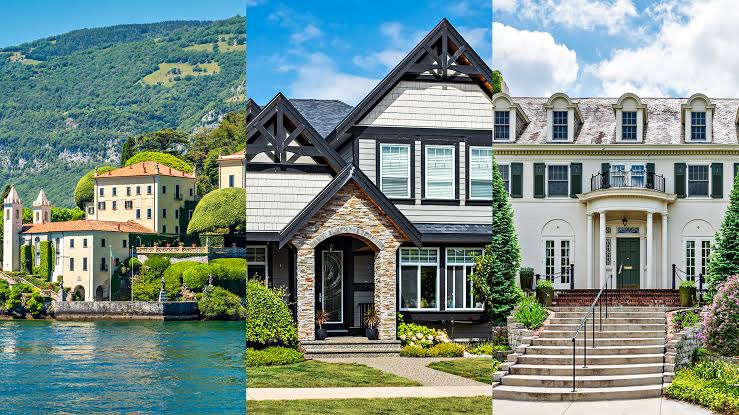

Villa and house is a search term with two distinct meanings. Some people use it when comparing a villa with a conventional house, while others are looking for Villa & House, the New York furniture and home décor brand previously known as Bungalow 5.
In real estate, a villa is not an entirely separate category from a house. A villa is a type of house that is usually marketed as more spacious, private, design-focused or luxurious. However, there is no universal rule that determines whether a property qualifies as a villa. The meaning can vary according to the country, local property market and language used by developers.
Villa & House, meanwhile, is a furniture and interior design brand offering tables, cabinets, beds, chairs, lamps, mirrors and decorative accessories. The brand is associated with modern interpretations of classic luxury, distinctive finishes and artisan-inspired details.
Understanding these two meanings is essential because the same search phrase can lead to very different information.
| Detail | Information |
| Main keyword | Villa and house |
| Real-estate meaning | A comparison between a villa and a general residential house |
| Brand meaning | Villa & House, a New York furniture and décor company |
| Former brand name | Bungalow 5 |
| Property focus | Design, space, ownership, amenities, maintenance and cost |
| Furniture focus | Premium furniture, lighting, mirrors and accessories |
| Typical villa features | Large rooms, outdoor space, privacy and optional community amenities |
| Typical house features | Wide range of sizes, styles, locations and price levels |
| Brand price level | Mainly premium, with products ranging from small accessories to furniture costing several thousand dollars |
| Important warning | “Villa” may be a marketing label rather than a legal property classification |
What Does Villa and House Mean?
The phrase villa and house commonly appears in two types of searches.
The first search intent concerns property. A buyer may want to understand whether a villa is different from a detached house, whether villas cost more or which option offers better long-term value.
The second search intent concerns the brand Villa & House. Shoppers may be looking for information about its furniture collections, design style, prices, retail availability, showroom or customer reviews.
The capitalization and ampersand often help distinguish the two meanings:
- “Villa and house” usually refers to residential property types.
- “Villa & House” usually refers to the furniture brand.
Nevertheless, search engines do not always separate these intentions perfectly. A useful article must therefore clarify both meanings before examining them individually.
What Is a Villa?
A villa is generally described as a spacious residence associated with privacy, comfort, outdoor living and distinctive architectural design.
Historically, the term was connected to Roman country estates owned by wealthy families. These properties often served as retreats outside crowded urban centers. Over time, the word became associated with large residences, vacation homes and elegant properties surrounded by gardens or open land.
Today, the meaning is much broader. A modern villa may be:
- a luxury detached residence;
- a suburban family home;
- a vacation property;
- a house in a gated community;
- a semi-detached or row-style property marketed as a villa;
- a resort residence;
- a home with private or shared amenities.
Some villas have private gardens and swimming pools. Others are part of planned developments where residents share clubhouses, sports areas, security services and landscaped grounds.
A property does not need every luxury feature to be called a villa. In many markets, developers use the word to position a project as spacious, exclusive or lifestyle-oriented.
What Is a House?
A house is a broad term for a residential building. It does not indicate a particular size, design, quality level or price.
Different types of houses include:
- detached houses;
- semi-detached houses;
- townhouses;
- row houses;
- bungalows;
- cottages;
- farmhouses;
- mansions;
- vacation homes;
- villas.
A house may be a compact urban property built on a small plot. It may also be a large custom-built residence with gardens, guest rooms, a swimming pool and expensive materials.
Therefore, a house is not necessarily smaller, simpler or less luxurious than a villa. The term is simply more general.
This distinction is important. Every villa is a house, but not every house is marketed or recognized as a villa.
Villa and House: What Is the Main Difference?
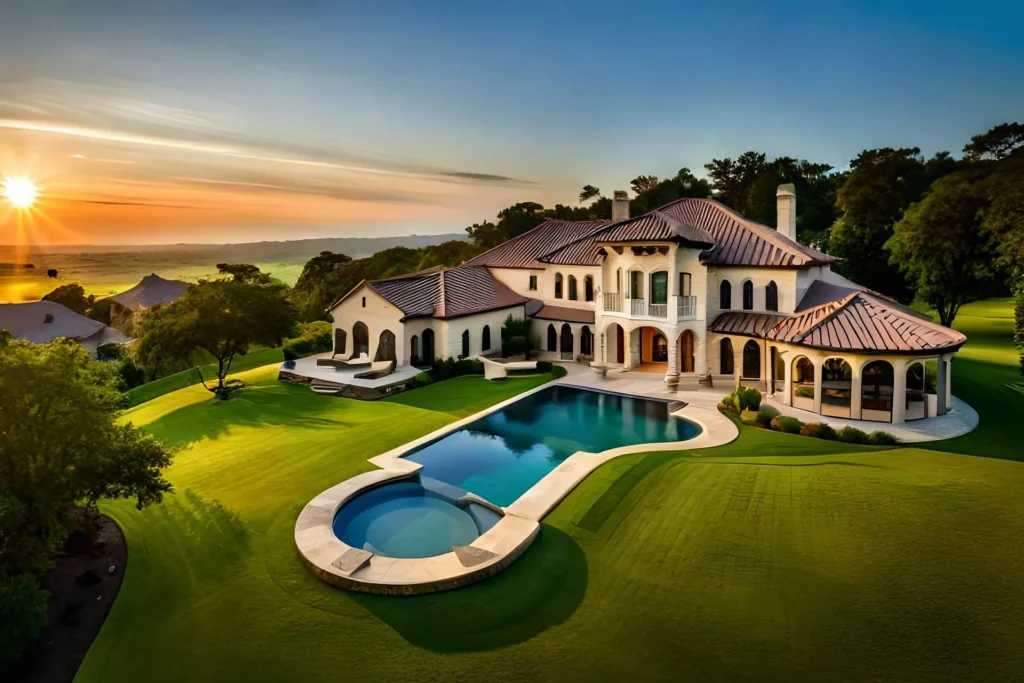
The main difference between a villa and a house usually lies in market positioning rather than a strict construction rule.
A villa is commonly associated with:
- generous indoor space;
- larger or more private outdoor areas;
- premium architecture;
- lower housing density;
- landscaped surroundings;
- security;
- lifestyle facilities;
- a higher purchase price.
A house can offer any of these features, but the word itself does not promise them.
| Feature | Villa | House |
| Basic definition | A type of house associated with space, privacy or premium living | A general residential structure |
| Size | Often large, but not always | Can be very small or extremely large |
| Architecture | Frequently design-led or luxury-oriented | Can be basic, traditional, modern or luxurious |
| Outdoor area | Often includes a garden, terrace or private yard | Depends on the plot and location |
| Amenities | May include pools, security or community facilities | Amenities vary widely |
| Location | Often suburban, resort-based or inside gated developments | Found in urban, suburban and rural areas |
| Maintenance | Can be expensive because of size and amenities | Depends on size, condition and ownership model |
| Cost | Commonly positioned in a premium segment | Available at nearly every price level |
| Legal category | Not universally defined | Broad and commonly recognized category |
These differences represent common tendencies, not guaranteed rules.
Villa and House Architecture
Villa architecture is frequently designed to create a strong sense of openness, privacy and connection with outdoor areas.
Common design elements may include:
- high ceilings;
- large windows;
- open-plan living spaces;
- wide entrances;
- terraces and balconies;
- landscaped courtyards;
- indoor-outdoor living areas;
- multiple bedrooms with private bathrooms;
- entertainment rooms;
- home offices;
- guest suites.
However, these characteristics are not exclusive to villas. A well-designed detached house can include the same features.
When comparing properties, buyers should focus on actual design quality rather than marketing terminology. Important factors include room proportions, daylight, ventilation, privacy, storage, accessibility and energy efficiency.
A visually impressive villa can still have an inconvenient floor plan. Similarly, a modest-looking house may offer better everyday functionality.
Space, Plot Size and Usable Area
Villas are generally advertised as offering more living space and larger plots. They may include gardens, patios, private parking, courtyards or swimming pools.
Nevertheless, buyers should carefully examine how property size is calculated.
A developer may advertise:
- total plot area;
- built-up area;
- gross floor area;
- saleable area;
- carpet area;
- usable internal area;
- terrace area;
- shared or common area.
These measurements are not interchangeable.
A property promoted as a large villa may include balconies, exterior walls, shared spaces or parking areas in the advertised total. The actual usable interior space may be significantly smaller.
Buyers should compare carpet or usable area whenever possible. They should also confirm whether gardens, parking areas and access roads are privately owned, assigned for exclusive use or shared by the community.
Villa and House Amenities
Amenities are a major part of modern villa marketing.
Private villa features may include:
- a swimming pool;
- landscaped garden;
- outdoor kitchen;
- roof terrace;
- home gym;
- cinema room;
- games room;
- guest accommodation;
- smart-home controls;
- security cameras;
- private parking.
A villa inside a managed community may offer access to:
- a shared clubhouse;
- fitness facilities;
- sports courts;
- walking trails;
- children’s play areas;
- landscaped parks;
- controlled entry;
- security staff;
- community maintenance;
- backup electricity or water systems.
These facilities can make daily life more convenient. However, they also increase ongoing costs.
Residents may pay monthly or annual association fees. A private pool requires cleaning, electricity, water and equipment maintenance. Gardens need irrigation and regular care.
A house without extensive amenities may be more affordable to operate, although a large independent house can be just as expensive to maintain as a villa.
Ownership and Legal Considerations
The label “villa” does not automatically explain what the buyer owns.
Depending on the development, the purchase may include:
- full ownership of the building and land;
- ownership of the building with shared land rights;
- an undivided interest in common areas;
- exclusive use of a garden without full land ownership;
- a leasehold interest;
- a long-term usage right;
- membership in a homeowners’ association.
An independent house often gives its owner greater control over construction, renovations, landscaping and maintenance. However, planning regulations, zoning rules, community restrictions and local building laws may still apply.
A villa in a managed development may come with rules covering:
- exterior paint colors;
- landscaping;
- extensions;
- fences;
- pets;
- parking;
- short-term rentals;
- business activity;
- noise;
- use of common facilities.
Before purchasing a villa or house, buyers should verify the title, land boundaries, construction approvals, occupancy documents, tax records, maintenance obligations and association rules.
The name used in an advertisement should never replace a proper legal review.
Villa and House Costs
Villas are usually more expensive than average houses because they are often larger, built on more valuable plots or equipped with premium features.
However, property prices depend primarily on location.
A small house in a major city may cost more than a large villa in a distant suburban or rural area. Likewise, an older villa that needs structural repairs may be less attractive financially than a newer, energy-efficient house.
The total cost of ownership can include:
- purchase price;
- financing costs;
- property taxes;
- registration expenses;
- insurance;
- utility bills;
- repairs;
- garden maintenance;
- pool servicing;
- security;
- association fees;
- cleaning;
- renovation reserves.
Buyers should calculate several years of expected ownership costs rather than focusing only on the advertised purchase price.
A property that appears affordable may become expensive if it has high service charges, inefficient cooling systems or major maintenance needs.
Is a Villa a Better Investment Than a House?
Property developers often suggest that villas provide strong appreciation because they offer more land, privacy and limited supply.
This can be true in certain markets, but it is not a universal rule.
Investment performance depends on factors such as:
- location;
- title clarity;
- land value;
- construction quality;
- local demand;
- supply of competing properties;
- transportation links;
- schools and medical services;
- future infrastructure;
- maintenance charges;
- rental demand;
- resale liquidity;
- neighborhood development.
A villa in a poorly connected location may take longer to sell than a smaller house in a desirable urban neighborhood.
High maintenance costs can also reduce rental returns. Some tenants may prefer a simpler house with lower utility bills and easier access to workplaces.
A villa should therefore be evaluated as an individual property, not assumed to be a superior investment because of its label.
Who Should Choose a Villa?
A villa may be suitable for buyers who value privacy, outdoor space and a spacious lifestyle.
It can work well for:
- large families;
- multigenerational households;
- people who frequently host guests;
- remote workers needing home-office space;
- buyers who want gardens or private leisure areas;
- people comfortable with higher maintenance costs;
- long-term residents;
- buyers seeking a gated or managed community.
A villa may be less suitable for people who want a central location, low maintenance or maximum flexibility to move quickly.
Large properties also require more furniture, cleaning, heating, cooling and security.
Who Should Choose a House?
A general house may suit a wider range of buyers because houses are available in many sizes, locations and price categories.
A house may be preferable for buyers who want:
- a lower purchase price;
- a central location;
- manageable maintenance;
- direct control over the property;
- flexibility to renovate;
- fewer community restrictions;
- lower association fees;
- easier resale to a broad market.
The right decision depends on the individual property rather than the category name.
A carefully built house in a good location may offer more value than a villa carrying a premium marketing label.
What Is Villa & House?
Villa & House is a New York furniture and home décor brand. It was previously known as Bungalow 5.
The brand presents its design philosophy as being inspired by history but made for contemporary homes. Its products combine classic references with modern shapes, finishes and colors.
Villa & House is unrelated to the technical definition of a residential villa. The name refers to the brand’s interior design identity.
Its assortment includes furniture, lighting, mirrors and decorative objects for living rooms, bedrooms, dining areas, offices and entryways.
Villa & House and the Bungalow 5 Name
Villa & House was originally known as Bungalow 5. The earlier name remains relevant because older products, listings and customer reviews may still refer to Bungalow 5.
Shoppers searching for Bungalow 5 furniture may therefore discover products now sold under the Villa & House name.
When researching a specific item, it can be useful to search both brand names. Older retailer listings may use Bungalow 5, while newer catalogs generally use Villa & House.
The rebranding does not mean every older item remains available. Furniture collections, finishes and product names may change over time.
Villa & House Furniture Collections
The brand offers a wide range of products for residential interiors.
Major product categories include:
- beds;
- nightstands;
- dressers;
- cabinets;
- bookcases;
- desks;
- coffee tables;
- side tables;
- console tables;
- dining tables;
- dining chairs;
- occasional chairs;
- benches;
- counter stools;
- lamps;
- mirrors;
- vases;
- bowls;
- trays;
- boxes;
- statues and decorative objects.
Examples visible through retail catalogs have included the Olivia Bed, Cora End Table, Etienne Mirror, Nolan Desk, Fiona Chair, Victoria Bed, Ethan Dresser, Arcadia Cabinet and several Ming, Melissa, Camden and Edward pieces.
Availability varies by retailer, finish and product version.
Villa & House Design Style
Villa & House is generally positioned within the premium and designer furniture market.
Its aesthetic often combines:
- modern silhouettes;
- historical references;
- polished finishes;
- textured surfaces;
- decorative metal details;
- bold colors;
- natural materials;
- glamorous accents;
- artisan-inspired craftsmanship.
Some pieces are understated and suitable for contemporary interiors. Others use decorative finishes that create a stronger focal point.
The brand may appeal to customers who want furniture that feels more distinctive than standard mass-market products.
However, style is subjective. A decorative cabinet or brightly finished table may dominate a small room, while the same piece can work effectively in a larger or more neutral space.
Materials and Finishes
Villa & House products may use combinations of wood, veneers, metal, glass, textiles, lacquer and natural-fiber-inspired finishes.
Retail descriptions have highlighted features such as:
- hand-wrapped grasscloth;
- burl or burl-style veneers;
- hand-hammered metal;
- gold-leaf effects;
- bronze finishes;
- lacquered surfaces;
- natural wood tones;
- decorative hardware;
- textured panels.
Colors and finishes found in catalogs have included navy, midnight blue, white, cream, sand, black, brown, olive green, fern green, pale blue, misty blue, gold, bronze and natural wood.
Natural and handcrafted materials may show variations in grain, color and texture. Buyers should not assume that an item will look exactly identical to an online photograph.
A finish sample can be useful before purchasing an expensive or visually prominent piece.
Villa & House Prices
Villa & House generally occupies a premium price category.
Retail catalog examples have ranged from smaller decorative accessories priced below $100 to cabinets, tables and dressers costing several thousand dollars.
Approximate price snapshots previously visible through retailers included:
- small bowls and vases from around $72;
- larger accessories costing several hundred dollars;
- lamps commonly priced at several hundred dollars;
- mirrors ranging from the mid-hundreds to more than $1,000;
- chairs and stools often costing several hundred to more than $1,000;
- tables ranging from several hundred dollars to more than $4,000;
- cabinets and dressers reaching approximately $5,000 or more.
These figures are not permanent price guarantees. The final cost depends on the product, finish, size, retailer, promotion, shipping method and taxes.
Some retailers advertise discounts or free shipping, but exclusions may apply.
Where Can You Buy Villa & House Furniture?
Villa & House products are sold through the brand’s official channels and selected furniture retailers.
Meadow Blu is one retailer that has carried a large Villa & House collection. Its catalog has included hundreds of furniture and décor listings, although the exact product count changes as items are added, removed or marked unavailable.
Before ordering, customers should verify:
- whether the retailer is authorized;
- current stock;
- expected lead time;
- shipping cost;
- delivery method;
- return policy;
- restocking fee;
- damage-reporting deadline;
- warranty coverage.
Large furniture may require freight or white-glove delivery rather than standard parcel shipping.
A product displayed in a collection catalog may not be immediately available. The individual product page should provide the most relevant stock and variant information.
Villa & House Reviews
A Birdeye business listing for Villa & House New York, originally known as Bungalow 5, displayed a rating of 4.5 stars from 24 reviews when it was reviewed.
The profile was unclaimed, and the reviews were shown as originating from Google rather than Birdeye itself.
Visible reviewers praised:
- the appearance of the showroom;
- attractive furniture and accessories;
- distinctive styles and finishes;
- decorative objects and vases;
- helpful and knowledgeable staff;
- successful in-home placement of certain purchases.
Several staff members were mentioned positively in the visible comments.
However, the review sample was small, and the displayed excerpts were mainly positive. They focused more on showroom visits and customer service than on long-term product ownership.
The listing did not provide enough evidence to make broad conclusions about:
- furniture durability;
- shipping reliability;
- delivery damage;
- warranty service;
- returns;
- complaint resolution;
- long-term finish performance.
Customer reviews should therefore be used as one part of the buying process rather than treated as proof of overall quality.
What to Check Before Buying Villa & House Furniture
Premium furniture requires careful measurement and planning.
Before purchasing, check:
- product width, height and depth;
- weight;
- doorway measurements;
- stairwell width;
- elevator size;
- turning space;
- assembly requirements;
- finish and color variation;
- material care;
- estimated delivery date;
- return eligibility;
- restocking charges;
- warranty terms;
- damage-reporting procedures.
A large cabinet may fit the room but fail to pass through a doorway or staircase.
Buyers should also confirm whether the product is made to order. Custom or special-order items may not be returnable.
For expensive pieces, retaining packaging and photographing the product immediately after delivery can help if damage must be reported.
Villa and House Buying Mistakes to Avoid
Whether purchasing property or furniture, buyers can make expensive decisions by relying too heavily on names and marketing images.
Common property mistakes include:
- assuming every villa is luxurious;
- ignoring actual usable area;
- failing to check land ownership;
- overlooking association fees;
- accepting appreciation claims without evidence;
- ignoring commute and infrastructure;
- failing to inspect construction quality.
Common furniture mistakes include:
- ordering without measuring doors and stairs;
- assuming online colors are exact;
- ignoring return restrictions;
- overlooking delivery charges;
- relying only on showroom reviews;
- failing to check care instructions;
- confusing older Bungalow 5 listings with current Villa & House inventory.
Researching the exact property or product is more important than trusting a category label.
Is Villa and House a Good Keyword for SEO?
Villa and house is a broad keyword with mixed intent.
A page targeting the furniture brand should use the official spelling Villa & House and focus on brand history, furniture, prices, products and reviews.
A property article should use more specific variations such as:
- villa vs house;
- difference between villa and house;
- villa or independent house;
- what is a villa;
- villa advantages and disadvantages;
- villa ownership;
- villa maintenance cost.
One page can explain both meanings, but it should establish the primary purpose immediately.
For a brand-focused website, the real-estate explanation should remain brief. For a property website, the furniture brand should receive only a short clarification.
Clear search intent is usually more helpful than repeating the exact keyword in every heading.
Frequently Asked Questions About Villa and House
Villa and house can refer to the difference between a villa and a general house. Villa & House is also the name of a New York furniture and home décor brand.
A house is a broad category of residential building. A villa is a type of house commonly marketed as spacious, private, design-focused or luxurious.
No. Villas are often large, but there is no universal minimum size. A detached house can be larger than a property marketed as a villa.
Villas often cost more because of their location, plot size, design or amenities. However, a house in a high-demand urban area can cost more than a villa elsewhere.
Not always. Some villas include full ownership of the land, while others involve shared land, community ownership or exclusive usage rights.
A villa can be a good investment when it has a strong location, clear ownership, quality construction and healthy demand. The name alone does not guarantee appreciation.
Villa & House is a furniture and home décor brand based in New York. It offers tables, cabinets, beds, seating, lighting, mirrors and decorative accessories.
Yes. Villa & House was originally known as Bungalow 5, and older products or reviews may still use the former name.
The company is generally positioned as a premium designer furniture brand. Many of its products use decorative finishes and artisan-inspired details.
Prices vary widely. Small accessories may cost below $100, while large cabinets, dressers and tables can cost several thousand dollars.
Products are available through the official brand and selected authorized furniture retailers, including online stores carrying premium interior brands.
A Birdeye listing previously displayed a 4.5-star rating from 24 Google reviews. The visible comments were positive, but the small sample mainly reflected showroom experiences.
Check product dimensions, materials, finish variations, delivery costs, lead time, return eligibility, warranty terms and whether the item can fit through doors, stairs and elevators.
No. Villa & House is a furniture brand. A real-estate villa is a residential property type or marketing category.
Neither is automatically better. The right choice depends on location, budget, usable space, privacy, maintenance responsibilities, legal ownership and lifestyle needs.
Conclusion
Villa and house can describe either a comparison between residential property types or Villa & House, the furniture brand formerly known as Bungalow 5.
In real estate, a villa is a type of house commonly associated with larger spaces, outdoor areas, privacy and premium amenities. However, the word has no universal definition. A villa is not automatically larger, more luxurious or more valuable than every other house.
Buyers should examine usable area, land ownership, legal documents, construction quality, maintenance charges, location and total ownership costs.
Villa & House is a New York furniture and décor brand offering beds, tables, cabinets, seating, lamps, mirrors and decorative accessories. Its products generally sit in the premium price segment and often feature distinctive materials, textures and finishes.
Before purchasing Villa & House furniture, shoppers should confirm dimensions, delivery terms, product availability, return restrictions and warranty coverage. Customer reviews can offer useful impressions, but the limited public feedback should not replace product-specific research.