
Learning how to unclog a drain can save time, money, and stress. A slow sink or backed-up shower can make the whole room feel messy. The good news is that many clogs are simple to fix with basic tools, safe steps, and a little patience.
What Is a Clogged Drain?
A clogged drain happens when something blocks the normal flow of water through a pipe. Think of it like traffic on a narrow road. When too many things pile up, nothing moves well. Hair, soap, grease, food, dirt, and small objects can all create a blockage. Sometimes the water still drains, but very slowly. Other times, it does not move at all. Once you understand what causes the problem, it becomes easier to choose the right fix.
Common Signs of a Clogged Drain
The first sign of a clogged drain is often slow water movement. A slow draining sink may look minor at first, but it can turn into a bigger issue. You may also notice standing water, gurgling sounds, bad smells, or bubbles coming from the drain. In a bathroom, water may collect around your feet during a shower. In a kitchen, the kitchen sink not draining can make cooking and cleaning harder. These signs usually mean buildup is forming inside the pipe.
Common Causes of Drain Clogs
Most drain clogs come from everyday use. Small bits of waste go down the drain, stick to the pipe walls, and slowly build up. Over time, the opening gets smaller. Then water has less space to move. If the drain clogged suddenly, a larger object may be stuck inside. If it clogged slowly, buildup is usually the reason.
- Hair and Soap Buildup
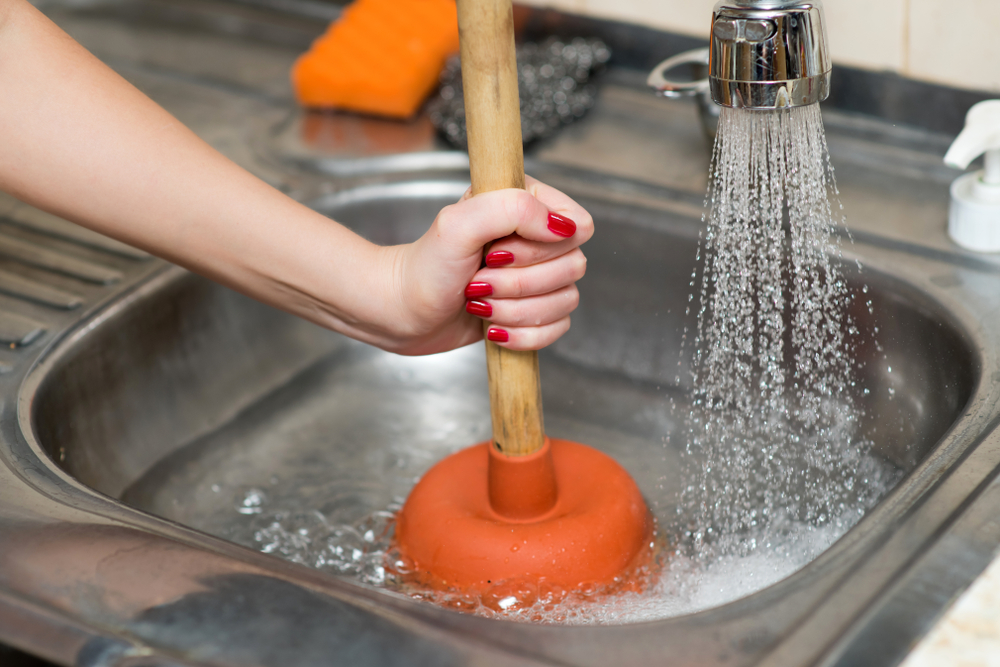
Hair and soap are a common team in bathroom clogs. Hair catches on pipe edges, while soap turns into sticky residue. Together, they form a net-like mess. This is why bathroom sink clogged problems often happen near the stopper or just below the drain opening.
- Food Scraps and Grease
In the kitchen, food bits and grease cause many clogs. Grease may go down as a liquid, but it cools and hardens inside the pipe. Then food scraps stick to it. For a deeper guide on this issue, read this helpful post about a clogged sink.
- Dirt and Debris
Mud, soil, sand, and dust may seem harmless, but they can collect inside drains. This often happens in laundry rooms, utility sinks, and floor drains. Dirt is heavier than water, so it may settle in pipe bends and create a thick layer over time.
- Small Objects
Small objects can block drains fast. Toothpaste caps, jewelry, hair ties, cotton swabs, and toy pieces can fall into sinks or tubs. Unlike soap or grease, these items do not break down easily. They can trap other debris and make the clog worse.
- Old or Narrow Pipes
Older homes may have narrow or rough pipes. These pipes catch debris more easily, like Velcro catching lint. Even normal daily use can cause trouble. If clogs happen often, the pipe size, pipe age, or pipe condition may be part of the problem.
Tools You May Need
Before you start DIY drain unclogging, gather a few simple tools. You do not need a large toolbox for most small clogs. A plunger, drain snake, gloves, bucket, and natural cleaners can handle many common problems. Having everything ready also keeps the job cleaner and less stressful.
- Plunger
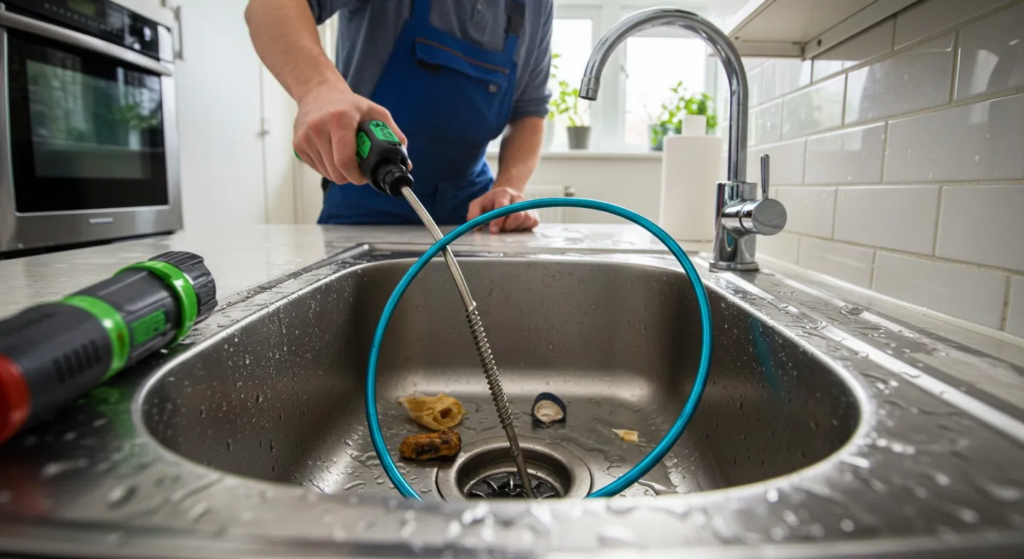
A plunger uses pressure to move a clog. It pushes and pulls water inside the pipe. This movement can loosen soft blockages. For sinks and tubs, use a cup plunger. For toilets, use a flange plunger designed for the toilet opening.
- Drain Snake
A drain snake is a flexible tool that reaches into the pipe. It can hook hair, break up buildup, or pull out debris. Small hand snakes work well for sinks, showers, and tubs. Use it slowly so you do not scratch fixtures.
- Bucket and Gloves
A bucket catches dirty water when you clean a sink trap. Gloves protect your hands from grime, bacteria, and sharp bits of debris. This simple pair makes drain cleaning at home much easier. It also helps you work with more confidence.
- Baking Soda and Vinegar
Baking soda and vinegar are popular for a clogged drain home remedy. When they react, they fizz and loosen light buildup. This method works best for mild odors, soft residue, and small clogs. It is not strong enough for hard objects.
- Wet-Dry Vacuum
A wet-dry vacuum can help pull water and loose debris from a drain. It works best when you can create a tight seal around the opening. This tool is useful for floor drains, utility sinks, and some shower drains.
Safety Tips Before You Start
Safety matters before any drain cleaning job. Water, tools, and cleaners can create risks if you rush. Start by clearing the area, protecting your hands, and checking what products have already been used. A careful setup can prevent leaks, burns, splashes, and pipe damage.
- Protect Your Hands
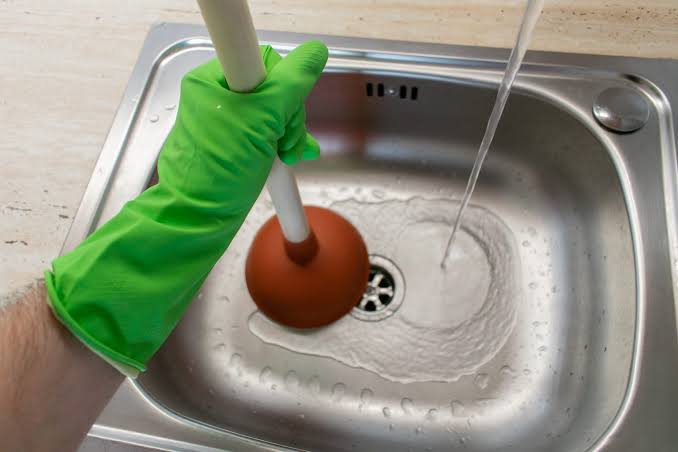
Always wear gloves when you fix clogged drain problems. Drain water can contain bacteria, grease, soap scum, and sharp objects. Rubber gloves give you a better grip and keep your skin safe. Safety glasses are also useful if water may splash.
- Avoid Mixing Chemicals
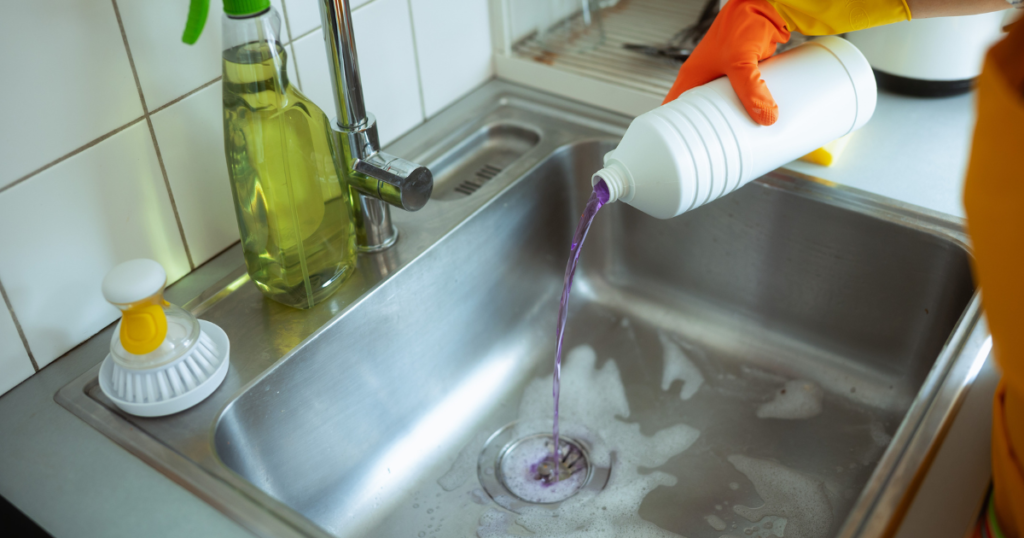
Never mix drain products. Some cleaners can release harmful fumes when combined. Also, do not pour vinegar into a drain that already has chemical cleaner inside. When in doubt, stop and rinse only if the label says it is safe.
- Keep the Area Clean
Move cleaning bottles, towels, rugs, and storage bins away from the work area. Lay down an old towel if needed. A clean workspace helps you spot leaks, dropped parts, or spills quickly. It also makes the repair feel less chaotic.
- Check for Leaks
Before and after you unclog bathroom sink or kitchen drains, look under the sink. Check the trap, supply lines, and cabinet floor. Sometimes a clog hides another issue, like a leaky faucet or loose pipe connection nearby.
- Know When to Stop
DIY is helpful, but it has limits. Stop if water backs up into several drains, you smell sewage, or tools get stuck. Also stop if you feel unsure. Pushing too hard can turn a small repair into a costly plumbing problem.
How to Unclog a Drain with Boiling Water?
Hot water is one of the simplest ways to clear clogged drain buildup. It can soften soap residue and loosen light grease. However, it is not right for every pipe or fixture. Use care, especially if your plumbing is older or made of plastic.
- When This Method Works Best
This method works best for mild kitchen grease, soap film, and light buildup. It is often a good first step for a slow draining sink. If the water still moves a little, hot water may help open the path.
- Step-by-Step Instructions
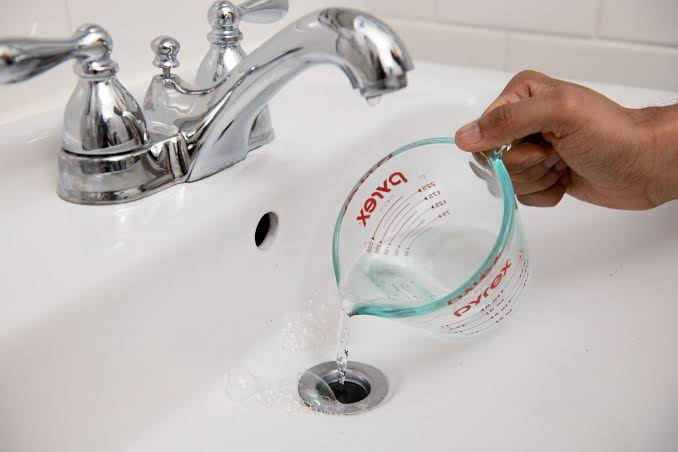
Boil water in a kettle, then let it cool for a short moment if you have plastic pipes. Pour it slowly into the drain in two or three stages. Wait between pours. Then run tap water to see if the drain moves faster.
- When Not to Use It
Do not use boiling water on toilets, cracked porcelain, or delicate fixtures. Be careful with PVC pipes because extreme heat may soften them. Also skip this method if standing water fills the sink, since hot water can splash back.
How to Unclog a Drain with a Plunger?
A plunger is a classic tool because it works fast on many soft clogs. It uses water pressure like a mini wave inside the pipe. When done correctly, it can clear a clogged sink drain, shower drain, or tub drain without chemicals.
- Choose the Right Plunger
Use a cup plunger for sinks, tubs, and showers. The flat rim sits over the drain opening. For toilets, use a flange plunger. The wrong plunger may not seal well, and without a seal, you lose pressure.
- Add Enough Water
A plunger works best with water, not just air. Add enough water to cover the rubber cup. This helps the pressure travel into the pipe. If the sink is full of dirty water, remove some first with a cup or small container.
- Create a Tight Seal
Place the plunger directly over the drain. Press down until the cup seals against the surface. For double sinks, cover the other drain with a wet cloth. For bathroom sinks, block the overflow hole with a damp rag.
- Plunge the Drain
Push and pull the handle with steady force. Do not slam it. Use short, firm motions for about 20 seconds. The goal is to move the clog, not attack the sink. Think of it as nudging a stuck door open.
- Test the Drain
Lift the plunger and watch the water. If it drains faster, run warm water for a minute. If it is still slow, repeat the process. If nothing changes after a few tries, try another method.
How to Unclog a Drain with Baking Soda and Vinegar?
Baking soda and vinegar are gentle and budget-friendly. This method is popular because most homes already have both items. It is best for light buildup, mild odors, and routine care. It may not fix a heavy clog, but it is a smart first try.
- Add Baking Soda
Pour about half a cup of baking soda into the drain. Try to get it as close to the opening as possible. If the drain is wet, the powder may clump. That is fine because it can still work near the clog.
- Pour in Vinegar
Slowly pour one cup of white vinegar into the drain. The mixture will fizz, bubble, and make a soft hissing sound. This reaction can loosen grime along the pipe walls. It is like a gentle scrub from the inside.
- Cover the Drain
Cover the drain with a stopper, small plate, or damp cloth. This helps keep the fizzing action inside the pipe instead of letting it escape upward. Leave it covered so the mixture has time to work.
- Wait and Rinse
Wait 15 to 30 minutes. Then rinse with hot tap water. If your pipes are safe for very hot water, you can use hotter water carefully. The rinse helps wash loosened buildup away.
- Repeat if Needed
For a mild clog, one round may be enough. For heavier residue, repeat once. If the drain is still blocked after two rounds, move to a plunger or snake. Baking soda and vinegar are helpful, but they are not magic.
How to Use a Drain Snake?
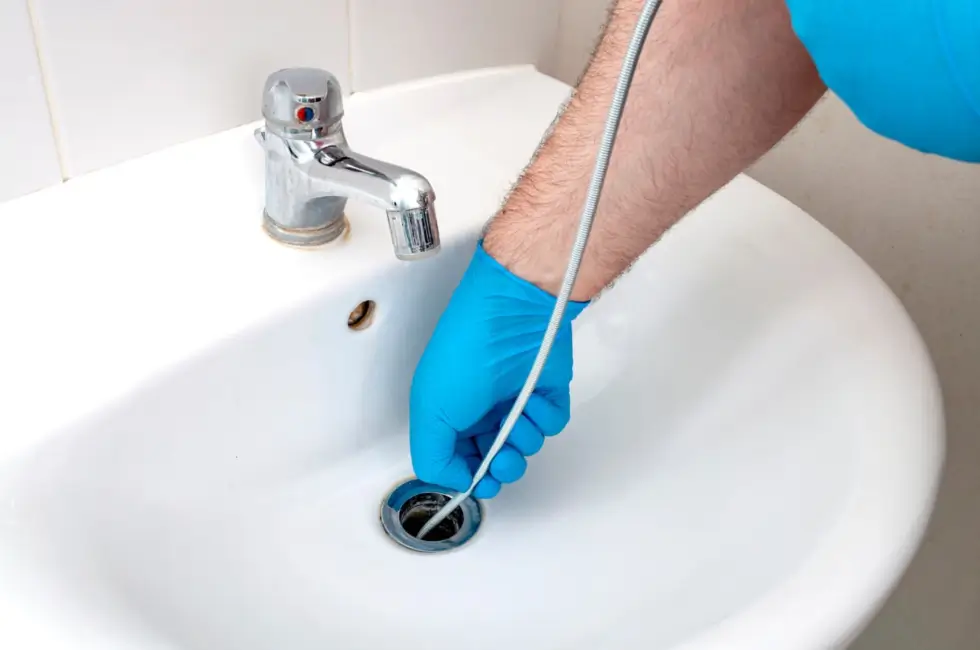
A drain snake is one of the best tools for how to unclog a clogged drain when the blockage sits deeper in the pipe. It can reach hair, soap clumps, and soft debris that a plunger cannot move. Use slow, steady motions.
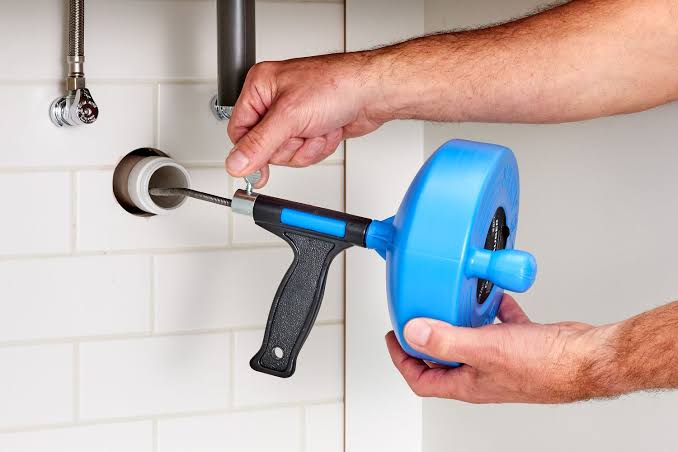
- Pick the Right Snake
For sinks and tubs, choose a small hand snake or plastic hair remover. For larger drains, a longer auger may be needed. Start small. A simple tool is often enough, and it is less likely to damage the drain.
- Insert It Slowly
Feed the snake into the drain opening. Do not force it. If you feel resistance, the tool may be reaching a bend or the clog itself. Turn the handle slowly if your snake has one.
- Break Up the Clog
Once you reach the blockage, rotate the snake. This can break the clog apart or hook it. Move gently back and forth. Too much force may scratch the pipe or push the clog deeper.
- Pull Out Debris
Slowly pull the snake back out. You may bring up hair, soap, food, or other debris. Keep a trash bag nearby. Do not rinse large clumps back down the drain, or they may clog the pipe again.
- Flush the Drain
After removing debris, run hot water for a few minutes. This helps clear loose residue. If the drain still moves slowly, plunge it once more or repeat the snaking process carefully.
- Clean the Tool
Wash the snake with hot soapy water and let it dry before storing it. Drain tools can carry bacteria and odor. A clean tool lasts longer and is ready for the next home maintenance job.
How to Clean a Sink Trap?
The sink trap is the curved pipe under the sink. It holds a small amount of water to block sewer gas. It also catches debris. Cleaning it can quickly fix a clogged sink drain, especially when the clog sits close to the sink.
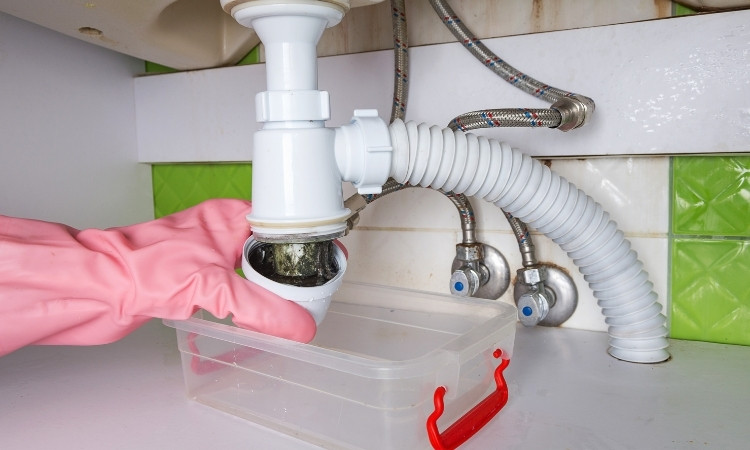
- Place a Bucket Under the Sink
Put a bucket under the trap before loosening anything. Water and debris may fall out as soon as the pipe opens. Keep a towel nearby too. This small setup saves your cabinet from a messy surprise.
- Loosen the Trap
Most traps have slip nuts that you can loosen by hand or with pliers. Turn them slowly. If the pipe is old or stiff, do not force it. Gentle pressure is better than cracking a connection.
- Remove Debris
Once the trap is off, empty it into the bucket. You may find food bits, hair, soap, or small objects. Use a bottle brush or old toothbrush to clean the inside. Throw debris in the trash, not back into the sink.
- Rinse the Trap
Rinse the trap in another sink or outside with a hose. Use warm water and dish soap if it feels greasy. Make sure the pipe is clear before putting it back. A clean trap helps water move freely.
- Reattach the Trap
Put the trap back in place and tighten the slip nuts. Do not overtighten them. Hand-tight is often enough, then use pliers for a small extra turn if needed. The pipe should sit straight and secure.
- Check for Leaks
Run water and watch the connections. If you see drips, tighten the nuts slightly. Dry the area and check again after a few minutes. This step matters because a tiny drip can damage a cabinet over time.
How to Unclog Different Drains?
Not every drain clog is the same. A kitchen clog may involve grease, while a shower clog may involve hair. The best method depends on the room, drain type, and cause. Choosing the right fix helps you solve the problem faster.
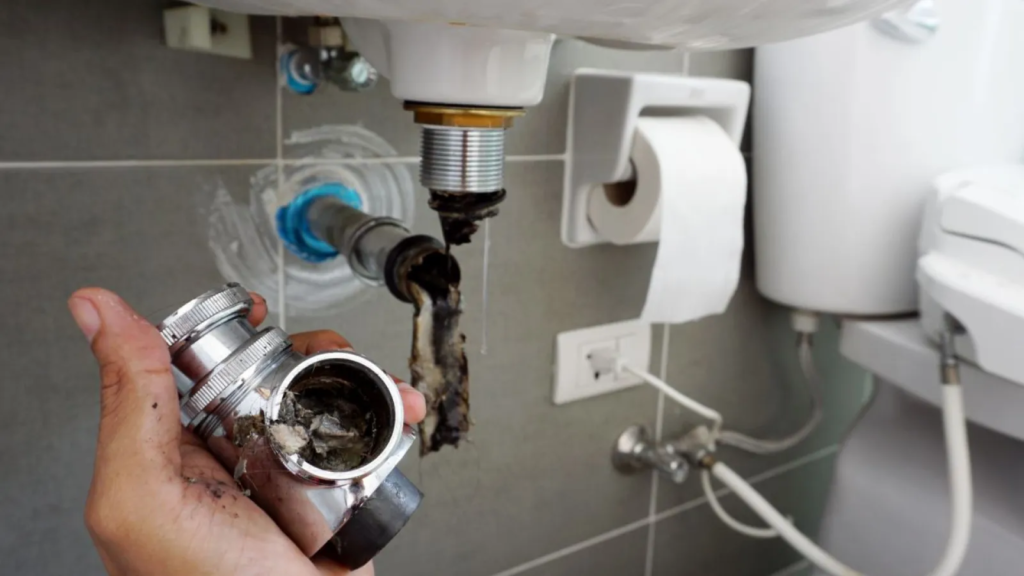
- Kitchen Sink Drain
A kitchen sink often clogs from grease, food scraps, coffee grounds, and starches like rice or pasta. If the kitchen sink not draining, start with hot water, then try a plunger. For deeper clogs, clean the trap or use a snake.
- Bathroom Sink Drain
A bathroom sink clogged problem usually comes from hair, toothpaste, soap, and skin care products. Remove and clean the stopper first. Then try baking soda and vinegar, a plunger, or a small drain snake to remove hair near the opening.
- Shower Drain
Shower drains often clog slowly. Hair mixes with soap and conditioner until it forms a mat. Remove the drain cover and pull out visible hair. A plastic hair remover works well here. After that, rinse the drain with hot water.
- Bathtub Drain
Bathtub drains can be tricky because the stopper may hide the clog. Remove the stopper if possible and clean around it. Then use a snake made for tubs. Avoid harsh force because tub drain parts can be delicate.
- Laundry Drain
Laundry drains collect lint, dirt, detergent residue, and fabric fibers. If water backs up during a wash cycle, stop the machine and check the drain hose. A wet-dry vacuum or plumber’s snake may help clear loose buildup.
- Floor Drain
Floor drains sit in basements, garages, laundry rooms, and utility areas. They can collect dirt, leaves, pet hair, and debris. Remove the cover and clean what you can reach. If water backs up often, the issue may be deeper.
Natural vs. Chemical Drain Cleaners
When people search for how to fix a slow draining sink, they often wonder whether natural or chemical cleaners are better. Both have pros and cons. The best choice depends on the clog, pipe type, and safety concerns. For most homes, gentle methods should come first.
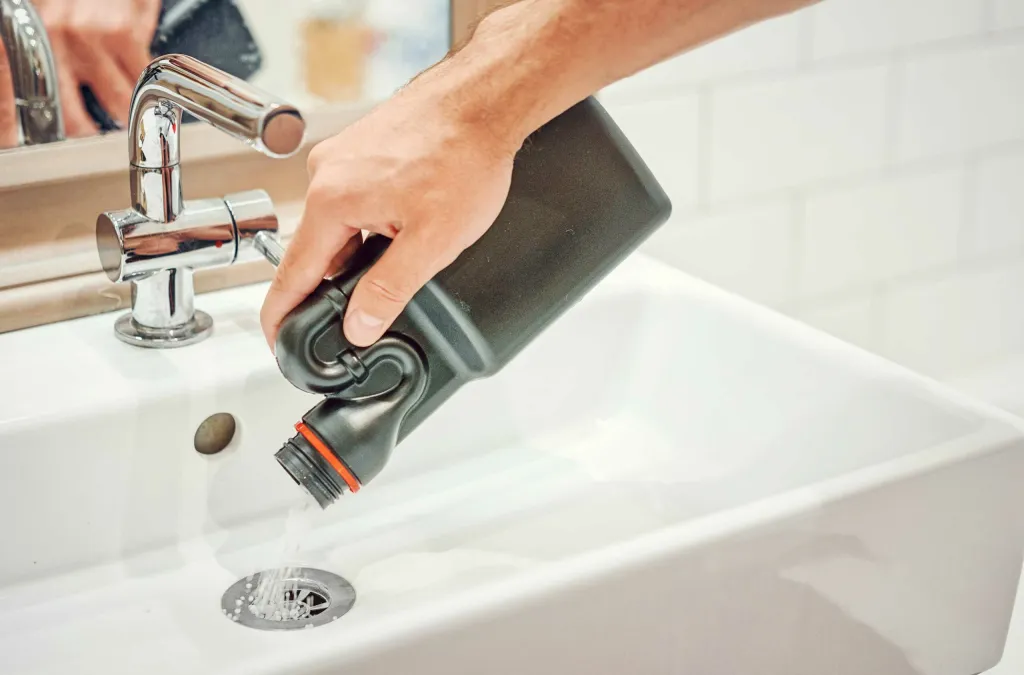
- Natural Cleaner Pros
Natural cleaners are low-cost, easy to find, and safer for routine use. Baking soda, vinegar, hot water, and dish soap can help with mild buildup. They are also better when you want a simple clogged drain home remedy.
- Natural Cleaner Cons
Natural methods do not work well on deep clogs, hard objects, or thick grease blocks. They may need more time and repetition. If water does not move at all, natural cleaners may sit above the clog without reaching it.
- Chemical Cleaner Pros
Chemical cleaners can break down some hair, grease, and soap buildup. They may seem fast and easy because you pour them in and wait. For certain clogs, they can help when used exactly as the label says.
- Chemical Cleaner Cons
Chemical cleaners can be harsh on pipes, skin, eyes, and lungs. They may also create danger if mixed with other products. If they fail, you are left with standing water that may contain strong chemicals, making the next step harder.
- Best Choice for Most Homes
For most homes, start with safer options: hot water, a plunger, baking soda and vinegar, or a drain snake. Use chemical cleaners only with care. If the clog keeps returning, tools or professional help are usually a better long-term answer.
Best Budget-Friendly Drain Fixes
You do not need expensive products to handle many drain clogs. The best budget fixes are simple, safe, and repeatable. Start with what you already have, then buy basic tools only when needed. A few smart habits can save money over time.
- Use Items You Already Own
Dish soap, baking soda, vinegar, hot water, old towels, and a bucket can solve many small problems. These items are cheap and easy to use. They also help with regular drain cleaning at home before clogs become serious.
- Buy Simple Tools First
A good plunger and small drain snake are worth keeping. They cost less than one service call and can be used many times. Choose basic tools before buying fancy drain gadgets. Simple tools often do the job well.
- Avoid Costly Mistakes
Do not force tools, overtighten pipes, or mix products. These mistakes can damage plumbing and cost more than the original clog. Slow and careful work saves money. When the problem feels bigger than expected, pause before making it worse.
- Maintain Drains Monthly
Monthly care is cheaper than emergency repair. Rinse drains with hot water, clear hair from covers, and wipe greasy pans before washing them. These small habits keep pipes cleaner and reduce the need to fix clogged drain problems later.
How to Prevent Future Clogs?
Prevention is the easiest drain fix. A drain is like a hallway. If you keep it clear every day, traffic moves smoothly. Small habits can stop big clogs before they start. This matters most in kitchens, bathrooms, laundry rooms, and showers.
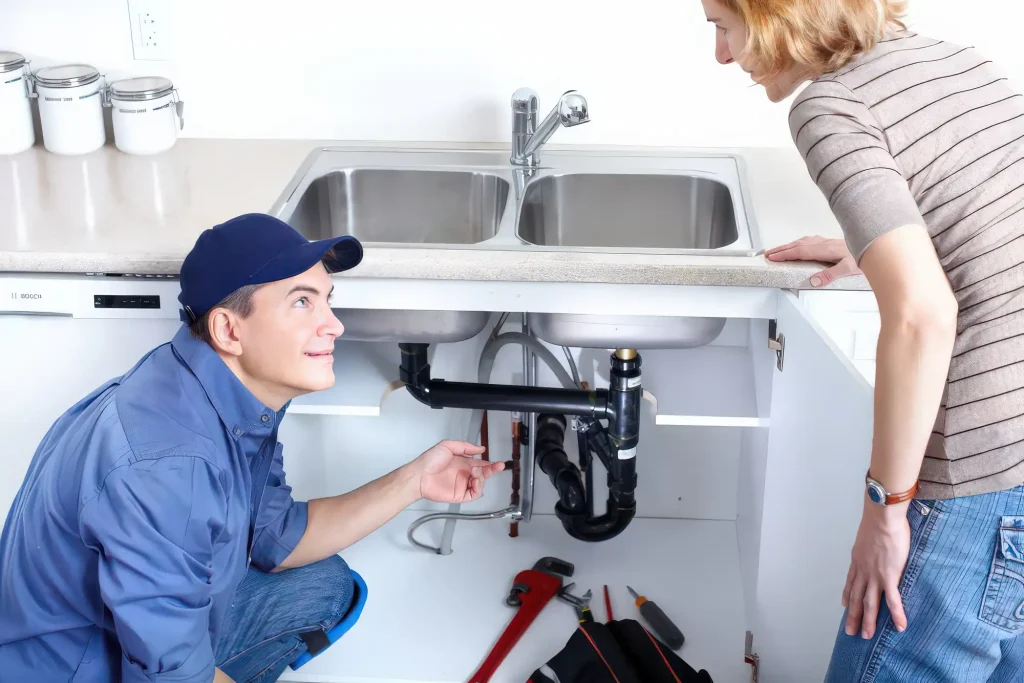
- Use Drain Screens
Drain screens catch hair, food, and debris before they enter the pipe. They are cheap, simple, and easy to clean. Use them in sinks, tubs, and showers. Empty them often so water can still move through.
- Avoid Pouring Grease
Never pour grease, oil, or fat down the drain. Let it cool, wipe it into the trash, or collect it in a container. Grease sticks to pipe walls and catches food like glue. This is a top cause of kitchen clogs.
- Rinse Drains Often
Run hot water after using sinks, especially kitchen sinks. This helps move light residue through the pipe before it settles. You can also use a little dish soap with hot water after greasy cleanup.
- Clean Hair Regularly
Remove hair from shower and bathroom sink drains often. Do not wait until the water pools around your feet. A quick weekly clean can prevent a thick hair clog. It takes only a minute but saves trouble later.
- Be Careful with Food Waste
Scrape plates into the trash before rinsing them. Avoid sending rice, pasta, eggshells, coffee grounds, and peels down the drain. Even with a garbage disposal, food waste can still build up and slow the pipe.
- Schedule Deep Cleaning
A clean kitchen helps prevent drain trouble. Wipe counters, clean sink edges, and remove grease near the sink. Add drain care to your regular kitchen cleaning routine so buildup does not get ahead of you.
When to Call a Plumber?
DIY methods are helpful, but some clogs need a professional. If the same drain clogs again and again, there may be a deeper issue. A plumber can inspect the line, remove tough blockages, and check for pipe damage. Knowing when to call a plumber protects your home.
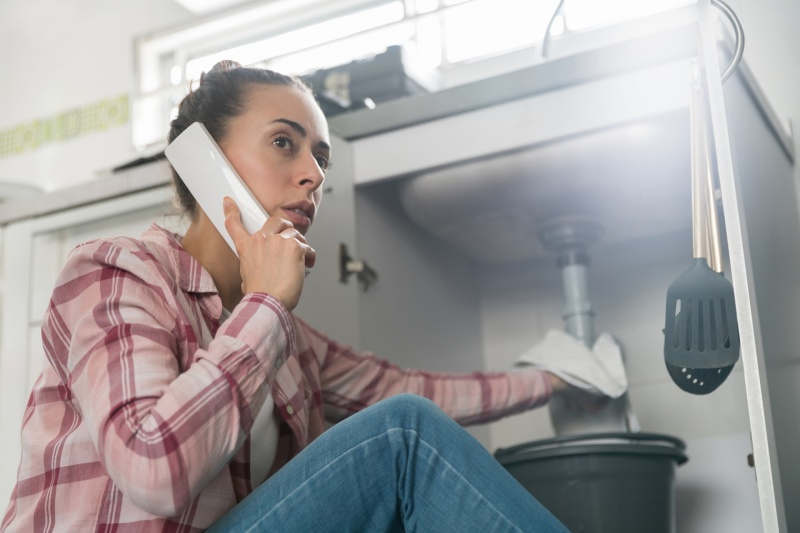
- Water Backs Up Often
If water backs up after every use, the clog may be deep or severe. Repeated backups can lead to water damage. Do not keep plunging for days. A professional can find the real cause and clear it safely.
- Bad Smells Continue
Bad smells can mean trapped food, sewer gas, or buildup inside the pipe. If cleaning the trap and rinsing the drain do not help, call for help. Strong sewer odors should never be ignored.
- Multiple Drains Are Slow
If several drains are slow at the same time, the problem may be in the main line. This is not a normal small clog. Stop using the drains as much as possible and get professional advice quickly.
- You Hear Gurgling Sounds
Gurgling can mean air is trapped because water cannot flow freely. It may also point to venting or main drain issues. If the sound happens often, especially in more than one fixture, it is time to get help.
- DIY Fixes Do Not Work
If hot water, plunging, baking soda, snaking, and trap cleaning do not work, stop. More force is not the answer. A plumber has better tools and can avoid damage that may happen with repeated DIY attempts.
Common Mistakes to Avoid
Most drain repairs are simple, but mistakes can create bigger problems. The goal is not just to open the drain today. You also want to protect the pipe for tomorrow. Avoid these common errors when trying to clear clogged drain issues.
- Using Too Much Force
Pushing a snake too hard or plunging wildly can damage parts. Force can crack old pipes, loosen seals, or push clogs deeper. Use steady pressure instead. If the tool will not move, stop and reassess.
- Mixing Drain Products
Mixing cleaners is dangerous. Some combinations can create toxic fumes or heat. Also, do not follow a failed chemical cleaner with another product unless the label says it is safe. Water and tools are safer after chemical use.
- Ignoring Small Clogs
A slow drain is an early warning sign. Do not wait until water stops moving completely. Fixing a slow draining sink is usually easier than fixing a full blockage. Small clogs grow when they are ignored.
- Skipping Protective Gear
Gloves and eye protection may seem like extra steps, but they matter. Dirty water can splash, and debris can be sharp. Protective gear keeps the job safe and helps you work without worry.
- Damaging Pipes
Old pipes, plastic pipes, and loose fittings need gentle care. Do not overtighten trap parts or jam metal tools into the drain. If something feels fragile, stop. Protecting the pipe is more important than rushing the clog.
Final Drain Care Tips
A clean drain makes daily life easier. It keeps the kitchen fresher, the bathroom calmer, and the whole home more comfortable. Start with simple habits: use drain screens, keep grease out, rinse with hot water, and clear hair often. When a clog appears, try the safest method first. Then move step by step. With the right tools and a little patience, most small clogs are manageable. And when the problem feels too big, getting help is the smart choice.
Frequently Asked Questions
The fastest way to unclog a drain is often a plunger. It works well when the clog is soft and close to the drain opening. Make sure there is enough water to cover the plunger cup. Then create a tight seal and plunge with steady pressure. If that does not work, try a drain snake.
Yes, baking soda and vinegar can help with light clogs and odors. The fizzing reaction may loosen soap film, mild grease, and soft buildup. However, it will not remove hard objects or major blockages. It works best as a clogged drain home remedy for small problems or regular maintenance.
No, boiling water is not safe for all drains. It may damage some plastic pipes, cracked porcelain, or delicate fixtures. It should not be used in toilets. For many sinks, very hot tap water is safer than a full pot of boiling water.
You can unclog a drain without chemicals by using hot water, dish soap, a plunger, baking soda and vinegar, or a drain snake. You can also clean the sink trap if the clog is under the sink. These DIY drain unclogging methods are safer for many homes.
A drain may keep clogging because buildup is still inside the pipe. Grease, hair, soap, food scraps, or pipe shape can cause repeat issues. If the same drain keeps slowing down after you clean it, the clog may be deeper than your tools can reach.
A plunger can damage a drain if you use too much force or if pipes are already weak. However, normal plunging is safe for most sinks, tubs, and showers. Use steady pressure, not rough force. Also, avoid plunging after using chemical drain cleaner.
For most homes, a light monthly cleaning is a good habit. Rinse drains with hot water, remove hair from covers, and keep grease out of the kitchen sink. Bathrooms with heavy use may need weekly hair removal to prevent buildup.
Stop when water backs up into more than one drain, you smell sewage, tools get stuck, or chemicals have already failed. Also stop if you see leaks or hear strange gurgling from several fixtures. These signs may point to a larger plumbing issue.
Never put grease, oil, coffee grounds, eggshells, wipes, cotton swabs, paint, food scraps, hair clumps, or harsh chemical mixtures down a drain. These items can stick, swell, harden, or damage pipes. A trash can is usually the safer place.