
Decoradhouse renovation tips from decoratoradvice can help you turn a tired home into a space that feels fresh, useful, and personal. A good renovation does not always mean tearing down walls. Sometimes, the smartest changes are simple upgrades, better storage, new paint, thoughtful lighting, and practical design choices.
What Are Decoradhouse Renovation Tips From Decoratoradvice?
Decoradhouse renovation tips from decoratoradvice are practical ideas for improving your home in a smart, stylish, and budget-friendly way. These tips focus on making each room more comfortable, useful, and beautiful without wasting money. They include home improvement tips, home remodeling tips, DIY home renovation tips, home decor tips, and simple home decorating ideas that work in real homes. The main goal is to help you plan better, choose wisely, and create a home that supports your daily life.
Why Smart Renovation Matters?
Smart renovation matters because your home should work for you, not against you. A beautiful room is nice, but a useful room is even better. When you plan carefully, you save money, avoid stress, and make choices that last longer.

- Better Daily Comfort
Comfort is one of the biggest reasons to renovate. A better layout, softer lighting, improved seating, and warmer textures can make your home feel calmer. Even small home upgrade ideas can change how you feel every day.
- More Useful Space
Many homes have space, but it is not always used well. Smart storage, better furniture placement, and functional home design can make rooms feel larger. You do not always need more square footage. You need better flow.
- Improved Home Value
Renovation can also improve home value. Kitchen updates, bathroom improvements, fresh paint, and modern home renovation ideas often make a home more attractive. Even budget home renovation projects can create a strong first impression.
- Easier Maintenance
Good renovation choices make cleaning easier. Washable paint, durable flooring, simple surfaces, and smart storage reduce daily mess. A home should not feel like a puzzle you must solve every weekend.
- A More Personal Style
Your home should tell your story. Cozy home decor ideas, room decorating ideas, and home styling tips help you create a space that feels like you. Style works best when it fits your habits, taste, and lifestyle.
How to Plan Your Renovation?
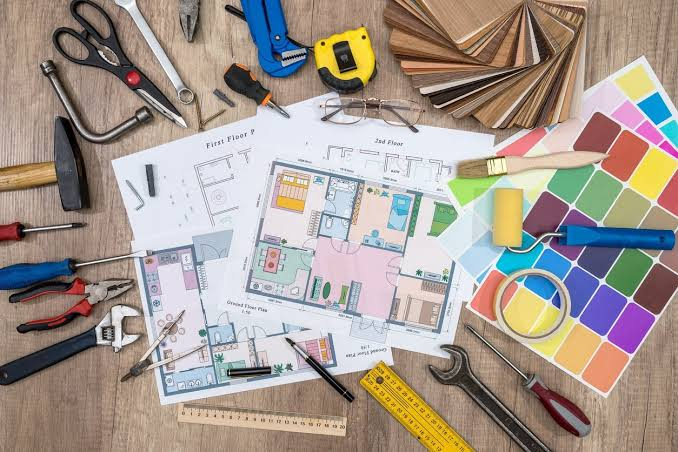
Before you buy paint, tools, or furniture, take time to plan. A renovation plan is like a map. Without it, you may still move forward, but you might take expensive wrong turns. Good planning keeps your project clear and controlled.
- Set a Clear Goal
Start by asking what you want to fix. Do you need more storage, better lighting, a fresher style, or a safer layout? A clear goal helps you choose the right renovation tips for home improvement.
- Choose a Realistic Budget
Your budget should include materials, tools, labor, delivery, and extra costs. Be honest about what you can spend. A realistic budget home renovation is better than an unfinished dream project.
- Measure Each Room
Measure walls, windows, floors, cabinets, doors, and furniture. Keep these numbers in your phone or notebook. Accurate measurements stop you from buying rugs, shelves, or cabinets that do not fit.
- List Your Biggest Problems
Walk through your home and write down what bothers you most. Maybe the kitchen feels dark. Maybe the bathroom lacks storage. Maybe the living room feels crowded. Problems help you choose better solutions.
- Create a Simple Timeline
A timeline keeps your renovation from dragging on. Break the project into steps, such as planning, shopping, prep work, installation, cleanup, and decorating. Give each step enough time.
- Plan for Extra Costs
Almost every renovation has surprises. You may need extra screws, more paint, repairs, or delivery fees. Set aside a small emergency fund so one surprise does not stop the whole project.
Best Budget-Friendly Renovation Tips
You do not need a huge budget to make your home feel new. Many affordable home renovation ideas focus on surface updates, better organization, and smarter styling. These changes can refresh your home without a full remodel.
- Refresh Walls With Paint
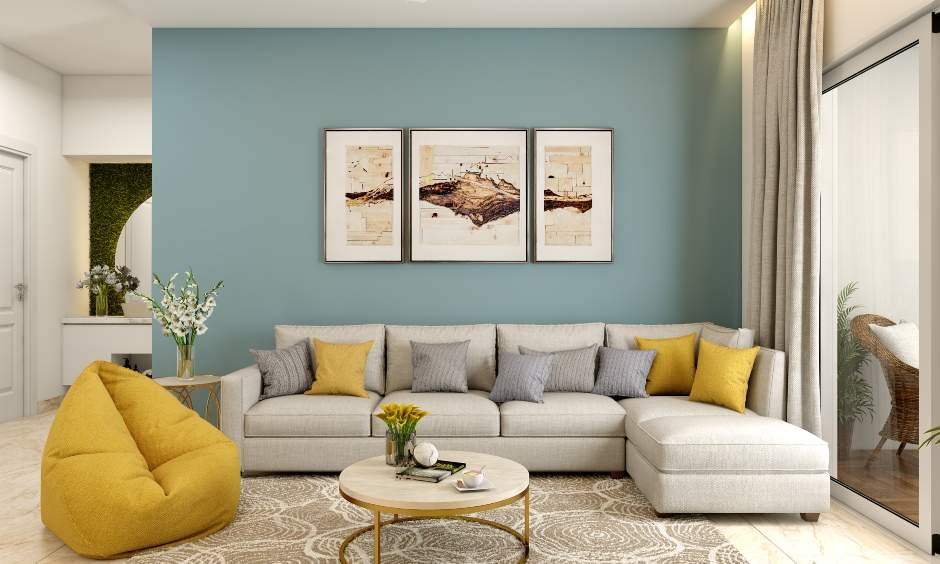
Paint is one of the easiest upgrades decoradhouse projects can include. A new wall color can brighten a dark room, warm up a cold space, or create a clean modern look. For kitchens, choosing the right cabinet paint can also refresh old cabinets without replacing them.
- Update Cabinet Hardware
Old handles and knobs can make cabinets look dated. New hardware is affordable, easy to install, and available in many styles. Matte black, brass, brushed nickel, or wood pulls can change the mood of a kitchen or bathroom.
- Change Old Light Fixtures
Lighting works like jewelry for a room. A simple pendant, wall sconce, or modern ceiling light can make a space feel finished. Choose warm bulbs for cozy areas and brighter bulbs for work zones.
- Add Smart Storage
Storage can solve many home problems. Use baskets, drawer dividers, floating shelves, hooks, and hidden storage benches. These small home improvement tips help reduce clutter and make daily life smoother.
- Reuse What You Already Own
Before buying new items, look at what you already have. You can repaint a table, move a rug, restyle a shelf, or change pillow covers. Budget home decor ideas often start with creativity, not shopping.
- Shop Affordable Materials
Affordable does not have to mean poor quality. Look for peel-and-stick tile, laminate counters, ready-made shelves, vinyl flooring, and simple light fixtures. Compare prices, read reviews, and choose materials that fit your needs.
How to Renovate Room by Room?
A whole-home renovation can feel overwhelming. That is why it helps to work room by room. Focus on one space, finish it well, and then move to the next. This keeps your home more livable during the process.

- Kitchen Renovation Tips
Start with the areas you use most: cabinets, counters, sink, lighting, and storage. Small updates like cabinet hardware, paint, backsplash panels, and better drawer organizers can make the kitchen feel cleaner and easier to use.
- Bathroom Renovation Tips
Bathrooms need moisture-friendly materials and smart storage. Add shelves, update mirrors, replace old faucets, and choose easy-clean surfaces. For small spaces, bathroom tile can add style while helping the room feel polished and practical.
- Living Room Renovation Tips
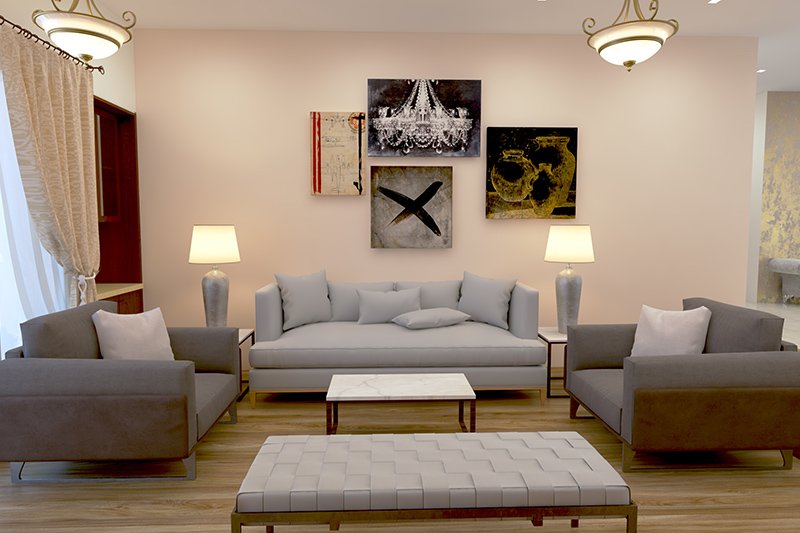
The living room should feel comfortable and welcoming. Rearrange furniture for better conversation, add layered lighting, choose a soft rug, and use storage pieces that hide clutter. Good room decorating ideas make the space feel both stylish and easy to live in.
- Bedroom Renovation Tips
A bedroom should help you rest. Use calming colors, soft bedding, blackout curtains, and simple furniture. Avoid overcrowding the room. A peaceful bedroom feels like a deep breath after a long day.
- Entryway Renovation Tips
The entryway sets the tone for the whole home. Add hooks, a shoe rack, a small bench, and a mirror. Even a narrow entry can become useful with vertical storage and simple home decoration ideas.
- Outdoor Space Renovation Tips
Outdoor areas deserve attention too. A small porch, balcony, or backyard can become a relaxing extension of your home. Add seating, lighting, plants, and weather-friendly decor. For more ideas, explore this guide to patio renovation and create an outdoor space that feels inviting.
Kitchen Renovation Ideas for Everyday Use
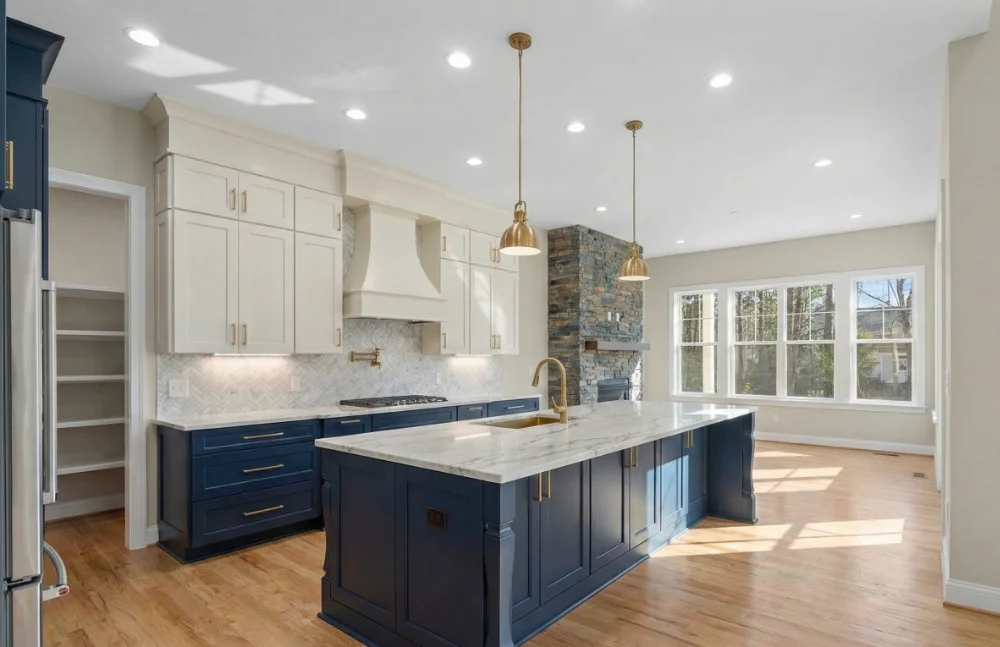
The kitchen is often the busiest room in the home. It needs to look good, but it also needs to work hard. Practical home renovation tips can help you build a kitchen that supports cooking, cleaning, storage, and family time.
- Improve Cabinet Storage
Cabinets can hold more when you organize them well. Add pull-out shelves, lazy Susans, drawer dividers, and vertical racks. Store daily items where you can reach them easily and move rarely used items higher up.
- Upgrade Lighting Zones
A kitchen needs more than one light. Use ceiling lights for general brightness, under-cabinet lights for prep work, and pendant lights for style. Layered lighting makes cooking safer and the room more pleasant.
- Choose Easy-Clean Surfaces
Choose counters, backsplashes, and floors that are easy to wipe. Kitchens deal with spills, grease, crumbs, and heat. Smooth surfaces, washable paint, and durable flooring make cleaning faster.
- Add a Simple Backsplash
A backsplash protects walls and adds personality. Peel-and-stick tiles, ceramic tiles, beadboard, or washable panels can work well. Choose a design that fits your style but does not overpower the room.
- Improve Workflow
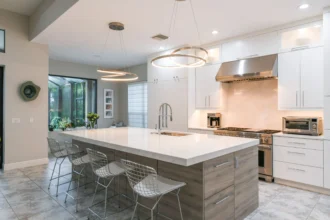
Good kitchen workflow saves time. Keep the sink, stove, refrigerator, and prep area easy to access. If you have space, a kitchen island can add storage, seating, and extra counter space for daily tasks.
Living Room Renovation Tips for Comfort
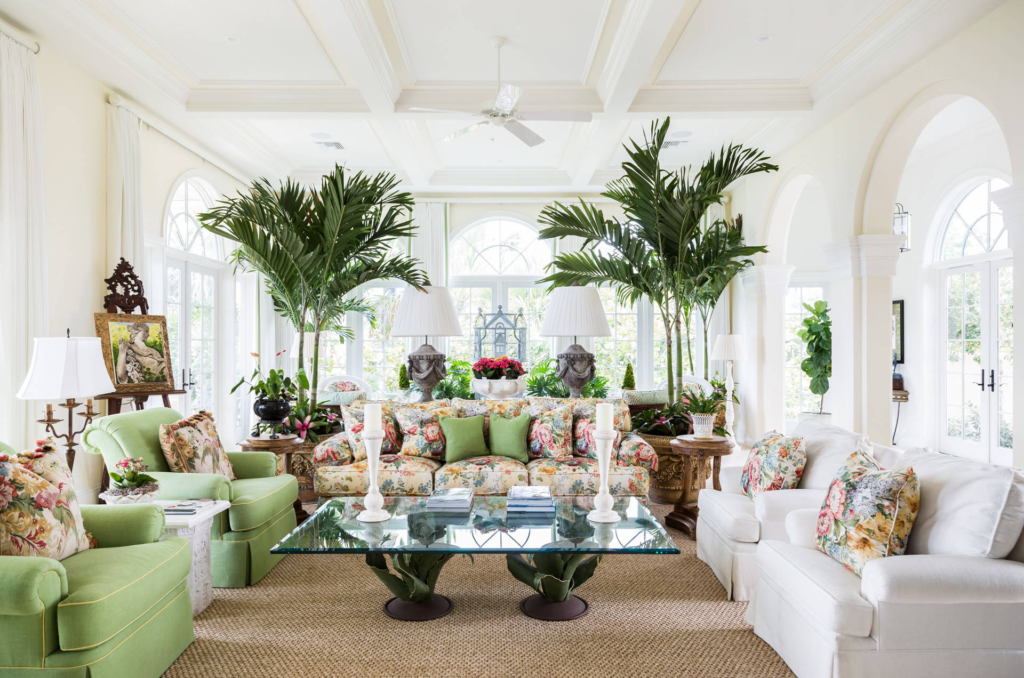
A living room should support real life. It may be where you relax, watch movies, host guests, read, or spend time with family. Good home makeover ideas balance comfort, beauty, and function.
- Improve Furniture Layout
Move furniture away from walls when possible and create a clear conversation area. Make sure people can walk through the room without bumping into tables or chairs. Layout affects comfort more than many people realize.
- Add Layered Lighting
Use a mix of ceiling lights, floor lamps, table lamps, and wall lights. This lets you change the mood during the day. Bright light helps with tasks, while soft light makes evenings feel cozy.
- Use Rugs for Warmth
A rug can anchor the room like a frame around a picture. It adds softness, color, and warmth. Choose a rug large enough for at least the front legs of your furniture to sit on it.
- Create Hidden Storage
Living rooms collect remote controls, blankets, toys, books, and chargers. Use storage ottomans, baskets, cabinets, and coffee tables with drawers. Hidden storage keeps the room calm without removing useful items.
- Keep Decor Balanced
Too much decor can make a room feel busy. Too little can make it feel cold. Mix artwork, pillows, plants, books, and personal pieces, but leave some empty space so the room can breathe.
Small Space Renovation Tips
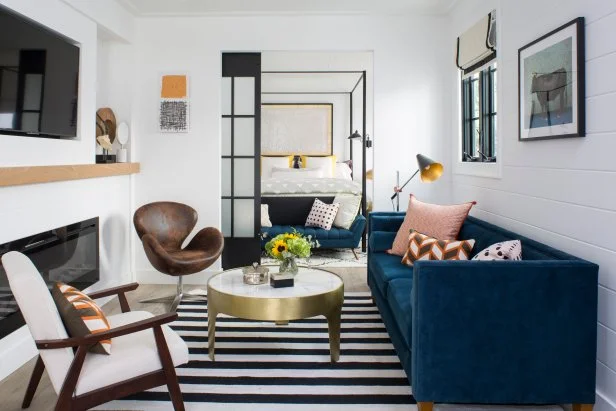
Small spaces can still feel open, stylish, and useful. The secret is to make every piece earn its place. Small home renovation ideas work best when they reduce clutter and improve movement.
- Use Vertical Storage
When floor space is limited, use the walls. Add floating shelves, tall bookcases, wall hooks, pegboards, and over-door organizers. Vertical storage draws the eye upward and saves valuable floor space.
- Choose Multi-Use Furniture
Pick furniture that does more than one job. A storage bed, fold-out table, sleeper sofa, or bench with hidden storage can make a small room more flexible. This is functional home design at its best.
- Keep Colors Light
Light colors can make a small room feel larger and brighter. White, cream, soft gray, beige, pale green, and light blue all work well. Add deeper colors through pillows, art, or small accents.
- Add Mirrors Carefully
Mirrors bounce light and create a sense of depth. Place a mirror across from a window or near a lamp. Avoid using too many mirrors, because the room can start to feel confusing.
- Reduce Visual Clutter
Visual clutter makes a small room feel smaller. Use closed storage, simple patterns, and fewer display items. Keep counters, tables, and shelves edited. A clean surface is like open space for the eyes.
How to Choose Materials and Products?
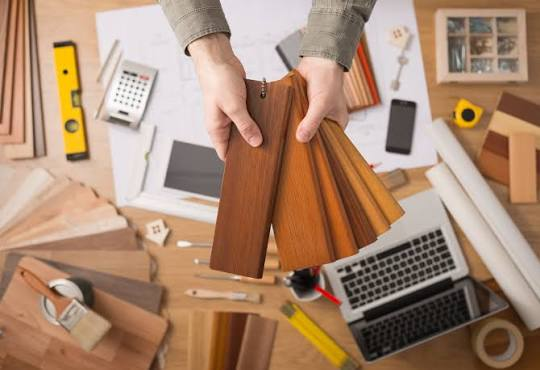
Materials can make or break a renovation. A beautiful product that fails quickly is not a good deal. Choose items that fit your budget, style, cleaning habits, and daily use.
- Pick Durable Flooring
Flooring takes daily abuse from shoes, pets, spills, furniture, and dirt. Vinyl plank, tile, engineered wood, and laminate can all work, depending on the room. Choose flooring that matches your lifestyle.
- Choose Washable Paint
Washable paint is helpful in kitchens, bathrooms, hallways, and kids’ rooms. It lets you clean fingerprints, splashes, and marks without repainting. Satin and eggshell finishes often work well for busy homes.
- Compare Countertop Options
Countertops come in many prices and materials. Laminate is budget-friendly. Butcher block feels warm. Quartz is durable but more expensive. Tile can be creative but needs grout care. Choose based on use, not just looks.
- Select Quality Fixtures
Faucets, handles, lights, and hinges get used every day. Cheap fixtures may break, rust, or feel loose. Spend a little more on items you touch often, especially in kitchens and bathrooms.
- Balance Price and Lifespan
The cheapest option is not always the best value. Think about how long a product will last. A slightly higher price can save money if the item stays strong and looks good for years.
DIY Renovation Tips for Beginners
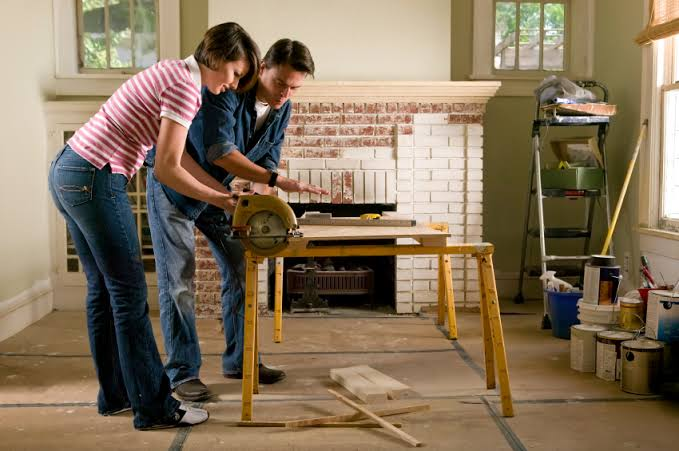
DIY projects can save money and build confidence. Still, the best DIY home renovation tips start with knowing your limits. Begin small, learn slowly, and choose projects that match your skill level.
- Start With Small Projects
Try painting a wall, changing knobs, installing shelves, or updating decor before taking on bigger work. Small wins teach you how tools, materials, and prep work behave in real life.
- Use the Right Tools
Good tools make work safer and cleaner. Basic tools include a tape measure, level, screwdriver, drill, utility knife, painter’s tape, drop cloth, and safety glasses. Do not rush with poor tools.
- Watch Tutorials First
Before starting, watch several tutorials from trusted sources. Notice the steps, tools, mistakes, and safety tips. A ten-minute video can save you from a weekend of frustration.
- Test Before Committing
Test paint colors, peel-and-stick tiles, stains, and finishes before using them everywhere. Light changes how colors look. A small sample can stop a big mistake.
- Know When to Stop
Some DIY projects become harder than expected. If you find water damage, unsafe wiring, uneven floors, or structural problems, stop and call a professional. Smart DIY includes knowing when help is needed.
When to Hire a Professional?
Some renovation jobs are too risky for guesswork. Hiring a professional can cost more upfront, but it can protect your home, your safety, and your budget. Not every project should be DIY.
- Electrical Work
Electrical work can be dangerous. Bad wiring can cause shocks, fires, or failed inspections. Hire a licensed electrician for new circuits, panel work, major lighting changes, and outlet relocation.
- Plumbing Work
Simple faucet swaps may be manageable, but bigger plumbing changes need skill. Moving pipes, fixing leaks, installing showers, or changing drainage should often involve a plumber. Water damage can become very expensive.
- Structural Changes
Removing walls, changing beams, widening doors, or altering stairs can affect your home’s safety. A professional can tell whether a wall is load-bearing and what support is needed.
- Tile and Flooring Jobs
Some tile and flooring projects are beginner-friendly, but large or uneven areas can be tricky. Bad tile work can crack, leak, or look uneven. Bathrooms especially need careful waterproofing.
- Large Custom Projects
Built-ins, custom cabinets, major remodels, and whole-room redesigns often need expert help. A skilled professional can bring modern home renovation ideas to life while avoiding costly errors.
Common Renovation Mistakes to Avoid
Renovation mistakes are common, especially when excitement takes over. The good news is that many mistakes are easy to avoid with planning, patience, and clear priorities.
- Starting Without a Plan
Starting without a plan is like grocery shopping without a list when you are hungry. You may buy too much, forget key items, and overspend. Plan first, then shop.
- Ignoring Storage Needs
A pretty room can still fail if it has nowhere to store daily items. Always plan storage for shoes, coats, dishes, tools, linens, toys, and cleaning supplies.
- Choosing Style Over Function
Style matters, but function matters more. A white sofa may look beautiful, but it may not work with pets or young kids. Choose beauty that fits real life.
- Buying Cheap Materials
Cheap materials can peel, crack, stain, or break quickly. Use affordable home renovation ideas, but avoid products with poor reviews or weak durability. Saving today should not create repairs tomorrow.
- Forgetting Lighting
Lighting changes everything. A renovated room can still feel dull if it has poor lighting. Plan task lighting, accent lighting, and soft lighting before the project ends.
- Changing Plans Too Often
Changing your mind during renovation can increase costs and delay progress. Take time to choose finishes before work starts. Small changes are fine, but constant changes create chaos.
How to Keep Renovation Stylish and Practical?
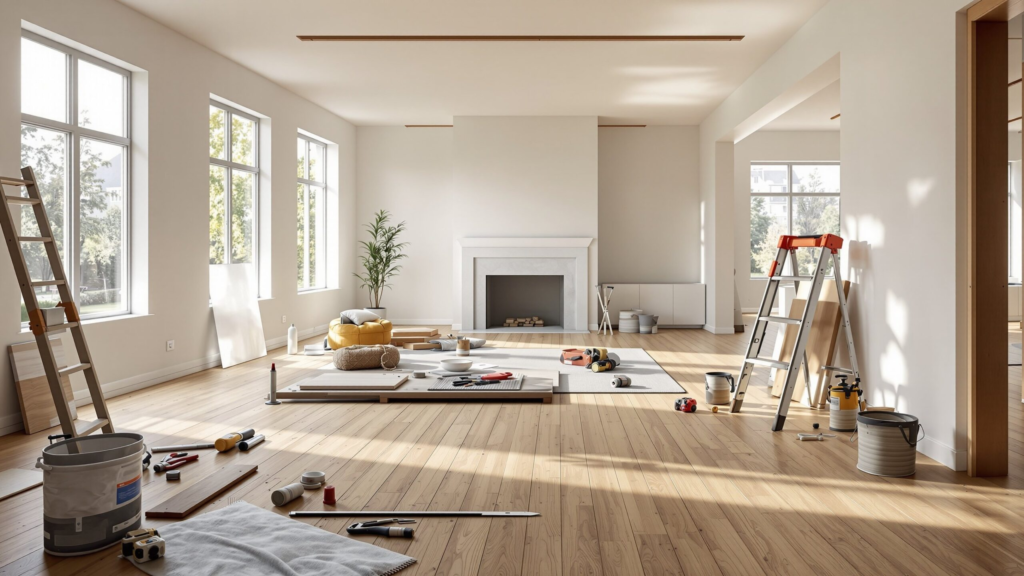
The best homes do not choose between style and function. They use both. Stylish home decor ideas should make your home look better while also making daily life easier.
- Choose a Simple Color Palette
A simple color palette makes a home feel connected. Pick two or three main colors, then add accents. This approach works well for modern home decor ideas and cozy home decor ideas.
- Mix Beauty With Function
Choose items that look good and solve problems. A storage bench, washable rug, pretty baskets, or wall-mounted shelf can add beauty while making the room more useful.
- Add Texture Naturally
Texture makes a room feel warm. Use wood, woven baskets, linen curtains, soft rugs, plants, and ceramic pieces. Texture adds interest without making the room feel crowded.
- Keep Rooms Easy to Clean
Choose surfaces and decor that you can maintain. Avoid too many tiny items that collect dust. Easy home decor ideas should make life simpler, not add more chores.
- Avoid Overdecorating
After renovation, it is tempting to fill every corner. Resist that urge. Leave breathing room around furniture, shelves, and walls. For more styling help, learn how to decorate a room with balance and purpose.
Final Renovation Checklist
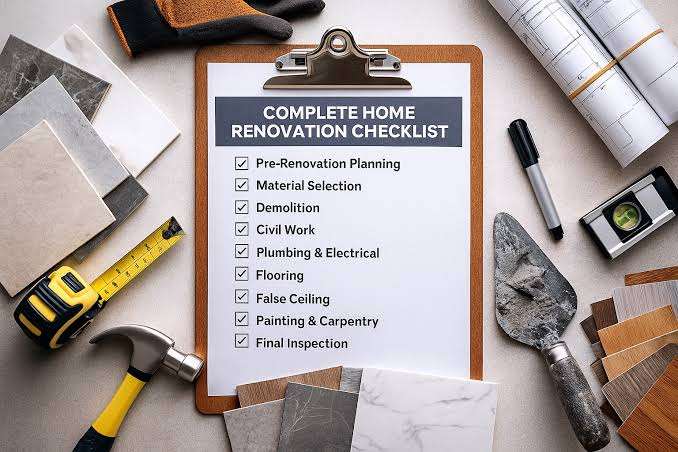
A checklist helps you stay organized before work begins. Use it before every project, whether you are painting a bedroom, updating a bathroom, or planning a full house makeover.
- Budget Confirmed
Write down your total budget and break it into categories. Include materials, tools, labor, delivery, permits, and extra costs. Keep this budget visible during the project.
- Measurements Checked
Check all measurements twice before buying materials. Measure walls, floors, furniture, windows, and doorways. A few wrong inches can cause returns, delays, and wasted money.
- Materials Selected
Choose paint, flooring, fixtures, hardware, tile, and decor before starting. This helps your project move smoothly. It also helps you avoid rushed decisions at the store.
- Tools Prepared
Gather all tools before the first day of work. Charge batteries, buy blades, prepare brushes, and check safety gear. Good preparation makes the job feel less stressful.
- Timeline Planned
Create a simple timeline with start dates, shopping days, workdays, and drying or curing time. Remember that paint, grout, glue, and finishes often need extra time.
- Safety Reviewed
Safety should always come first. Wear gloves, masks, and eye protection when needed. Turn off power or water before certain jobs. Keep children and pets away from work areas.
Conclusion
Decoradhouse renovation tips from decoratoradvice are about making smart, useful, and stylish choices for your home. You do not need a giant budget or expert skills to create a better space. Start with a clear plan, focus on daily comfort, choose durable materials, and make changes one step at a time. With the right home decor inspiration and practical home renovation tips, your home can feel more beautiful, organized, and truly yours.
Frequently Asked Questions
Decoradhouse renovation tips from decoratoradvice are simple, practical ideas for improving your home through better planning, smart design, and budget-friendly updates. They include home remodeling tips, DIY projects, storage ideas, paint updates, lighting improvements, and interior design tips that make each room more useful and stylish.
Start by choosing one room and one clear goal. Focus on low-cost changes such as paint, hardware, lighting, shelves, rugs, and decor. Reuse what you already own when possible. Budget home renovation works best when you fix the biggest problem first instead of trying to change everything at once.
Renovate the room that affects your daily life the most. For many homes, this is the kitchen, bathroom, bedroom, or living room. If your kitchen is hard to use, start there. If your bathroom lacks storage, begin with that space. Practical needs should guide your choice.
Kitchen updates, bathroom improvements, fresh paint, better lighting, and improved curb appeal often add strong value. You do not always need a full remodel. Affordable home renovation ideas, such as cabinet paint, modern fixtures, and clean flooring, can also make a home more appealing.
Yes, beginners can handle simple DIY projects like painting, changing cabinet hardware, adding shelves, updating decor, and installing basic storage. However, electrical work, plumbing changes, structural updates, and complex tile jobs usually need a professional. Start small and build your skills over time.
Use light colors, mirrors, vertical storage, simple furniture, and fewer decorative items. Choose multi-use furniture and keep walkways clear. Small home renovation ideas work best when they reduce clutter and let more light move through the room.
Avoid starting without a plan, ignoring storage, choosing looks over function, buying weak materials, forgetting lighting, and changing plans too often. These mistakes can waste money and create stress. A clear checklist helps you stay focused.
Hire a professional for electrical work, plumbing, structural changes, waterproofing, large tile projects, and custom builds. A professional can help prevent safety issues, code problems, and costly repairs. DIY is useful, but expert help is worth it when the risk is high.