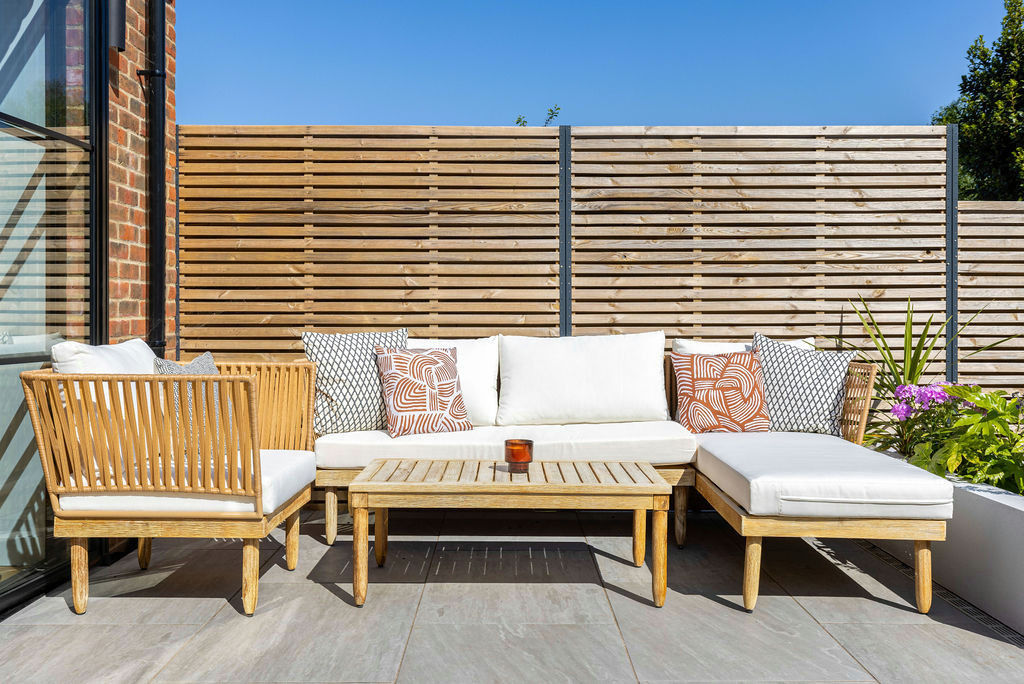

How to renovate my patio Decoradhouse is a question many people ask when their outdoor space feels plain, old, or unused. The good news is that a patio makeover does not need to be expensive or confusing. With smart planning, simple updates, and a little creativity, your patio can feel like a cozy outdoor room.
What Is a Patio Renovation?
A patio renovation means improving your outdoor patio so it looks better, feels more useful, and works well for daily life. It may include cleaning, repairing, painting, adding furniture, improving lighting, changing flooring, or decorating with plants. In simple terms, it turns a tired outdoor area into a space you actually enjoy.
- Simple meaning of patio renovation
A patio renovation is like giving your outdoor space a fresh start. You look at what feels old, broken, empty, or uncomfortable, and then you fix it step by step. Therefore, the goal is not always a full rebuild. Sometimes, a clean floor, better seating, and warm lights can change everything.
- Difference between decorating and renovating
Decorating usually means adding style, such as pillows, rugs, plants, and lights. Renovating goes deeper because it can include repairs, flooring updates, drainage fixes, painting, or layout changes. However, both work together. A good outdoor patio makeover often needs a mix of practical fixes and pretty details.
- When a patio needs more than cleaning
A patio needs more than cleaning when you see cracked flooring, standing water, rusty furniture, poor lighting, or a layout that does not work. Also, if you avoid using the space because it feels uncomfortable, it may be time for a full refresh instead of just a quick sweep.
Benefits of Renovating Your Patio
Renovating your patio gives you more than a nicer view. It can create extra living space, improve comfort, and make your home feel more welcoming. In addition, many backyard patio renovation ideas are affordable, especially when you reuse items, choose simple materials, and focus on small changes with big impact.

- More outdoor living space
A patio can become a second living room, dining area, reading corner, or weekend hangout spot. Therefore, even a small patio can add useful space to your home. With the right layout, seating, lighting, and shade, you can enjoy fresh air without leaving your property.
- Better comfort for relaxing
Comfort matters because a beautiful patio will not help much if nobody wants to sit there. Soft cushions, shade, side tables, and good lighting make the area easier to use. As a result, your patio can become the place where you drink coffee, relax after work, or chat with friends.
- Improved home style
Your patio is part of your home’s personality. When it looks neat and styled, the whole house feels more complete. For example, matching outdoor colors with your indoor style creates a smooth flow. Also, simple patio decorating ideas on a budget can make the space look polished without a designer price tag.
- Budget-friendly home value boost
A clean, useful patio can make your home feel more valuable. You do not always need expensive upgrades to create this effect. Fresh paint, neat flooring, healthy plants, and sturdy furniture can improve first impressions. Because of this, cheap patio makeover ideas can still feel smart and high-value.
How to Check Your Patio Before Renovating?
Before buying anything, study your patio like a small project site. Look at the floor, water flow, sunlight, shade, wind, size, and existing items. This step helps you avoid mistakes. More importantly, it helps you spend money only on updates that solve real problems and improve daily use.
- Inspect the floor surface
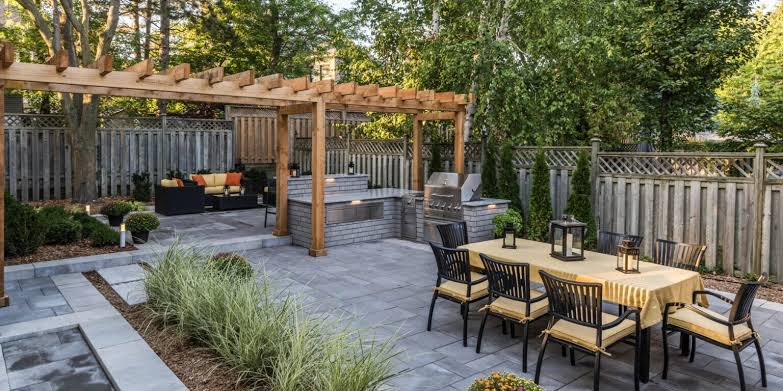
Start by checking the floor for cracks, stains, loose tiles, uneven spots, or slippery areas. Also, notice whether the surface feels safe underfoot. If the floor looks dull but solid, paint, rugs, or deck tiles may help. However, deep cracks or sinking areas may need professional repair.
- Check drainage and water problems
Water can ruin a patio faster than almost anything else. After rain, look for puddles, stains, mud, or water flowing toward your home. Also, check nearby gutters because blocked gutters can cause patio problems. For a deeper maintenance guide, read this helpful post on gutter cleaning before planning upgrades.
- Look at sun, shade, and wind
Spend time outside at different parts of the day. Notice where the sun feels strong, where shade falls, and where wind hits hardest. Then, plan seating, plants, and shade around those patterns. For example, an umbrella may help a sunny dining corner, while a bamboo screen may calm a windy side.
- Measure the full space
Measure the length and width of your patio before shopping. Also, measure doors, steps, corners, and walking paths. This simple step saves money because it stops you from buying furniture that blocks movement. As a rule, leave enough room to walk around chairs and tables easily.
- List what you want to keep
Before you throw things away, list what still works. Maybe an old chair only needs paint. Maybe a planter can be cleaned and reused. This is one of the smartest DIY patio renovation habits because it lowers cost, reduces waste, and helps your finished space feel personal.
How to Plan Your Patio Renovation?
A good patio renovation starts with a clear plan. Decide how you want to use the space, choose a simple style, set a budget, make a shopping list, and plan the timeline. Without a plan, it is easy to buy random items that look nice alone but feel messy together.

- Choose the main purpose
Ask yourself what the patio should do first. Do you want a coffee corner, outdoor dining area, plant-filled retreat, play space, or lounge zone? Once you know the main purpose, every choice becomes easier. For example, a dining patio needs a table first, while a reading patio needs shade and soft seating.
- Pick a simple design style
Choose one clear style so the patio feels calm, not crowded. You might like modern, farmhouse, boho, coastal, rustic, or minimal design. If you need basic style tips, this guide on how to decorate a room can also help with outdoor color, balance, and layout choices.
- Set a realistic budget
Set your budget before you shop. Then, divide it into categories like cleaning, flooring, furniture, lighting, plants, and décor. This makes the project feel easier to control. Also, keep a small extra amount for surprise costs because outdoor spaces often need little fixes you did not expect.
- Make a shopping list
A shopping list keeps your patio makeover ideas focused. Write down must-haves first, such as seating, shade, or flooring. Then, add nice-to-have items like pillows, lanterns, and planters. Because of this, you can avoid impulse buys and spend money on items that truly improve the space.
- Plan the project timeline
Do not try to finish everything in one day unless the project is very small. Instead, plan stages: clean, repair, paint, install flooring, place furniture, add lights, and decorate. This order keeps the work smooth. Plus, it gives you time to adjust your ideas as the patio starts changing.
How to Renovate My Patio Decoradhouse on a Budget?
If you wonder how to renovate my patio Decoradhouse without spending too much, start with simple changes. Clean first, reuse what you can, paint old pieces, shop secondhand, and upgrade small details. These steps can make a patio feel new while keeping the project friendly for your wallet.
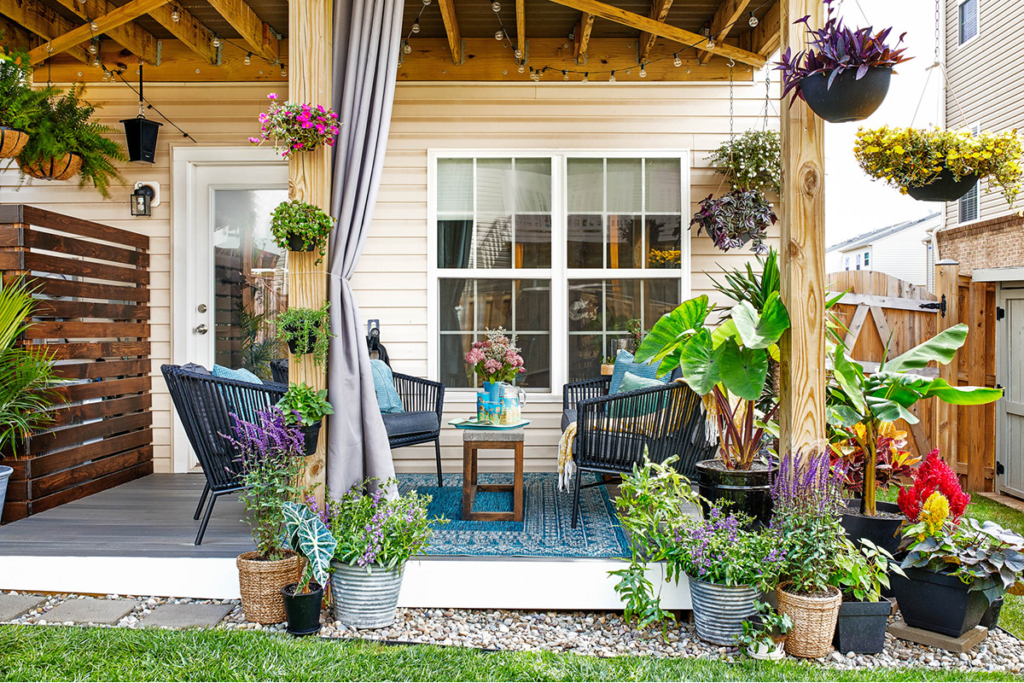
- Clean before buying anything
Cleaning is the cheapest patio upgrade, and it often gives the biggest first change. Sweep leaves, wash the floor, wipe furniture, clean planters, remove weeds, and clear clutter. After that, you can see what really needs work. Sometimes, a patio looks outdated simply because dirt is hiding its best features.
- Reuse old furniture
Old furniture can often get a second life. Tighten screws, clean frames, replace cushions, or paint metal and wood pieces with outdoor-safe paint. As a result, you save money and keep useful items out of the trash. This is one of the best cheap patio makeover ideas for quick progress.
- Paint instead of replace
Paint can change furniture, pots, fences, privacy screens, and even concrete floors. Instead of replacing everything, paint one or two major pieces in a fresh color. However, always choose paint made for outdoor use. Otherwise, sun and rain may cause peeling, fading, or bubbling too soon.
- Shop secondhand pieces
Secondhand stores, online marketplaces, yard sales, and local community groups can offer great patio furniture ideas at lower prices. Look for strong frames, simple shapes, and items you can clean or repaint. However, avoid pieces with deep rust, weak legs, or damaged materials that may cost too much to fix.
- Upgrade small details first
Small details can shift the whole mood. Try new pillow covers, a bright outdoor rug, solar lights, painted pots, or a small table. These updates are perfect for patio decorating ideas on a budget because they add color and comfort without forcing you to change the entire patio.
Best Patio Flooring Ideas
Patio flooring has a huge effect on the final look. The right floor makes the space feel clean, safe, and finished. Some patio flooring ideas are simple enough for a weekend, while others need more skill. Therefore, choose based on budget, weather, rental rules, and the condition of your current surface.
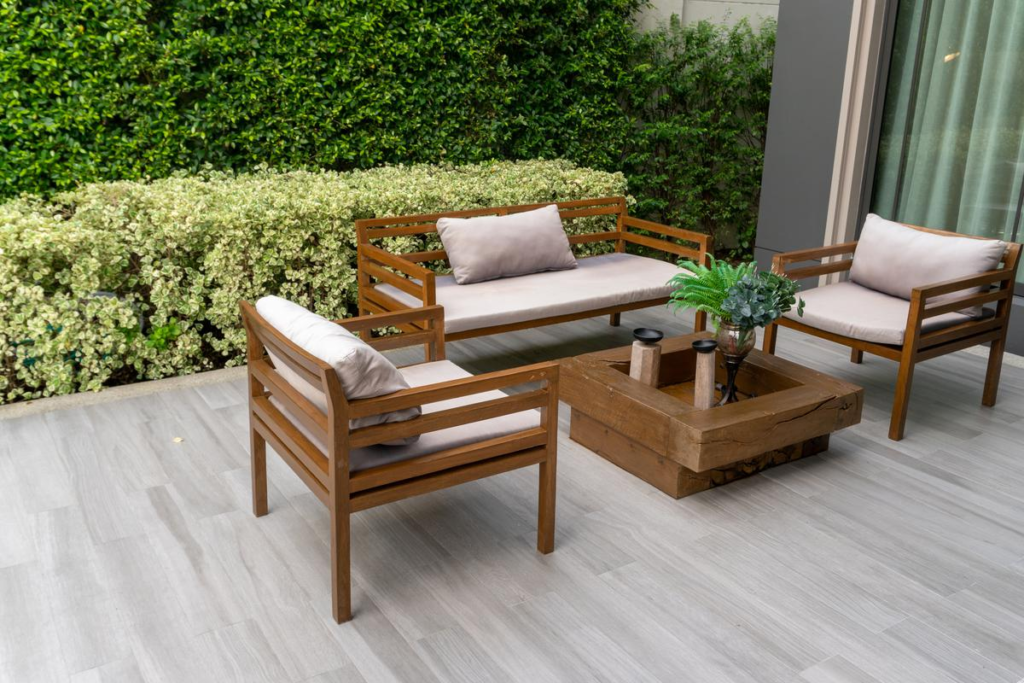
- Outdoor rugs
Outdoor rugs are one of the easiest ways to hide a dull patio floor. They add color, texture, and comfort underfoot. Also, they help define seating or dining areas. Choose a rug made for outdoor use, and make sure it dries quickly after rain to prevent mildew.
- Concrete paint
Concrete paint works well when the patio surface is solid but unattractive. You can choose a neutral color for a clean look or use a stencil for pattern. However, prep matters. Clean the concrete well, repair small cracks, and follow the paint directions so the finish lasts longer.
- Peel-and-stick outdoor tiles
Peel-and-stick outdoor tiles can give a renter-friendly patio a fresh look when the surface is flat and clean. They are often easier than traditional tile. However, check that the product is made for outdoor use. Also, test a small area first, especially if your patio gets heavy sun or rain.
- Deck tiles
Interlocking deck tiles are popular because they snap together and can cover concrete, balcony floors, or small patios. They come in wood-look, composite, and plastic styles. In addition, they are useful for apartment patio makeover projects because many options are removable and do not require glue or nails.
- Gravel or pavers
Gravel and pavers can work well for ground-level patios or patio extensions. Gravel feels casual and budget-friendly, while pavers create a more solid walking surface. For best results, prepare the base properly. Otherwise, weeds, sinking, and uneven spots can become problems later.
- When to hire a professional
Hire a professional if the patio has major cracks, sinking concrete, drainage problems, electrical work, or structural issues. Also, call an expert for large paver projects if you are not comfortable preparing the base. Paying for the right help can prevent expensive repairs later.
How to Choose Patio Furniture?
Patio furniture should match your space, weather, and lifestyle. Good furniture does not need to be fancy, but it should be comfortable, sturdy, and easy to maintain. Before buying, think about size, material, seating flexibility, tables, and storage so the patio feels useful instead of crowded.
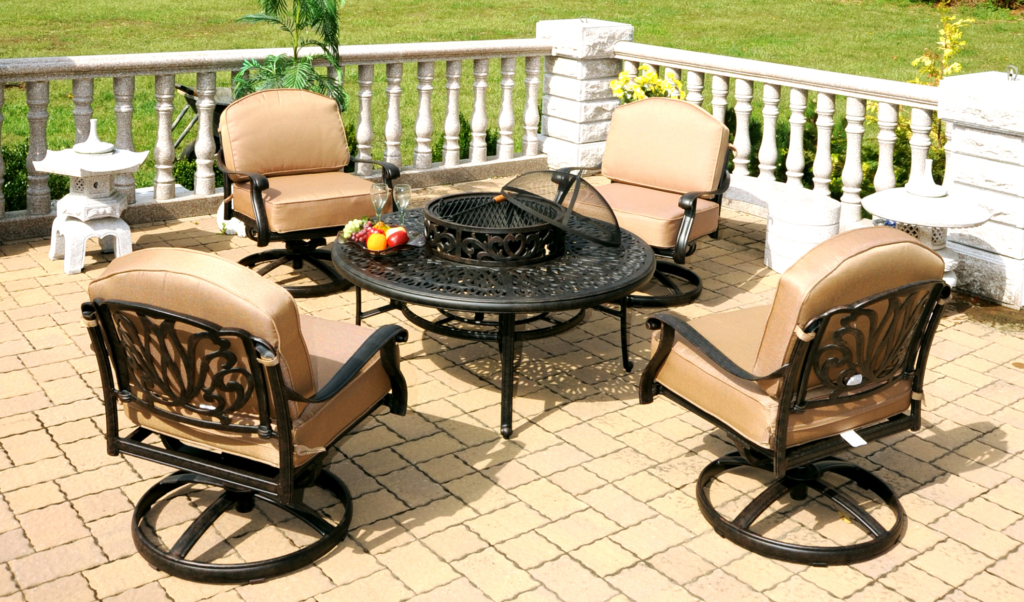
- Measure before buying
Always measure before buying patio furniture. A sofa may look perfect online but feel huge on a small patio. Use painter’s tape or boxes to mark the furniture size on the floor. This trick helps you see walking space before spending money.
- Choose weather-safe materials
Outdoor furniture faces sun, rain, wind, dust, and temperature changes. Therefore, choose materials made for outdoor use, such as treated wood, powder-coated metal, resin wicker, plastic, or weather-resistant fabric. Also, check care instructions. Some materials need covers, oiling, or regular cleaning to stay in good shape.
- Pick flexible seating
Flexible seating helps the patio work for different moments. Folding chairs, stackable stools, benches, and modular seats are useful because you can move them around. For small patio ideas on a budget, flexible seating is especially helpful since one piece can serve many purposes.
- Add a small table
A small table makes a patio more comfortable right away. It gives you a place for drinks, books, snacks, candles, or plants. If space is tight, choose a folding table, nesting table, or stool that can act as a table when needed.
- Use storage furniture
Storage furniture keeps clutter under control. A storage bench can hold cushions, garden tools, throws, candles, or kids’ outdoor toys. Because patios collect small items quickly, hidden storage helps the space stay neat. It also protects soft décor from weather damage.
How to Add Shade and Privacy?
Shade and privacy can make a patio feel more like a real outdoor room. They protect you from harsh sun, reduce heat, and help the space feel calm. The best choice depends on your budget, patio size, rental rules, and how much coverage you need.
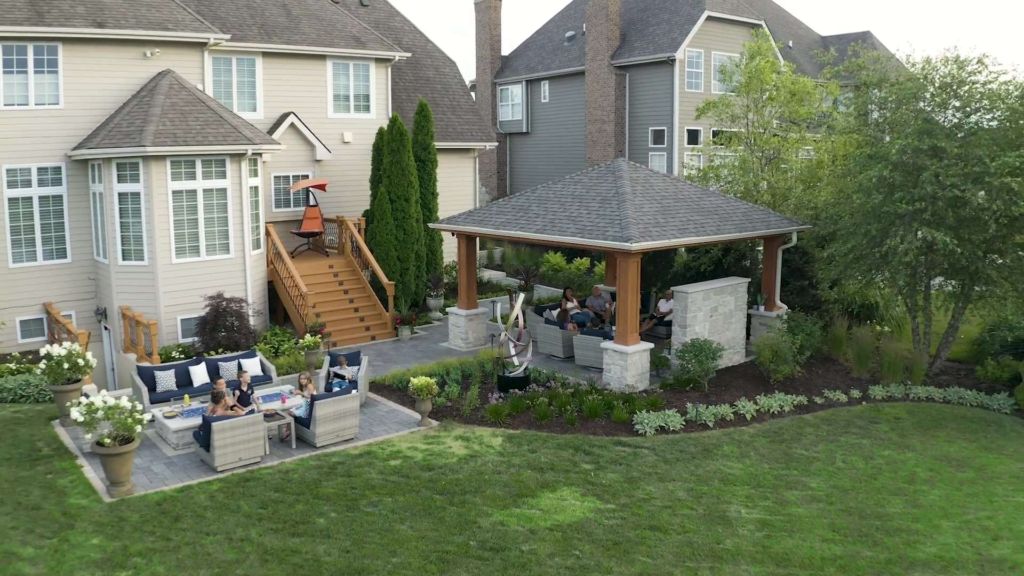
- Patio umbrellas
A patio umbrella is simple, movable, and useful for dining or lounge areas. Choose a strong base so it does not tip over in wind. Also, pick a size that covers the seating area without blocking the walkway. A tilting umbrella gives better shade as the sun moves.
- Outdoor curtains
Outdoor curtains add softness, shade, and privacy. They work well on covered patios, pergolas, or balcony frames. Choose weather-resistant fabric and use sturdy rods or wires. In addition, light-colored curtains can make the patio feel breezy, while darker curtains can create a cozy evening mood.
- Bamboo screens
Bamboo screens are great for quick privacy. They bring a natural texture and work well with many patio makeover ideas. You can place them along railings, fences, or open sides. However, secure them properly so they stay safe during wind.
- Trellises and climbing plants
A trellis with climbing plants creates privacy in a soft, green way. It can also hide a plain wall or fence. Choose plants that match your climate and sunlight. Over time, the trellis becomes a living screen, which makes the patio feel peaceful and more connected to nature.
- Pergolas and shade sails
Pergolas and shade sails create stronger shade for larger patios. A pergola feels like an outdoor frame, while a shade sail gives a modern look. However, installation matters because these features must handle wind and weather. For safety, follow product directions or hire help when needed.
How to Improve Patio Lighting?
Good lighting changes how your patio feels at night. It adds safety, warmth, and style. Instead of using one bright light, layer several softer lights. For example, combine string lights, lanterns, solar path lights, and wall lights so the patio feels cozy but still easy to move around.
- String lights
String lights are a classic outdoor patio makeover choice because they create instant charm. Hang them above seating, along a fence, or under a covered patio. Use outdoor-rated lights only. Also, avoid hanging them too low because people should walk under them comfortably.
- Solar path lights
Solar path lights are simple because they do not need wiring. Place them near steps, garden edges, walkways, or dark corners. They improve safety and add a soft glow. However, make sure the solar panel gets enough sunlight during the day, or the lights may stay dim at night.
- Lanterns
Lanterns add a warm, relaxed feeling. You can place them on tables, steps, shelves, or the floor. Battery candles are a safe choice because they give a similar glow without open flames. Also, lanterns are easy to move when you change the layout.
- Wall lights
Wall lights work well near doors, seating areas, and outdoor kitchens. They provide steady light and can make the patio feel more finished. If wiring is needed, hire a qualified electrician. For easier updates, look for battery-powered or solar wall lights made for outdoor use.
- Safety tips for outdoor lighting
Always use outdoor-rated lights, cords, and plugs. Keep cords away from walking paths, water, and sharp edges. Also, do not overload outlets. If you use extension cords, choose ones rated for outdoor use. Safety may not sound exciting, but it protects your patio and everyone who uses it.
How to Decorate with Plants?
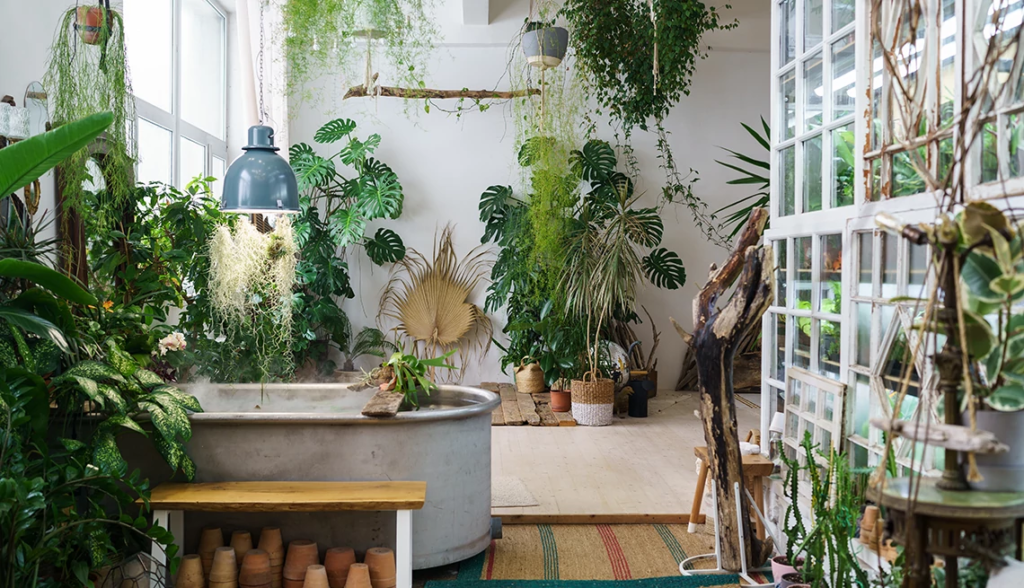
Plants bring life to a patio. They add color, texture, shade, privacy, and even fresh herbs for cooking. You do not need a big garden to enjoy them. With planters, shelves, hanging baskets, and vertical stands, even a small patio can feel green and fresh.
- Choose low-care plants
Choose plants that match your sunlight and local weather. Low-care options may include snake plants, succulents, lavender, rosemary, ornamental grasses, or hardy flowers, depending on your climate. Start with a few easy plants first. Then, add more once you understand how much care they need.
- Use planters in different sizes
Planters in different sizes make the patio look layered and full. Place tall planters in corners, medium ones near seating, and small pots on tables. However, avoid using too many tiny pots because they can look cluttered. A few grouped planters often look better than many scattered ones.
- Add herbs for function
Herbs make a patio beautiful and useful. Basil, mint, rosemary, thyme, and parsley can grow well in containers with the right light. In addition, herbs smell fresh and are easy to grab while cooking. This is a smart way to mix decoration with everyday function.
- Create a plant corner
A plant corner can become the star of the patio. Use a stand, bench, ladder shelf, or grouped planters to create a mini garden. Add different heights and leaf shapes for interest. As a result, even a plain corner can feel like a small outdoor retreat.
- Use vertical planters for small patios
Vertical planters save floor space while adding greenery. They work well on balconies, fences, and narrow patios. You can grow flowers, herbs, or trailing plants. This idea is especially useful for apartment patio makeover projects because it adds style without taking up the seating area.
How to Add Color and Texture?
Color and texture make a patio feel warm and finished. Think of them like seasoning in food. You do not need too much, but the right amount makes everything better. Use pillows, cushions, rugs, mats, painted pots, and accent colors that connect with your home’s style.
- Outdoor pillows
Outdoor pillows are a fast way to add color and comfort. Choose weather-resistant covers so they handle sun and moisture better. Also, pick two or three colors instead of many random shades. This keeps the patio cheerful but still calm and pulled together.
- Weather-safe cushions
Cushions make hard chairs and benches easier to enjoy. Look for outdoor fabric, removable covers, and quick-dry filling when possible. If your patio gets a lot of rain, store cushions in a bench or waterproof box. This simple habit keeps them cleaner and helps them last longer.
- Rugs and mats
Rugs and mats add softness, pattern, and structure. A rug can make a seating area feel like a real room, while a mat near the door helps control dirt. Choose outdoor materials that can dry quickly. Also, shake and clean rugs often so dust and leaves do not build up.
- Painted pots
Painted pots are an easy DIY update. You can refresh old planters with outdoor paint and create a matching set. For example, paint three pots in soft neutral colors or use one bright accent color. This gives your patio a custom look without a high price.
- Accent colors that match the home
Choose accent colors that work with your home’s exterior. If your home has warm brick, try cream, olive, rust, or black. If it has gray siding, try navy, white, yellow, or soft green. Because the patio sits next to your home, matching colors helps everything feel connected.
Easy DIY Patio Renovation Projects
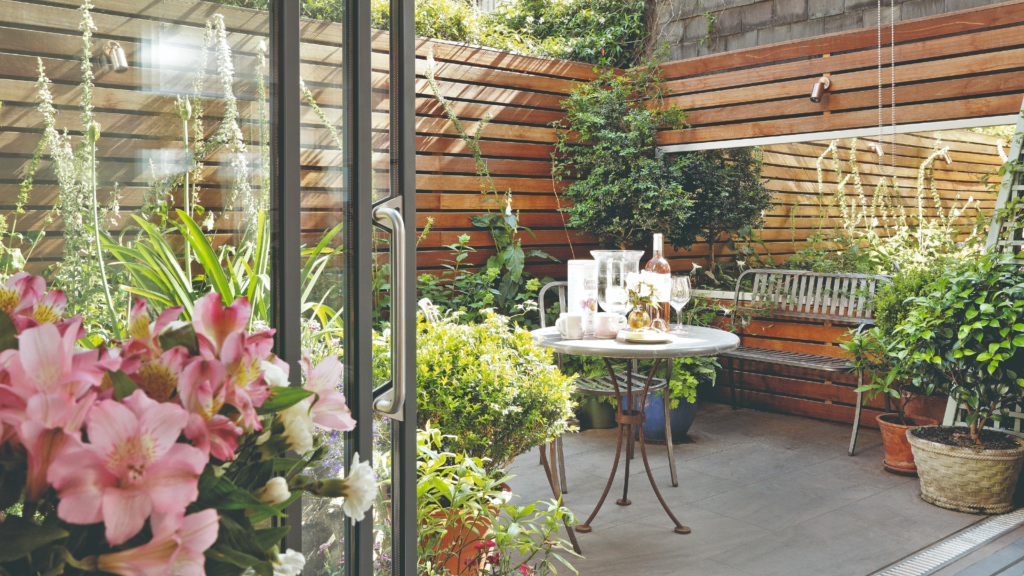
DIY patio renovation projects can save money and make the space feel personal. Start with small projects if you are new to home improvement. Painting chairs, building a planter box, making a pallet table, or refreshing concrete can create big results without needing advanced tools.
- Paint old chairs
Painting old chairs can make them look fresh again. Clean them first, sand rough spots, and use paint made for the chair material. Spray paint often works well for metal or plastic outdoor furniture. However, use light coats and let each coat dry before adding the next.
- Build a simple planter box
A planter box is a great beginner project. You can build one from basic boards or use a ready-made box and customize it with paint. Place it along a wall, railing, or seating area. It adds greenery, color, and structure without taking over the patio.
- Make a pallet coffee table
A pallet coffee table can work well for a casual patio. Sand the wood, clean it, and seal it for outdoor use. Then, add wheels or short legs if needed. You can also place a tray on top for a smoother surface. It is affordable and full of character.
- Create a privacy wall
A simple privacy wall can be made with a trellis, outdoor screen, lattice panel, or tall planters. This project helps block views and makes the patio feel more relaxing. However, make sure the wall is stable, especially if your area gets wind.
- Refresh a concrete patio
A concrete patio can look new with cleaning, crack repair, paint, stain, or an outdoor rug. First, wash it well and let it dry. Then, choose the right finish for your budget. A clean concrete refresh is one of the most practical backyard patio renovation projects.
- Add a fire pit area safely
A fire pit can make a patio cozy, but safety comes first. Use a fire pit approved for your patio type, keep it away from walls and furniture, and follow local rules. Also, never place a wood-burning fire pit on surfaces that cannot handle heat.
Rental-Friendly Patio Renovation Ideas
Renters can still create a beautiful patio without permanent changes. Focus on removable flooring, lightweight furniture, portable privacy, and easy décor. Before starting, check your lease or ask your landlord about rules. Then, choose upgrades you can remove, store, or take with you later.
- Use removable flooring
Removable flooring is perfect for renters. Outdoor rugs, interlocking deck tiles, and some peel-and-stick options can cover plain concrete without permanent work. However, choose products that suit your patio surface and weather. Also, check under them sometimes so dirt and moisture do not collect.
- Choose lightweight furniture
Lightweight furniture is easier to move, clean, and store. Folding chairs, small bistro sets, resin chairs, and compact benches work well. If you move later, you can take them with you. This makes lightweight pieces smart for both apartment patio makeover ideas and small patio ideas on a budget.
- Add portable privacy screens
Portable privacy screens can make a rental patio feel more personal. Use folding screens, bamboo panels, tall planters, or freestanding trellises. Since they do not need permanent installation, they are easy to adjust. Also, they help block views without drilling into walls or railings.
- Avoid permanent changes
Avoid drilling, staining, cutting, or attaching heavy items unless you have written permission. Instead, use tension rods, removable hooks, freestanding shelves, outdoor rugs, and movable planters. This way, you can enjoy your patio now and still leave it in good condition later.
- Store items during bad weather
Bad weather can damage rugs, cushions, curtains, and small décor. Store soft items in a storage bench, deck box, or indoor closet when storms are coming. Also, fold umbrellas and secure lightweight items. This protects your investment and keeps the patio looking nice for longer.
Small Patio Renovation Ideas
Small patios can be beautiful when every item has a purpose. The key is to avoid crowding the space. Use folding furniture, slim planters, open layouts, wall space, and fewer decorations. With smart choices, a small patio can feel cozy instead of cramped.
- Use folding furniture
Folding furniture gives you freedom. You can open chairs and tables when needed, then fold them away when you want more room. This works well for morning coffee, quick meals, or weekend guests. It is also one of the easiest small patio ideas on a budget.
- Choose slim planters
Slim planters add greenery without stealing too much floor space. Use narrow boxes along railings, tall planters in corners, or hanging pots near walls. This keeps plants visible but controlled. As a result, the patio feels fresh while still leaving room to move.
- Keep the layout open
An open layout makes a small patio feel bigger. Keep the middle area clear when possible, and place furniture around the edges. Also, avoid bulky pieces that block doors or walking paths. Think of the patio like a small hallway and living room combined; flow matters.
- Use wall space
Walls can hold plants, lights, shelves, hooks, or décor, which saves floor space. For example, outdoor-safe wall shelves can hold small planters, lanterns, or garden tools. This simple trick makes a small patio more useful without adding clutter to the ground.
- Avoid too many decorations
Too many decorations can make a small patio feel busy. Choose a few strong pieces instead, such as one rug, two pillows, one plant group, and warm lighting. When each item has room to breathe, the patio feels cleaner, larger, and more peaceful.
Large Patio Renovation Ideas
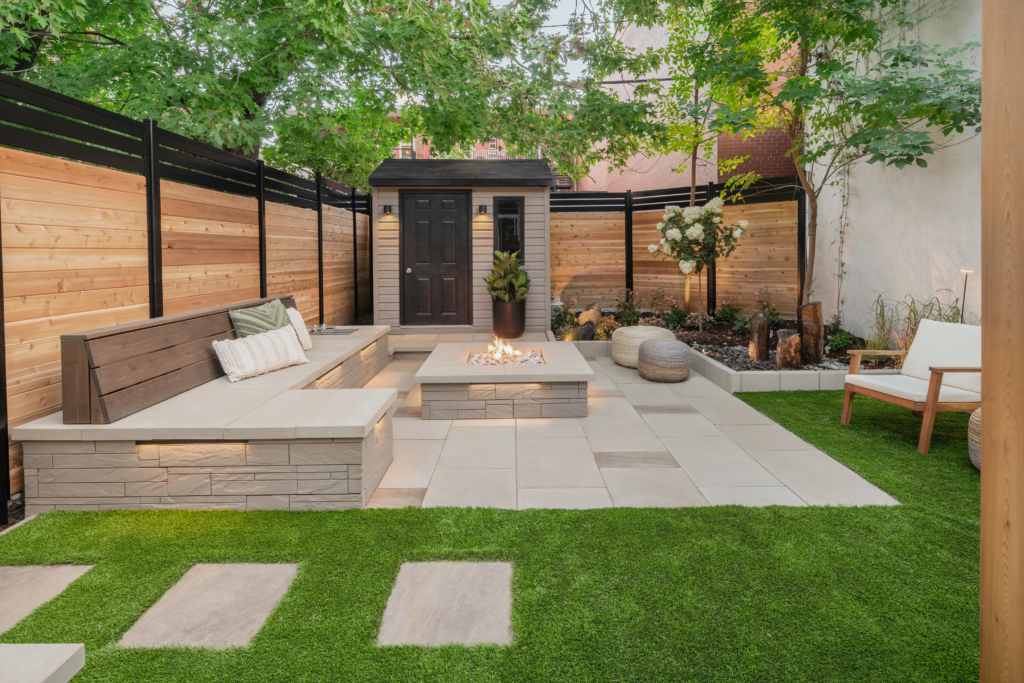
A large patio gives you more design freedom, but it can also feel empty without a plan. The best approach is to create zones. Use furniture, rugs, plants, lighting, and borders to divide the space into areas for dining, relaxing, gardening, or entertaining.
- Create zones
Zones help a large patio feel organized. For example, place a dining table near the kitchen door, a lounge set in the shade, and plants along the edges. Each zone should have a clear purpose. This makes the patio easier to use and more inviting.
- Add a dining area
A dining area turns the patio into a place for meals, snacks, and gatherings. Choose a table size that fits your family and guests. Also, add shade if the area gets strong sun. A washable outdoor rug under the table can make the space feel more finished.
- Build a lounge corner
A lounge corner is perfect for relaxing. Use an outdoor sofa, chairs, poufs, or a bench with cushions. Add a side table for drinks and a lantern for evening light. This corner can feel like a calm outdoor living room with only a few thoughtful pieces.
- Use rugs to divide space
Outdoor rugs help divide large patios without building walls. Put one rug under the dining area and another under the lounge area. This creates visual separation. Also, rugs add color, comfort, and pattern, which can make a large concrete patio feel much warmer.
- Add a garden border
A garden border softens the edge of a patio and helps it blend with the yard. You can use flowers, grasses, stones, mulch, or raised beds. For more inspiration, explore these garden edging ideas to frame your patio with simple landscaping details.
Best Patio Decor Products to Consider
The best patio products are useful, durable, and easy to style. You do not need to buy everything at once. Start with pieces that improve comfort and function, then add decorative items. Outdoor rugs, cushions, lights, planters, storage benches, and curtains are strong choices for most patios.
- Outdoor rugs
Outdoor rugs make a patio feel complete. They cover plain flooring, define zones, and add softness. Choose a size that fits under your main furniture. Also, pick a pattern that hides dirt well if your patio gets heavy use, pets, or lots of leaves.
- Weatherproof cushions
Weatherproof cushions improve comfort and style at the same time. Look for strong fabric, fade resistance, and removable covers. Although quality cushions may cost more at first, they often last longer. Store them when not in use so they stay fresh through more than one season.
- Solar lights
Solar lights are easy, affordable, and renter-friendly. Use them along paths, around planters, on walls, or near steps. Since they use sunlight, they do not add to your electric bill. However, place them where they can charge properly during the day.
- Planter sets
Planter sets help your patio look coordinated. Instead of buying random pots, choose a set with matching colors or shapes. Then, fill them with plants of different heights. This creates a clean, designed look while still keeping the project simple.
- Storage benches
A storage bench gives you seating and hidden storage in one piece. It can hold cushions, tools, toys, candles, or small blankets. This is especially helpful for small patios and rentals. Also, a bench can sit against a wall to save space.
- Outdoor curtains
Outdoor curtains add privacy, shade, movement, and softness. They work well with pergolas, covered patios, and balcony frames. Choose fabric made for outdoor use so it handles moisture and sun better. Also, tie curtains back on windy days to keep them neat and safe.
Common Patio Renovation Mistakes
Many patio mistakes happen because people shop too fast. They buy furniture before measuring, ignore weather, choose indoor items, use too many colors, or forget storage. Luckily, these mistakes are easy to avoid. A little planning can save money, time, and frustration.
- Buying before measuring
Buying before measuring can lead to crowded layouts and wasted money. Always measure the patio, doorways, and walking paths first. Also, check furniture dimensions carefully before ordering. When in doubt, choose smaller or flexible pieces because outdoor spaces need room for movement.
- Ignoring weather
Weather affects every patio choice. Strong sun can fade fabric, rain can damage wood, and wind can knock over light furniture. Therefore, choose materials that match your climate. Also, use covers, storage boxes, and shade solutions to protect your investment.
- Choosing indoor furniture
Indoor furniture is not made for outdoor life. It can warp, rust, fade, or grow mildew quickly. Even if it looks nice at first, it may not last. Instead, choose outdoor-rated furniture and fabrics. This keeps your patio safer, cleaner, and easier to maintain.
- Using too many colors
Too many colors can make a patio feel messy. Choose one main color, one neutral color, and one accent color. For example, use beige furniture, green plants, and blue pillows. This simple formula keeps the design calm while still adding personality.
- Forgetting storage
Storage is easy to forget, but it matters. Without it, cushions, tools, toys, and small décor can pile up. Add a deck box, storage bench, hooks, or shelves. A tidy patio feels more relaxing because everything has a place to go.
How to Maintain Your Renovated Patio?
After your patio renovation is complete, regular care keeps it looking good. Maintenance does not need to be hard. Sweep often, clean cushions, protect furniture, check lights, and refresh décor each season. These small habits help your patio stay beautiful and useful for years.

- Sweep weekly
Sweep the patio once a week to remove leaves, dust, dirt, and bugs. This simple habit prevents stains and keeps the space ready to use. Also, check corners where debris collects. A clean patio feels more inviting, just like a clean kitchen or living room.
- Clean cushions often
Cushions collect dust, pollen, food crumbs, and moisture. Shake them out often, spot-clean stains, and wash covers when the care label allows. Also, let cushions dry fully before storing them. This helps prevent mildew and keeps the seating fresh.
- Protect furniture from rain
Rain can shorten the life of patio furniture. Use covers, move lightweight pieces under shelter, and store cushions before storms. If you have wood furniture, check whether it needs sealing or oiling. A little protection now can prevent costly replacement later.
- Check lights and cords
Check lights, cords, batteries, and solar panels often. Replace broken bulbs, clean solar panels, and remove damaged cords. Outdoor lighting should always be safe and secure. If something flickers, sparks, or feels hot, stop using it until you can fix or replace it.
- Refresh decor each season
Seasonal updates keep the patio feeling fresh without a full makeover. Change pillow covers, add seasonal plants, switch rugs, or use warmer throws in cool months. For cozy seasonal inspiration, this guide to fall decor can help you refresh colors and textures.
Conclusion
Learning how to renovate my patio Decoradhouse becomes much easier when you take it step by step. Start by checking the space, fixing basic problems, setting a budget, and choosing updates that match your lifestyle. Whether you want a full backyard patio renovation or simple patio decorating ideas on a budget, small changes can create a patio that feels stylish, comfortable, and truly useful.
Frequently Asked Questions
The cost depends on the size of your patio and the changes you want to make. A simple refresh with cleaning, pillows, lights, and plants may cost very little. However, new flooring, major repairs, or professional work can cost much more. To stay in control, set a budget first and focus on the updates that improve comfort and safety.
Start by cleaning the space, reusing furniture, painting old pieces, and adding low-cost décor. Outdoor rugs, solar lights, secondhand chairs, and painted planters can make a big difference. Also, try DIY patio renovation projects before replacing expensive items. Small updates often create the feeling of a full makeover.
The easiest way is to clean the patio deeply, add an outdoor rug, improve seating, and use warm lighting. Then, add plants and a few pillows for color. This simple outdoor patio makeover can change the mood quickly without heavy tools or major construction.
Yes, renters can renovate a patio with removable and portable upgrades. Use outdoor rugs, interlocking deck tiles, folding furniture, freestanding planters, solar lights, and privacy screens. However, avoid drilling or permanent changes unless the landlord gives permission.
The best flooring depends on your patio surface, budget, and weather. Outdoor rugs are the easiest option. Deck tiles are great for a cleaner look. Concrete paint works well on solid concrete. Gravel and pavers are better for ground-level spaces. Always choose outdoor-safe materials.
Use slim furniture, folding pieces, light colors, vertical planters, and wall storage. Also, keep the center open so people can move easily. Avoid too many decorations because clutter makes small patios feel tighter. One rug, a few plants, and simple seating can look clean and spacious.
The best patio furniture is weather-safe, comfortable, and the right size for the space. Good options include resin wicker, treated wood, powder-coated metal, plastic, and outdoor fabric cushions. Flexible seating, storage benches, and small tables work especially well for practical patio furniture ideas.
Use cheap patio makeover ideas like painted pots, thrifted furniture, solar lights, DIY planter boxes, and outdoor pillow covers. Also, move items from other parts of your home if they are safe for covered outdoor use. Focus on color, lighting, and comfort first.
Sweep your patio weekly and do a deeper clean every month or as needed. If your patio gets heavy rain, leaves, pollen, or dust, clean it more often. Also, wash cushions, wipe tables, and check lights regularly so the space stays fresh and ready to use.
The best first step is to inspect and clean the patio. Look at the floor, drainage, furniture, sunlight, shade, and size. Once you understand the space, you can plan smarter. This helps you avoid waste and choose patio makeover ideas that truly fit your home.