
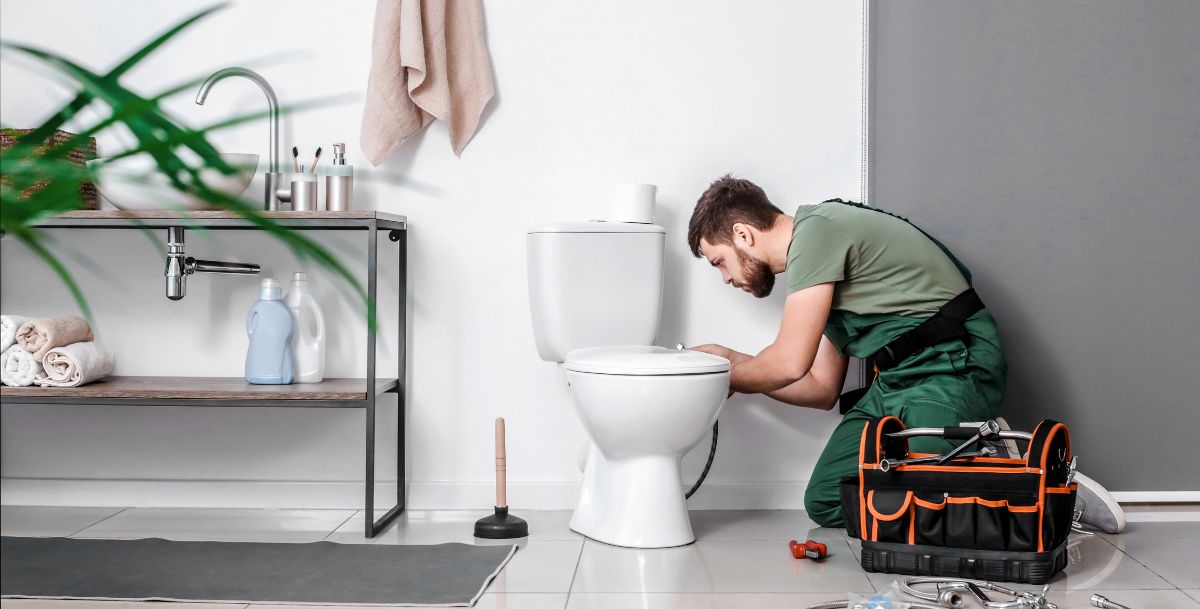

Plumber toilet repair can feel stressful when water leaks, the bowl clogs, or the toilet keeps running. However, many toilet problems have simple causes. With the right steps, you can spot small issues early, protect your bathroom, and know when a toilet repair plumber should take over.
What Is Plumber Toilet Repair?
Plumber toilet repair means fixing problems with a toilet’s flush, tank, bowl, drain, base, water line, or parts inside the tank. Sometimes the repair is small, like replacing a flapper. Other times, it may involve toilet plumbing repair, toilet flush valve repair, or a deeper drain issue. A toilet plumber checks the full system, not just the obvious symptom. Therefore, professional toilet repair helps stop leaks, prevent water damage, and keep the bathroom working safely.
Common Toilet Problems at Home
Toilets work hard every day, so small parts can wear out over time. A bathroom toilet repair may start with a weak flush, odd noise, loose handle, or water on the floor. These signs may seem minor at first. However, they can grow into bigger plumbing problems if ignored.
- Running Toilet
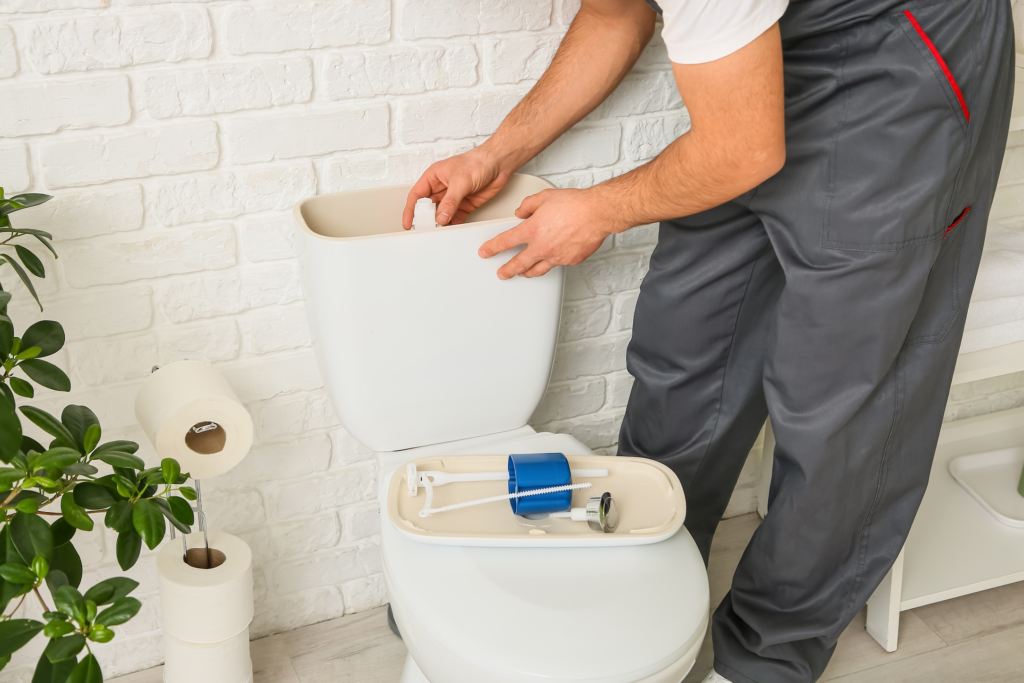
A running toilet keeps sending water from the tank into the bowl. Usually, the flapper, chain, float, or fill valve causes the problem. Because water keeps moving, the toilet may waste money every day. The EPA WaterSense program notes that worn flappers can cause silent leaks and should be checked and replaced over time.
- Weak Flush
A weak flush often means the tank does not release enough water or the rim holes are partly blocked. Sometimes the flush valve, water level, or drain path causes the issue. Therefore, check the tank first before assuming the whole toilet needs replacement.
- Clogged Toilet
A clogged toilet happens when waste, too much toilet paper, wipes, or hidden buildup blocks the drain. A plunger may fix a simple clog. However, repeat clogs can point to a deeper line problem, especially when other drains act slow too.
- Leaking Toilet Base
Water around the base often means the wax ring, flange, or bolts need attention. This issue matters because water can slide under flooring like a sneaky spill under a rug. As a result, the floor may soften, stain, or smell bad.
- Loose Toilet Seat or Handle
A loose seat or handle may seem like a tiny problem, but it can make the toilet feel old and unsafe. Usually, tightening bolts or replacing a handle solves it. However, if the handle sticks, the toilet may run after every flush.
- Strange Toilet Noises
Gurgling, hissing, banging, or sudden refilling can mean different things. For example, hissing often points to a fill valve, while gurgling may suggest a vent or drain issue. Therefore, listen closely before choosing a repair.
Why Toilet Repair Matters?
Toilet repair matters because the toilet connects comfort, cleanliness, and home safety. A small leak can damage flooring, subflooring, trim, and nearby walls. A weak flush can create repeat clogs. A running toilet can raise the water bill. Also, a broken toilet can make a bathroom feel unfinished, even if the room looks beautiful. Therefore, residential toilet repair is not just about plumbing. It protects the whole bathroom, including the design, tile, storage, and daily routine.
DIY Fixes vs Hiring a Plumber
Some toilet fixes are beginner-friendly, while others need a trained hand. Think of DIY repair like changing a lightbulb: simple when the parts are easy to reach. However, deeper plumbing is more like opening a wall. You need the right knowledge, tools, and timing.
- Problems You Can Fix Yourself
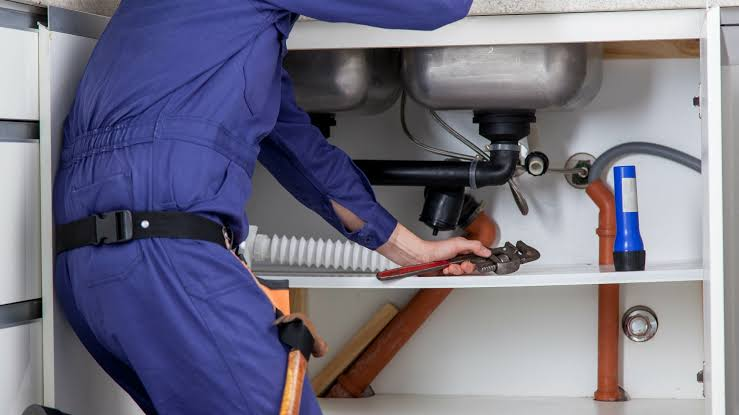
You can often replace a flapper, adjust a chain, tighten a toilet seat, clean rim holes, or use a plunger. These repairs need basic tools and careful steps. However, always turn off the water before working inside the tank or near the supply line.
- Problems That Need a Plumber
Call a local plumber for toilet work when water leaks from the base, clogs keep returning, sewage smells appear, or the toilet rocks. Also, cracked bowls, damaged flanges, hidden pipe leaks, and sewer-line problems need professional toilet repair.
- Safety and Water Damage Risks
Water damage spreads quietly. It can move under tile, behind baseboards, and into the subfloor. Therefore, never ignore floor moisture. If the toilet leaks near wiring, ceiling stains, or lower-level rooms, stop using it and call a plumber quickly.
- Cost Comparison
DIY parts can be cheap, especially for flappers, chains, and handles. However, a wrong repair can cost more later. A toilet repair plumber charges for time, tools, and skill, but the work can prevent floor damage and repeat repairs.
Tools Used for Toilet Repair
The right tool makes toilet repair easier and safer. You do not need a giant toolbox for most small fixes. However, you do need tools made for toilets. Using the wrong tool can scratch porcelain, crack parts, or push a clog deeper.
- Plunger
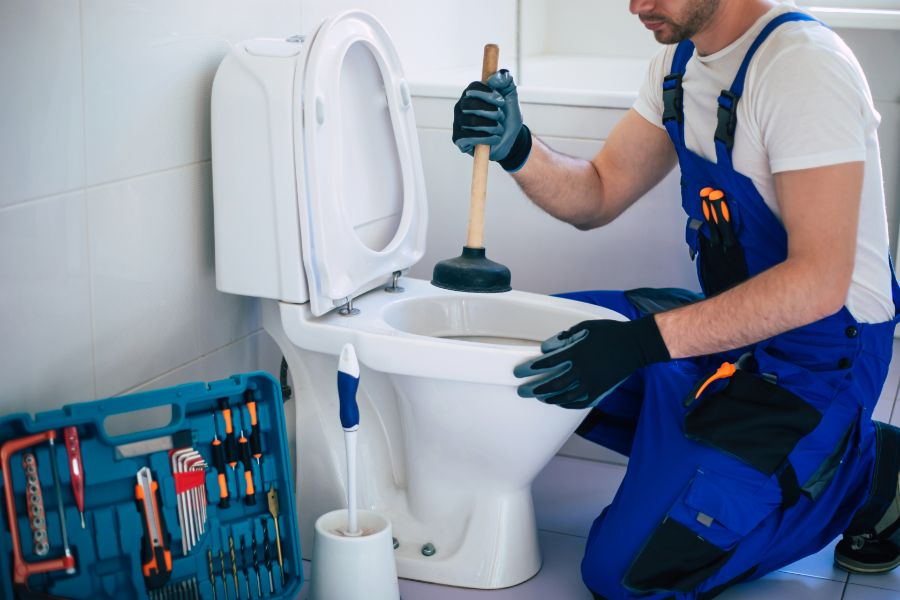
A flange plunger works better for toilets than a flat sink plunger. The extra rubber cup helps seal the bowl opening. As a result, each push sends pressure into the trap instead of splashing water around the bathroom.
- Toilet Auger
A toilet auger, also called a closet auger, reaches clogs past the bowl trap. It is safer for porcelain than random wires or coat hangers. Use it gently because force can scratch the bowl or damage the trap.
- Adjustable Wrench
An adjustable wrench helps loosen and tighten supply lines, tank bolts, and seat hardware. However, do not overtighten. Toilet porcelain can crack under too much pressure, just like a mug can crack when squeezed too hard.
- Replacement Flapper
A replacement flapper is one of the most common toilet repair parts. It seals water inside the tank until you flush. If it warps, cracks, or collects mineral buildup, water leaks into the bowl and causes running.
- Fill Valve Kit
A fill valve kit controls how water refills the tank after each flush. If the toilet hisses, fills slowly, or does not stop filling, this part may be the problem. Many kits include clear instructions for basic installation.
- Towels and Gloves
Towels and gloves protect your hands and floor. Keep old towels nearby before loosening anything near water. Also, use gloves because toilets can hold bacteria, mineral buildup, and cleaning residue even when they look clean.
How to Fix a Running Toilet?
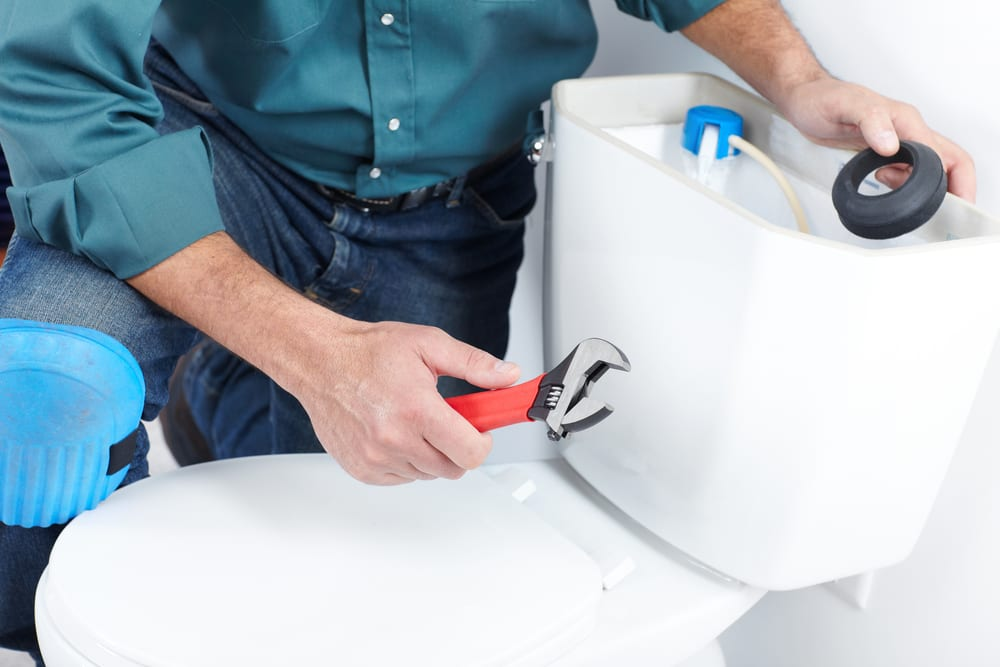
A running toilet is one of the easiest problems to notice and one of the most common bathroom fixture repair tasks. The sound may be soft, but the waste can be big. Start inside the tank because that is where most running toilet issues begin.
- Check the Flapper
Lift the tank lid and look at the rubber flapper. If it looks bent, sticky, cracked, or dirty, it may not seal well. Turn off the water, remove the old flapper, and match it at the store before replacing it.
- Adjust the Chain
The chain should have a little slack, not too much and not too little. If it is too tight, the flapper stays open. If it is too loose, the handle may not lift the flapper enough for a strong flush.
- Inspect the Fill Valve
The fill valve refills the tank after flushing. If it hisses, sticks, or keeps running, it may need cleaning or replacement. Therefore, a fill valve kit can often solve a running or slow-filling toilet without replacing the full fixture.
- Test the Water Level
Look for the water level mark inside the tank. If the water sits too high, it may spill into the overflow tube. Adjust the float until the water stops at the correct level. Then flush twice to test the repair.
- Know When to Call a Plumber
Call a toilet plumber if the toilet still runs after replacing the flapper and adjusting the float. Also, call for help if tank parts are old, brittle, or unusual. Some older toilets need special parts or expert adjustment.
How to Unclog a Toilet Safely?
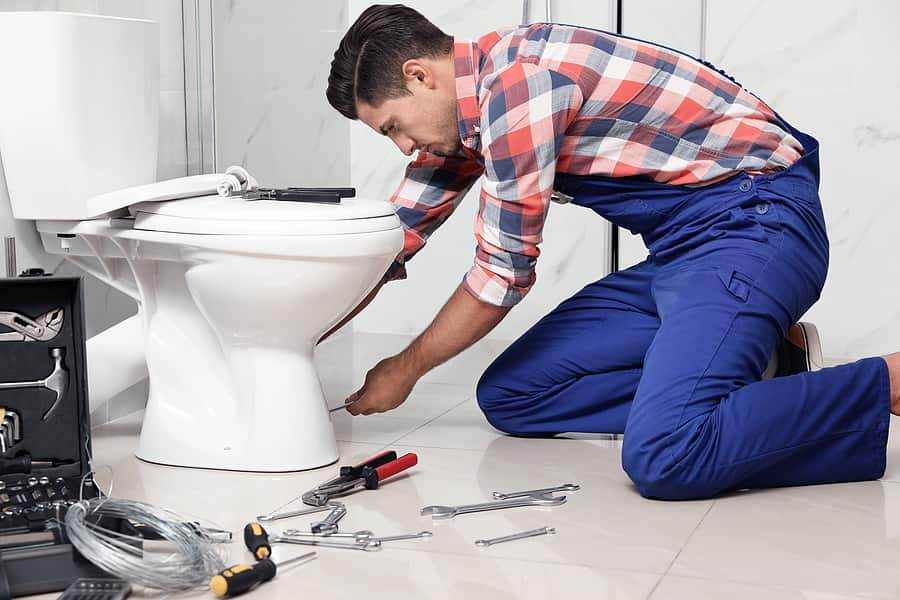
To unclog a toilet safely, stay calm and avoid repeated flushing. Each extra flush can turn a small clog into an overflow. Start with simple tools, protect the floor with towels, and use steady pressure instead of rough force. For more drain tips, see this guide on how to unclog safely.
- Use the Right Plunger
Use a flange plunger and make sure the rubber cup seals the drain opening. Push down slowly first to remove trapped air. Then use firm, even strokes. After several pushes, lift the plunger and see if the water drops.
- Try Warm Water Carefully
Warm water can help soften some clogs, especially when toilet paper is the issue. However, never use boiling water because it can crack porcelain. Pour warm water slowly from waist height, wait a few minutes, and then try flushing once.
- Use a Toilet Auger
If plunging fails, use a toilet auger. Feed the cable into the bowl opening and turn the handle gently. The goal is to hook, break, or move the clog. If the cable stops hard, do not force it.
- Avoid Harsh Chemicals
Chemical drain cleaners can be risky in toilets. They may sit in the bowl, splash during plunging, or damage parts. Also, they may not fix solid objects. Therefore, use mechanical tools first and call a plumber for stubborn clogs.
- Call a Plumber for Deep Clogs
Call for local toilet repair when the clog returns, water backs up in other drains, or you smell sewage. These signs may point to a main line, vent, or pipe issue. Same day toilet repair may prevent a messy overflow.
How to Stop Toilet Leaks?
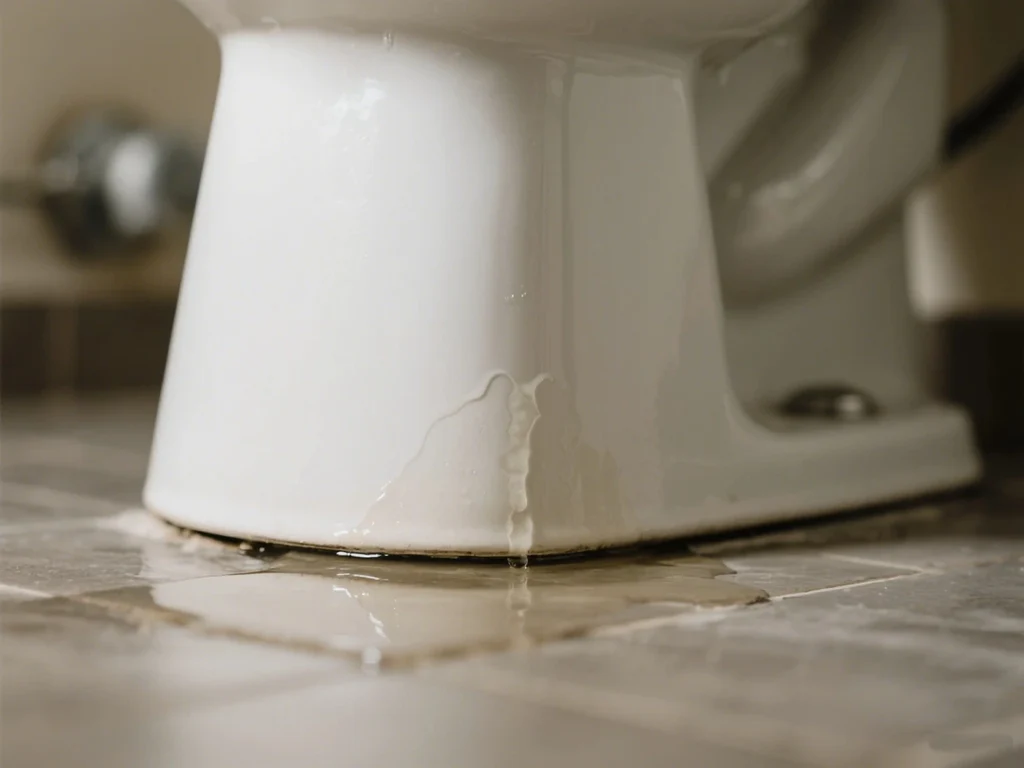
Toilet leaks can come from the tank, base, supply line, bowl, or shutoff valve. Some leaks drip in plain sight. Others hide under flooring. Therefore, finding the source matters before replacing parts. A quick check now can prevent a costly repair later.
- Find the Leak Source
Dry the toilet with a towel, then watch carefully. Check the tank bolts, supply line, shutoff valve, bowl base, and floor. Add a few drops of food coloring to the tank to see if colored water leaks into the bowl.
- Tighten Loose Bolts
Loose bolts can cause leaks between the tank and bowl or around the base. Tighten them slowly and evenly. However, stop when the toilet feels secure. Porcelain cracks easily when bolts are tightened like metal hardware.
- Replace the Wax Ring
A wax ring seals the toilet to the drain opening. If water appears at the base after flushing, the wax ring may have failed. This repair requires lifting the toilet, so many homeowners hire a toilet repair plumber for it.
- Check the Supply Line
The supply line brings clean water from the wall to the toilet tank. If it drips, tighten the connection gently. If it looks cracked, rusty, or swollen, replace it. Turn off the shutoff valve before touching this line.
- Prevent Floor Damage
Moisture near the toilet can damage flooring, grout, wood, and subflooring. Therefore, wipe water quickly and inspect the area. If damage already shows, you may need repair plus new bathroom tile to protect the floor and refresh the room.
Signs You Need a Plumber
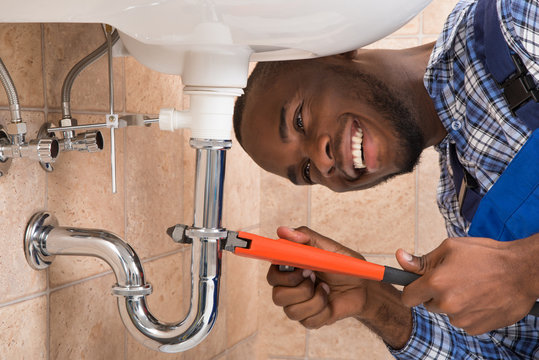
A good DIY mindset saves money, but some toilet problems need expert help. Call a local plumber for toilet service when the issue feels bigger than a simple tank part. Professional help is especially important when water, waste, flooring, or hidden pipes are involved.
- Water Around the Toilet Base
Water around the base can mean a failed wax ring, cracked toilet, loose flange, or hidden drain problem. Because this water may be dirty, treat it seriously. Stop using the toilet and schedule professional toilet repair.
- Repeated Clogs
Repeated clogs are not normal. If the same toilet clogs again and again, the issue may sit deeper in the line. A clogged drain in one area can sometimes reveal a larger home plumbing pattern.
- Sewage Smell
A sewage smell may mean a bad wax seal, blocked vent, dry trap, or sewer issue. Since sewer gas can make a bathroom unpleasant and unhealthy, do not cover the smell with candles. Find and fix the source.
- Low Water Pressure
Low water flow into the tank can come from the shutoff valve, supply line, fill valve, or home plumbing. If more than one fixture has weak pressure, call a plumber. The problem may not be limited to the toilet.
- Cracks in the Toilet Bowl
A cracked bowl can leak suddenly and cause serious water damage. Small cracks may be hard to see, but stains or slow puddles can reveal them. In many cases, replacement is safer than repair.
- Repairs That Keep Failing
If the same repair fails more than once, something else may be wrong. For example, a new flapper will not help if the flush valve seat is damaged. At that point, affordable plumber toilet repair may save money.
Cost of Plumber Toilet Repair
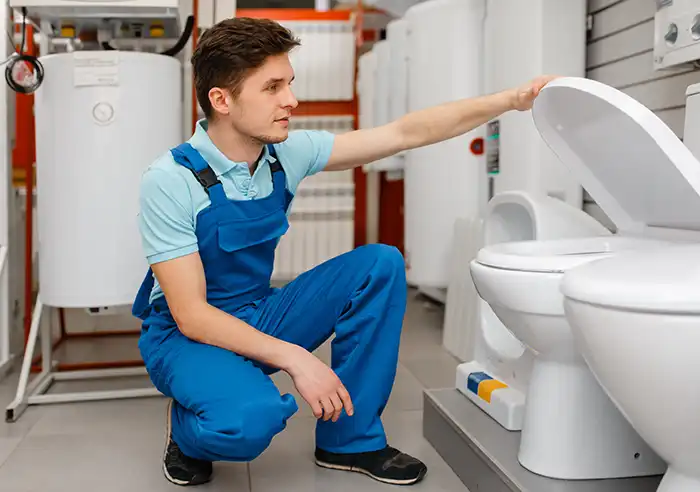
Plumber toilet repair cost depends on the problem, parts, location, labor rate, and urgency. Angi’s 2026 data lists toilet repair at about $100 to $300 in a broad plumbing cost table, while specific toilet issues can range higher depending on the repair type.
- Simple Repair Costs
Simple repairs often include handles, flappers, chains, and minor fill valve problems. Angi lists toilet handle repair around $50 to $80 and valve replacements around $50 to $150. These are common affordable toilet repair tasks.
- Part Replacement Costs
Part replacement costs depend on what fails. Angi lists wax ring replacement around $50 to $200, flange work around $145 to $350, and pipe repairs around $70 to $700. Therefore, small parts are cheap, but labor and access change the final bill.
- Emergency Repair Costs
Emergency toilet repair costs more because the plumber may come after hours, on weekends, or during holidays. Angi notes emergency plumbers may charge 1.5 to 3 times normal rates, with added emergency fees. Use 24 hour toilet repair for true emergencies, not small annoyances.
- Toilet Replacement Costs
Sometimes toilet installation and repair overlap. If the bowl is cracked, the toilet is very old, or repairs keep failing, replacement may make sense. Angi lists toilet installation around $300 to $800 in its plumbing cost table.
- Ways to Save Money
You can save money by fixing small problems early, comparing quotes, buying standard parts, and keeping the work area clear. Also, describe the problem clearly when calling. Photos and short videos can help the plumber bring the right parts.
Budget-Friendly Toilet Repair Tips
Affordable toilet repair starts with paying attention. A toilet rarely fails without warning. It may run longer, flush weaker, rock slightly, or make new sounds. Treat those signs like dashboard lights in a car. Fix them early before the problem grows.
- Fix Small Issues Early
A loose handle, slow leak, or weak flush may seem harmless. However, small problems often stress other parts. Fixing them early keeps the repair simple. Also, early action helps avoid emergency toilet repair later.
- Buy Basic Repair Parts
Keep a basic flapper, handle, and toilet supply line in your home toolkit if you enjoy DIY work. Choose known brands and match parts carefully. A photo of the old part can help you avoid buying the wrong size.
- Compare Plumber Quotes
For non-emergency work, ask two or three local plumbers for estimates. Compare more than price. Ask what the quote includes, whether parts are covered, and if the plumber guarantees the repair. A cheap job is not always the best value.
- Avoid Temporary Fixes
Temporary fixes can hide the real issue. For example, stuffing towels around a leak does not stop floor damage. Also, repeated plunging without solving the clog can stress the toilet. Fix the cause, not just the symptom.
- Maintain Your Toilet Monthly
Once a month, check the base, flush handle, tank parts, and floor. Listen after flushing. If the toilet refills randomly, investigate. A five-minute check can save money, water, and stress.
Stylish Bathroom Updates After Repair
After bathroom toilet repair, the space often feels ready for a small refresh. You do not need a full remodel. Small changes can make the bathroom look cleaner, newer, and more intentional. Repair first, then style. That order keeps beauty built on function.
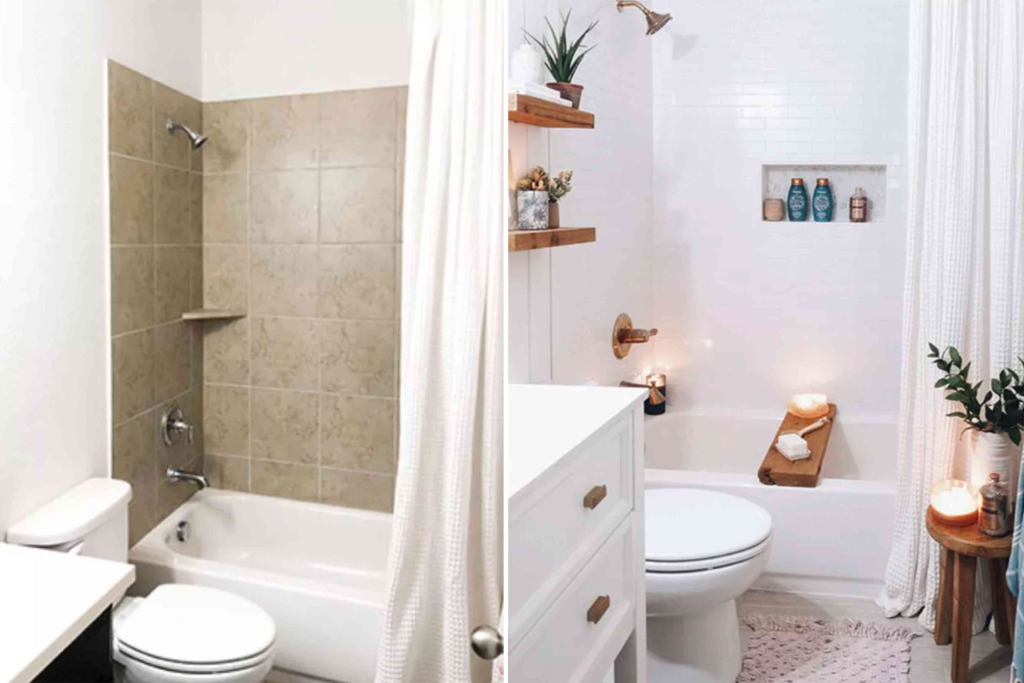
- Replace the Toilet Seat
A new toilet seat can make the whole toilet feel cleaner. Choose a soft-close seat for comfort and less noise. Also, match the shape, round or elongated, before buying. This simple update works well after residential toilet repair.
- Add Storage Nearby
Small storage helps keep the toilet area neat. Try a slim cabinet, wall shelf, basket, or over-the-toilet unit. Keep extra rolls, wipes, and cleaning supplies hidden but close. A tidy bathroom feels calmer and easier to use.
- Upgrade Bathroom Hardware
New hardware can connect the toilet area with the rest of the bathroom. Consider a fresh paper holder, towel ring, hooks, or cabinet pulls. If you plan a bigger bathroom upgrade, choose finishes that match future fixtures.
- Use Matching Accessories
Matching accessories make a small bathroom feel planned. Choose a soap dispenser, trash can, toilet brush holder, and towels in similar colors or finishes. For more inspiration, explore simple bathroom decor ideas after the repair is complete.
- Keep the Space Clean and Fresh
A repaired toilet still needs regular cleaning. Clean around the base, under the seat hinges, and behind the toilet. Also, use a small washable rug only if the floor stays dry. Fresh air and clean surfaces make the bathroom feel new.
How to Choose the Right Plumber?
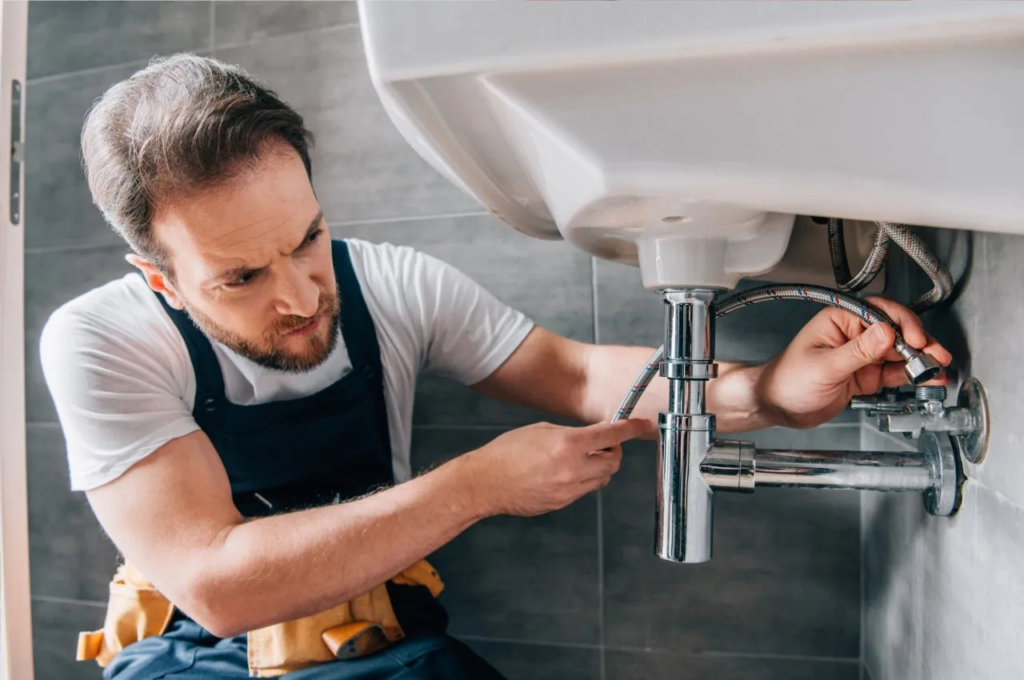
Choosing the right plumber is like choosing the right tool. The best option fits the job, the budget, and the timeline. For toilet plumbing repair, look for someone local, clear, experienced, and willing to explain the repair in simple terms.
- Check Reviews
Reviews can reveal patterns. Look for comments about punctuality, cleanliness, fair pricing, and successful repairs. One bad review may not matter, but repeated complaints should raise concern. Also, check recent reviews because service quality can change.
- Ask About Experience
Ask if the plumber handles residential toilet repair often. Toilets may seem simple, but leaks, flange issues, and drain problems need experience. A skilled toilet plumber can often spot the cause faster and avoid unnecessary replacement.
- Confirm Pricing
Before work begins, ask about the service fee, labor rate, parts, and possible extra charges. Also, ask whether the price changes for same day toilet repair or emergency visits. Clear pricing prevents surprises after the repair.
- Ask About Warranties
A warranty shows confidence. Ask whether parts and labor are covered and for how long. Also, keep the invoice. If the same issue returns, a written warranty helps you get support without starting over.
- Choose Local Service
A local plumber for toilet repair can often arrive faster and understand common home plumbing issues in your area. Local service also helps when you need follow-up work, urgent help, or advice on older homes nearby.
Toilet Repair Maintenance Checklist
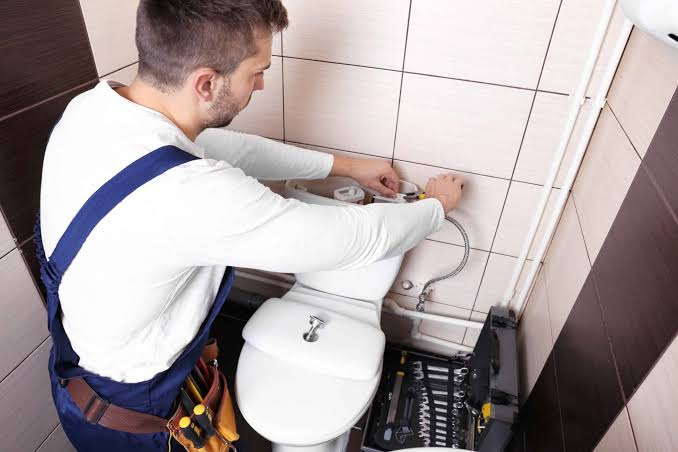
A simple maintenance checklist keeps your toilet working smoothly. You do not need to be a plumbing expert. You only need to watch, listen, and act early. Use this checklist monthly, especially in busy bathrooms, guest bathrooms, and older homes.
- Check for Leaks
Look behind the toilet, around the base, under the tank, and near the shutoff valve. Dry areas should stay dry. If you see water, find the source quickly. Even a slow drip can damage flooring.
- Test the Flush
Flush once and watch the bowl and tank. The bowl should clear well, and the tank should refill and stop. If the handle sticks or the toilet runs, check the chain, flapper, and water level.
- Clean Under the Rim
Mineral buildup under the rim can weaken the flush. Use a toilet brush and gentle cleaner to clear the holes. Better water flow helps the bowl rinse evenly and reduces the chance of repeat stains.
- Inspect the Handle
A handle should move smoothly and return to place. If it feels loose, sticky, or wobbly, check the nut inside the tank. Remember, some handle nuts tighten in the opposite direction, so move slowly.
- Watch for Floor Moisture
Step near the toilet and feel for soft flooring, damp grout, or musty smells. Floor moisture can mean a wax ring leak, condensation, or supply line drip. Either way, do not ignore it.
- Schedule Yearly Checks
A yearly plumbing check can catch hidden issues before they become emergencies. This is helpful for older homes, rental properties, and bathrooms with past leaks. Preventive service can be cheaper than repair after water damage.
Mistakes to Avoid During Toilet Repair
Toilet repair is simple only when done carefully. Rushing can make the problem worse. Before you grab tools, turn off the water, read part instructions, and protect the floor. Avoid these common mistakes to save time and money.
- Overtightening Bolts
Porcelain is strong, but it is not flexible. Overtightening bolts can crack the tank or bowl. Tighten slowly, switch sides evenly, and stop when the part feels secure. If you hear a creak, stop immediately.
- Using the Wrong Plunger
A flat plunger is made for sinks, not toilets. It may not seal the bowl opening. Use a flange plunger instead. The right plunger creates better pressure and lowers the chance of messy splashes.
- Ignoring Small Leaks
Small leaks are easy to dismiss, especially when they appear only after flushing. However, they can rot wood, loosen tile, and create smells. Treat every leak as a warning, not a normal bathroom habit.
- Using Chemical Drain Cleaners
Harsh chemicals can splash, sit in the bowl, and make later plunging unsafe. They may also fail to remove solid objects. Use a plunger, auger, or professional toilet repair service before reaching for chemicals.
- Delaying Plumber Help
Waiting too long can turn affordable toilet repair into floor repair, pipe repair, or toilet replacement. Call a plumber when water appears at the base, clogs keep returning, or repairs fail more than once.
Conclusion
Plumber toilet repair does not have to feel confusing. Start with the basics: listen for running water, watch for leaks, test the flush, and use the right tools. Many small repairs are DIY-friendly, but deeper clogs, base leaks, cracks, sewage smells, and repeat failures need a professional. When you act early, you protect your bathroom, save money, and keep your home comfortable. A working toilet may not be glamorous, but it is one of the quiet heroes of a beautiful home.
Frequently Asked Questions
Call a plumber when water leaks around the base, clogs keep coming back, the toilet rocks, sewage smells appear, or the bowl has cracks. You should also call for plumber toilet repair if you tried a simple fix and the problem returned. These signs can point to hidden plumbing trouble.
Yes, you can often fix a running toilet yourself. Start by checking the flapper, chain, float, and fill valve. If the flapper looks worn, replace it. However, if the toilet still runs after basic repairs, call a toilet repair plumber.
Plumber toilet repair cost depends on the issue, part, labor rate, and location. Simple repairs may cost less, while leaks, clogs, and flange problems can cost more. Emergency toilet repair and 24 hour toilet repair usually cost extra because of urgent service timing.
A toilet may keep clogging because too much paper is used, non-flushable items went down the drain, the toilet has a weak flush, or the drain line has buildup. If plunging only helps for a short time, call a local toilet repair professional.
A leaking toilet can be dangerous for your home because it can damage floors, subfloors, trim, and ceilings below. Also, leaks around the base may involve dirty water. Therefore, stop using the toilet and fix the leak quickly.
Many simple toilet repairs take less than an hour, especially handles, flappers, chains, and fill valves. However, wax ring replacement, flange repair, deep clogs, or toilet installation and repair may take longer. The plumber can give a better time estimate after inspection.
Repair the toilet if the problem is small and the bowl is in good shape. Replace it if the bowl is cracked, repairs keep failing, parts are hard to find, or the toilet wastes too much water. A plumber can compare both options.
Base leaks, cracked bowls, damaged flanges, sewer smells, repeat clogs, hidden pipe leaks, and major toilet flush valve repair are not DIY-friendly for most homeowners. These problems can cause water damage or unsafe conditions, so professional toilet repair is the safer choice.