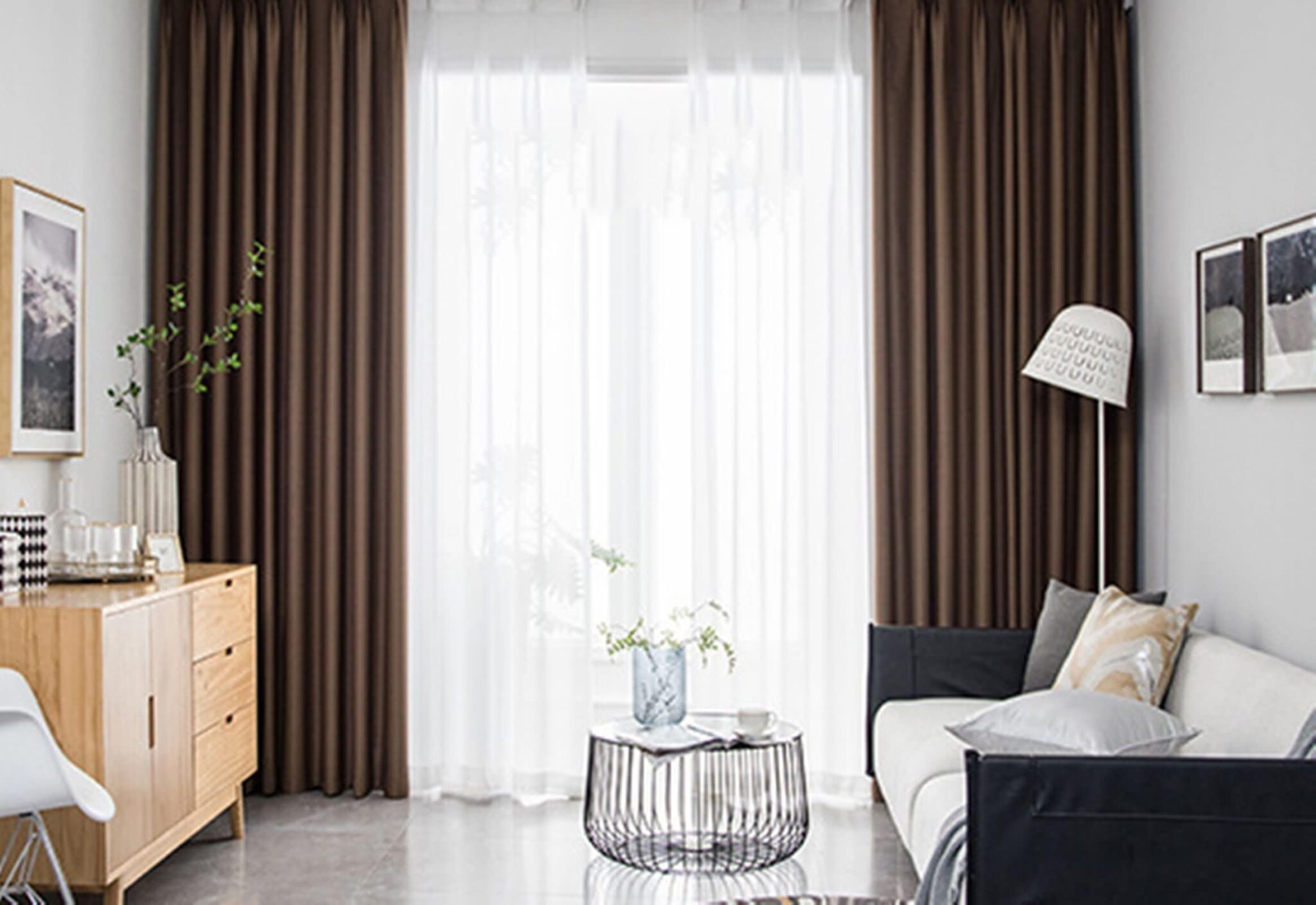

Room darkening curtains offer a simple way to control sunlight, protect privacy, and improve the look of a room. They can soften bright morning light, reduce screen glare, and make indoor spaces feel more comfortable. Better still, they come in many colors, fabrics, sizes, and price ranges.
What Are Room Darkening Curtains?
Room darkening curtains are window treatments made with dense fabric or a special lining that reduces the amount of sunlight entering a room. They do not always create complete darkness, but they can make a bright room noticeably dimmer.
These curtains may use tightly woven polyester, cotton blends, velvet, microfiber, or layered materials. Some designs include a foam or thermal backing for better light and heat control.
Room darkening drapes work well when standard curtains feel too thin but full blackout is unnecessary. They provide a practical middle ground between decorative curtains and window blackout curtains.
Room Darkening vs. Blackout Curtains
Room darkening and blackout curtains perform similar jobs, but they do not block the same amount of light. Room darkening panels reduce brightness while leaving a soft glow around the window. Blackout drapes aim to block almost all visible sunlight.
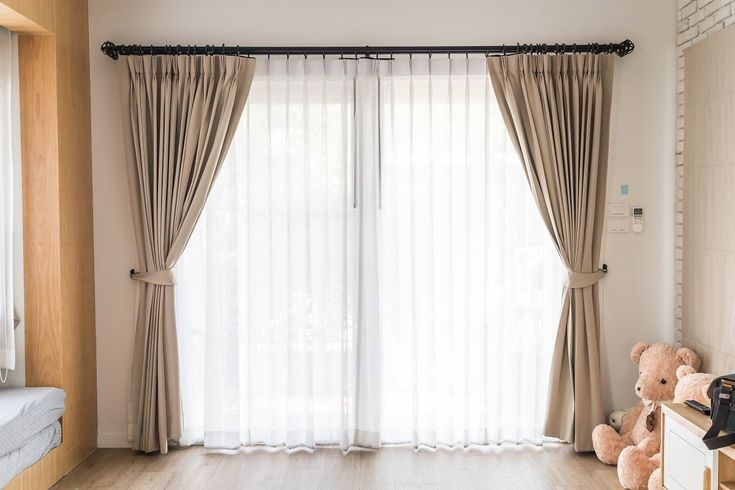
Some stores use the terms loosely. Product descriptions may even label the same item as room darkening, blackout, or black out curtains. Therefore, always check the fabric, lining, customer photos, and stated light-blocking percentage before buying.
- Light Reduction
Room darkening curtains usually reduce a large part of incoming daylight without making the room completely dark. True blackout curtains use thicker layers and may block 90% to 100% of light when installed correctly. Small gaps can still allow sunlight around the edges.
- Fabric and Lining
Many room darkening panels use a dense triple-weave fabric with dark threads placed between decorative outer layers. Blackout curtains often add foam, acrylic coating, or a separate lining. This extra layer improves darkness but may make the panels heavier and less flexible.
- Best Uses
Room darkening curtains suit living rooms, dining rooms, offices, and bedrooms where softer daylight feels comfortable. Blackout curtains for bedroom spaces work better for light-sensitive sleepers, night-shift workers, nurseries, media rooms, and windows facing bright streetlights.
Benefits of Room Darkening Curtains
Room darkening curtains do more than change the brightness of a room. They can improve sleep, privacy, screen visibility, and indoor comfort. Dense fabric may also protect furniture from direct sunlight and reduce heat passing through the glass.
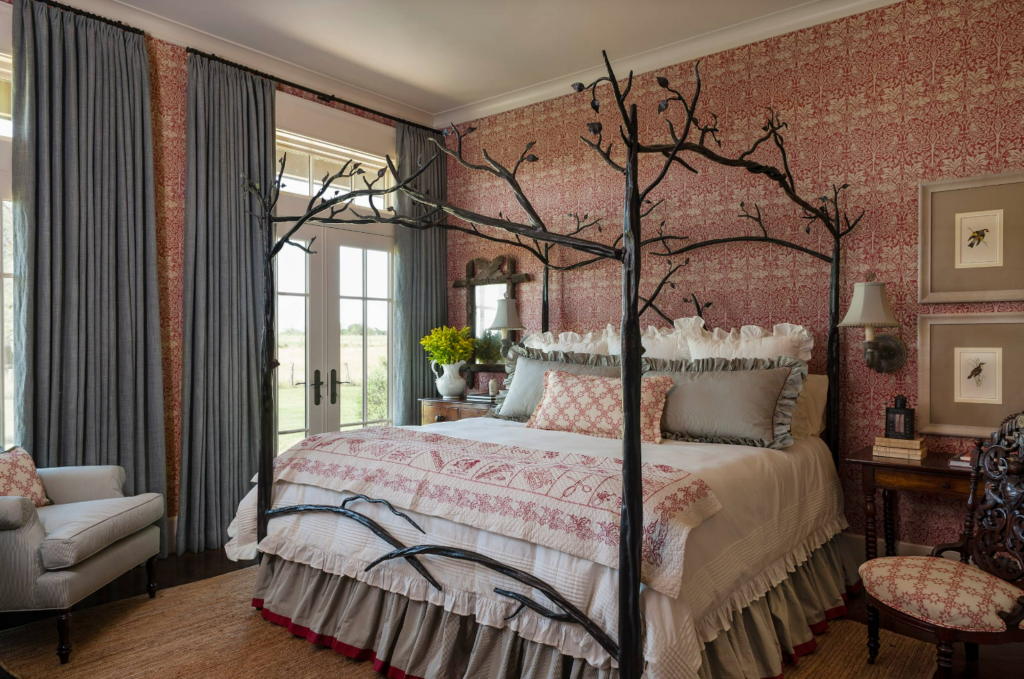
These benefits make light blocking curtains a useful upgrade for both homeowners and renters. Unlike major window renovations, curtains are easy to replace, move, or restyle. A well-chosen pair can improve function and appearance at the same time.
- Better Sleep and Privacy
A darker bedroom can support a calmer sleep setting by reducing early sunlight and outdoor lighting. Room darkening curtains for bedroom windows also limit views from outside. This added privacy can make ground-floor rooms and homes near busy streets feel more secure.
- Less Glare on Screens
Bright window light can create reflections on televisions, computers, and tablets. Sun blocking curtains soften this glare without always making the room feel closed. They are especially useful near home-office desks, gaming setups, and living-room entertainment centers.
- Improved Temperature Control
Dense curtains slow the movement of heat through windows. During summer, they help reduce direct solar heat. During winter, they can limit drafts and heat loss. Thermal blackout curtains usually provide the strongest temperature control because they include insulating layers.
- Furniture and Floor Protection
Strong sunlight can fade wood floors, rugs, artwork, sofas, and fabric chairs. Room darkening panels reduce direct ultraviolet exposure during the brightest parts of the day. Although they cannot stop all fading, they may help valuable surfaces keep their color longer.
Types of Room Darkening Curtains
Room darkening curtains come in several forms, and each type offers a different balance of light control, insulation, noise reduction, and appearance. The right choice depends on the room, window direction, local climate, and desired level of darkness.
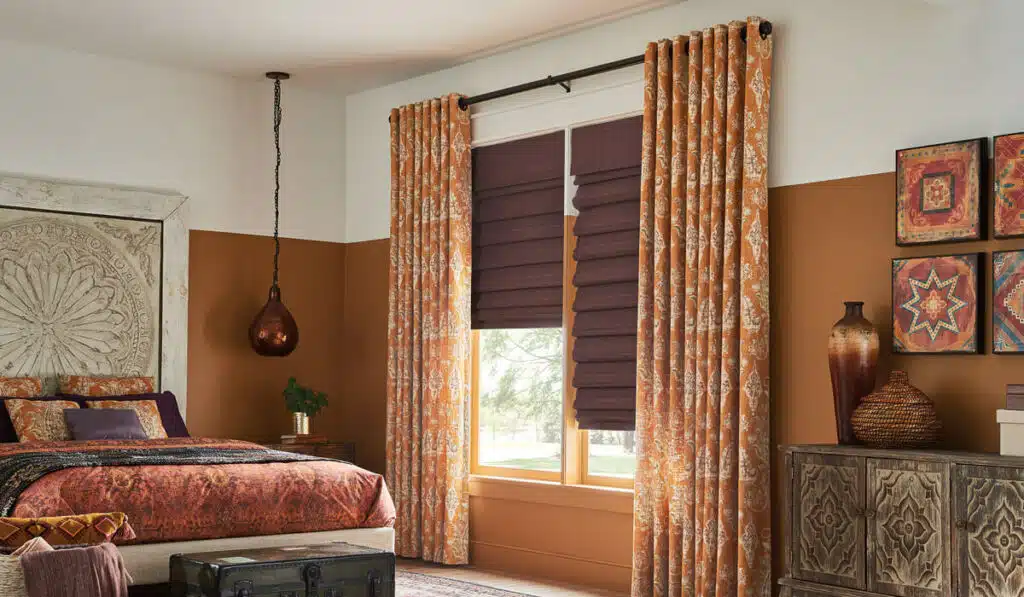
Some curtains rely on thick fabric alone, while others include several layers. Shades can also provide room-darkening results when traditional drapes feel too large. Understanding the basic options makes it easier to compare products instead of choosing by color alone.
- Thermal Curtains
Thermal curtains include insulating fabric or backing that helps slow heat transfer through windows. They work well in sunny rooms, drafty apartments, and older homes. Some thermal blackout curtains also reduce light strongly, but the exact performance varies between brands and fabrics.
- Lined Curtains
Lined curtains combine a decorative face fabric with a separate backing layer. The lining adds weight, improves how the curtain hangs, and limits sunlight. It can also protect the visible fabric from fading, making lined panels a good long-term decorating choice.
- Layered Curtains
Layered window treatments use two or more materials, such as sheer curtains paired with room darkening drapes. The sheers provide privacy and filtered daylight during the day. The heavier outer panels can close at night or when stronger light control is needed.
- Noise-Reducing Curtains
Heavy curtains can absorb some echoes and soften outside sounds, but they do not soundproof a room. Thick, wide panels with several layers usually perform best. For better results, curtains should extend beyond the window and sit close to the wall.
- Room Darkening Shades
Room darkening shades fit inside or outside the window frame and roll, fold, or slide into place. Cellular shades, Roman shades, and roller shades are common choices. They save space and can be paired with decorative curtains for stronger coverage.
How to Choose Room Darkening Curtains?
Choosing room darkening curtains involves more than finding an attractive pattern. Fabric weight, lining, panel width, curtain color, hanging style, and window direction all affect performance.
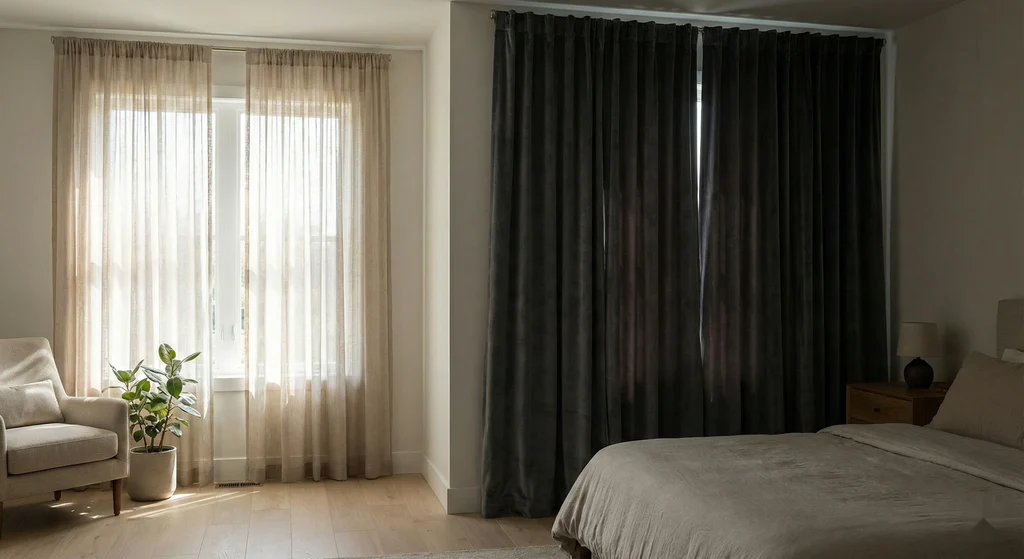
Start by deciding how dark the room needs to become. Next, consider insulation, privacy, cleaning, and design. A stylish curtain that leaves wide side gaps may perform worse than a simple panel installed correctly. In many cases, good measurements and proper placement matter as much as the curtain material.
- Choose the Right Fabric
Velvet, microfiber, polyester, suede-like fabric, and tightly woven cotton blends can block light well. Lightweight linen and thin cotton usually allow more sunlight through. For easier maintenance, choose durable fabric that can handle gentle washing or regular vacuuming.
- Check the Light-Blocking Level
Read the product description carefully because “room darkening” does not describe one fixed standard. Look for a stated blocking percentage, fabric details, lining information, and photos taken in daylight. Customer reviews may reveal whether the panels leave a glow.
- Select the Best Color
Dark colors often absorb more visible light, but fabric construction matters more than surface color alone. A light beige triple-weave curtain may outperform a thin black curtain. Light-colored backing can also reflect sunlight and help keep the room cooler.
- Pick a Suitable Curtain Style
Grommet curtains slide easily and create even folds. Rod-pocket curtains offer a softer, traditional look but may be harder to open daily. Pinch-pleat and back-tab curtains provide a more tailored appearance. Choose a style that matches both function and furniture.
- Consider Energy Efficiency
For hot or cold rooms, look for insulated panels with thermal backing, multiple fabric layers, and full window coverage. Curtains should extend beyond the glass to reduce air movement. A close fit creates a soft barrier, much like a blanket over the window.
- Set a Realistic Budget
Basic room darkening panels often cost less than custom blinds or replacement windows. However, remember to include rods, brackets, liners, tiebacks, and extra panels in the budget. Spending slightly more on proper width may provide better results than buying narrow premium curtains.
How to Measure for Room Darkening Curtains?
Accurate measurements help curtains look full and block light more effectively. Measuring only the glass can lead to narrow panels, exposed edges, and poor coverage.
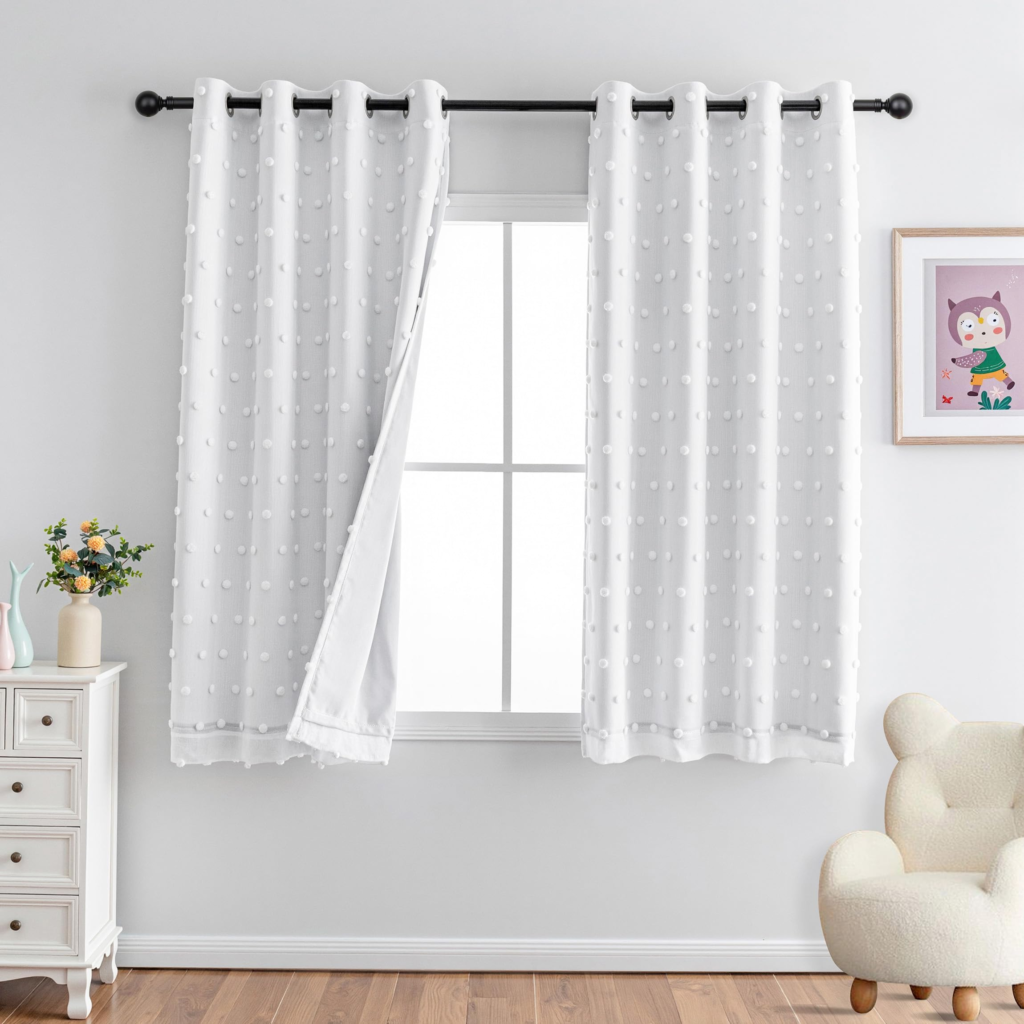
Use a metal measuring tape because fabric tapes can stretch. Record every number rather than relying on memory. Also measure each window separately, even when the windows appear identical. Small differences in trim, ceiling height, or frame width can affect the final fit.
- Measure the Window Width
Measure the full width of the window frame or trim. For outside-mounted curtains, add several inches to both sides. The total curtain width should normally equal about 1.5 to 2.5 times the rod width for proper fullness and better coverage.
- Measure the Curtain Length
Measure from the planned rod position to the desired stopping point. Curtains may end at the sill, below the sill, or near the floor. Floor-length panels often provide the best light control and create a cleaner, more finished appearance.
- Allow for Extra Coverage
Add extra width above and beside the window to cover common light gaps. Extending the rod 4 to 8 inches past each side often works well. Mounting the rod several inches above the trim can also reduce light entering from the top.
- Choose Inside or Outside Mounting
Shades may sit inside the window frame for a neat, fitted look. However, an outside mount usually blocks more light because it covers the frame edges. Curtain rods are normally installed outside the frame to provide width, fullness, and flexibility.
- Check Measurements Before Buying
Measure at least twice before placing an order. Confirm the size of each individual panel, since many packages contain only one curtain. Also check whether the listed length includes tabs, rings, or grommets, as these details can change the hanging height.
How to Install Room Darkening Curtains?
Room darkening curtains perform best when the rod is wide, level, strong, and placed high enough to cover the window fully. Most installations require only basic tools and careful marking.
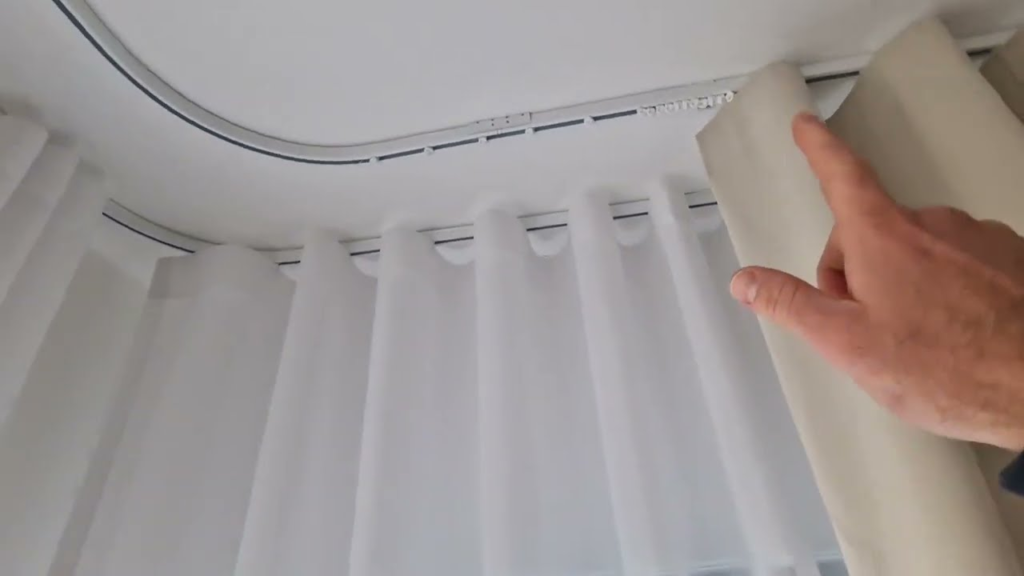
Before drilling, check for electrical wiring, plumbing, and weak drywall near the window. Use wall anchors when brackets do not line up with studs. Heavy blackout drapes may need stronger hardware than thin decorative panels, especially across wide windows.
- Gather the Tools
Common tools include a tape measure, pencil, level, drill, screwdriver, screws, anchors, and a sturdy step stool. A stud finder can help locate solid framing. Keep the curtain rod, brackets, and instruction sheet nearby before starting the installation.
- Mark the Curtain Rod Position
Hold the brackets at the chosen height and mark the screw holes with a pencil. Use a level to make sure both sides line up. Placing the rod higher and wider than the frame can make the window appear larger.
- Install the Brackets
Drill small pilot holes at the marked points. Insert suitable anchors when needed, and then fasten the brackets securely. Test each bracket with light pressure before adding the rod. Loose hardware may pull away from the wall under heavy fabric.
- Hang the Curtains
Slide the panels onto the rod or attach them with rings and hooks. Place the rod into the brackets and spread the fabric evenly. Check that the curtains open smoothly, meet in the center, and reach the intended length.
- Reduce Light Gaps
Use a wraparound curtain rod to bring the fabric closer to the wall at both sides. Overlap the center panels slightly and mount the rod high above the frame. A valance, cornice, or matching shade can cover remaining top gaps.
Best Room Darkening Curtains for Each Room
The best room darkening curtains depend on how each space is used. Bedrooms may need stronger darkness, while living rooms often benefit from flexible light control. Offices need glare reduction, and rental homes may require removable hardware.
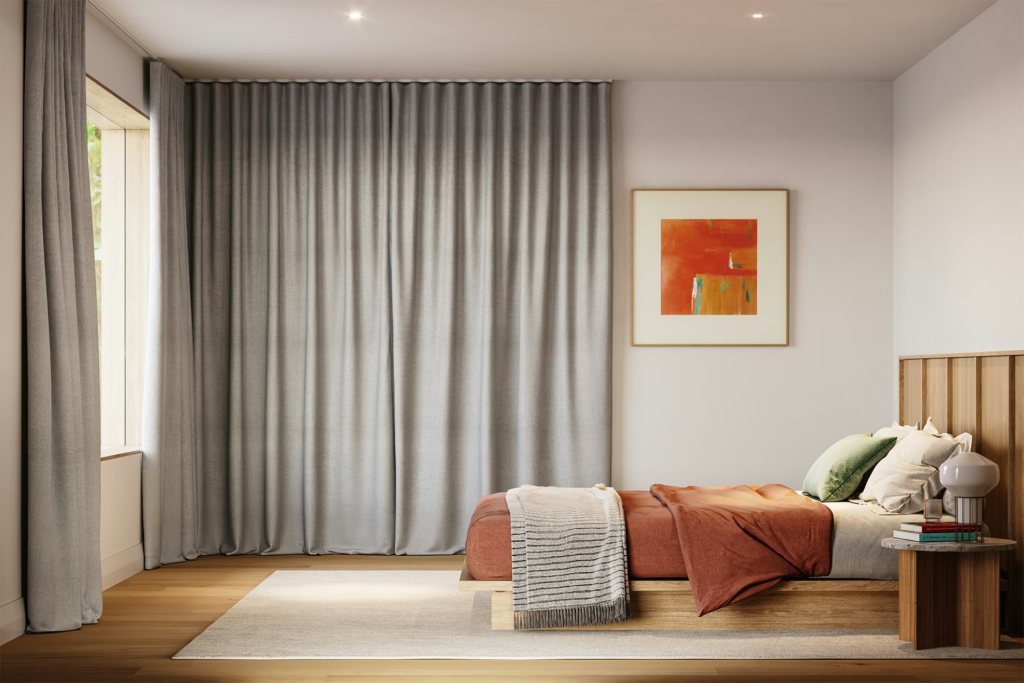
Fabric care also matters. For example, kitchens and bathrooms deal with moisture, odors, and frequent cleaning. Standard heavy drapes may not suit these areas. A guide to choosing bathroom curtains can help with windows that need privacy and moisture-resistant materials.
- Bedrooms
Choose wide, floor-length bedroom blackout curtains for windows exposed to morning sun, streetlights, or nearby homes. Triple-weave or lined panels offer a good balance of comfort and style. For stronger darkness, combine them with a shade or curtain liner.
- Living Rooms
Blackout curtains for living room spaces should control glare without making the room feel heavy. Neutral woven panels, soft gray fabrics, or warm earth tones work well. Coordinate them with artwork and other living room decor for a balanced design.
- Nurseries and Children’s Rooms
Nurseries often benefit from curtains that reduce daylight during naps and soften outside noise. Choose cordless window treatments, secure all hardware, and keep curtain cords away from beds. Washable, low-maintenance fabric is helpful in active children’s rooms.
- Home Offices
Room darkening panels can reduce monitor reflections and create steadier light for video calls. Choose curtains that open easily when daylight is welcome. Additional home office ideas can help improve desk placement, storage, lighting, and comfort in a small workspace.
- Rental Homes and Apartments
Renters can use tension rods, magnetic rods, adhesive brackets, or removable rod systems when drilling is restricted. Lightweight panels work best with no-drill hardware. For better darkness, use removable hook-and-loop strips to hold curtain edges close to the wall.
How to Style Room Darkening Curtains?
Practical curtains do not need to look plain or bulky. Modern blackout curtains come in linen-like textures, printed patterns, velvet finishes, and soft neutral colors.
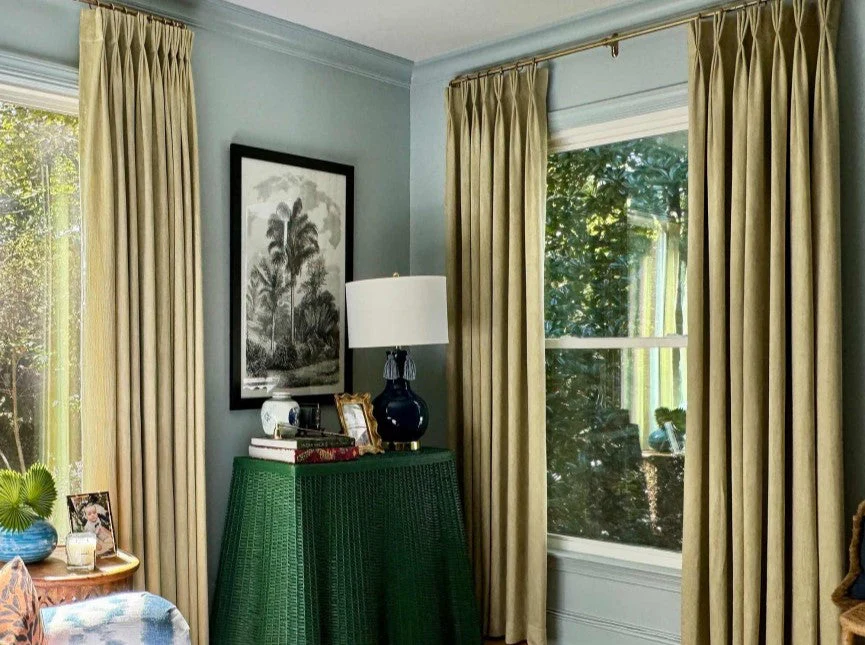
Treat curtains as part of the whole room rather than a separate purchase. Their color should connect with walls, rugs, furniture, and artwork. A complete guide on how to decorate a room can help bring these elements together without making the space feel crowded.
- Match Curtains with Wall Colors
Curtains close to the wall color create a calm, blended effect. Contrasting curtains make the windows stand out. In small rooms, soft tones can feel open and simple. In larger rooms, deeper colors may add warmth, depth, and visual focus.
- Layer Curtains with Sheers
Install sheers behind room darkening panels to gain better control throughout the day. Sheers soften sunlight and add privacy without removing all natural light. At night, close the heavier panels for stronger privacy, insulation, and a more restful atmosphere.
- Choose the Right Curtain Rod
A curtain rod should support the fabric weight and match the room’s hardware. Matte black rods suit modern and industrial spaces, while brass or wood finishes feel warmer. A thicker rod often looks more balanced with wide or heavy curtains.
- Create a Taller-Room Effect
Mount the rod close to the ceiling and choose curtains that nearly touch the floor. This placement draws the eye upward and makes the wall seem taller. Full-length neutral panels also work well in a relaxed farmhouse living room.
- Add Tiebacks and Accessories
Tiebacks allow more daylight into the room and create a shaped, finished look. Fabric bands feel soft, while metal hooks look more structured. Choose simple accessories that support the curtain style instead of competing with patterns, furniture, or wall decorations.
Budget-Friendly Room Darkening Ideas
Effective light control does not always require expensive custom treatments. Existing curtains can often be improved with liners, layered panels, or better hardware.
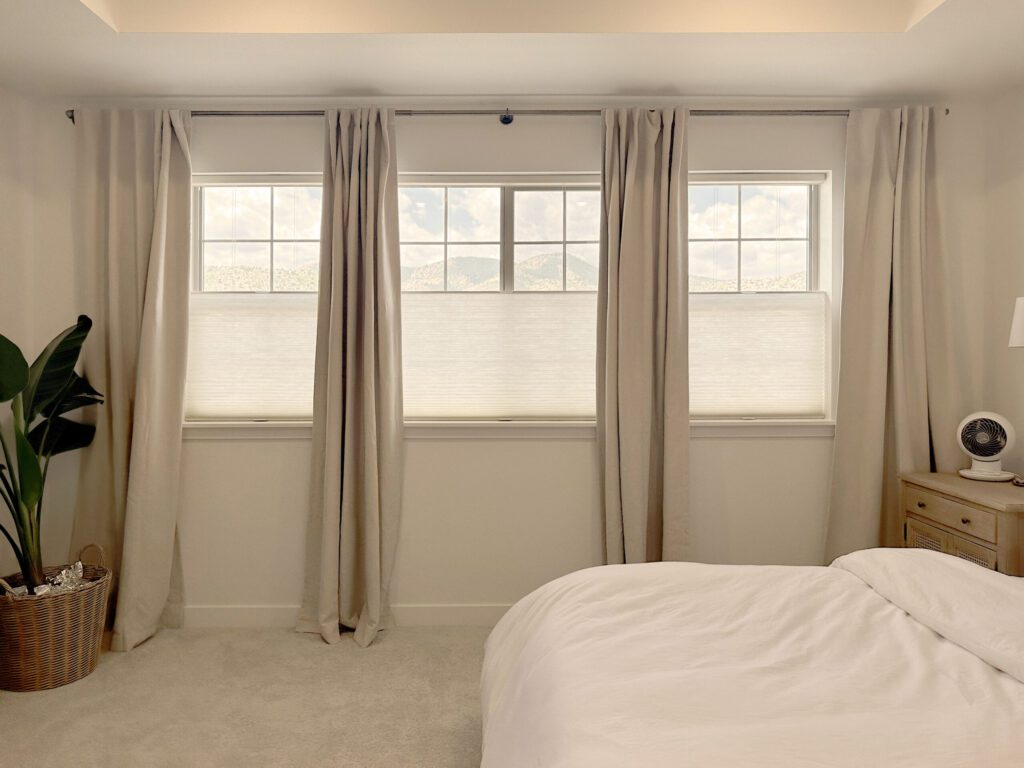
Focus first on coverage. A low-cost curtain that extends beyond the window may reduce more light than an expensive narrow panel. Compare total costs before buying, including rods and brackets. It may also be cheaper to upgrade current window treatments than replace everything at once.
- Add a Darkening Liner
A separate blackout liner can attach behind decorative curtains with hooks, clips, or hook-and-loop tape. Liners allow favorite curtains to stay in place while adding better light control. They can also be removed for washing or changed between seasons.
- Use Double Curtain Rods
Double rods hold sheer panels on the inner rod and heavier curtains on the outer rod. This setup provides flexible privacy and light control. It may cost less than installing separate shades while still creating a layered, polished window treatment.
- Try No-Drill Curtain Hardware
Tension rods, adhesive rod brackets, magnetic rods, and compression systems can support lightweight curtains without permanent holes. Always check the weight rating and wall surface instructions. Some adhesive products may damage weak paint when removed, so test a hidden area first.
- Upgrade Existing Curtains
Improve current curtains by adding clip-on liners, sewing in dense backing fabric, or joining narrow panels. Curtain edge magnets or removable fasteners can reduce side gaps. Even moving the rod higher and wider may create a noticeable improvement without buying new fabric.
- Shop Sales and Secondhand Options
Check clearance aisles, outlet stores, resale shops, and online marketplaces for unused or gently used panels. Measure before shopping because sizes vary. Matching two separate pairs can work well on wide windows if their color, length, and fabric weight are similar.
Common Room Darkening Curtain Mistakes
Many curtain problems come from poor sizing or placement rather than weak fabric. Narrow panels, short rods, and large edge gaps allow daylight to enter even when the curtain material blocks light well.
Another common mistake is expecting room darkening curtains to perform like complete blackout systems. Knowing the intended result before buying prevents disappointment. Strong darkness often requires a combination of curtains, shades, liners, and careful installation.
- Buying Curtains That Are Too Narrow
Curtains should look full when closed, not stretched flat across the window. Flat panels can pull away from the wall and expose gaps. Choose a combined panel width at least 1.5 times the rod width, with extra fullness for wider windows.
- Hanging the Rod Too Low
A rod installed directly above the trim may allow light through the top and make the ceiling appear lower. Mounting the rod several inches higher improves coverage. It also gives the curtains a taller, more balanced appearance.
- Choosing the Wrong Length
Curtains that stop at an awkward point can make the room look unfinished. Very short panels may also allow more heat and light near the bottom. Floor-length curtains usually offer the strongest coverage, though sill-length panels suit desks and radiators.
- Ignoring Side and Top Gaps
Light often enters around the curtain rather than through the fabric. Wide rods, wraparound ends, overlapping center panels, and high mounting positions reduce these gaps. A roller shade behind the curtains can provide another layer of protection.
- Expecting Complete Blackout
Room darkening products are designed to reduce light, not always remove it. Even window blackout curtains can leak light around the edges. For near-total darkness, use outside-mounted shades, wide blackout drapes, side tracks, or a fitted window insert.
How to Clean and Maintain Room Darkening Curtains?
Regular care keeps curtains looking fresh and protects special linings from damage. Dust, moisture, pet hair, and cooking residue can collect on the fabric over time.
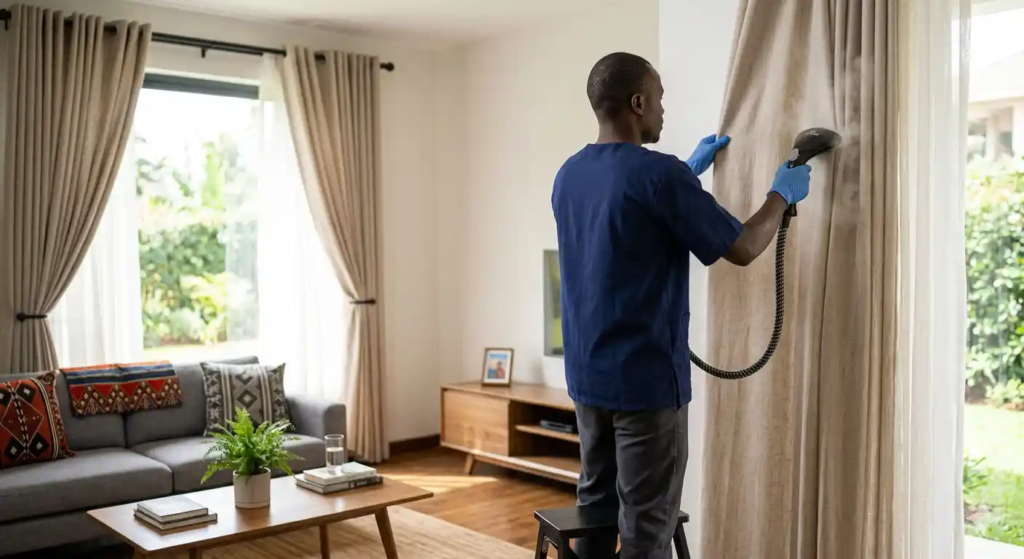
Cleaning methods vary because some backing materials may crack, peel, shrink, or stick together in a hot washing machine. Always follow the manufacturer’s instructions. Gentle care is especially important for coated panels, velvet curtains, and thermal linings.
- Check the Care Label
Read the sewn-in label before washing, steaming, or ironing the curtains. Some panels are machine washable, while others require hand washing or dry cleaning. Pay attention to water temperature, drying instructions, bleach warnings, and recommended iron settings.
- Remove Dust Regularly
Use a vacuum with a soft brush attachment to clean both sides of the fabric. A lint roller can remove hair and surface dust. Regular light cleaning prevents heavy buildup and reduces the need for frequent full washing.
- Wash Curtains Safely
When machine washing is allowed, use a gentle cycle, mild detergent, and cool water. Wash panels separately from rough items such as towels. Avoid high heat unless the care label permits it, since heat may damage foam backing or cause shrinkage.
- Prevent Fading and Fabric Damage
Rotate or rearrange panels when one side receives stronger sun exposure. Avoid harsh cleaners and direct high heat. A separate liner can protect decorative fabric from ultraviolet rays. Open curtains gently to prevent stress around grommets, tabs, and seams.
- Store Curtains Properly
Clean and fully dry curtains before storing them. Fold them loosely to avoid deep creases, and place them in a breathable cotton bag or clean container. Store them in a dry area away from direct sunlight, moisture, insects, and strong odors.
Are Room Darkening Curtains Worth It?
Room darkening curtains are worth considering when a room feels too bright, exposed, hot, or difficult to use during certain hours. They offer noticeable light reduction without the heavy look or higher cost of some full blackout systems.
They are especially useful for living rooms, offices, guest rooms, rental homes, and bedrooms where moderate darkness is enough. They may also reduce glare, improve privacy, protect furnishings, and support indoor temperature control.
However, they are not the best choice when complete darkness is essential. In that case, bedroom blackout curtains, lined shades, or layered treatments will provide stronger results.
Frequently Asked Questions
No. Room darkening curtains reduce sunlight, but they usually leave a soft glow in the room. Their performance depends on fabric density, color, lining, width, and installation. Complete darkness usually requires true blackout fabric and coverage around every window edge.
Room darkening curtains reduce brightness and glare, while blackout curtains aim to block nearly all visible light. Blackout products usually contain denser fabric, foam backing, or several layers. However, product labels vary, so checking the stated light-blocking level is important.
They may help reduce heating and cooling needs by slowing heat movement through windows. Savings depend on the climate, window quality, curtain fit, and household habits. Thermal curtains with wide coverage usually provide better insulation than thin decorative panels.
Dark colors often block visible light well, but fabric construction matters more than color alone. A thick, lined cream curtain can outperform a thin black panel. For sunny windows, a light or reflective backing may also help reduce heat buildup.
The combined width of the curtain panels should usually measure 1.5 to 2.5 times the rod width. Extra fabric creates fullness and improves side coverage. Wide panels also overlap more easily in the center, reducing light leakage between them.
Yes. Renters can use tension rods, adhesive brackets, magnetic rods, removable hooks, or freestanding curtain systems. The best option depends on the window frame and curtain weight. Always follow weight limits and test removable adhesive on a hidden area.
Heavy curtains can soften some traffic sounds and indoor echoes, but they cannot completely block outside noise. Thick, layered panels that cover the full wall area around a window tend to work better than narrow, lightweight curtains.
Light dusting or vacuuming every few weeks can prevent buildup. A deeper cleaning may be needed every six to twelve months, depending on pets, aller gies, smoke, humidity, and room use. Always follow the care label to protect special coatings and linings.