
Roof and gutter cleaning may not be the most exciting home task, but it is one of the most useful. Clean gutters and a clear roof help rainwater move away from the home, protect the structure, and keep the outside looking fresh without spending a fortune on repairs.
What Is Roof and Gutter Cleaning?
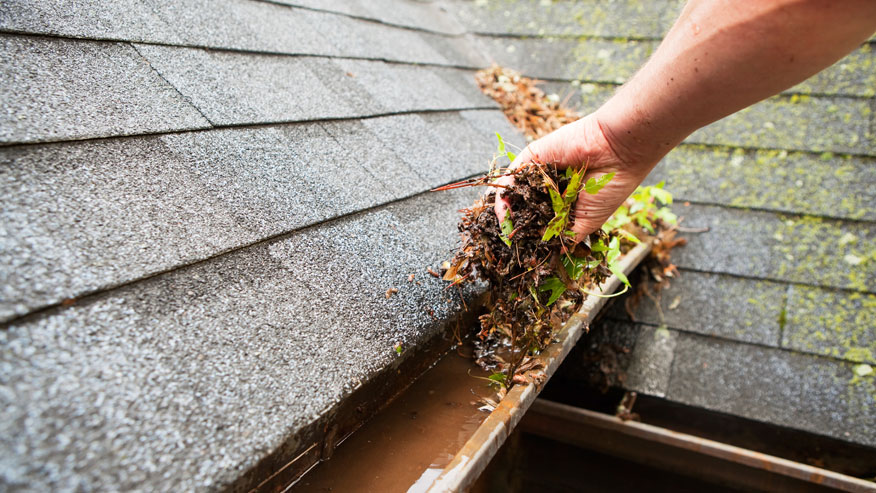
Roof and gutter cleaning is the process of removing leaves, sticks, moss, algae, dirt, and other debris from the roof surface, gutters, and downspouts. The goal is simple: keep water moving in the right direction.
Think of your roof and gutters like a rain jacket for your home. The roof sheds water, while the gutters collect it and guide it away. When either part gets clogged, water can back up, spill over, or soak into places it should never reach.
Good roof and gutter cleaning also includes checking for early signs of damage, such as leaking gutters, loose fasteners, cracked shingles, and blocked downspouts.
Why Roof and Gutter Cleaning Matters?
Roof and gutter cleaning matters because water is one of the biggest threats to a home. A small clog can turn into a big problem if rainwater cannot drain properly. Water may run down siding, pool near the foundation, damage fascia boards, or seep under roofing materials.
Regular gutter maintenance also helps protect the home’s appearance. Dirty gutters, roof stains, and moss patches can make even a well-decorated home look neglected from the outside.
It is much easier to remove a pile of leaves today than to pay for roof repairs, water damage cleanup, or foundation work later.
Benefits of Roof and Gutter Cleaning
Regular roof and gutter cleaning gives the home more than a neat appearance. It helps prevent hidden damage, saves money, and keeps the property safer during heavy rain.
- Protects your roof
When leaves and debris sit on a roof, they trap moisture. That moisture can weaken shingles, encourage moss growth, and shorten the life of the roof. Cleaning the roof helps shingles dry faster after rain and reduces the chance of rot.
- Prevents water damage
Clean gutters move rainwater away from the home. When gutters clog, water spills over the sides and may soak walls, windows, doors, and the foundation. This is why house gutter cleaning is such an important part of basic home care.
- Stops mold and mildew
Moisture creates the perfect place for mold and mildew to grow. Clean gutters help support better mold prevention by reducing damp spots around the home.
- Keeps pests away
Leaves, twigs, and standing water can attract insects, birds, rodents, and other pests. Clean gutters are less inviting.
- Improves curb appeal
A clean roofline makes a home look brighter and better cared for. Just like fresh landscaping improves curb appeal, clean gutters make the outside feel more polished.
- Saves money on repairs
Small cleaning tasks cost far less than fixing rotted fascia, damaged shingles, leaking gutters, or water-stained siding.
Signs Your Roof and Gutters Need Cleaning
The home often gives clear warning signs before damage gets serious. Knowing what to look for can help catch problems early.
- Overflowing gutters
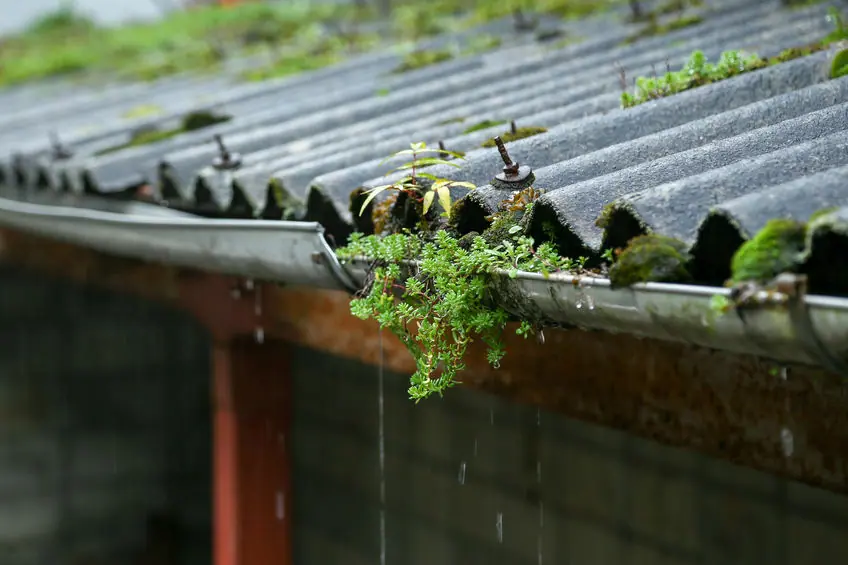
If water pours over the gutter edges during rain, the gutters are likely clogged. This is one of the most common signs that cleaning is overdue.
- Sagging gutter sections
Gutters filled with wet leaves and dirt become heavy. Over time, that weight can pull sections away from the roofline.
- Stains on walls or siding
Brown, gray, or green streaks on siding may mean water is spilling from clogged gutters. These marks often show up below roof edges or near downspouts.
- Moss or algae on the roof
Green patches, black streaks, or fuzzy moss can hold moisture against shingles. A little growth may seem harmless, but it can spread if ignored.
- Water pooling near the home
If water gathers near the foundation after rain, the gutters or downspouts may not be moving water far enough away.
- Leaves and debris visible from the ground
If piles of leaves can be seen from the yard, the gutters are probably packed. Visible roof debris is also a sign that roof and gutter cleaning should be done soon.
How Often Should You Clean Roofs and Gutters?
Most homes need roof and gutter cleaning at least twice a year. A good schedule is once in spring and once in fall. Spring cleaning removes winter debris, while fall cleaning clears leaves before heavy rain or snow.

- Seasonal cleaning schedule
Spring and fall are the best times for routine gutter maintenance. Spring helps prepare the home for warm-weather storms. Fall helps prevent winter blockages.
- Homes near trees
Homes under trees may need cleaning three or four times a year. Pine needles, seed pods, and small twigs can clog gutters faster than large leaves.
- Rainy or stormy climates
In areas with heavy rain, gutters need extra attention. Even a small blockage can cause overflow during a storm.
- Older homes and roof types
Older homes may have weaker gutters, aged shingles, or older drainage systems. Tile, metal, asphalt, and flat roofs also collect debris in different ways. A quick inspection after every major season can prevent surprises.
Tools Needed for Roof and Gutter Cleaning
You do not need fancy tools to start roof and gutter cleaning. Basic, safe equipment is usually enough for simple jobs.
- Ladder and stabilizer
A sturdy ladder is one of the most important tools. A ladder stabilizer helps keep the ladder from leaning directly on gutters and reduces the risk of slipping.
- Work gloves
Gloves protect hands from sharp sticks, metal edges, insects, and wet debris. Choose thick gloves with a good grip.
- Garden hose
A garden hose helps flush out fine dirt and check whether water flows through gutters and downspouts.
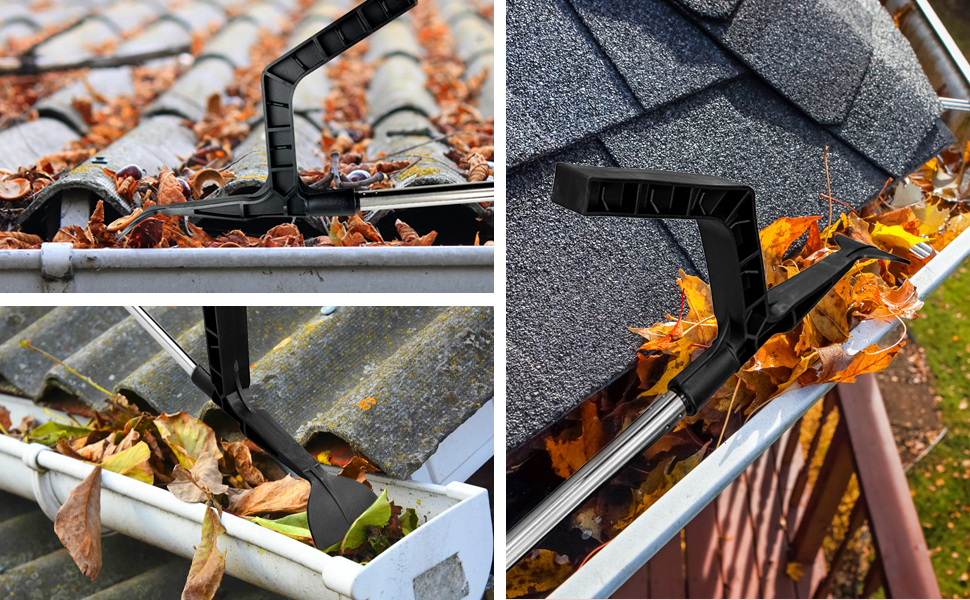
- Gutter scoop
A gutter scoop removes leaves and sludge faster than bare hands. A small plastic scoop is gentle on gutters and easy to control.
- Soft brush or broom
A soft brush helps remove loose roof debris without damaging shingles. Avoid stiff tools that scrape roofing materials.
- Safety goggles
Goggles protect eyes from dirt, splashback, insects, and small bits of debris.
- Roof-safe cleaning solution
Use a roof-safe cleaner for moss, algae, or stains. Avoid harsh chemicals that may damage shingles, plants, siding, or outdoor finishes.
How to Clean Gutters Step by Step?
Gutter cleaning is simple when done in the right order. Move slowly, stay safe, and avoid rushing.
- Check the weather
Choose a dry, calm day. Wet roofs, slippery ladders, and strong wind make cleaning dangerous.
- Set up the ladder safely
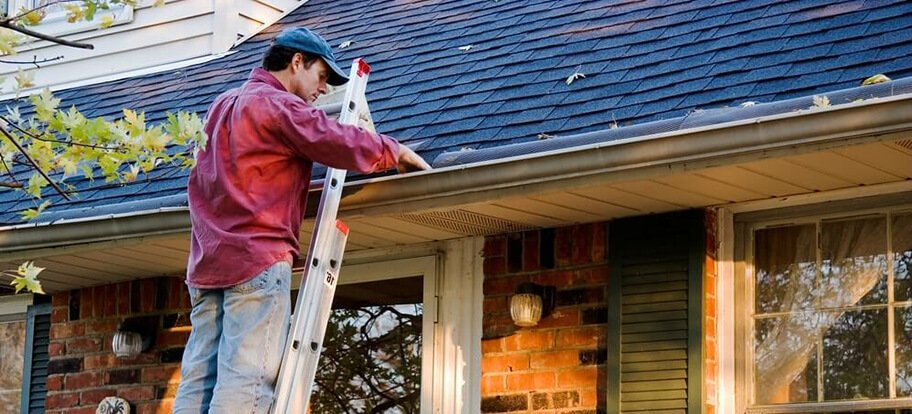
Place the ladder on firm, level ground. Keep it away from power lines. Use a stabilizer when possible.
- Remove large debris
Scoop out leaves, sticks, and dirt by hand or with a gutter scoop. Put debris in a bucket or drop cloth to make cleanup easier.
- Flush gutters with water
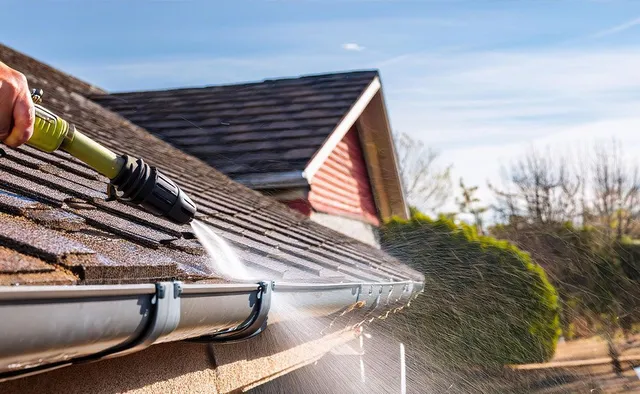
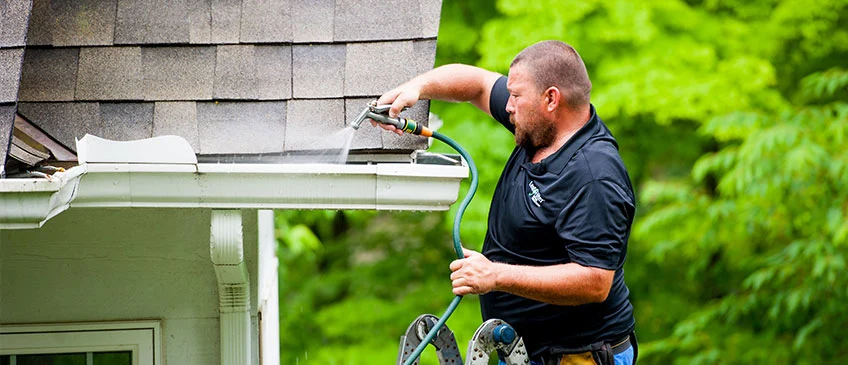
Use a garden hose to rinse the gutters. Watch how water moves. Slow flow usually means more dirt or a hidden clog.
- Clear downspouts
Downspouts are like the drainpipes of the gutter system. If they clog, water backs up fast. Use a hose, plumber’s snake, or gutter cleaning attachment to clear blockages. Exterior drainage problems can act a lot like clogged drains inside the home, so it is best to handle them early.
- Check for leaks or damage
Look for leaking gutters, loose brackets, rust, cracks, and gaps at the joints. Small repairs can stop bigger problems later.
- Clean up the area
Bag the debris, rinse dirty spots, and make sure downspout extensions point water away from the home.
How to Clean a Roof Safely
Roof cleaning needs extra care. A roof is not like a floor, and even a small slip can be serious.
- Inspect the roof first
Start from the ground. Look for missing shingles, sagging areas, moss, stains, and heavy debris. Binoculars can help.
- Remove loose debris
Use a soft broom, leaf blower, or telescopic gutter cleaner with a gentle attachment to remove leaves and twigs from reachable areas.
- Treat moss and algae
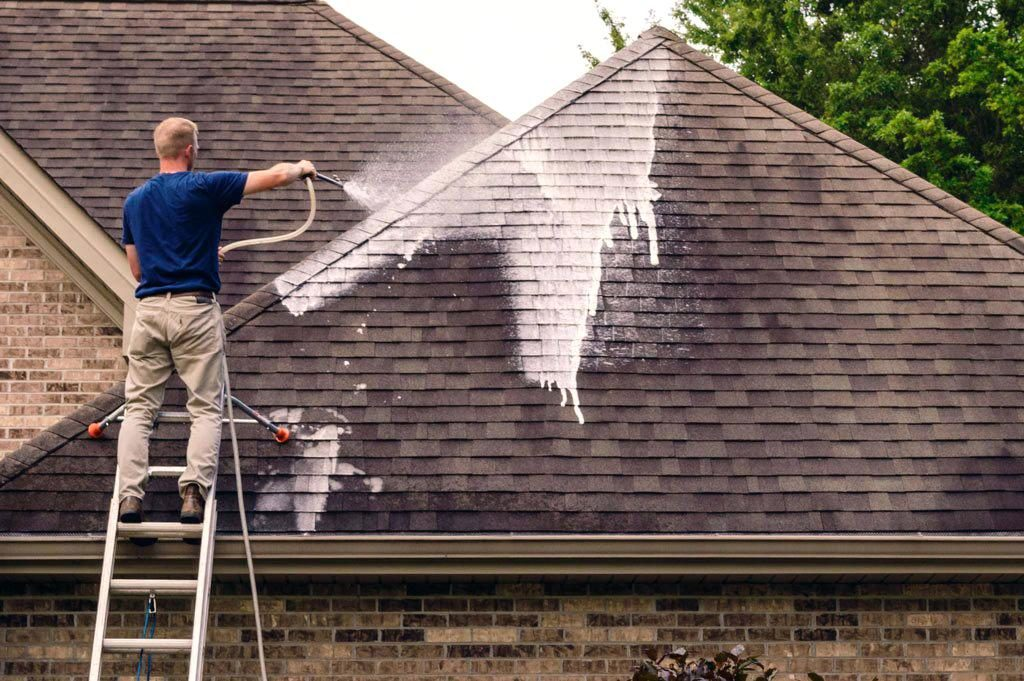
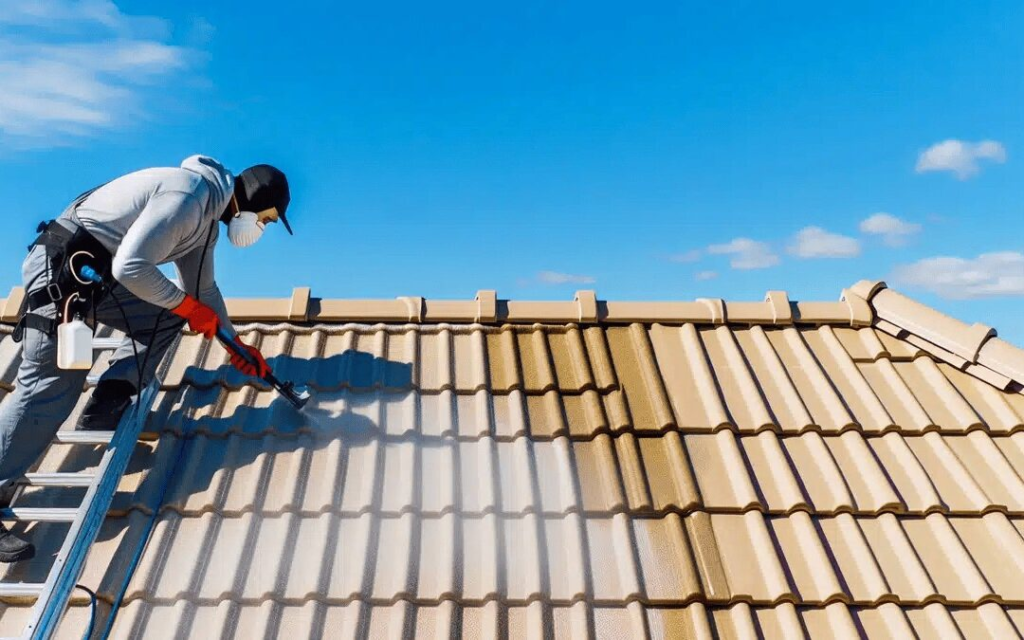
Apply a roof-safe moss remover or algae treatment. Let the product work as directed. Do not scrape hard, because scraping can damage shingles.
- Use gentle water pressure
Light rinsing is usually enough. Strong pressure can lift shingles, push water under roofing, and damage protective granules.
- Avoid harsh chemicals
Bleach-heavy or harsh cleaners may harm plants, stain surfaces, and shorten the life of some roof materials.
- Stay off steep or slippery roofs
If the roof is steep, wet, high, or damaged, stay off it. This is the point where saving money is not worth the risk.
Roof and Gutter Cleaning Safety Tips
Safety should come before speed. A clean gutter is not worth a fall, injury, or electrical accident.
- Never work alone
Have someone nearby when using a ladder. They can steady the ladder, pass tools, or call for help if needed.
- Use the right ladder
Use a ladder that is tall enough for the job. Never stand on the top rung. Never lean too far to one side.
- Wear non-slip shoes
Shoes with good grip help prevent slips on ladders, wet grass, or roof surfaces.
- Avoid power lines
Keep ladders, gutter tools, hoses, and extension poles far away from electrical lines.
- Skip cleaning during bad weather
Do not clean during rain, wind, lightning, extreme heat, or icy conditions.
- Know when to stop
If the job feels unsafe, stop. A professional has better tools, training, and safety equipment for difficult roof and gutter cleaning tasks.
DIY vs. Professional Cleaning
Some roof and gutter cleaning jobs are easy enough for careful DIY work. Others are better left to trained cleaners.
- When DIY makes sense?
DIY cleaning makes sense for single-story homes, easy-to-reach gutters, light debris, and basic seasonal upkeep. It can save money and help you understand how your home handles rain.
- When to hire a professional?
Hire help when the roof is steep, the gutters are very high, moss growth is heavy, or you see signs of roof damage. Professionals can also spot problems that are easy to miss.
- Cost differences
DIY cleaning costs less upfront, especially if you already own a ladder, gloves, hose, and scoop. Professional cleaning costs more, but it may prevent expensive mistakes.
- Safety concerns
The biggest difference is safety. Professionals use proper ladders, harnesses, tools, and cleaning methods. For seasonal homes or hard-to-reach properties, reliable cleaning services can be a smart choice.
- Time and effort comparison
DIY may take several hours. A professional team may finish faster and clean more thoroughly, especially on larger homes.
Common Roof and Gutter Cleaning Mistakes
Many roof and gutter problems come from small mistakes repeated over time. Avoiding these habits can protect the home.
- Using too much pressure
Pressure washers can damage shingles, force water under roofing, and dent gutters. Gentle cleaning is usually safer.
- Ignoring downspouts
Clean gutters will still fail if downspouts are clogged. Always flush and check them.
- Walking on weak roof areas
Soft spots, old shingles, and damaged roof sections can be dangerous. Walking on them can make damage worse.
- Using harsh cleaners
Strong chemicals may harm roof materials, plants, siding, and painted surfaces. Choose roof-safe products.
- Waiting too long between cleanings
A few leaves are easy to remove. A packed gutter full of wet sludge is much harder. Regular gutter maintenance keeps the job simple.
Budget-Friendly Cleaning Tips
Roof and gutter cleaning does not have to cost a lot. A smart plan can keep the home protected without stretching the budget.
- Use basic tools first
Start with gloves, a scoop, a hose, and a stable ladder. Many homes do not need expensive tools for routine cleaning.
- Clean before problems grow
Small clogs are quick to remove. Long-term water damage is costly. Early cleaning saves money.
- Share tools with neighbors
A ladder stabilizer, telescopic gutter cleaner, or gutter cleaning attachment may be used only a few times a year. Sharing can lower the cost.
- Install simple gutter guards
Basic gutter guards can reduce leaf buildup. They still need cleaning, but usually less often.
- Do small checks after storms
A five-minute check after heavy wind or rain can catch loose branches, blocked downspouts, and early leaking gutters.
Best Products for Roof and Gutter Cleaning
The best products are safe, practical, and easy to use. Choose tools that match the home’s height, roof type, and debris level.
- Gutter cleaning tools
A gutter scoop, bucket hook, extension pole, and gutter cleaning attachment can make house gutter cleaning faster. Attachments that connect to a hose are helpful for flushing dirt.
- Roof moss removers
Look for roof-safe moss removers that are made for shingles, tiles, or metal roofing. Follow the label and protect nearby plants.
- Ladder safety accessories
A ladder stabilizer, ladder leveler, and non-slip ladder feet can make the job safer. These are often worth the cost.
- Protective gear
Gloves, goggles, long sleeves, and non-slip shoes protect against sharp debris, insects, and dirty water.
- Gutter guards
Mesh, screen, brush, and foam gutter guards can reduce debris buildup. They are not magic, but they can make gutter maintenance easier.
How to Maintain Clean Roofs and Gutters Longer
Cleaning is important, but maintenance helps the results last. A few small habits can reduce buildup and prevent repeat clogs.
- Trim nearby branches
Branches that hang over the roof drop leaves, twigs, seeds, and sap. Trimming them reduces debris and helps the roof dry faster.
- Install gutter guards
Gutter guards help block large leaves and sticks. They work best when installed correctly and checked during seasonal cleaning.
- Check gutters after storms
Storms can fill gutters in one night. Look for overflow, loose sections, and blocked downspouts after strong wind or heavy rain.
- Remove roof debris early
Do not let leaves sit in roof valleys. Wet piles can stain shingles and encourage moss growth.
- Schedule seasonal inspections
A simple spring and fall inspection keeps roof and gutter cleaning from becoming a major repair project.
When to Call a Professional
There is no shame in calling a professional. In many cases, it is the safer and smarter choice.
- Very high roofs
Two-story or three-story homes can be risky for DIY cleaning. Professionals have taller ladders and safer equipment.
- Steep roof slopes
Steep roofs are hard to stand on and easy to slip from. Do not walk on them without training and safety gear.
- Heavy moss growth
Thick moss may need special treatment. Scrubbing it the wrong way can damage shingles.
- Damaged gutters
If gutters are pulling away, cracked, rusted, or leaking, cleaning alone may not solve the problem.
- Signs of roof leaks
Water stains, soft ceilings, musty smells, or dripping after rain may point to roof leaks. This is the time to consider professional cleaning and inspection support, especially when the job feels unsafe or time-consuming.
Conclusion
Roof and gutter cleaning is a simple habit that protects the home from water damage, pests, stains, and costly repairs. Clean gutters help rainwater flow where it should. A clear roof lasts longer and looks better. With the right tools, safe steps, and regular gutter maintenance, this task becomes much easier. When the job feels risky, hiring a professional is the best move.
Frequently Asked Questions
Most homes need roof and gutter cleaning twice a year, usually in spring and fall. Homes near trees may need cleaning three or four times a year. It is also smart to check gutters after storms, heavy wind, or long rainy periods.
Yes, in some cases. A telescopic gutter cleaner or gutter cleaning attachment can help clean low or medium-height gutters from the ground. These tools work well for light debris. However, they may not remove packed sludge, heavy clogs, or hidden downspout blockages.
Roof cleaning can be safe for shingles when done gently. Use a soft brush, low water pressure, and a roof-safe cleaner. Avoid pressure washing, harsh scraping, and strong chemicals. These can remove protective granules and shorten the life of shingles.
The best times are spring and fall. Spring cleaning clears winter debris and prepares gutters for rain. Fall cleaning removes leaves before winter. In areas with many trees, another cleaning in early summer or late winter may help.
The cost depends on home size, height, roof slope, gutter length, debris level, and local rates. Basic gutter cleaning often costs less than full roof cleaning. A larger home, steep roof, heavy moss, or damaged gutters will usually cost more.
Yes. Clogged gutters can cause water to overflow, soak siding, damage fascia boards, stain walls, flood landscaping, and pool near the foundation. Over time, they may also lead to leaking gutters, basement moisture, mold growth, and roof edge damage.
In most cases, no. A pressure washer can damage shingles, lift roofing materials, and push water under the roof surface. Gentle water flow and roof-safe cleaning products are usually better. If heavy moss or algae needs treatment, call a professional.
Gutter guards can be worth it for homes near trees or areas with frequent leaf buildup. They reduce debris, but they do not make gutters maintenance-free. Small seeds, dirt, pine needles, and roof grit can still collect over time, so seasonal checks are still needed.
If gutters are never cleaned, they can clog, overflow, sag, leak, and pull away from the home. Water may damage the roof edge, siding, foundation, and landscaping. Pests may also nest in the debris. Over time, the repair costs can become much higher than simple cleaning.
Renters should check the lease first and ask the landlord or property manager. Roof and gutter cleaning may be the owner’s responsibility. Even if it seems simple, renters should avoid climbing ladders or walking on roofs without written permission and proper safety equipment.