
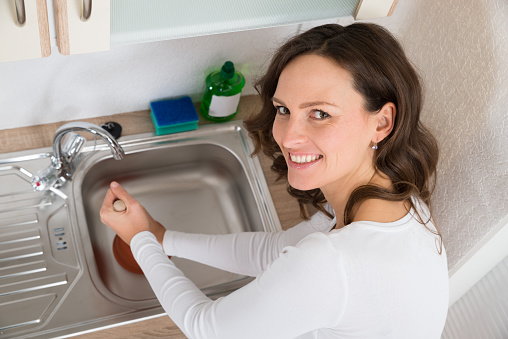

A kitchen sink clogged problem can turn a normal day into a messy one fast. One minute, you are rinsing dishes. Next, water sits in the basin like a tiny pond. The good news is that many clogs are simple to understand, safe to handle, and easy to prevent.
What Is a Kitchen Sink Clogged Problem?
A kitchen sink clogged problem happens when water cannot move freely through the drainpipe. Instead of flowing away, water drains slowly, stops completely, or backs up into the sink. In many homes, the blockage forms inside the sink drain, P-trap, garbage disposal, or nearby drain line.
Think of your kitchen drain like a small road. When the road is clear, traffic moves smoothly. However, when grease, food, soap, and debris build up, the road narrows. Soon, even a little extra waste can cause a traffic jam.
This issue may look small at first, but it can lead to bad smells, leaks, dirty water, and under-sink messes. That is why quick action matters.
Common Signs Your Kitchen Sink Is Clogged
A clogged sink often gives warning signs before it fully blocks. Catching those signs early can save time, money, and stress. In most cases, the first clue is water that does not drain the way it used to.
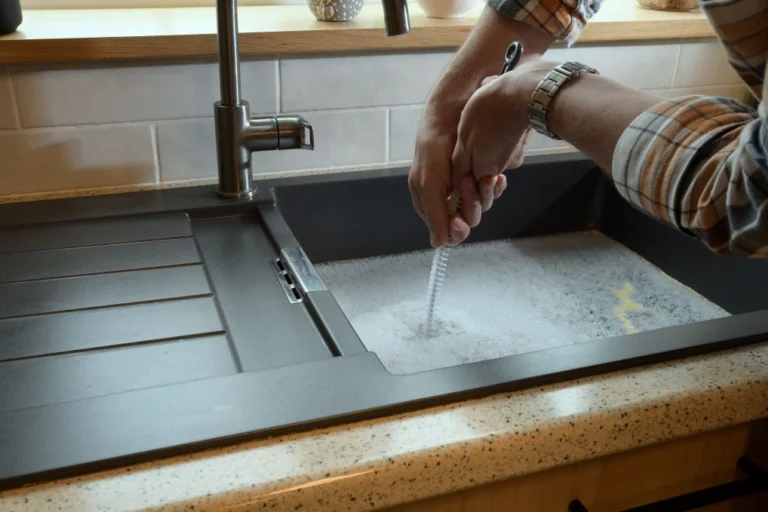
- Slow-draining water
Slow-draining water is one of the most common signs of a clogged sink drain. Water may swirl around the drain for several seconds before it disappears. This usually means grease, food bits, or soap residue are narrowing the pipe.
- Standing water in the sink
If water sits in the sink and does not move, the blockage is stronger. Standing water can also carry food particles and bacteria, so avoid putting your hands into it without gloves.
- Gurgling sounds
Gurgling sounds often happen when air gets trapped in the drain line. As water tries to pass through the blockage, air bubbles push back and make noise.
- Bad smells from the drain
A sour or rotten smell often means food scraps are stuck inside the drain. Over time, those scraps break down and create odor.
- Water backing up into the other basin
A double kitchen sink clogged issue can show up when water drains from one side and rises on the other. This often points to a blockage after both sink drains join together.
Why Kitchen Sinks Get Clogged?
Kitchen sinks handle a lot every day. They deal with dishwater, crumbs, sauces, grease, soap, and sometimes items that should never go down the drain. Over time, even small habits can create a big kitchen sink drain blockage.
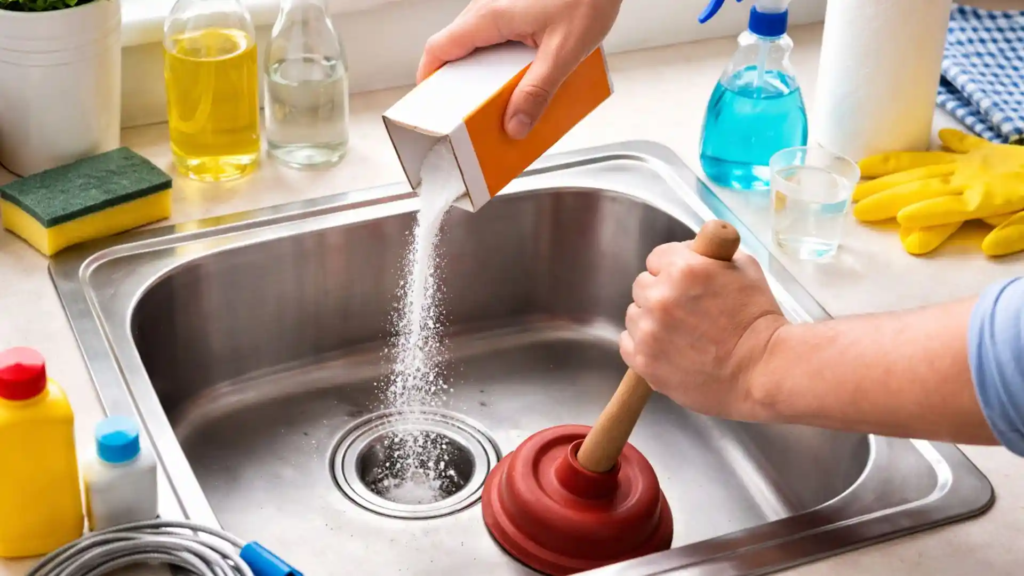
- Grease and cooking oil buildup
Grease is one of the biggest reasons for a kitchen sink clogged problem. Hot grease may look liquid when poured down the drain, but it cools inside the pipe. Then it sticks to the walls like candle wax. Food crumbs cling to that sticky layer, and the clog grows.
- Food scraps and crumbs
Tiny food scraps may seem harmless, but they can collect in bends and rough spots inside the pipe. Rice, pasta, potato peels, onion skins, and vegetable bits can swell or clump together.
- Coffee grounds and eggshells
Coffee grounds do not dissolve in water. They collect like wet sand inside the drain. Eggshell pieces can also mix with grease and form a gritty blockage.
- Soap scum and mineral buildup
Soap, hard water minerals, and leftover detergent can build up slowly. This is more common in homes with hard water.
- Garbage disposal problems
A garbage disposal helps break down soft food waste, but it is not a trash can. Too much food, fibrous scraps, bones, grease, or lack of water can cause trouble.
- Poor drain habits
Pouring grease down the sink, skipping a strainer, washing large scraps into the drain, and ignoring slow drainage all make clogs more likely.
What to Do First When Your Kitchen Sink Is Clogged?
When your kitchen sink not draining problem starts, do not panic. The first steps are simple. Your goal is to stop the mess from spreading and check for easy causes before using tools.
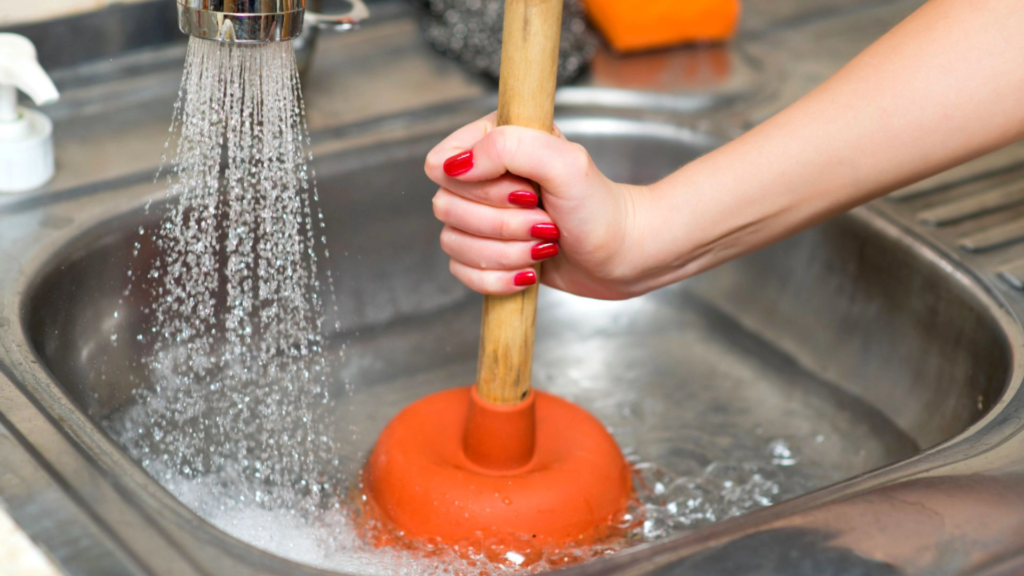
- Stop running water
Turn off the faucet right away. More water can make the sink overflow, especially if the drain is fully blocked. If the dishwasher drains into the same line, avoid running it until the sink clears.
- Remove standing water safely
Use a cup, bowl, or small container to scoop standing water into a bucket. Wear gloves if the water looks dirty. This makes it easier to work on the drain without splashing.
- Check the garbage disposal
If your sink has a garbage disposal, turn it off first. Then check whether it hums, jams, or needs a reset. Never put your hand inside the disposal. Use tongs or pliers for visible debris.
- Look for visible debris
Remove the drain stopper or strainer and look for food, labels, twist ties, or other items. Sometimes the clog sits right at the drain opening.
- Protect the cabinet area
Place towels under the sink before working on pipes. This protects nearby kitchen cabinets from water stains, swelling, and cleaning mess. It also gives you a dry work area.
Tools You May Need to Unclog a Kitchen Sink
You do not need a professional toolbox for every clogged drain. Many basic items can help clear a clogged sink drain. Still, having the right tools nearby makes the job safer and easier.
- Plunger
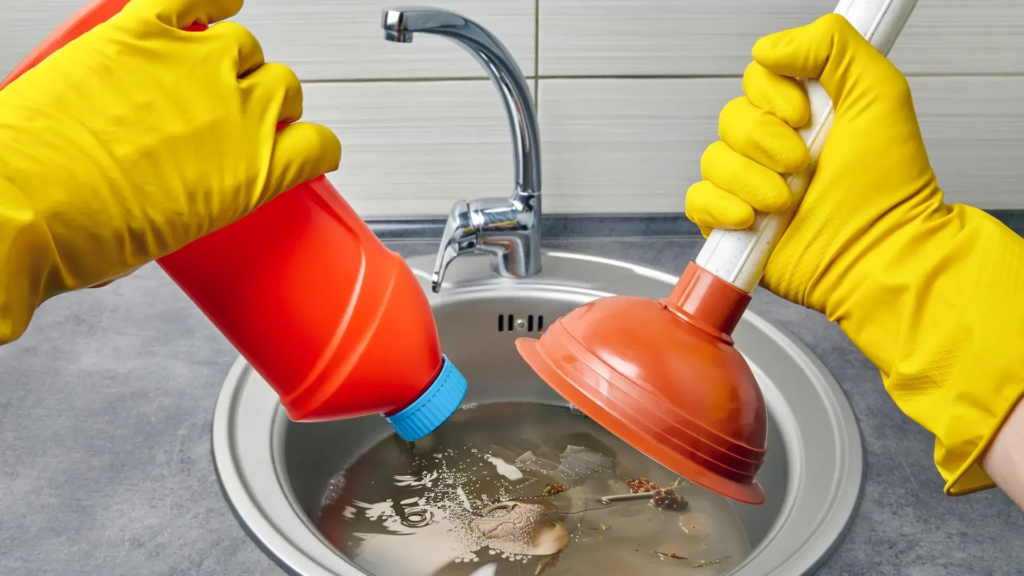
A cup-style sink plunger creates pressure that can loosen a clog. It works best when there is enough water in the basin to cover the rubber cup.
- Drain snake
A drain snake, also called an auger, reaches deeper into the pipe. It can grab or break up debris that a plunger cannot move.
- Bucket and towels
A bucket catches water when you open the P-trap. Towels protect cabinets, floors, and your knees.
- Rubber gloves
Gloves keep your hands away from dirty water, grease, food waste, and sharp scraps.
- Baking soda and vinegar
This natural mix can help loosen light buildup and reduce odor. It works best for mild clogs, not heavy blockages.
- Adjustable wrench
An adjustable wrench helps loosen slip nuts on the P-trap. Some plastic pipe fittings can be loosened by hand, but a wrench gives extra grip.
- Flashlight
A flashlight helps you see under the sink, inside the cabinet, and around pipe joints. It also helps you spot leaks after testing the drain.
How to Unclog a Kitchen Sink Step by Step?
The best way to fix a kitchen sink clogged issue is to start with the simplest method and move to stronger methods only when needed. This keeps the process safe and budget-friendly.
- Try boiling water
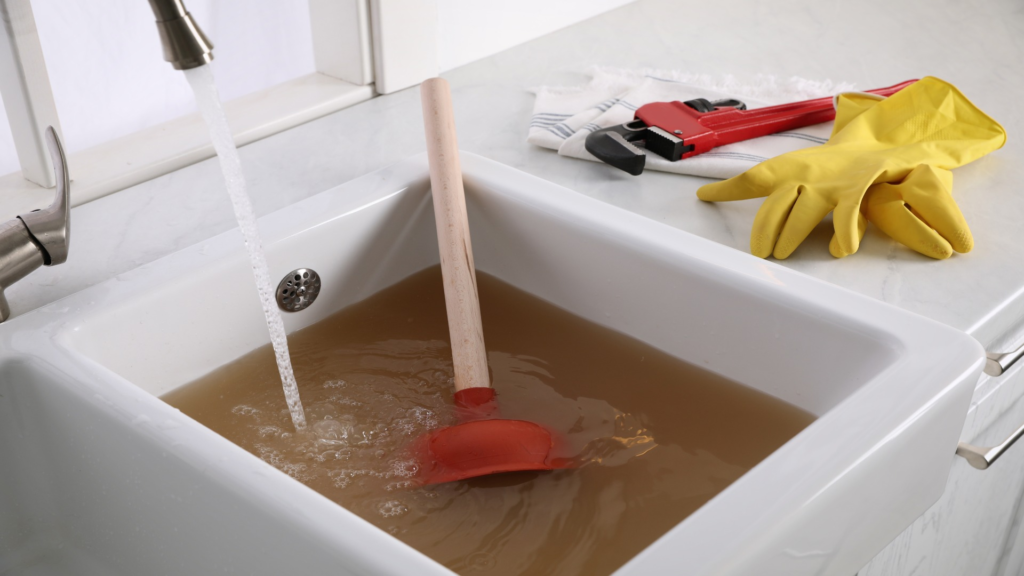
Boil water and slowly pour it down the drain in two or three stages. Wait a few seconds between pours. Hot water may soften grease and soap buildup. However, avoid boiling water if you have PVC pipes that may be sensitive to high heat, or if your sink is porcelain and very cold.
- Use baking soda and vinegar
Pour about half a cup of baking soda into the drain. Then add one cup of vinegar. Let it fizz for 10 to 15 minutes. After that, flush with hot tap water. This can freshen the drain and loosen mild buildup.
- Plunge the sink
To unclog kitchen sink with plunger, fill the sink with enough water to cover the plunger cup. Place the plunger firmly over the drain. Push and pull quickly for 20 to 30 seconds. Keep a tight seal. If you have a double sink, cover the other drain with a wet cloth to build pressure.
- Clean the P-trap
Place a bucket under the curved pipe beneath the sink. Loosen the slip nuts and remove the P-trap. Empty it into the bucket and clean out debris. Then reattach it carefully and check for leaks.
- Use a drain snake
Insert the snake into the drain or pipe opening. Turn the handle as you push. When you feel resistance, rotate the snake to break up or grab the clog. Pull it out slowly and clean it.
- Reset the garbage disposal
If the disposal stopped working, press the reset button on the bottom of the unit. If it is jammed, use the proper disposal wrench or Allen key in the bottom slot. Turn it gently to free the blades.
- Test the drain
Run warm water for a few minutes. Watch the drain speed and check under the sink for leaks. If water still drains slowly, the clog may be deeper in the line.
Natural Ways to Fix a Kitchen Sink Clogged Issue
Natural methods are a good first choice for mild clogs, routine cleaning, and odor control. They are often cheaper and gentler than strong chemicals. However, they work best when the blockage is not too deep or too solid.
- Baking soda and vinegar
Baking soda and vinegar create a fizzing reaction that can help loosen light grime. It also helps reduce smells. Use this method once a week or whenever the drain starts to smell stale.
- Hot water and dish soap
This method works well for grease. Squirt dish soap into the drain, then slowly pour hot water after it. The soap helps break down greasy film, while the water pushes it along.
- Salt and boiling water
Salt can act like a gentle scrub inside the drain. Pour half a cup of salt into the drain, wait a few minutes, then rinse with hot water. This can help with light buildup.
- Manual debris removal
Sometimes the best natural fix is simple hand cleaning. Remove the strainer, clean visible scraps, and wipe around the drain opening. For deeper debris, use a small drain cleaning brush.
- Safe routine cleaning
Routine cleaning keeps clogs from forming. A weekly hot water flush, a clean strainer, and careful food disposal can prevent many problems before they start.
When to Avoid Chemical Drain Cleaners
Chemical drain cleaners may seem like a fast fix, but they are not always the best answer. In some cases, they can damage pipes, harm surfaces, or create safety risks. Use them with care, and avoid them in certain situations.
- Older pipes
Older metal pipes may already have rust, weak spots, or thin areas. Harsh chemicals can make damage worse. If your home has older plumbing, use gentler methods first.
- Repeated clogs
If the same drain keeps clogging, chemicals may only hide the problem for a short time. Repeated clogs may mean there is a deeper blockage, poor pipe slope, or buildup farther down the line.
- Garbage disposal drains
Chemical cleaners can damage disposal parts and seals. They can also sit in the disposal chamber and splash back when the unit turns on.
- Septic systems
Some chemical cleaners can disturb the healthy bacteria in septic systems. Those bacteria help break down waste, so damaging them can create bigger problems.
- Homes with children or pets
Chemical drain cleaners can burn skin, eyes, and lungs. If children or pets live in the home, safer methods are often a better choice.
How to Prevent Future Kitchen Sink Clogs
Preventing a clog is much easier than fixing one. A few small daily habits can protect your drain and keep water moving smoothly. Think of it like brushing your teeth. A little care often prevents a bigger repair later.
- Use a sink strainer
A sink strainer catches food scraps before they enter the drain. Choose one that fits well and empty it after washing dishes.
- Scrape plates before washing
Scrape food into the trash or compost bin before rinsing dishes. This simple step reduces the amount of waste entering the drain.
- Dispose of grease properly
Never pour grease, oil, or melted butter down the sink. Let it cool in a container, then throw it in the trash. Wipe greasy pans with a paper towel before washing.
- Run hot water after dishwashing
After washing greasy dishes, run hot tap water for 20 to 30 seconds. This helps move soap and small residue through the pipe.
- Clean the drain weekly
Use baking soda, vinegar, or hot water and dish soap once a week. This keeps buildup from turning into a hard clog.
- Maintain the garbage disposal
Run cold water before, during, and after using the disposal. Feed scraps slowly. Avoid fibrous foods like celery strings, corn husks, and onion skins.
- Schedule deeper cleaning
Every few months, clean the strainer, drain opening, and under-sink pipes if needed. Regular care keeps the system fresh and lowers the risk of a kitchen sink drain blockage.
Budget-Friendly Sink Maintenance Tips
You do not need expensive products to keep your kitchen sink in good shape. Most sink care depends on simple habits, basic tools, and quick weekly attention.
- Use simple household supplies
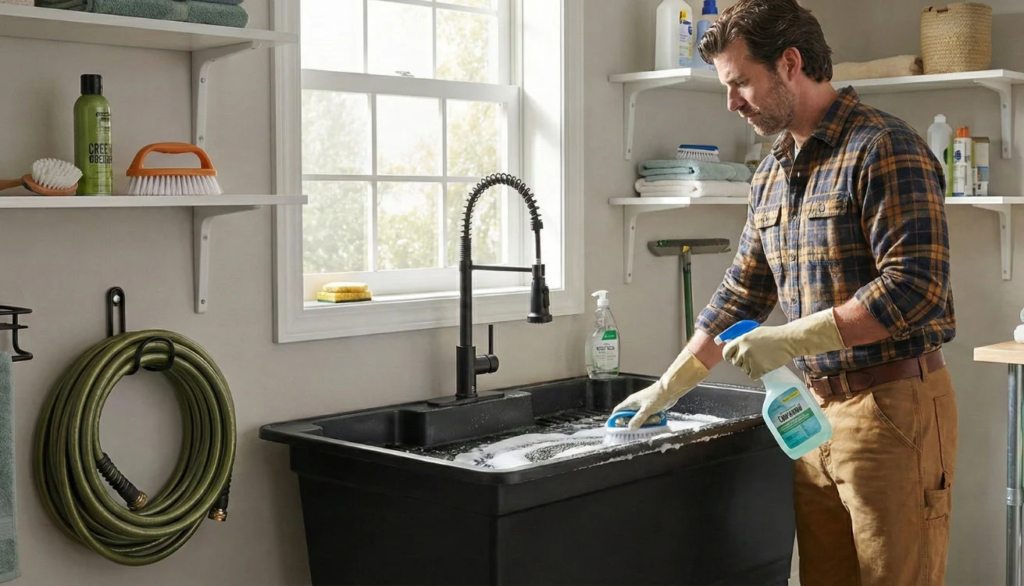
Baking soda, vinegar, dish soap, salt, and hot water can handle many light cleaning jobs. They cost little and are easy to store.
- Make a weekly cleaning routine
Pick one day each week to clean the drain. For example, after your last big meal cleanup, rinse the sink, empty the strainer, and flush the drain with hot water.
- Buy reusable drain strainers
A good strainer can save money by stopping clogs before they start. Metal strainers often last longer than cheap plastic ones.
- Keep basic tools nearby
Store gloves, a plunger, a small bucket, and towels under or near the sink. When a clog happens, you can act fast instead of searching for supplies.
- Fix small clogs early
Do not wait until the sink fully stops draining. If water slows down, clean the drain that day. Small clogs are easier, cleaner, and cheaper to fix.
Stylish and Practical Sink Area Ideas
A clean sink area can be both useful and beautiful. Since the sink is one of the busiest spots in the kitchen, it should work well and look calm. Small design choices can make cleanup easier and improve the whole space.
- Choose a matching sink strainer
A sink strainer does not have to look cheap or out of place. Choose a finish that matches your faucet, such as stainless steel, matte black, brass, or chrome.
- Add under-sink storage bins
Use bins to group cleaning supplies, sponges, trash bags, and drain tools. Clear bins make items easy to find. Baskets can add warmth if your cabinet area is visible.
- Use labeled cleaning bottles
Refillable bottles keep the sink area neat. Labels help you avoid mixing products and make the space feel more organized.
- Hide tools neatly
A plunger and drain snake are useful, but they do not need to sit in plain sight. Store them in a bin or behind a cabinet door. If your under-sink area needs a refresh, matching accessories with fresh cabinet paint can make the space feel cleaner.
- Keep counters clutter-free
A cluttered sink area makes even a clean kitchen feel messy. Keep only daily-use items near the sink. Store extra brushes, bottles, and cloths away.
- Match accessories with kitchen style
If you like calm, simple spaces, a sink area inspired by Japandi style can feel clean and peaceful. Use neutral colors, simple containers, and natural textures. If you prefer a relaxed and cozy look, boho style touches like woven baskets, warm tones, and handmade soap dishes can add personality without clutter.
When to Call a Plumber
DIY methods can solve many sink clogs, but not all of them. Sometimes, calling a plumber is the safer and smarter move. This is especially true when the problem keeps coming back or affects more than one drain.
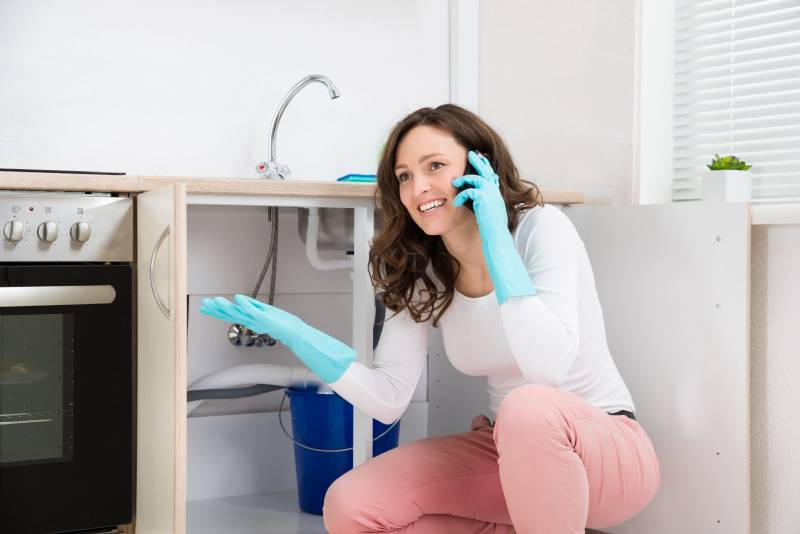
- Clogs keep coming back
If your sink clogs again soon after you clear it, the blockage may sit deeper in the line. It may also involve pipe shape, old buildup, or a problem beyond the sink.
- Water leaks under the sink
Leaks can damage cabinets, flooring, walls, and nearby storage. If you see dripping, water stains, swelling, or moldy smells, stop using the sink and get help.
- Bad smells do not go away
A bad smell that stays after cleaning may point to trapped food, a dirty disposal, venting issues, or sewer gas problems. A plumber can find the source safely.
- Multiple drains are clogged
If the kitchen sink, bathroom sink, tub, or toilet all drain slowly, the issue may be in the main drain line. This is not a normal sink clog.
- DIY methods do not work
If boiling water, plunging, P-trap cleaning, and snaking do not fix the issue, the clog may be too deep or too solid. Professional tools can clear the line without guesswork.
Conclusion
A kitchen sink clogged problem is annoying, but it does not always mean a major repair. Start with safe steps, use simple tools, and avoid harsh chemicals when they may cause damage. Most clogs come from grease, food scraps, and poor drain habits. With regular cleaning, a good strainer, and smart sink-area organization, you can keep your kitchen sink draining well and looking good.
Frequently Asked Questions
Your garbage disposal can still run even when the drain line is blocked. The disposal only grinds food inside its chamber. If the clog sits after the disposal, water will still back up. This often happens when grease, rice, pasta, or food scraps collect farther down the pipe. Try plunging the sink, cleaning the P-trap, or using a drain snake. If the clog keeps coming back, call a plumber.
You can pour boiling water down some kitchen sinks, but use care. Boiling water may help melt grease and loosen soap buildup. However, very hot water can stress certain PVC pipes, damage old seals, or crack a cold porcelain sink. A safer choice is very hot tap water mixed with dish soap. Pour it slowly and test the drain after a few minutes.
The fastest safe method is often plunging. To unclog kitchen sink with plunger, cover the drain with the plunger cup, keep a tight seal, and plunge firmly for 20 to 30 seconds. For a double sink, block the other drain with a wet cloth. If plunging does not work, clean the P-trap or use a drain snake.
Yes, baking soda and vinegar are usually safe for most kitchen drains. They can help with light buildup and odors. However, they may not clear a heavy clogged sink drain. Also, do not mix them with chemical drain cleaners. Mixing products can create fumes or splashing. Use baking soda and vinegar as a gentle cleaning method, not a guaranteed fix for deep clogs.
A double kitchen sink clogged problem often happens when the blockage sits after the two sink drains connect. Water from one basin tries to drain but hits the clog. Then it backs up into the other basin. Cover one drain and plunge the other to build pressure. If that fails, check the P-trap or use a drain snake.
Clean your kitchen sink drain once a week for best results. A simple hot water flush, baking soda and vinegar treatment, or hot water with dish soap can help reduce buildup. Also clean the strainer daily if you cook often. Regular cleaning keeps odors away and lowers the chance of a kitchen sink drain blockage.
Yes, grease is one of the most common causes of a kitchen sink clog. Grease may go down as a liquid, but it cools and hardens inside the pipe. Then it catches crumbs, soap, and food scraps. Over time, this creates a thick blockage. Always let grease cool in a container and throw it in the trash.
Call a plumber if the sink keeps clogging, water leaks under the sink, bad smells stay after cleaning, or several drains in the home are slow. You should also call if DIY methods do not work. A plumber can check for deeper clogs, pipe damage, main line issues, or venting problems.