
Interior design DrHomey is all about making a home feel beautiful, useful, and comfortable without spending too much money. It focuses on simple choices, smart layouts, cozy details, and practical upgrades. With the right plan, even a small change can make a room feel fresh, calm, and personal.
What Is Interior Design DrHomey?
Interior design DrHomey is a practical way to design a home around comfort, function, and style. It does not depend on expensive furniture or luxury décor. Instead, it uses smart planning, clean spaces, good lighting, useful storage, and personal touches to make each room work better. The main idea is simple: a home should look good, feel good, and support daily life. Drhomey interior design works especially well for people who want stylish rooms but also need easy, realistic, and budget-friendly solutions.
Why Interior Design DrHomey Works for Modern Homes?
Modern homes often need to do many jobs at once. A living room may also become a work area. A bedroom may need extra storage. A small kitchen may need to feel open and easy to use. That is why interior design DrHomey works so well. It focuses on real life, not just pretty photos. It helps rooms feel organized, bright, and comfortable. With smart furniture choices, soft colors, better lighting, and useful décor, the home feels more peaceful without a full renovation.
Benefits of Interior Design DrHomey
The biggest benefit of interior design DrHomey is that it makes decorating feel simple. It gives every room a clear purpose and helps remove things that do not add comfort or value. It also supports better space planning, easy cleaning, and a more relaxed home. These drhomey home design tips can turn a plain room into a warm and useful space.
- Budget-Friendly Home Updates
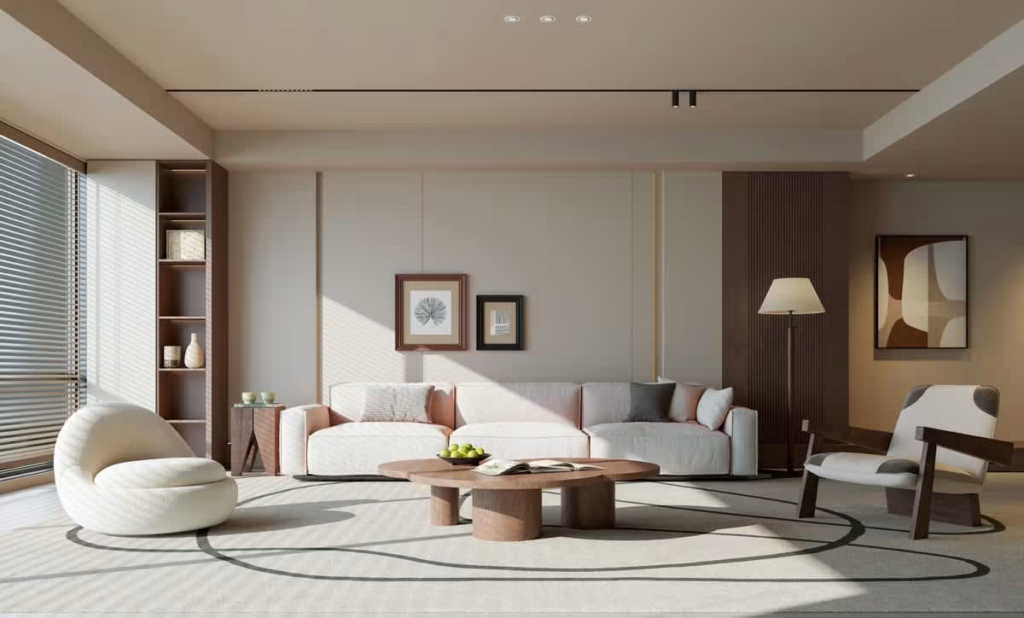
Drhomey home improvement does not mean buying everything new. A fresh coat of paint, updated cushions, better curtains, framed prints, and cleaner surfaces can change the mood of a room quickly. Small updates often work like a fresh haircut for the home.
- Better Use of Small Spaces
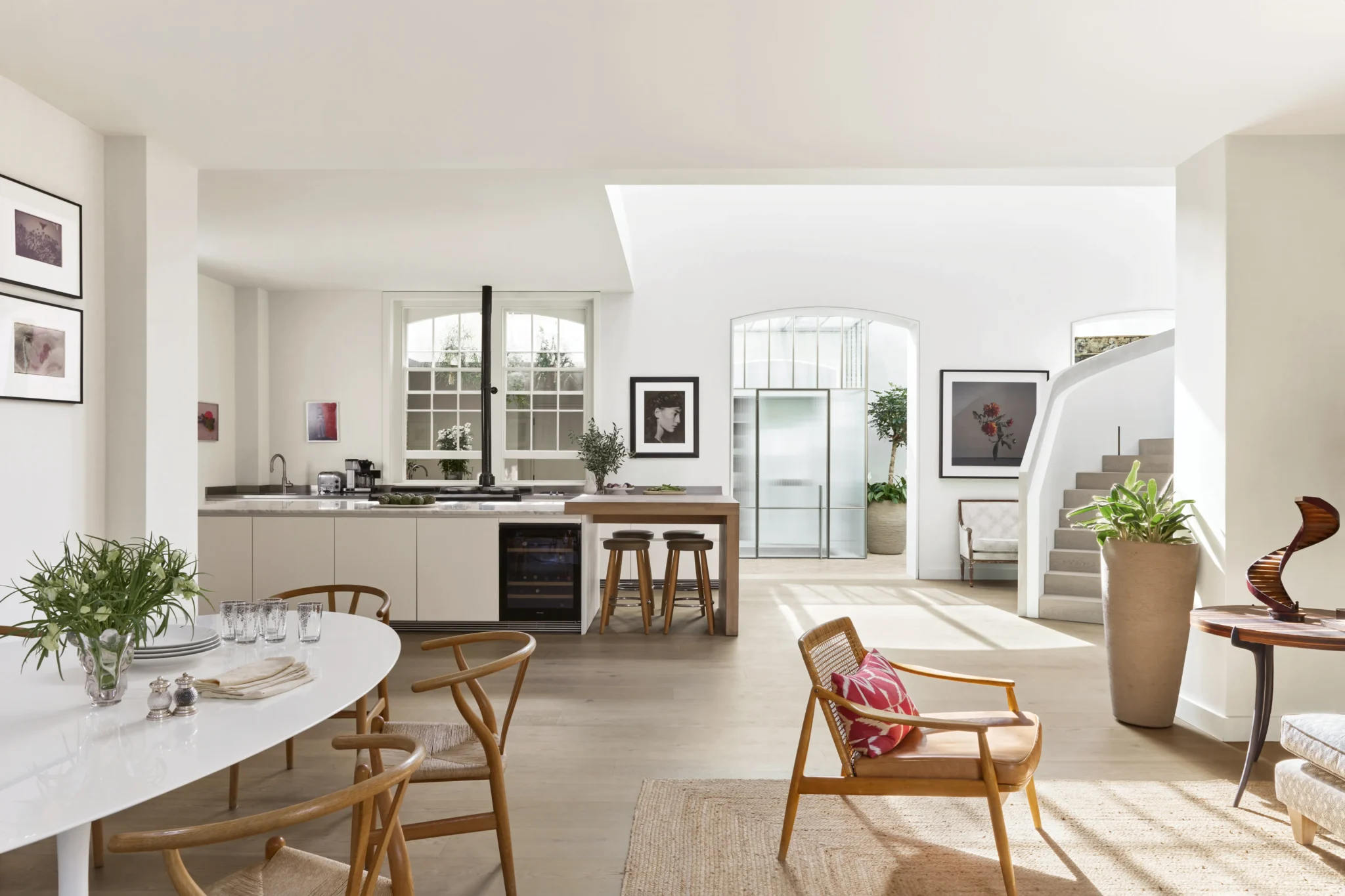
Small rooms need smart choices. Interior design tips DrHomey often include slim furniture, wall storage, light colors, mirrors, and hidden storage. These ideas help a room breathe. When every item has a purpose, even a tiny apartment can feel open and easy to live in.
- A More Comfortable Daily Routine
A well-designed room should make daily life smoother. Place storage near where items are used. Keep walkways clear. Add lamps where reading or working happens. These simple drhomey interior tips help the home support routines instead of making them harder.
- Stylish Rooms Without Overdecorating
A stylish room does not need to be full. In fact, too much décor can make a space feel noisy. Drhomey decorating ideas focus on a few strong pieces, soft textures, simple colors, and personal accents. The result feels calm, not crowded.
Core Principles of Interior Design DrHomey
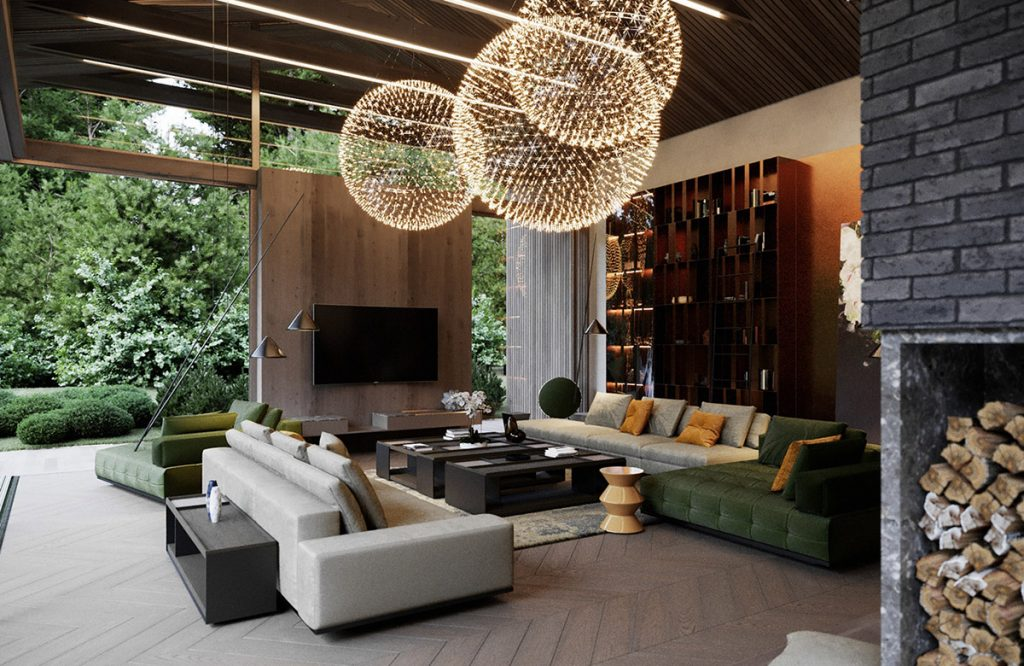
The core of interior design DrHomey is balance. A room should feel cozy but not messy, stylish but not expensive, and personal but not overloaded. Think of the room like a good outfit. Each piece should work with the others. Colors, furniture, lighting, and décor should support one clear mood.
- Comfort First
Comfort is the heart of drhomey interior design. Choose seating that feels good, bedding that helps sleep, and layouts that make movement easy. A room may look beautiful, but if it feels stiff or awkward, it misses the point.
- Simple Color Choices
Simple colors make decorating easier. Soft white, beige, cream, gray, sage, warm brown, and muted blue work well in many rooms. Then, add one or two accent colors through pillows, rugs, artwork, or small décor pieces.
- Functional Furniture
Furniture should earn its place. A storage ottoman, nesting tables, a bed with drawers, or a slim console can add style and function. Drhomey room design works best when furniture supports the room’s purpose instead of only filling space.
- Smart Storage
Good storage keeps the home peaceful. Use baskets, shelves, drawer organizers, hooks, and cabinets to reduce clutter. Storage should be easy to reach and simple to maintain. When storage is too complex, clutter usually comes back fast.
- Personal Touches
A home should tell a quiet story about the people who live there. Family photos, travel pieces, handmade décor, favorite books, plants, or meaningful art can make a space feel warm. Personal touches make a room feel lived-in, not copied.
How to Start Interior Design DrHomey at Home?
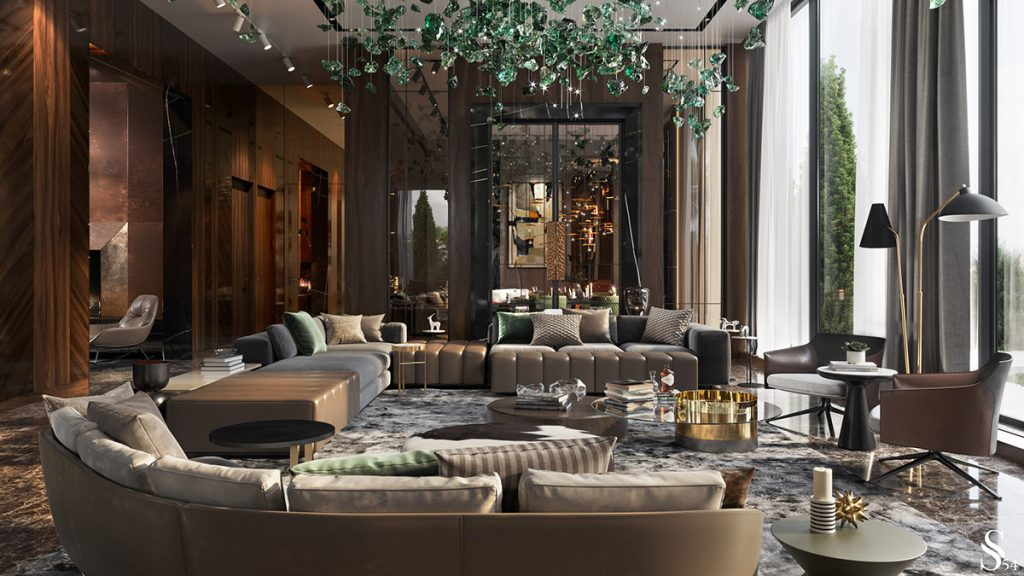
The easiest way to start interior design DrHomey is to avoid doing the whole home at once. Start small, make one room better, and then carry the same ideas into other spaces. For a beginner-friendly starting point, this guide to room décor can help with simple steps for choosing colors, furniture, and accents.
- Choose One Room First
Pick the room that affects daily life the most. This may be the living room, bedroom, kitchen, or home office. Starting with one room keeps the process clear. It also helps avoid buying random décor that does not fit.
- Remove Clutter
Before buying anything, remove what no longer belongs. Clear tables, floors, counters, and corners. Clutter is like background noise in a room. Once it is gone, the space feels bigger, lighter, and easier to decorate.
- Pick a Main Color Palette
Choose two or three main colors before shopping. For example, use warm white, natural wood, and olive green. A simple color palette helps furniture, curtains, rugs, and décor work together instead of fighting for attention.
- Improve Lighting
Lighting can change a room more than most people expect. Use a mix of ceiling lights, table lamps, floor lamps, and natural light. Warm bulbs make spaces feel cozy, while bright task lights help with cooking, reading, or working.
- Rearrange Furniture
Sometimes the best update costs nothing. Move furniture away from walls, create conversation areas, and keep paths open. A better layout can make a room feel new. Good furniture placement is one of the most useful drhomey home decor ideas.
- Add Affordable Décor
Once the room is clean, organized, and well-lit, add affordable décor. Try cushions, throws, rugs, candles, frames, plants, trays, or vases. Choose fewer pieces with better impact. This keeps the room stylish without making it feel crowded.
Interior Design DrHomey Ideas by Room
Drhomey interior design ideas work best when each room gets its own plan. A bedroom needs calm. A kitchen needs function. A living room needs comfort and flow. A bathroom needs storage and freshness. When each space has a clear purpose, the whole home feels more connected.
- Living Room Ideas
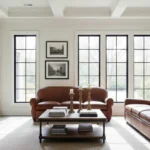
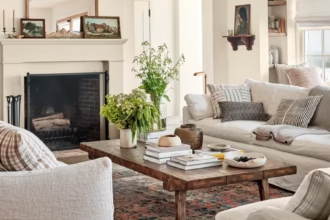
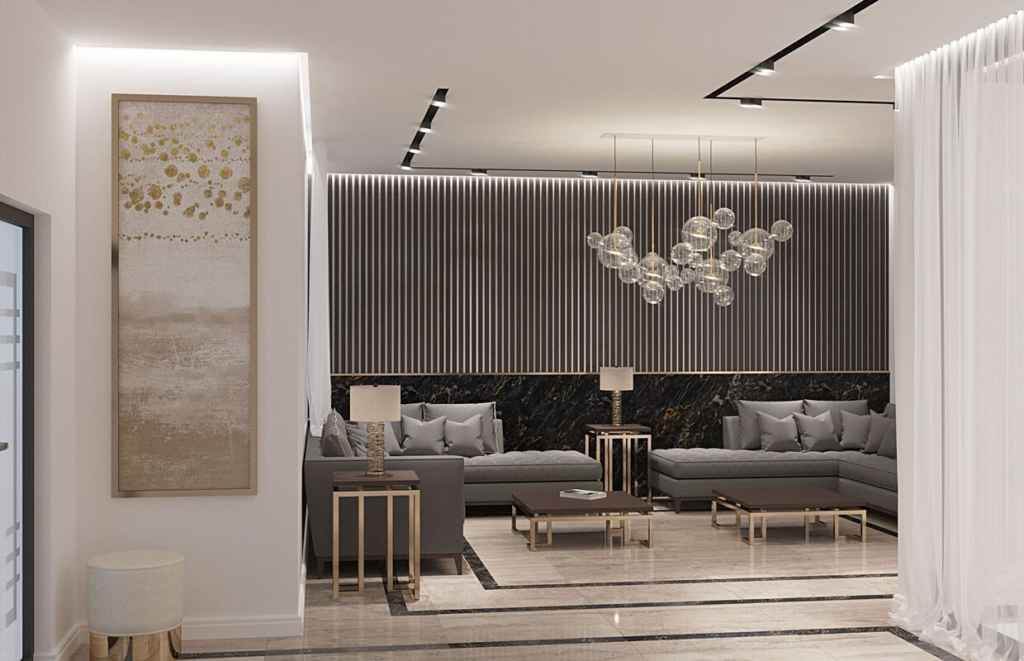
For the living room, focus on seating, lighting, and one main focal point. This could be a sofa, fireplace, media wall, or artwork. Add a soft rug, side tables, layered lamps, and simple wall décor to bring personality without overdecorating.
- Bedroom Ideas
A bedroom should feel restful. Use soft bedding, calm colors, warm lighting, and limited décor. Keep nightstands simple. Add curtains that control light and a rug that feels soft underfoot. The goal is to make sleep feel easy.
- Kitchen Ideas
In the kitchen, focus on clean counters, useful storage, and easy movement. Use jars, trays, drawer dividers, hooks, and cabinet organizers. Add warmth with a runner rug, small plant, or open shelf. A kitchen should feel fresh but still practical.
- Bathroom Ideas
Bathroom décor should mix cleanliness, comfort, and smart storage. Use baskets, hooks, shelves, matching towels, and simple containers. A mirror, plant, and warm light can make the space feel softer. For more ideas, this bathroom décor guide can help.
- Small Apartment Ideas
Small apartments need flexible furniture and clear zones. Use a sofa bed, foldable table, wall shelves, light curtains, and mirrors. Keep the floor as open as possible. When furniture has more than one use, the home feels larger and easier to manage.
Best Budget Décor Tips for Interior Design DrHomey
Budget decorating works best when every purchase has a purpose. Before buying, ask: Will this make the room more useful, more comfortable, or more beautiful? If the answer is no, skip it. Drhomey home improvement is not about spending more. It is about choosing better.
- Use Paint for a Quick Refresh
Paint is one of the fastest ways to refresh a room. Try an accent wall, repaint old furniture, or update kitchen cabinets. If the kitchen feels dated, choosing the right cabinet paint can create a big change without replacing cabinets.
- Upgrade Cushions and Curtains
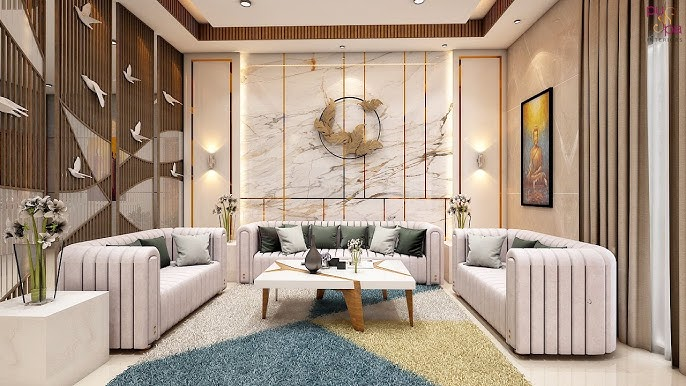
Cushions and curtains can change the mood of a room in one afternoon. Use soft fabrics, balanced colors, and simple patterns. For example, cream curtains with green cushions can make a room feel calm, fresh, and pulled together.
- Add Mirrors for More Light
Mirrors help bounce light around a room. Place one across from a window or near a dark corner. A mirror can make a room feel wider, brighter, and more open. It is a simple trick with a big effect.
- Use Baskets and Shelves
Baskets hide everyday clutter, while shelves use empty wall space. Together, they make storage look intentional. For stylish and practical ideas, this guide to wall shelves fits well with DrHomey-style smart storage.
- Mix Old and New Pieces
A room feels more interesting when old and new pieces work together. Keep a vintage table, repaint an old dresser, or style a thrifted lamp with modern décor. This adds character and saves money at the same time.
Common Interior Design Mistakes to Avoid
Even simple decorating can go wrong without a clear plan. The most common mistakes include buying too fast, choosing items that are too large, using too many colors, and forgetting lighting. Interior design tips DrHomey help avoid these problems by focusing on comfort, balance, and purpose first.
- Buying Furniture Too Large
Large furniture can make a room feel tight and heavy. Always measure before buying. Leave space for walking, opening drawers, and moving around. Furniture should fit the room like good shoes: comfortable, useful, and the right size.
- Ignoring Lighting
A room with poor lighting can feel dull even with beautiful décor. Do not rely on one ceiling light. Add lamps, wall lights, or under-cabinet lights where needed. Good lighting makes colors, textures, and furniture look better.
- Using Too Many Colors
Too many colors can make a room feel busy. Choose a simple base and add accents carefully. For example, beige, white, and wood can work with black accents or soft green details. This keeps the space calm and easy on the eyes.
- Filling Every Empty Space
Empty space is not a problem. It gives the room room to breathe. A blank wall, clear table, or open corner can make the design feel more elegant. Do not fill space just because it exists.
- Following Trends Blindly
Trends can inspire, but they should not control the whole home. Choose trends that match the room, budget, and lifestyle. A trendy item should still feel useful next year. Good design lasts longer than a social media moment.
How to Make Interior Design DrHomey Look Expensive?
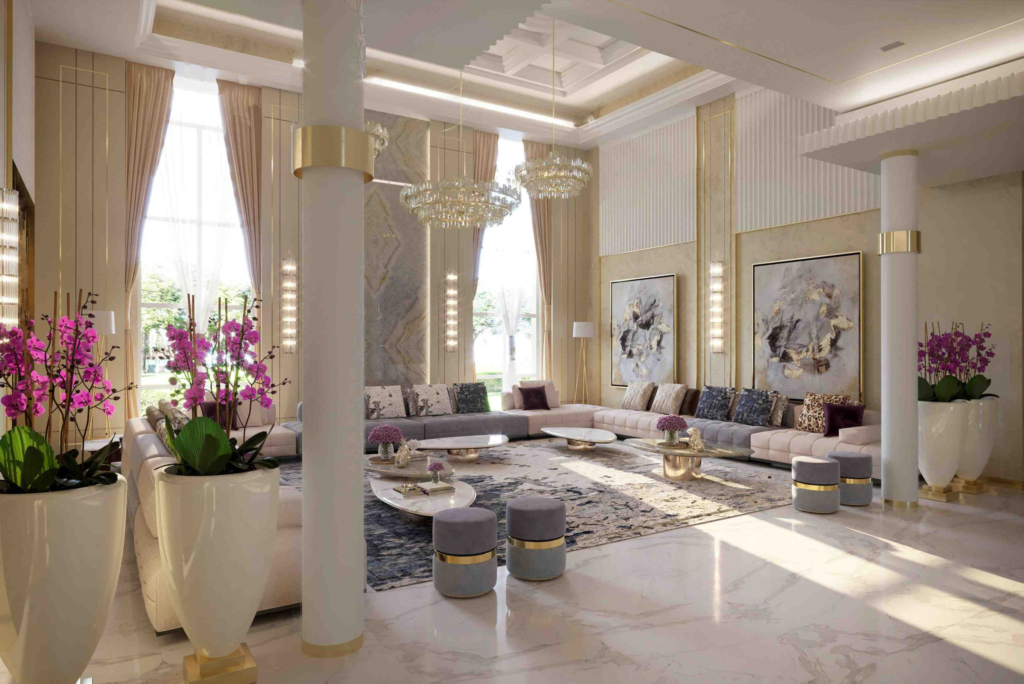
A home can look expensive without expensive items. The secret is order, balance, and thoughtful details. Clean lines, matching finishes, soft textures, warm lighting, and well-placed décor can make a room feel polished. Drhomey interior tips focus on simple upgrades that create a high-end feeling.
- Keep Surfaces Clean
Clear surfaces make a room feel more expensive right away. Keep counters, coffee tables, and nightstands simple. Use a tray, one vase, a candle, or a book stack. Too many small items can make even nice décor look messy.
- Choose Matching Finishes
Matching finishes help a room feel planned. Try to repeat similar wood tones, metal finishes, or fabric colors. For example, black curtain rods, black frames, and black lamp bases can make a room look more connected.
- Layer Rugs, Lamps, and Textures
Layering adds depth. Use a rug, throw blanket, cushions, curtains, and lamps to make a space feel finished. Mix smooth, soft, woven, and natural textures. This makes the room feel warm without adding too many objects.
- Use Framed Art
Framed art makes walls feel intentional. It does not need to be expensive. Use prints, personal photos, simple line art, or DIY artwork. Matching frames can make even budget prints look polished and stylish.
- Add Plants and Natural Materials
Plants, wood, stone, rattan, cotton, and linen bring life into a room. Natural materials make the home feel calm and grounded. Even one plant on a shelf or table can soften the look of a space.
Interior Design DrHomey Checklist
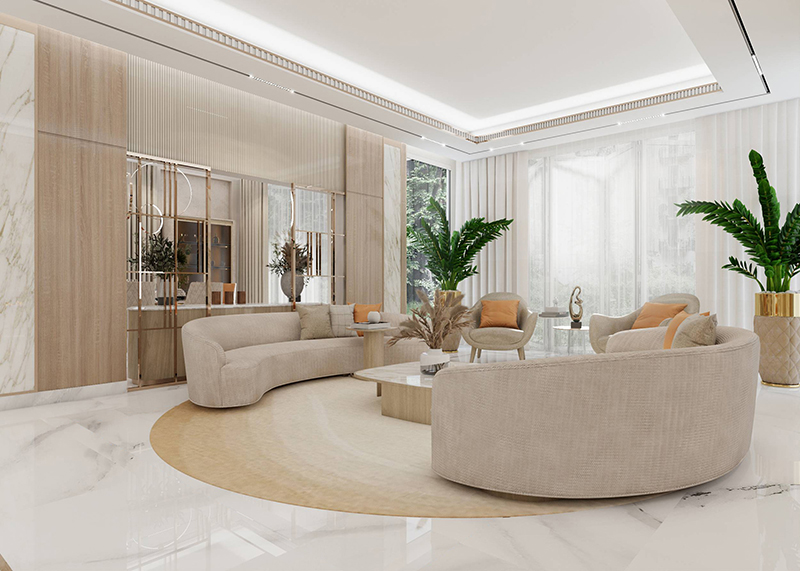
A checklist makes decorating easier because it turns a big project into small steps. Before changing a room, review the purpose, colors, lighting, storage, décor, and budget. This keeps choices focused. Drhomey home design tips work best when the plan stays simple and realistic.
- Room Purpose
Decide what the room needs to do. Is it for relaxing, sleeping, cooking, working, hosting, or storage? A room with a clear purpose is easier to design. Every furniture piece and décor item should support that purpose.
- Color Palette
Choose a main color palette before buying décor. Use two base colors and one accent color. This simple rule keeps the room balanced. It also helps when choosing rugs, curtains, cushions, paint, and artwork.
- Lighting Plan
Plan lighting for different needs. Use general lighting for the whole room, task lighting for activities, and accent lighting for mood. A good lighting plan can make even simple furniture look more beautiful.
- Storage Needs
List what needs storage before choosing cabinets, baskets, or shelves. Books, toys, towels, kitchen tools, shoes, and papers all need a home. Good storage prevents clutter from spreading across the room.
- Décor Accents
Choose décor accents with care. Add items that bring warmth, color, texture, or meaning. A plant, framed print, lamp, basket, or throw blanket can do more than a pile of random decorations.
- Budget Limit
Set a budget before shopping. Divide it into paint, furniture, storage, lighting, and décor. A clear budget protects against impulse buys. It also helps focus on updates that make the biggest difference first.
Conclusion
Interior design DrHomey proves that a beautiful home does not need to be costly or complicated. With simple colors, better lighting, useful furniture, smart storage, and personal décor, every room can feel more comfortable and stylish. Start with one space, make small changes, and build from there. A home improves step by step, like a garden growing season by season.
Frequently Asked Questions
Interior design DrHomey is a simple and practical approach to home design. It focuses on comfort, function, style, storage, lighting, and budget-friendly décor. The goal is to make each room feel useful, beautiful, and easy to live in.
Yes, interior design DrHomey works very well for small homes. It uses smart storage, light colors, mirrors, simple furniture, and clear layouts to make small rooms feel more open and organized.
Yes. You can use drhomey decorating ideas with paint, cushions, curtains, shelves, baskets, plants, and secondhand furniture. Small updates can make a big difference when they match the room’s purpose.
Soft and simple colors work best. Try warm white, beige, cream, light gray, sage green, soft blue, or natural wood tones. Then add one or two accent colors through décor.
Start by removing clutter, improving lighting, rearranging furniture, and adding a rug, cushions, plants, and wall art. Keep the layout comfortable and make sure the room has one clear focal point.
The easiest room to decorate first is usually the bedroom or living room. These spaces often need simple changes like better lighting, softer textiles, cleaner surfaces, and a clearer color palette.
No, you do not need a professional designer. Drhomey interior design ideas are simple enough to apply at home. Start with one room, use a checklist, and make small changes one step at a time.
Rearrange the furniture, clear clutter, update lighting, add cushions, use framed art, style shelves, and bring in plants. You can also repaint old pieces or change hardware for a fresh look.