
Homenumental house infoguide by homehearted is a simple way to think about a better home: comfortable, organized, stylish, and easy to live in. A good home does not need to be expensive or perfect. It only needs smart choices that support your daily life.
What Is Homenumental House Infoguide by Homehearted?
The homenumental house guide is a practical approach to making each part of the home work better. It combines home decorating ideas, storage planning, simple design choices, and daily comfort. Instead of focusing only on beauty, it looks at how a home feels, functions, and supports normal routines.
The idea behind the homehearted infoguide is simple. Every room should have a purpose, every item should have a place, and every design choice should make life easier. That makes it useful for houses, apartments, rentals, and small spaces.
Why This Home Guide Matters?
A home can look nice in photos but still feel hard to use. That happens when storage, lighting, layout, and comfort are not planned together. The homenumental home guide helps solve that problem by treating the home as one connected space.
For example, a messy kitchen can slow down cooking. A dark living room can feel smaller. A cluttered bedroom can affect rest. When you improve these small details, your home starts to feel calmer, cleaner, and more welcoming.
Benefits of a Well-Planned Home
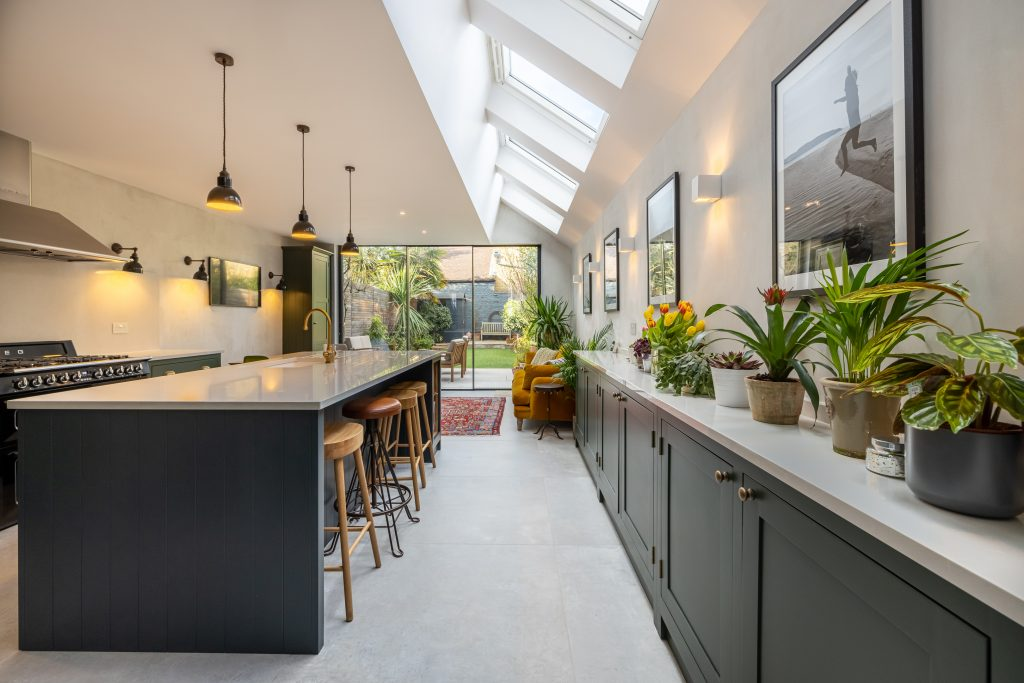
A well-planned home saves time, reduces stress, and makes daily tasks easier. It also helps you enjoy your space more without needing a full renovation. With the right homenumental house ideas, small changes can create a big difference in comfort, style, and function.
- Better Daily Comfort
Comfort starts with how a room supports your habits. A chair near good lighting, a clear pathway, or a soft rug underfoot can change how a room feels. These small homehearted home tips make everyday living smoother and more pleasant.
- Easier Cleaning
Cleaning becomes easier when fewer things sit on surfaces. Clear counters, labeled storage, and baskets for loose items all help. A tidy layout works like a map, showing where everything belongs and making cleanup quicker.
- Smarter Storage
Good storage is not about hiding everything. It is about placing items where they make sense. Store cooking tools near the stove, towels near the shower, and chargers near seating areas. Smart storage saves steps and avoids daily frustration.
- Lower Home Stress
Clutter can make a room feel loud even when it is silent. A calm home needs breathing space. When you reduce visual mess and give every item a place, your home feels more peaceful and easier to manage.
- Better Use of Space
Even a small home can work well when the layout is planned. Use corners, walls, under-bed areas, and multi-use furniture. The goal is not to fill every inch. The goal is to make every inch useful.
How to Start Improving Your Home?
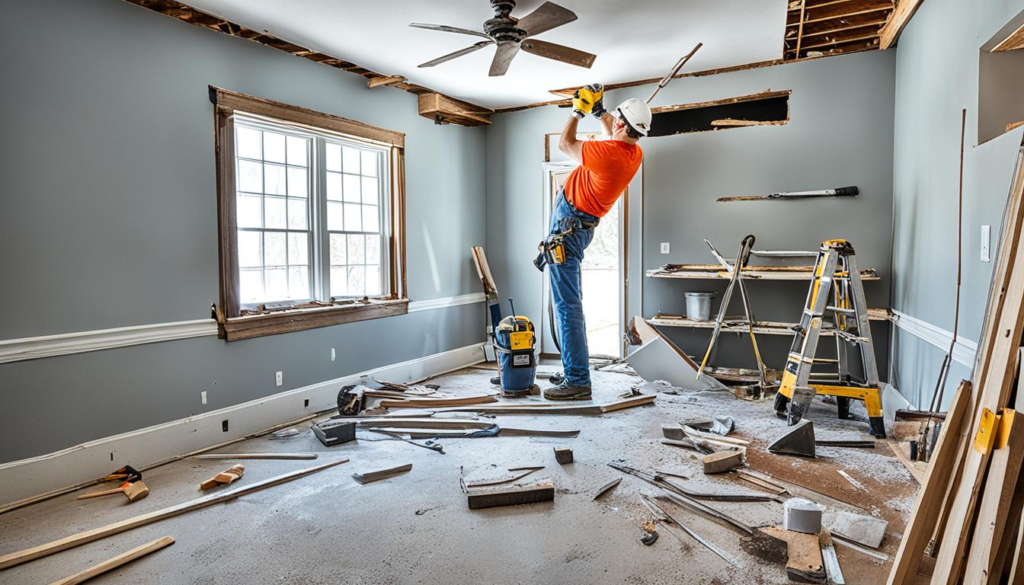
The best way to begin homenumental home improvement is to start small. Do not try to fix every room in one weekend. Walk through your space, notice what bothers you, and pick one area to improve first. For more beginner steps, this guide on how to decorate a room is a helpful place to start.
- Walk Through Every Room
Move slowly through your home and look at each room with fresh eyes. Ask yourself what feels messy, dark, crowded, or unfinished. Take quick notes. This step helps you see problems before buying anything.
- List Daily Problems
Write down the small issues you face often. Maybe shoes pile up near the door. Maybe your kitchen drawers are hard to use. Maybe your bedroom has no place for extra blankets. These problems guide your first upgrades.
- Set a Small Budget
You do not need a huge budget to improve your home. Start with a simple amount you can spend comfortably. Budget home decor ideas work best when you plan before shopping and avoid impulse buys.
- Choose One Room First
Pick the room that affects your daily life most. For many homes, this may be the kitchen, bedroom, or living room. One finished room gives you confidence and creates momentum for the next project.
- Track Your Progress
Take before-and-after photos, keep a checklist, or write down what you changed. Progress feels better when you can see it. This also helps you learn what works for your home and what does not.
Smart Living Room Ideas
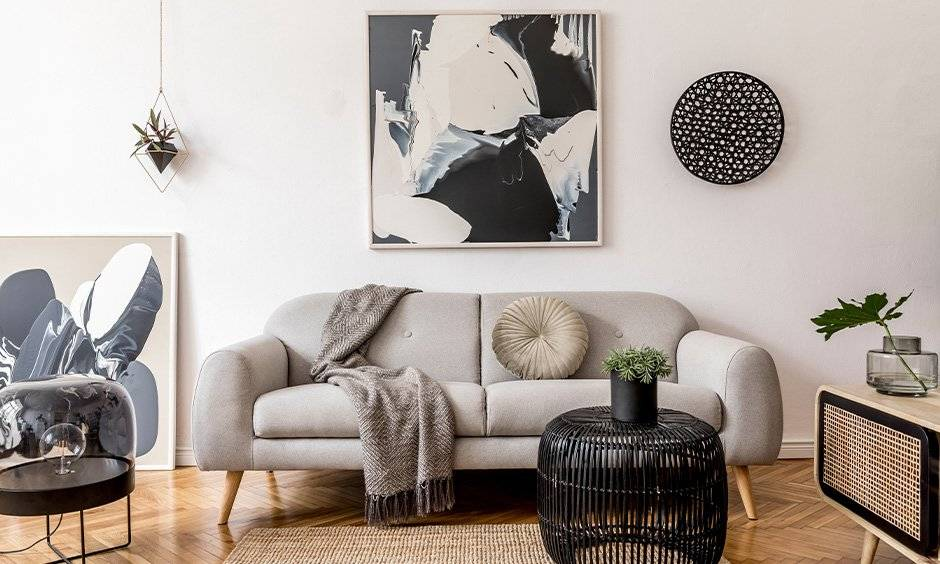
The living room often works as a family room, guest space, TV area, reading corner, and sometimes even a work zone. Smart living room makeover ideas focus on comfort, flow, and storage. You want the room to feel open, useful, and easy to relax in.
- Arrange Furniture Better
Start with the largest pieces first. Place the sofa where it supports conversation, TV viewing, or a focal point like a window. Keep walkways clear. A better layout can feel like a free makeover because it changes the room without buying anything.
- Add Cozy Lighting
One ceiling light is rarely enough. Add floor lamps, table lamps, or warm LED bulbs to create layers. Lighting is like seasoning in food. Too little makes the room flat, while the right amount makes everything feel better.
- Use Simple Wall Décor
Blank walls can make a room feel unfinished. Add framed prints, mirrors, shelves, or a small gallery wall. If you need more inspiration, explore these wall décor ideas for affordable ways to add personality without clutter.
- Choose Hidden Storage
Storage ottomans, side tables with drawers, and TV stands with cabinets can hide remotes, games, blankets, and cables. Hidden storage keeps the living room clean while still keeping everyday items nearby.
- Refresh Soft Furnishings
Pillows, throws, rugs, and curtains can change the mood of a room quickly. Try simple home decor ideas like mixing textures, using soft colors, or adding one bold accent. These updates cost less than new furniture but still feel fresh.
Kitchen Organization Tips
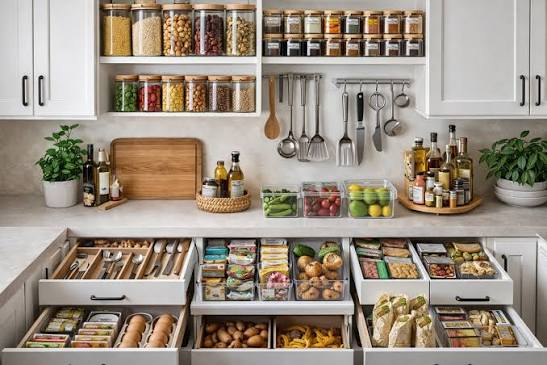
A kitchen works best when it supports how you cook, clean, and store food. Good kitchen organization is not about having a picture-perfect pantry. It is about making daily cooking easier. The homenumental house organization approach starts with zones, clear counters, and useful storage.
- Clear the Counters
Counters are work surfaces, not storage shelves. Keep only daily-use items out, such as a coffee maker, cutting board, or fruit bowl. Clear counters make the kitchen feel bigger and help cooking feel less stressful.
- Group Similar Items
Put baking tools together, breakfast items together, and snacks together. Grouping items makes it easier to find what you need. It also helps you avoid buying duplicates because you can see what you already own.
- Rotate Pantry Stock
Place older food near the front and newer food behind it. This simple habit reduces waste and saves money. It also makes pantry checks easier before grocery shopping.
- Use Drawer Dividers
Drawer dividers stop utensils, tools, and small items from becoming a tangled mess. They are small products with a big impact. Use them for cutlery, measuring spoons, food wraps, and even tea packets.
- Create Cooking Zones
A kitchen should work like a simple path: prep, cook, serve, clean. Store knives near cutting boards, pots near the stove, and plates near the serving area. If your kitchen has room for a kitchen island, it can add prep space and storage.
- Store Tools Near Use
The best place for an item is close to where you use it. Keep mugs near the coffee station, spices near the stove, and cleaning supplies near the sink. This small change can make the whole kitchen feel more efficient.
Bedroom Makeover Ideas
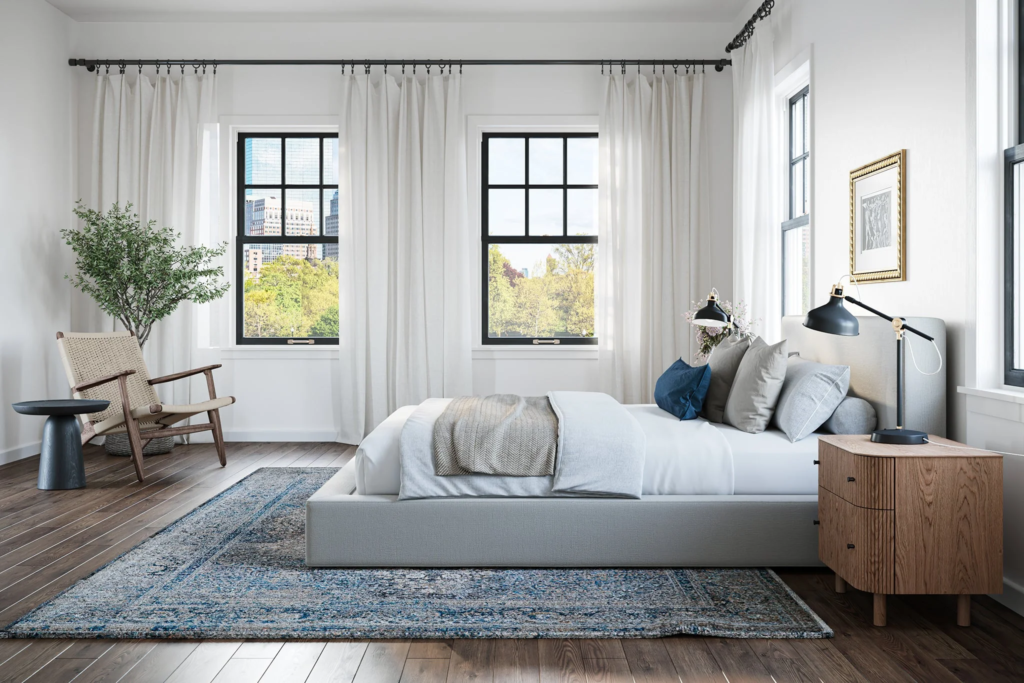
The bedroom should feel restful, not crowded. Strong bedroom makeover ideas focus on comfort, calm colors, soft lighting, and simple storage. You do not need a luxury bed or designer furniture. You need a space that helps you slow down.
- Improve the Bed Area
The bed is the main feature of the bedroom. Make it feel finished with clean bedding, supportive pillows, and a simple headboard or wall accent. Even a neatly made bed can make the whole room look better.
- Reduce Visual Clutter
Too many items on dressers, nightstands, and chairs can make the room feel busy. Keep only useful or meaningful items visible. Use trays, baskets, and drawers for everything else.
- Add Soft Lighting
Harsh lighting can make a bedroom feel cold. Use bedside lamps, warm bulbs, or small wall lights. Soft lighting helps the room feel calm in the evening and more comfortable before sleep.
- Use Under-Bed Storage
Under-bed space is useful for extra bedding, seasonal clothes, or shoes. Choose storage boxes with lids to protect items from dust. This is one of the easiest small room makeover ideas for bedrooms with limited closets.
- Pick Calming Colors
Soft neutrals, warm whites, muted greens, dusty blues, and gentle earth tones work well in bedrooms. Calming colors do not have to be boring. Add texture through bedding, curtains, rugs, and wood accents.
Bathroom Upgrade Tips
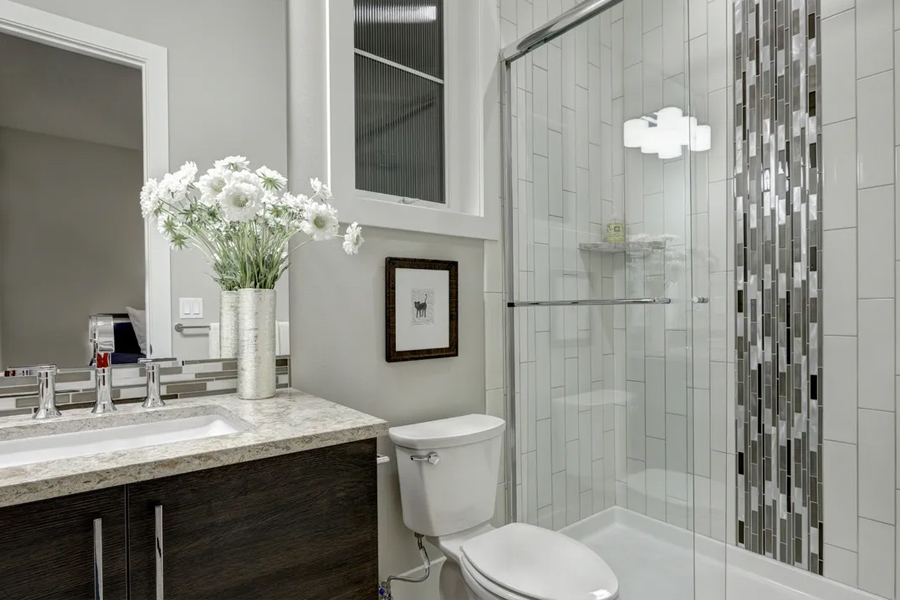
A bathroom should feel clean, bright, and easy to use. Even a small bathroom can look fresh with better storage, lighting, and textiles. If you want a deeper guide, this article on how to decorate a bathroom gives more practical styling ideas.
- Add Wall Storage
Bathrooms often have unused wall space. Add shelves, hooks, or slim cabinets above the toilet or near the sink. Wall storage helps keep counters clear and makes small bathrooms more useful.
- Use Matching Containers
Matching containers make everyday items look neater. Use simple jars, baskets, or pump bottles for cotton pads, soap, and bath products. This creates a cleaner look without hiding everything.
- Improve Mirror Lighting
Good mirror lighting helps with shaving, skincare, and makeup. Add light on both sides of the mirror if possible. If that is not practical, choose a brighter bulb or a mirror with built-in lighting.
- Replace Old Textiles
New towels, a clean bath mat, and a fresh shower curtain can make the bathroom feel new. Choose colors that match your style direction. This is one of the easiest budget room makeover updates.
- Keep Essentials Visible
Daily essentials should be easy to reach. Keep hand soap, a towel, and a few daily products visible. Store backup products elsewhere. This keeps the bathroom practical without looking crowded.
Small Space Solutions
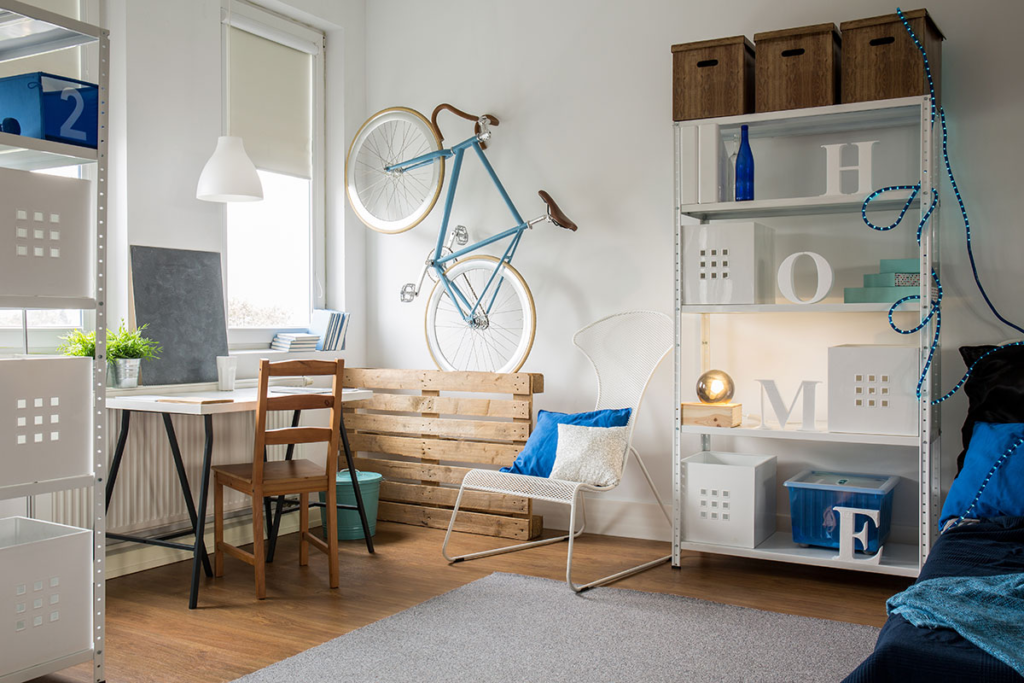
Small homes need smart choices. The goal is not to make every room look empty. The goal is to make every room feel open and useful. Small home decor ideas work best when storage, color, and furniture size work together.
- Use Vertical Storage
Walls are valuable storage space. Tall bookcases, hooks, pegboards, and wall shelves help free up floors and counters. Vertical storage draws the eye upward and makes a small room feel taller.
- Pick Multi-Use Furniture
Choose furniture that does more than one job. A storage bench can hold shoes. A sleeper sofa can host guests. A lift-top coffee table can work as a desk. Multi-use pieces are the heroes of apartment makeover ideas.
- Keep Walkways Open
A small space feels bigger when movement is easy. Avoid blocking doors, windows, or main paths. Leave enough space to walk around furniture without turning sideways.
- Choose Light Colors
Light colors reflect more light and help rooms feel open. White, cream, pale gray, soft beige, and light wood tones work well. Add warmth with texture so the space does not feel plain.
- Use Mirrors Wisely
Mirrors can reflect light and make a room feel larger. Place one across from a window or near a lamp. Avoid placing mirrors where they reflect clutter, because that can double the visual mess.
Budget-Friendly Home Upgrades
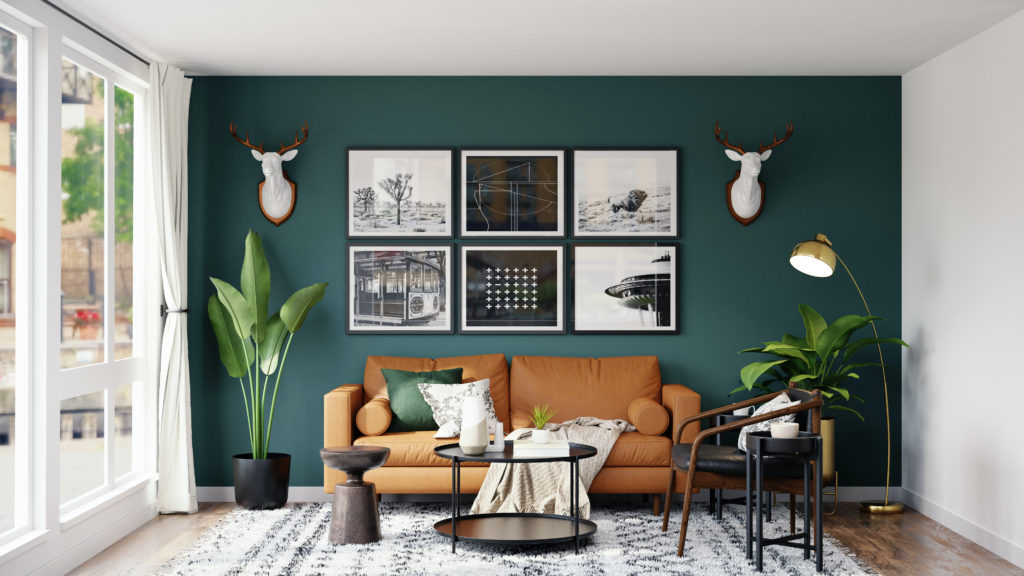
You do not need a full renovation to make a home feel better. Budget home decor ideas often create the most satisfying changes because they are simple, quick, and affordable. Focus on visible details that affect the room every day.
- Repaint Small Areas
Paint a door, trim, shelf, bathroom vanity, or one accent wall. Small paint projects cost less than painting an entire room. They also add fresh energy without a major commitment.
- Change Cabinet Handles
New cabinet handles can make old furniture or kitchen cabinets look updated. Choose a finish that works with your style, such as black, brass, nickel, or wood. Measure carefully before buying.
- Update Curtains
Curtains can change the height and softness of a room. Hang them higher and wider than the window to make the space feel larger. Light-filtering curtains are great for modern home decor because they feel airy.
- Add Peel-and-Stick Tiles
Peel-and-stick tiles can refresh a backsplash, laundry area, or small bathroom wall. They are useful for rental room makeover projects because many options are removable. Always check surface rules before applying them.
- Thrift Décor Pieces
Secondhand stores can be great for frames, lamps, baskets, mirrors, vases, and small furniture. Look for shape and quality, not just color. Paint and polish can give old pieces a new life.
- Reuse What You Own
Before buying new décor, shop your home. Move a lamp to another room, use a tray as a nightstand organizer, or turn jars into storage. Reusing items saves money and keeps your home personal.
DIY Projects for Beginners
DIY projects do not need to be complicated. Start with simple projects that need basic tools and low risk. Easy room makeover ideas should build confidence, not create stress. Choose projects you can finish in a day or weekend.
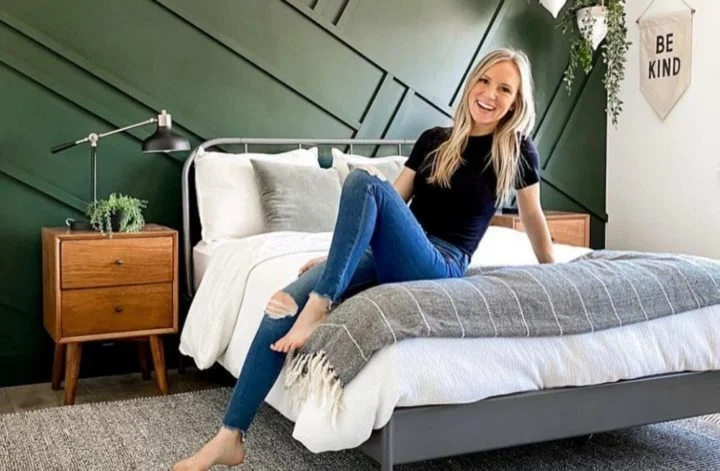
- Create a Gallery Wall
A gallery wall can use family photos, art prints, postcards, or thrifted frames. Lay everything on the floor first before hanging. Keep spacing consistent so the wall feels planned instead of random.
- Paint Old Furniture
An old side table, stool, or dresser can look new with paint. Clean the surface, sand lightly, prime if needed, and use thin coats. This DIY room makeover idea is affordable and rewarding.
- Build Simple Shelves
Simple shelves add storage and style. Use them for books, plants, baskets, or bathroom products. Start with a small shelf project before trying larger builds. Measure twice so the shelves fit the wall properly.
- Make Drawer Labels
Labels help everyone know where items belong. Use a label maker, stickers, or handwritten tags. This works well in kitchens, closets, bathrooms, and kids’ areas.
- Refresh Plant Pots
Paint plain pots, wrap them with rope, or place them inside baskets. Plants add life to a room, and better pots make them look more intentional. This is a quick project with a big visual payoff.
Smart Home Ideas for Everyday Use
Smart home tools should make life easier, not more confusing. Start with simple products that solve real problems. The best smart home ideas improve lighting, security, energy use, or daily routines.
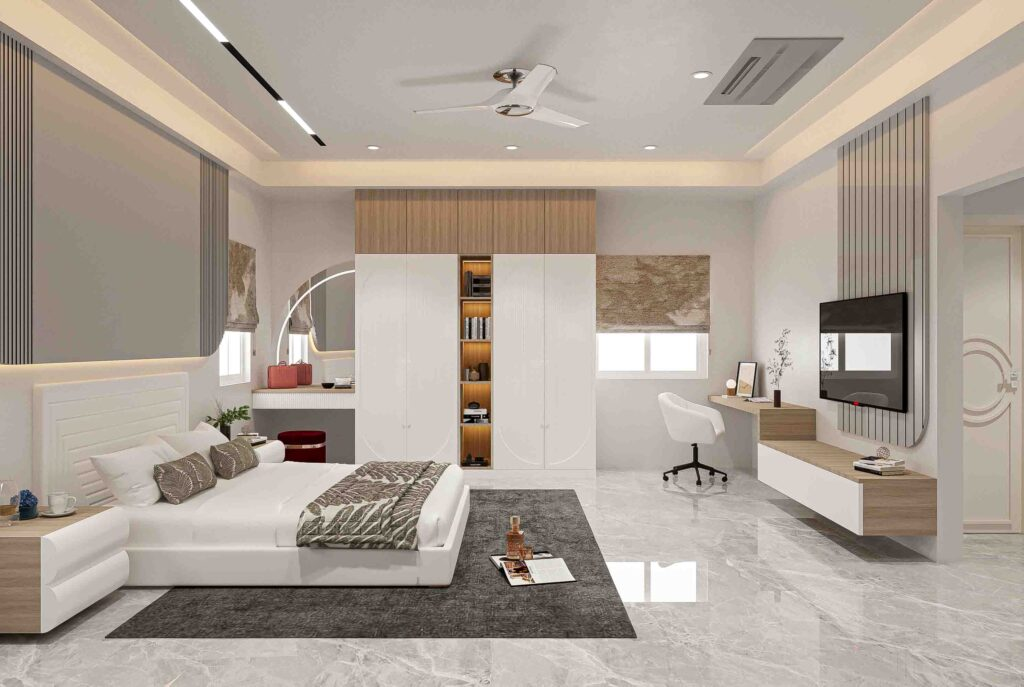
- Use Smart Bulbs
Smart bulbs let you adjust brightness and color temperature. Use bright light for tasks and warm light for relaxing. They are helpful in bedrooms, living rooms, and home offices.
- Add Motion Lights
Motion lights work well in hallways, closets, entryways, and under cabinets. They turn on when needed and help prevent fumbling in the dark. They are also useful for children and older family members.
- Try Smart Plugs
Smart plugs can control lamps, fans, coffee makers, or seasonal lights. You can set schedules or turn items off from your phone. This is a simple way to test smart home tools without spending much.
- Improve Home Security
Doorbell cameras, window sensors, and smart locks can add peace of mind. Choose products that fit your needs and budget. Good security should feel helpful, not overwhelming.
- Save Energy With Timers
Timers can turn lights and devices off automatically. This helps reduce wasted energy. It also supports better routines, like turning lamps on before evening or switching devices off at night.
Home Décor Trends to Try
Trends work best when they match your lifestyle. You do not need to follow every new style. Choose interior design ideas that feel timeless, useful, and easy to live with. The best trend is one you will still enjoy next year.
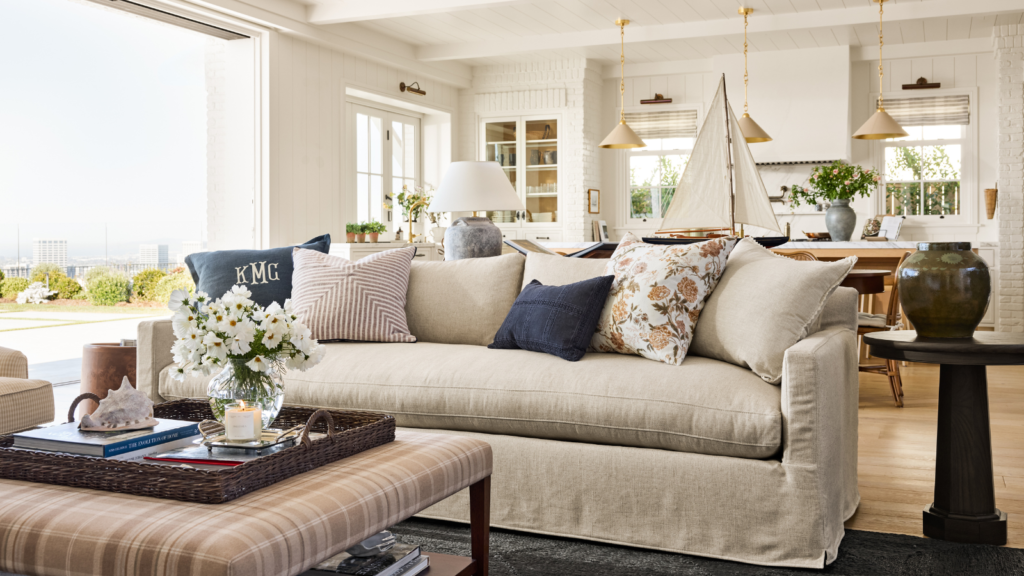
- Warm Minimalism
Warm minimalism keeps rooms simple but not cold. It uses clean lines, soft textures, and natural materials. Think of it as a quiet room with a warm blanket, not an empty white box.
- Natural Textures
Wood, linen, cotton, rattan, clay, jute, and stone add depth to a room. Natural textures make modern home decor feel more relaxed and human. They also mix well with many color schemes.
- Earthy Colors
Earthy colors include beige, terracotta, olive, clay, sand, and warm brown. These shades feel grounded and calm. Use them on walls, pillows, rugs, art, or small décor pieces.
- Vintage Accents
Vintage accents add character. A secondhand mirror, old wooden chair, brass lamp, or framed art can make a room feel collected over time. Mix vintage pieces with newer items for balance.
- Flexible Furniture
Flexible furniture supports real life. Folding tables, nesting tables, storage benches, modular sofas, and rolling carts can change as needs change. This makes them perfect for small homes and rentals.
Common Home Design Mistakes
Most design mistakes happen because people buy too quickly or plan too little. A beautiful item may still be wrong for your room. The best homenumental house design choices come from measuring, planning, and thinking about daily use first.
- Buying Before Measuring
Always measure before buying furniture, rugs, curtains, or shelves. Guessing can lead to pieces that are too large, too small, or hard to move around. Keep room measurements on your phone.
- Using Too Much Décor
Décor should support the room, not cover every surface. Too many small items can feel messy. Choose fewer pieces with more meaning, better size, or stronger texture.
- Ignoring Lighting
Lighting can make or break a room. A good room needs general lighting, task lighting, and mood lighting. Without layers, even expensive furniture can look flat.
- Blocking Movement
Furniture should not make daily movement difficult. Keep doorways, drawers, and main paths clear. A room that looks nice but feels hard to use is not truly well designed.
- Skipping Storage Planning
Storage should be part of the design from the beginning. If you decorate first and plan storage later, clutter often returns. Choose baskets, cabinets, shelves, and drawers that match your real habits.
How to Maintain a Better Home?
A better home needs simple maintenance. Once you improve a room, protect your progress with easy routines. Maintenance is like brushing your teeth. Small regular actions prevent bigger problems later.
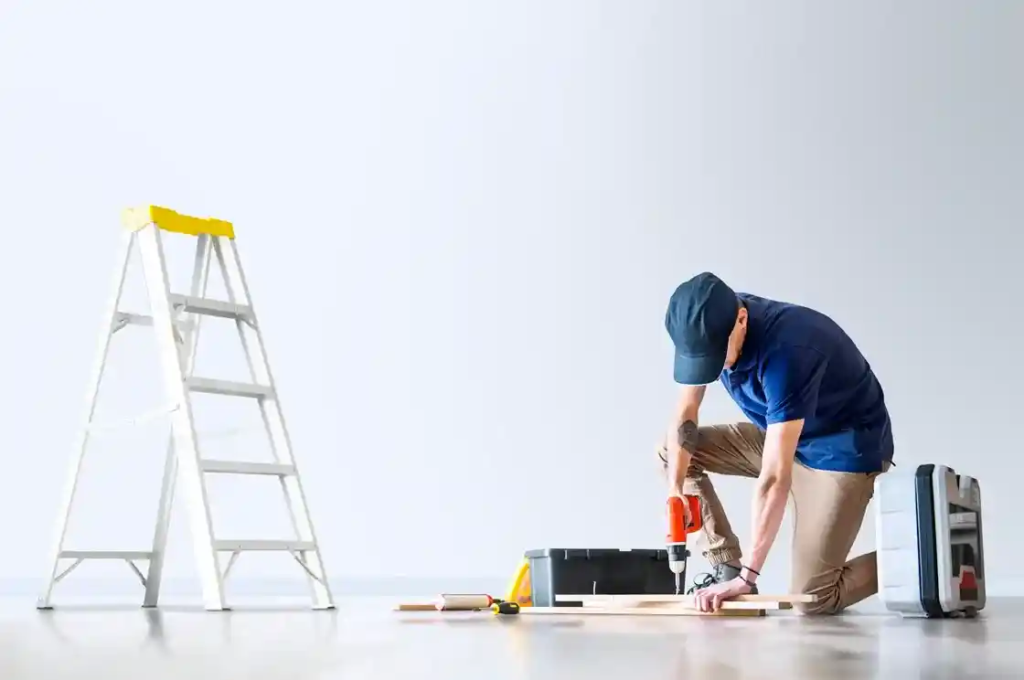
- Follow a Weekly Reset
Choose one day each week to reset your home. Put items back, wipe surfaces, empty trash, and prepare for the next week. A weekly reset keeps clutter from growing.
- Declutter Monthly
Set aside time each month to remove items you no longer use. Start with one drawer, one shelf, or one category. Monthly decluttering keeps storage from becoming crowded again.
- Check Repairs Early
Small repairs grow when ignored. Fix loose handles, dripping faucets, squeaky hinges, and peeling caulk early. Quick repairs protect your home and save money.
- Clean by Zones
Divide your home into zones like kitchen, bathroom, bedroom, entryway, and living room. Clean one zone at a time. This feels easier than trying to clean the whole home at once.
- Review Storage Often
Storage needs change over time. Review baskets, drawers, closets, and shelves every few months. If a system no longer works, adjust it instead of forcing it.
Best Products to Consider
The right products can support a cleaner, calmer home. However, do not buy organizers just because they look nice. Buy products that solve real problems. A good homenumental home guide focuses on function first and style second.
- Storage Baskets
Storage baskets work in living rooms, bedrooms, bathrooms, and entryways. Use them for blankets, toys, towels, shoes, and loose items. Choose baskets that fit shelves and are easy to carry.
- Drawer Organizers
Drawer organizers help separate small items. They are useful for utensils, office supplies, makeup, socks, and tools. Clear sections make it easy to find things quickly.
- LED Lamps
LED lamps save energy and add better lighting. Choose warm bulbs for relaxing areas and brighter bulbs for workspaces. Lamps also make rooms feel more layered and cozy.
- Floating Shelves
Floating shelves add storage without using floor space. They work well in bathrooms, kitchens, living rooms, and bedrooms. Keep shelves balanced with useful items and a few decorative pieces.
- Multi-Use Furniture
Multi-use furniture is ideal for small homes. Look for beds with drawers, ottomans with storage, extendable tables, and benches with hidden compartments. These pieces make rooms more flexible.
- Label Makers
A label maker may seem small, but it can change how storage works. Labels help with pantry bins, office drawers, kids’ supplies, and cleaning products. They make systems easier to follow.
Final Home Improvement Checklist
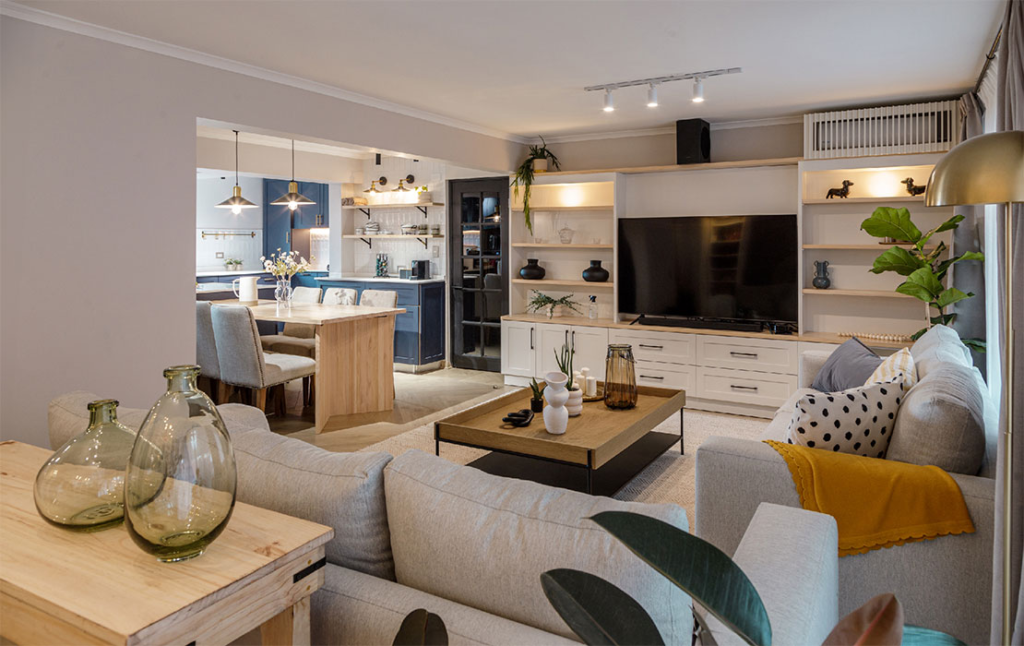
Before you begin any project, use a simple checklist. This helps you stay focused, avoid waste, and make better choices. Homenumental home ideas work best when style and function move together.
- Room Priority
Decide which room matters most right now. Choose the room that causes the most stress or gets the most use. Start there before moving to less important areas.
- Budget Limit
Set a clear budget before shopping. Include paint, tools, décor, storage products, and possible repairs. A budget keeps the project realistic and prevents overspending.
- Storage Needs
List what needs storage before buying furniture or containers. Think about daily items, seasonal items, and backup supplies. Good storage should match what you actually own.
- Style Direction
Choose a simple style direction, such as cozy modern, warm minimal, natural, vintage, or colorful. This helps you make better choices and avoid a mismatched look.
- Maintenance Plan
Plan how you will keep the space clean and useful. Decide what needs weekly, monthly, and seasonal attention. A beautiful room should also be easy to maintain.
Conclusion
The homenumental house infoguide by homehearted is not about creating a perfect home. It is about building a home that works better for real life. With smart storage, thoughtful décor, better lighting, simple DIY projects, and budget-friendly upgrades, any space can feel more comfortable and organized. Start small, stay practical, and let each improvement make daily life easier.
Frequently Asked Questions
Homenumental house infoguide by homehearted means a practical guide for improving the home through better design, organization, comfort, and daily function. It focuses on simple changes that make a house or apartment easier to live in.
Yes, this guide is useful for renters. Many ideas, such as peel-and-stick tiles, removable hooks, storage baskets, better lighting, curtains, and furniture layout changes, can improve a rental without permanent changes.
Start with cleaning, decluttering, rearranging furniture, changing textiles, painting small areas, and reusing items you already own. Budget home decor ideas work best when you focus on high-impact details first.
Upgrade the room that affects your daily routine most. If cooking feels stressful, start with the kitchen. If rest feels hard, start with the bedroom. If guests visit often, start with the living room.
Easy DIY projects include painting old furniture, making drawer labels, creating a gallery wall, refreshing plant pots, adding simple shelves, and changing cabinet hardware. These projects are beginner-friendly and affordable.
Use light colors, mirrors, vertical storage, multi-use furniture, and open walkways. Avoid oversized furniture and too much décor. Small home decor ideas should make the space feel open and useful.
Helpful products include storage baskets, drawer organizers, floating shelves, label makers, hooks, pantry bins, under-bed boxes, and furniture with hidden storage. Choose products based on your real storage needs.
A monthly declutter works well for most homes. You can also do a quick weekly reset to put items back in place. Regular decluttering keeps storage systems from becoming crowded.
Yes, some smart home tools can help save money. Smart plugs, timers, motion lights, and energy-saving bulbs can reduce wasted electricity when used properly.
Choose décor that supports your lifestyle. Use storage that looks good, furniture that fits the room, and colors that feel calm. A stylish home should still be easy to clean, move through, and enjoy.