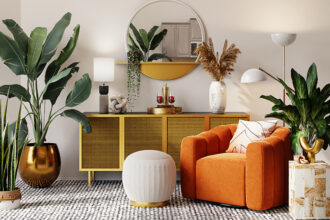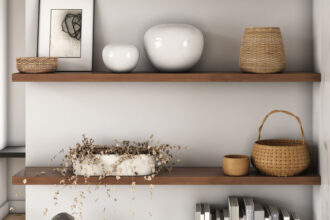
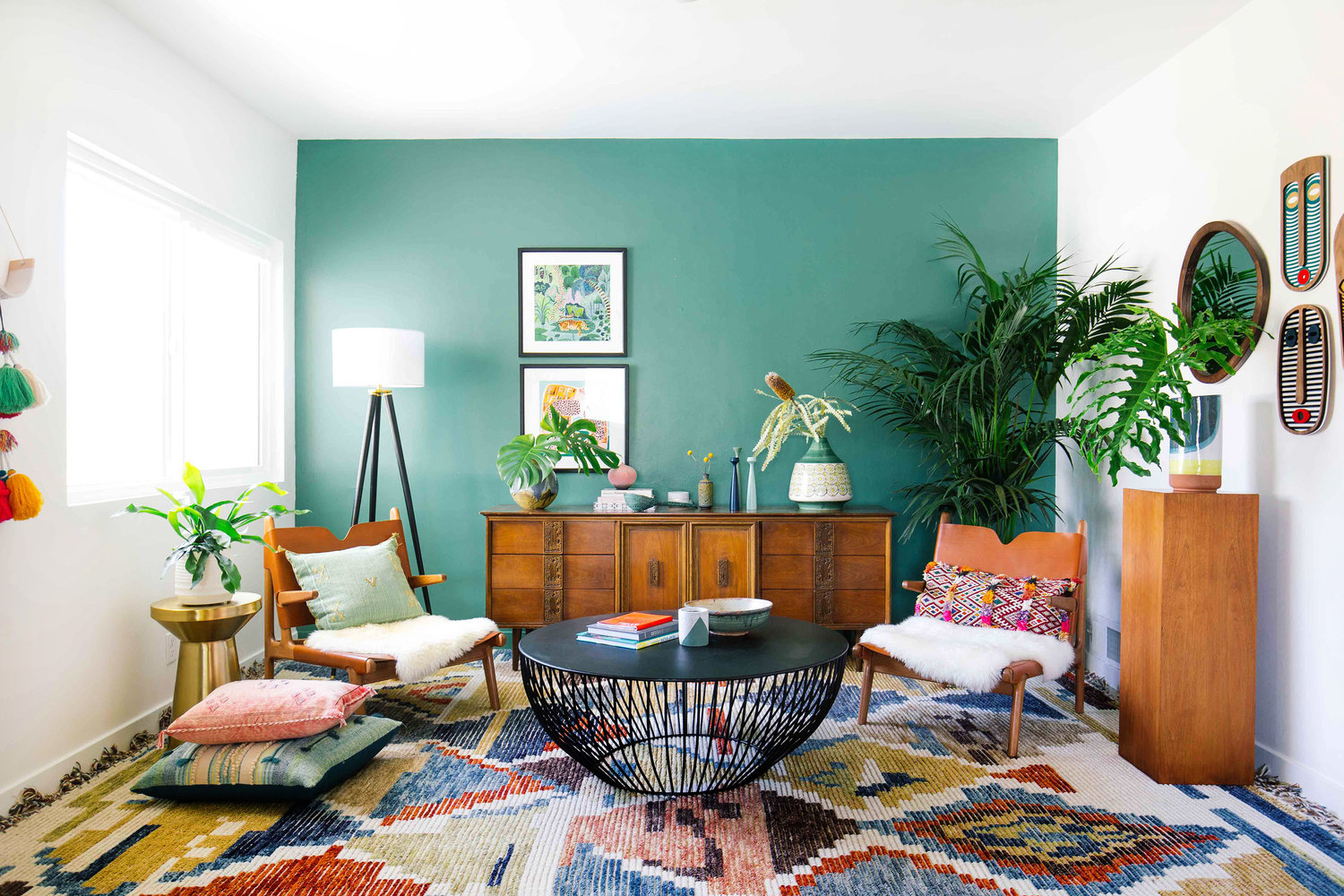

Decorating a room can feel exciting, but it can also feel a little confusing at first. You may wonder where to begin, what to buy, and how to make everything look connected. The good news is simple: a beautiful room starts with small, smart choices.
What Is Room Decorating?
Room decorating is the process of making a space look better, feel better, and work better for daily life. It includes choosing colors, furniture, lighting, wall decor, rugs, curtains, storage, and small details like pillows or plants. However, decorating is not only about making a room look pretty. It is also about creating a space that supports the way you live.
For example, a bedroom should feel calm and restful, while a home office should help you focus. A living room should feel welcoming because it is often where people relax, talk, and spend time together. Therefore, good decorating mixes beauty with purpose. Think of a room like a story. Every color, chair, lamp, and picture should add something useful to that story.
Why Room Decorating Matters?
Room decorating matters because your surroundings affect how you feel every day. A messy, dark, or crowded room can make life feel harder than it needs to be. On the other hand, a clean, bright, and well-planned room can help you feel calmer, happier, and more comfortable.
Also, decorating helps your home show your personality. You do not need a huge budget or designer furniture to make a room special. In fact, many of the best interior design ideas come from simple choices, such as moving furniture, adding better lighting, or choosing softer colors. When a room feels right, it becomes more than four walls. It becomes a place where you can rest, create, work, and enjoy everyday moments.
How to Start Decorating a Room?
Before buying anything, slow down and make a simple plan. Many decorating mistakes happen because people shop first and think later. As a result, they end up with items that look nice alone but do not work together in the room. A plan helps you save money, avoid clutter, and create a clear style.
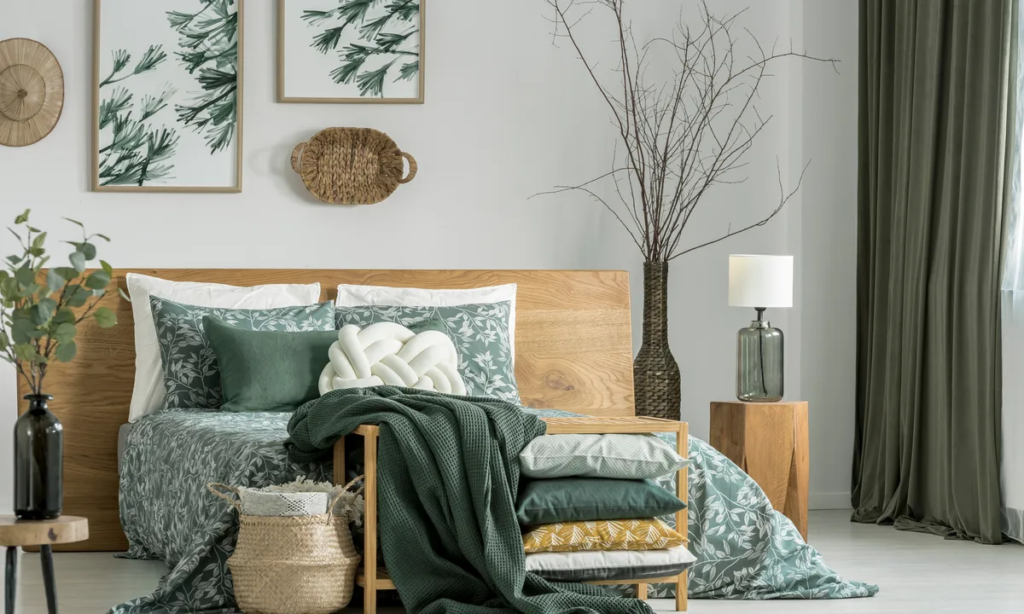
Start by looking at the room with fresh eyes. Ask yourself what feels good, what feels wrong, and what needs to change. Then, write down the main problems. Maybe the room feels too dark. Maybe the furniture is too large. Maybe the walls look empty. Once you know the problem, you can choose better solutions.
- Choose the room’s purpose
First, decide what the room needs to do. A guest room may also work as a home office. A living room may need space for watching TV, reading, and hosting friends. A kid’s room may need zones for sleep, play, and storage. When you know the purpose, decorating becomes much easier.
- Set a realistic budget
Next, choose a budget that fits your life. You do not need to decorate everything in one weekend. Instead, list what matters most. For example, a good mattress, sofa, rug, or desk may deserve more money. Smaller items, such as baskets, pillows, art, and lamps, can often be affordable home decor finds.
- Measure the space
Then, measure the room before buying furniture. Measure the walls, windows, doorways, and floor space. This step sounds basic, but it saves you from buying a sofa, bed, or table that feels too big. A room should breathe, just like a person needs space to move comfortably.
- Pick a decorating style
After that, choose a style that gives the room direction. You might like modern, farmhouse, coastal, traditional, minimalist, rustic, or boho decor. You may also love calm, simple spaces inspired by Japandi style, which blends Japanese warmth with Scandinavian simplicity. However, you do not have to follow one style perfectly. Use it as a guide, not a rulebook.
- Create a simple mood board
Finally, make a mood board. You can use Pinterest, saved photos, magazine pages, or a folder on your phone. Add colors, furniture shapes, fabric ideas, lighting, and wall decor. Soon, patterns will appear. You may notice that you like soft neutrals, wood tones, green plants, or black accents. This makes shopping easier and helps the room feel connected.
How to Choose a Color Scheme?
Color is one of the strongest tools in room decorating. It can make a room feel calm, bright, cozy, bold, or fresh. However, choosing colors can feel hard because there are so many options. The easiest way to begin is to keep the color scheme simple.
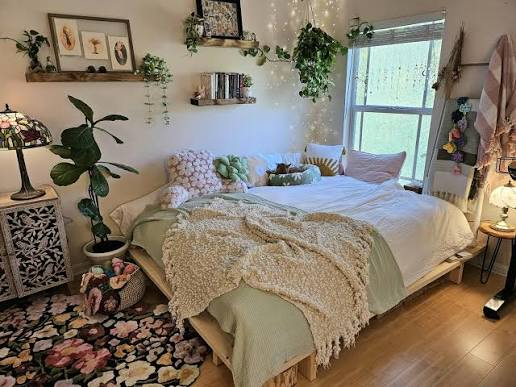
A good color scheme usually includes one main color, one or two accent colors, and a few neutral tones. This gives the room balance. Think of it like getting dressed. Your main color is the outfit, your accent colors are the accessories, and your neutral tones are the shoes that make everything work together.
- Start with one main color
Begin with one color you truly like. It could be white, beige, gray, blue, green, cream, or even a soft pink. This main color may appear on the walls, sofa, bedding, rug, or curtains. If you feel unsure, choose a calm base color first. Neutral room decor works well because it gives you freedom to change accents later.
- Add accent colors
Next, add accent colors in small amounts. For example, a cream bedroom can look warmer with terracotta pillows, brass lamps, or olive green artwork. A gray living room can feel softer with blue throws and wood furniture. Accent colors should support the main color, not fight with it.
- Use neutral tones for balance
Neutral tones include white, cream, beige, taupe, gray, black, and natural wood. These colors calm the room and make brighter shades easier to enjoy. Also, neutrals help a room feel more timeless. If you want easy home decor ideas that last, use neutral furniture and change smaller accents by season.
- Test paint and fabric samples
Before painting the whole room, test samples on the wall. Paint can look different in the morning, afternoon, and evening. Also, fabric samples can change under lamps or natural light. Therefore, take a few days to look at samples before making a final choice.
- Match colors with lighting
Lighting changes everything. A color that looks fresh in a sunny room may look dull in a dark room. Warm bulbs can make beige, cream, and wood tones feel cozy. Cooler light can make whites and grays look sharper. So, always look at your colors under the lighting you will use most.
How to Arrange Furniture?
Furniture layout can make or break a room. Even beautiful furniture can feel wrong when it is placed badly. On the other hand, simple furniture can look amazing when the layout works well. The goal is to create a room that feels open, useful, and comfortable.
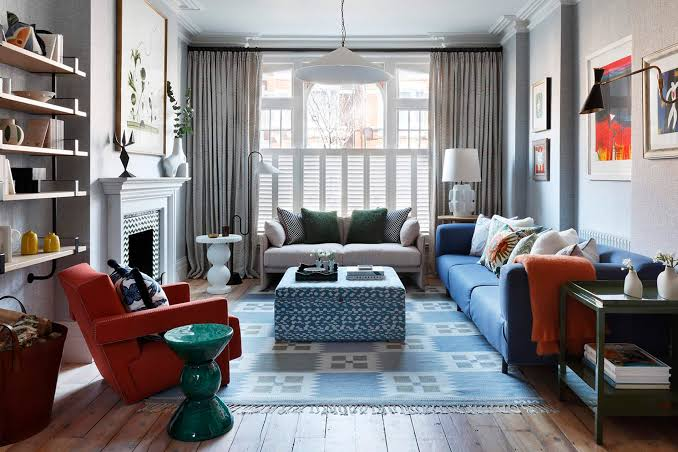
Start by thinking about how people will move through the space. A room should not feel like an obstacle course. You should be able to walk from one area to another without bumping into corners, tables, or chairs. Also, each seat should feel connected to the room’s main purpose.
- Start with the largest piece
Begin with the biggest item in the room. In a bedroom, that is usually the bed. In a living room, it is often the sofa. In a home office, it may be the desk. Place this piece first because it sets the room’s foundation. After that, add smaller furniture around it.
- Create a clear walking path
Leave enough space for walking. As a simple rule, try to keep main paths open and clear. For example, avoid placing a coffee table too close to the sofa. Also, make sure drawers, doors, and cabinets can open fully. A good layout should feel easy to use, not cramped.
- Use furniture that fits the room size
Large furniture can make a small room feel stuffed. Tiny furniture can make a large room feel empty. Therefore, choose pieces that match the scale of the room. A small bedroom may need a slim nightstand instead of a wide one. A small living room may need a loveseat instead of a huge sectional.
- Balance comfort and style
A stylish chair is not useful if nobody wants to sit in it. At the same time, comfort does not have to look messy. Choose furniture that supports real life. Soft seating, sturdy tables, and useful storage will always matter. After all, a room should serve people first.
- Avoid pushing everything against the walls
Many people push every piece of furniture against the walls because they think it makes the room look bigger. However, this can make the center feel empty and cold. Instead, pull furniture slightly away from the walls when possible. Even a few inches can make the layout feel more thoughtful.
How to Decorate Walls?
Walls are like blank pages. They can make a room feel finished, warm, and personal. However, empty walls are not always bad. The goal is not to cover every inch. Instead, choose wall decor that adds meaning, color, texture, or storage.
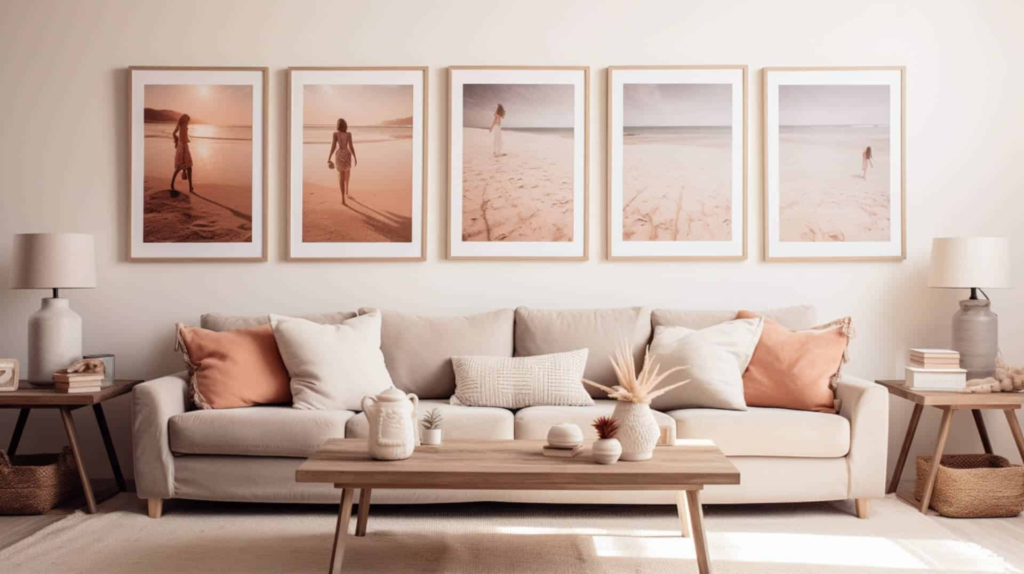
Before decorating walls, look at the whole room. If the furniture and rug already have many colors or patterns, keep the walls simple. However, if the room feels plain, wall decor can bring it to life. The best wall decorating ideas are usually simple, balanced, and personal.
- Add artwork or framed prints
Artwork is one of the easiest ways to add personality. You can use paintings, drawings, family photos, vintage posters, or printable art. Choose pieces that match the room’s mood. For example, soft landscapes work well in bedrooms, while bold prints can add energy to a living room.
- Use mirrors to brighten the room
Mirrors reflect light, so they can make a room feel brighter and larger. Place a mirror across from a window when possible. This helps bounce natural light around the space. A mirror also works well above a console table, dresser, fireplace, or small entry area.
- Add shelves for storage and style
Shelves are useful and decorative. You can style them with books, plants, baskets, candles, framed photos, and small objects. However, do not overcrowd them. Leave some empty space so each item can stand out. Shelves work especially well in bedrooms, home offices, living rooms, and kids’ rooms.
- Create a simple gallery wall
A gallery wall can look beautiful when it feels planned. Start with three to seven pieces if you are new to decorating. Use frames in similar colors for a clean look. Before hanging anything, arrange the pieces on the floor. Then, take a photo so you can copy the layout on the wall.
How to Use Lighting in Room Decor?
Lighting is one of the most important parts of room decorating, yet many people forget about it. A room with only one ceiling light can feel flat, cold, or unfinished. However, a room with layered lighting feels warm, useful, and welcoming.
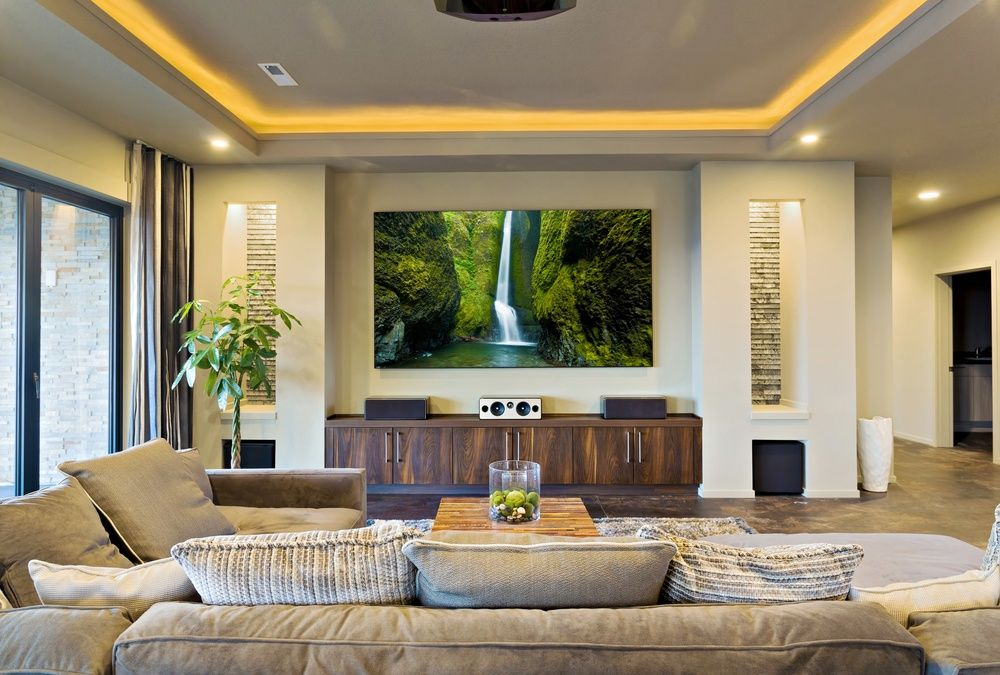
Think of lighting like layers of clothing. One layer may work, but several layers give more comfort and control. In the same way, a room needs different types of light for different moments. You may need bright light for cleaning, soft light for relaxing, and focused light for reading or working.
- Use natural light first
Start with the light that comes from windows. Natural light makes colors look better and helps a room feel fresh. Keep windows clean, avoid heavy dark curtains in small rooms, and use light fabrics when privacy allows. If the room feels too bright, add curtains or shades that soften the sunlight.
- Add overhead lighting
Overhead lighting gives the room general light. This could be a ceiling fixture, chandelier, pendant light, or recessed lights. Choose a fixture that matches the room’s size and style. For example, a large bedroom may need a bigger ceiling light, while a small room may need something simple and low-profile.
- Use lamps for warmth
Lamps make a room feel cozy because they create soft pools of light. Add table lamps to nightstands, side tables, desks, or dressers. Floor lamps work well beside sofas, reading chairs, and dark corners. Also, lamps help make affordable home decor look more polished.
- Add task lighting
Task lighting helps with specific activities. A desk lamp helps with work. A bedside lamp helps with reading. Under-shelf lighting helps in a craft area. In a kids’ room, a small reading lamp near a chair can create a calm bedtime corner. Task lighting makes the room more useful.
- Choose warm bulbs for a cozy feel
Bulbs matter more than many people think. Warm white bulbs usually make bedrooms and living rooms feel more relaxing. Cool bulbs can work in workspaces, bathrooms, or utility areas, but they may feel harsh in cozy rooms. Therefore, check the bulb temperature before buying.
How to Decorate on a Budget?
Decorating does not need to cost a fortune. In fact, some of the best rooms are built slowly with smart choices, secondhand finds, and creative updates. A small budget can help you become more thoughtful because every item has to earn its place.
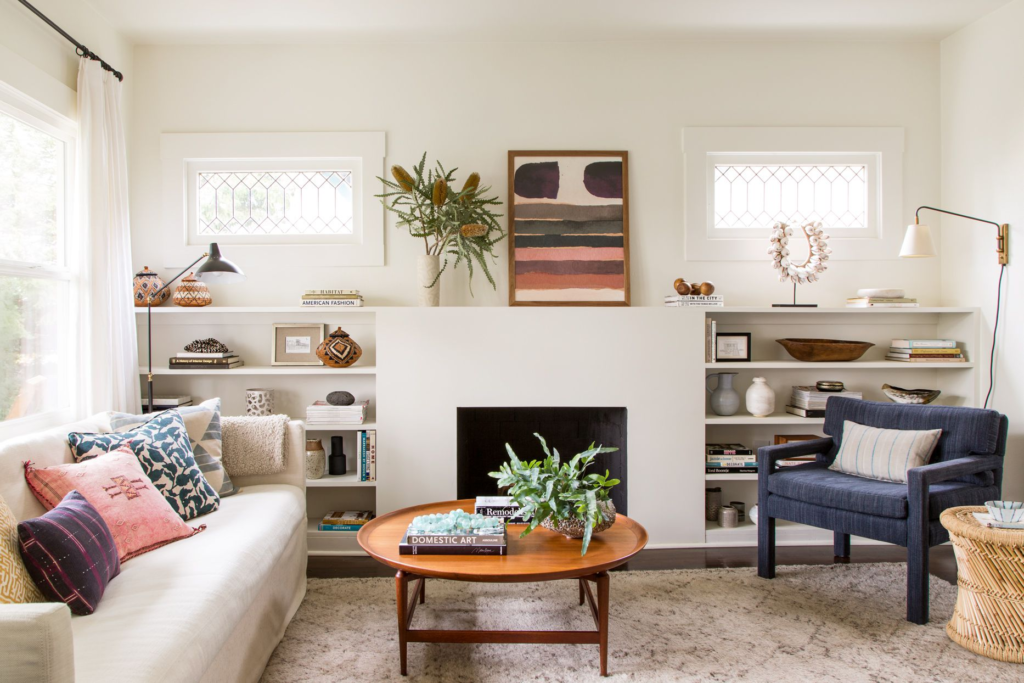
Instead of trying to change everything at once, focus on high-impact updates. A new layout, better lighting, fresh curtains, painted furniture, or a large rug can change the whole feeling of a room. Also, do not underestimate cleaning and decluttering. Sometimes a room does not need more decor. It needs fewer distractions.
- Rearrange what you already own
Before shopping, move things around. Try the chair in another corner. Swap lamps between rooms. Move artwork from a hallway into the bedroom. Restyle shelves with books and objects you already have. This costs nothing, yet it can make your home feel new.
- Shop secondhand
Secondhand shopping is perfect for affordable home decor. Look for solid wood furniture, mirrors, lamps, frames, baskets, side tables, and ceramic pieces. Many older items are well-made and full of character. Even if a piece looks dated, new hardware or paint can give it a fresh life.
- Try easy DIY projects
DIY projects can save money and add personality. You can paint a side table, make simple wall art, sew pillow covers, update old frames, or create a headboard. Start small if you are new to DIY. A successful small project builds confidence for bigger ones later.
- Update small details first
Small changes can have a big effect. Replace old pillow covers. Add a throw blanket. Change lampshades. Hang curtains higher. Add baskets for storage. Use matching hangers in a closet. These easy home decor ideas make the room feel cleaner and more finished without a major makeover.
- Spend more on key pieces
A budget room does not mean every item must be cheap. Spend more on pieces you use every day, such as a sofa, mattress, desk chair, or dining table. Then, save money on accents. This mix helps the room look stylish while still staying practical.
- Use plants and natural textures
Plants are a low-cost way to add life to a room. If real plants are hard to care for, choose good-quality faux plants. Also, natural textures like wood, rattan, cotton, linen, and jute can make a room feel warm. These materials work with many styles and colors.
Best Room Decor Ideas for Different Spaces
Each room has a different job, so each room needs a slightly different decorating plan. Still, the same basic ideas apply everywhere: choose a purpose, use good lighting, keep the layout clear, add storage, and include personal details.
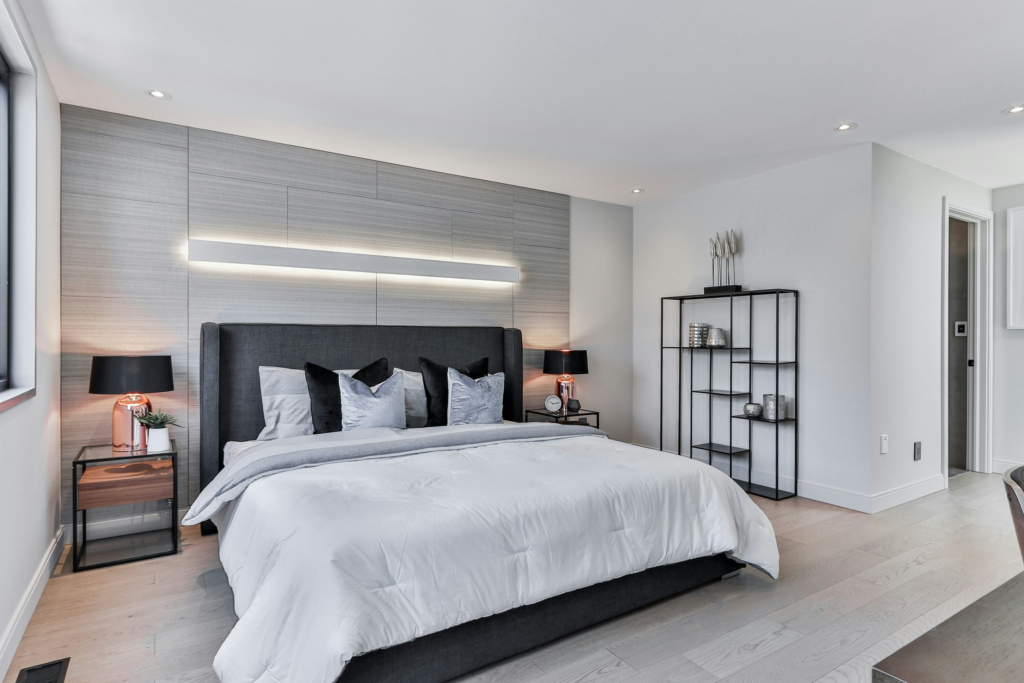
The best interior design ideas are not always complicated. Often, they are simple choices that make a room easier to use and nicer to look at. Let’s look at practical decorating ideas for common spaces.
- Bedroom decor ideas
A bedroom should feel calm, soft, and restful. Start with comfortable bedding because the bed is the main feature. Choose sheets, pillows, and a blanket that feel good against your skin. Then, add nightstands, soft lamps, curtains, and a rug if the floor feels cold.
For bedroom decorating ideas, keep colors soothing. Cream, beige, soft gray, pale blue, sage green, and warm white are all good choices. Add texture with a knit throw, linen curtains, or a woven basket. Also, avoid too much clutter near the bed because it can make the room feel busy.
- Living room decor ideas
A living room should feel welcoming and easy to use. Start with seating. Make sure people can talk comfortably without shouting across the room. Add a coffee table or side tables so drinks, books, and remotes have a place to land.
Then, bring in layers. Use a rug to define the seating area. Add pillows for color and comfort. Use lamps to create warmth. For a relaxed, cozy, and layered look, boho decor can offer great inspiration through natural textures, soft patterns, plants, and collected pieces.
- Small room decor ideas
Small rooms need smart choices. Use furniture with legs so the floor feels more open. Choose storage that goes up the wall, such as shelves or tall bookcases. Use mirrors to reflect light. Also, avoid too many tiny decorations because they can make the room feel crowded.
In small spaces, every piece should have a purpose. A storage bench, wall desk, nesting table, or bed with drawers can help. Keep the color scheme simple, and use light curtains to make the room feel airy.
- Guest room decor ideas
A guest room should feel clean, calm, and easy to settle into. Add fresh bedding, a bedside lamp, a small table, and space for a suitcase. If possible, include extra blankets, towels, and a few empty hangers.
You do not need to overdecorate a guest room. A simple mirror, one piece of art, and a small plant can be enough. The goal is to make guests feel comfortable, not overwhelmed.
- Home office decor ideas
A home office should help you focus. Start with a good desk and chair. Then, add task lighting, storage, and a calm background. Keep supplies easy to reach, but avoid leaving everything out.
Choose colors that help you work. Some people focus better with neutral room decor, while others like a little green, blue, or warm wood. Add one or two personal items, such as art or a photo, but keep the desk surface clear.
- Kids room decor ideas
Kids room decor ideas should mix fun with function. Children need space to sleep, play, learn, and store their things. Use bins, baskets, low shelves, and labels so cleanup becomes easier. Choose washable fabrics and durable furniture when possible.
Also, let the room grow with the child. Instead of buying themed furniture that may feel old quickly, use simple furniture and add personality through bedding, wall art, rugs, toys, and removable decals. This saves money over time.
Easy DIY Room Decorating Ideas?
DIY decorating is a great way to make a room feel personal. It also helps you update your home without spending too much. However, you do not need advanced skills or expensive tools to begin. Start with projects that are simple, safe, and easy to finish in a weekend.
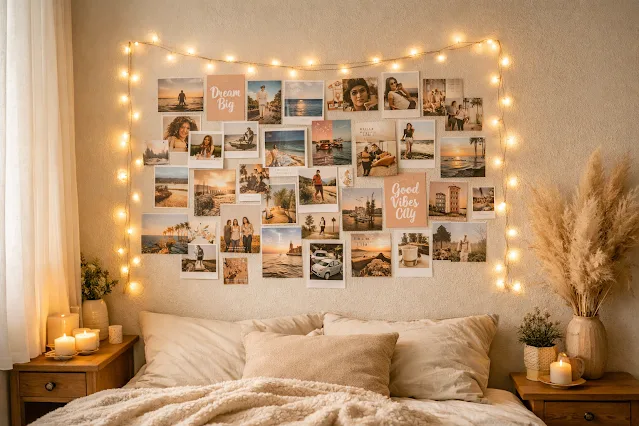
The best DIY projects solve a real problem. Maybe a wall looks empty. Maybe old furniture looks tired. Maybe open shelves feel messy. Once you know the problem, choose one project that can improve it.
- Paint an accent wall
An accent wall adds color without painting the whole room. Choose the wall behind the bed, sofa, desk, or dining table. Use a color that works with your existing furniture and decor. If you want a softer look, try a muted shade instead of a bright one.
- Refinish old furniture
Old furniture can look new again with sanding, stain, paint, or new hardware. A dresser, nightstand, desk, or side table can become a statement piece. Before painting, clean the furniture well and use the right primer. This helps the finish last longer.
- Make your own wall art
Homemade wall art can look stylish when you keep it simple. Try abstract shapes, pressed flowers, fabric in a frame, painted canvas, or black-and-white photos. Use colors from the room so the art feels connected.
- Upgrade cabinet handles
New handles can change the look of a dresser, cabinet, vanity, or built-in storage. This is one of the fastest DIY updates. For an even bigger change, consider refreshing surfaces with the right cabinet paint, especially if you want to update cabinets without replacing them.
- Style open shelves
Open shelves can look messy if everything is packed together. Start by removing all items. Then, place books, baskets, plants, and small decor in groups. Mix tall and short items. Leave empty space between pieces. This makes shelves look calm and planned.
Final Room Decorating Checklist?
Before you call the room finished, take one final look. Sometimes a room needs a few small changes before it feels complete. A checklist helps you see what is working and what still needs attention.
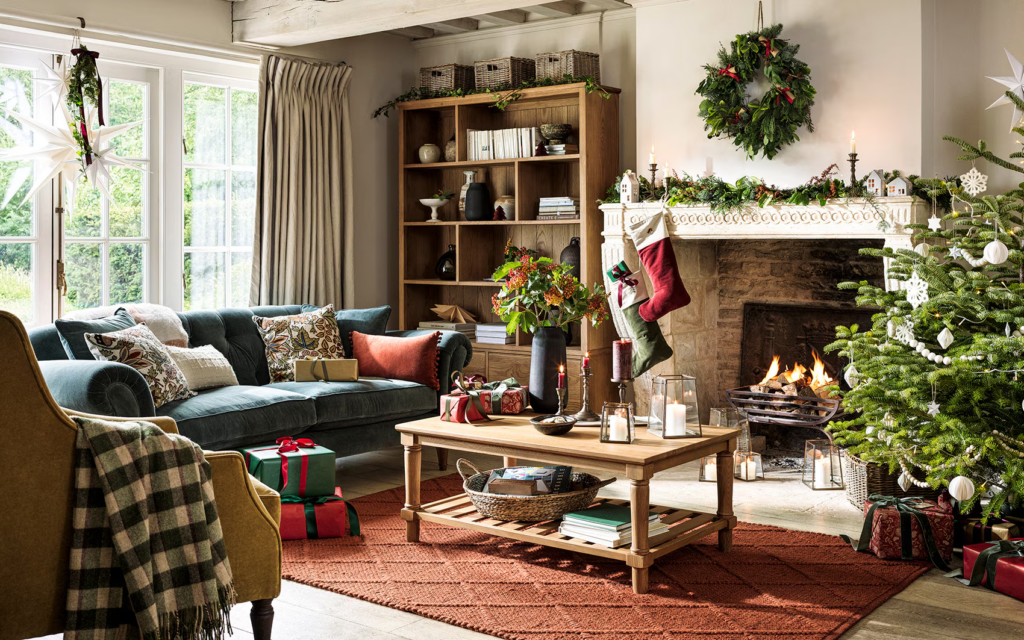
Walk into the room like a guest. Notice your first feeling. Does the room feel calm, cozy, bright, crowded, empty, or unfinished? Then, look at the layout, colors, lighting, storage, and personal touches. Small edits can make a big difference.
- Check the layout
Make sure the furniture supports the room’s purpose. Can people walk easily? Can they sit comfortably? Does the largest piece feel balanced? If the room feels awkward, try moving one or two pieces before buying anything new.
- Review colors and lighting
Look at the room during the day and at night. Colors can shift as the light changes. If the room feels cold, add warm bulbs, wood tones, or soft textiles. If it feels too dark, add mirrors, lighter curtains, or extra lamps.
- Add finishing touches
Finishing touches make a room feel loved. Add pillows, throws, books, candles, plants, trays, baskets, or art. However, choose carefully. A few thoughtful pieces look better than many random ones.
- Remove extra clutter
Clutter can hide good design. Remove items that do not serve a purpose or bring joy. Put away loose papers, extra cords, unused decor, and crowded surfaces. Storage baskets and drawer organizers can help keep the room neat.
- Make sure the room feels comfortable
Finally, ask the most important question: does the room feel good to use? A room can look beautiful in photos, but it should also support real life. Comfort, function, and personal style should work together.
Conclusion
Learning how to decorate a room becomes much easier when you take it step by step. Start with the room’s purpose, then choose a budget, measure the space, pick colors, arrange furniture, and layer in lighting. After that, add wall decor, storage, texture, and personal details.
You do not need a perfect home or a huge budget to create a beautiful room. Instead, you need clear choices and patience. Start with what you have, improve what matters most, and let the room grow over time. In the end, the best room is not the most expensive one. It is the one that feels welcoming, useful, and truly yours.
Frequently Asked Questions
Start by deciding the room’s purpose. Before you buy furniture, paint, or decor, ask what the room needs to do. For example, a bedroom should support sleep and relaxation, while a home office should support focus. Next, set a budget, measure the space, and choose a simple style direction. Then, create a mood board with colors, furniture, and decor ideas you like. This gives you a clear plan and helps you avoid random purchases. Finally, begin with the largest pieces first, such as the bed, sofa, or desk.
The easiest way to decorate a room is to start with small changes. Rearrange the furniture, remove clutter, add better lighting, and update soft items like pillows, curtains, bedding, or rugs. These changes can make a room feel fresh without a full makeover. Also, choose one color palette and repeat it in a few places. For example, if you use sage green pillows, add a small green print or plant nearby. Repeating colors helps the room look planned.
You can decorate a room on a small budget by using what you already own first. Move furniture, swap decor between rooms, and restyle shelves or tables. Then, shop secondhand for mirrors, lamps, baskets, frames, and solid wood furniture. DIY projects also help you save money. You can paint old furniture, make simple wall art, or change cabinet handles. For the best results, spend more on key pieces you use every day and save on smaller accents.
Choose a room color scheme by starting with one main color. Then, add one or two accent colors and use neutral tones for balance. If you feel unsure, begin with neutral room decor because it works with many styles. For example, cream walls, wood furniture, and beige curtains can pair well with blue, green, black, or terracotta accents. Always test paint and fabric samples in the room before making final choices because lighting can change how colors look.
A room looks cozy when it has warmth, softness, and good lighting. Use soft textiles like rugs, curtains, pillows, blankets, and upholstered furniture. Add warm bulbs, table lamps, or floor lamps instead of relying only on bright ceiling lights. Natural textures such as wood, rattan, linen, cotton, and wool also help. Finally, include personal details like books, art, plants, or family photos. Cozy rooms feel layered, comfortable, and lived in.
Decorate a small room by choosing furniture that fits the space. Avoid oversized pieces that block movement. Use mirrors to reflect light, shelves to add vertical storage, and furniture with hidden storage when possible. Keep the color scheme simple and avoid too many small decorations. Also, leave some empty space so the room can breathe. In a small room, every piece should be useful, beautiful, or both.
Buy the largest and most important piece first. In a bedroom, this is usually the bed. In a living room, it is often the sofa. In a home office, it may be the desk and chair. These key pieces set the layout and style for the rest of the room. After that, choose rugs, lighting, curtains, storage, and decor. Buying in this order helps everything fit together better.
To make a room look more expensive, focus on clean lines, good lighting, and less clutter. Hang curtains high and wide to make windows look larger. Use matching frames for wall art. Add a large rug that fits the furniture layout. Replace cheap-looking hardware on cabinets or dressers. Also, mix textures like wood, linen, metal, glass, and woven materials. You do not need costly items. You need thoughtful details.
You can decorate a room without painting by using removable wallpaper, curtains, rugs, artwork, mirrors, lamps, plants, and textiles. Large wall art can add color without changing the wall color. Peel-and-stick decals can work well in rentals or kids’ rooms. Also, bedding, pillows, and throws can change the mood quickly. If the walls are plain, use texture and pattern in other parts of the room.
Common room decorating mistakes include buying furniture before measuring, choosing too many colors, using only one light source, ignoring storage, and pushing all furniture against the walls. Another mistake is adding too much decor too quickly. This can make the room feel crowded instead of stylish. To avoid these problems, make a plan first. Measure carefully, choose a simple color scheme, layer lighting, and leave some empty space. A well-decorated room should feel balanced, not busy.