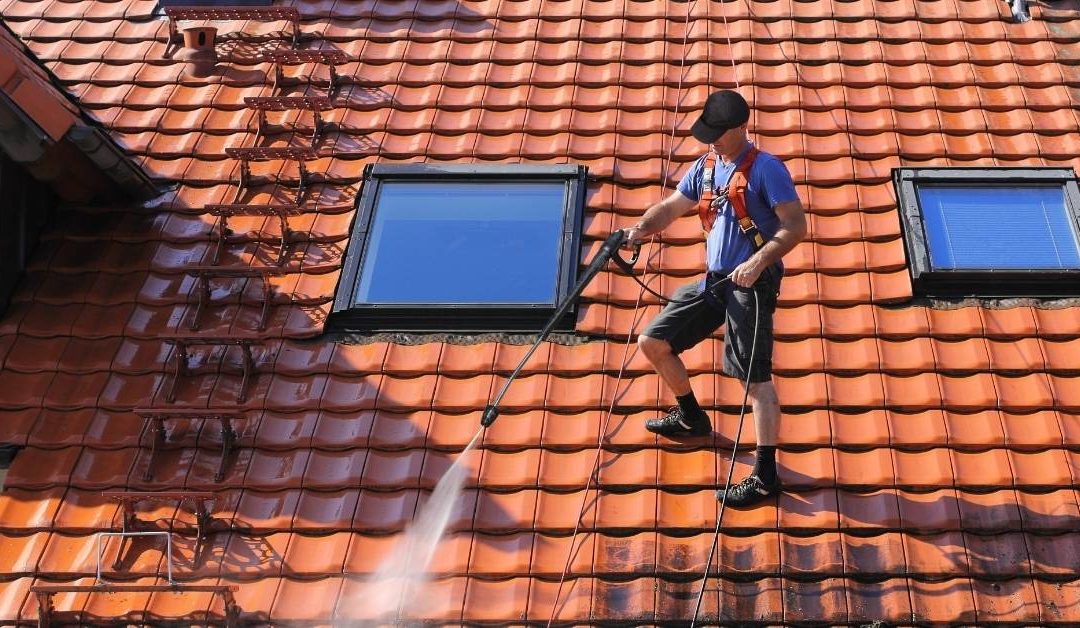

Tile roof cleaning can make an older roof look fresh, bright, and cared for again. A clean roof also helps protect the home from moss, algae, stains, clogged gutters, and early damage. With the right steps, tools, and safety habits, roof care becomes much less confusing.
What Is Tile Roof Cleaning?
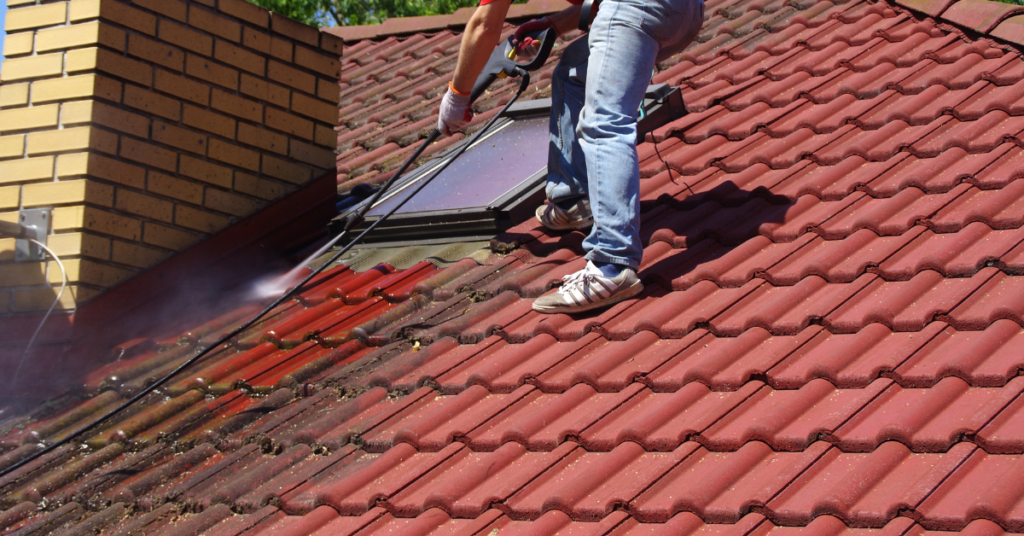
Tile roof cleaning is the process of removing dirt, moss, algae, mildew, leaves, stains, and other buildup from roof tiles. It helps the roof look better, but it also supports long-term roof health. Roof tiles are strong, yet they still need gentle care. Think of them like outdoor floor tiles. They can handle weather, sun, and rain, but they can still collect grime over time.
A clean tile roof may involve soft washing, low-pressure rinsing, hand brushing, moss treatment, gutter clearing, and spot cleaning. The best method depends on the roof material, the amount of buildup, and the condition of the tiles.
A good tile roof cleaner should remove stains without eating away at the tile surface. This is important because clay, concrete, and slate tiles can crack, chip, or fade when treated too roughly. The goal is simple: clean the roof without hurting it.
Why Tile Roof Cleaning Matters?
Tile roof cleaning matters because a roof protects everything under it. When dirt, moss, algae, and leaves sit on tiles for too long, they can trap moisture. That moisture can slowly weaken parts of the roof. Cleaning also keeps the home looking cared for from the street.
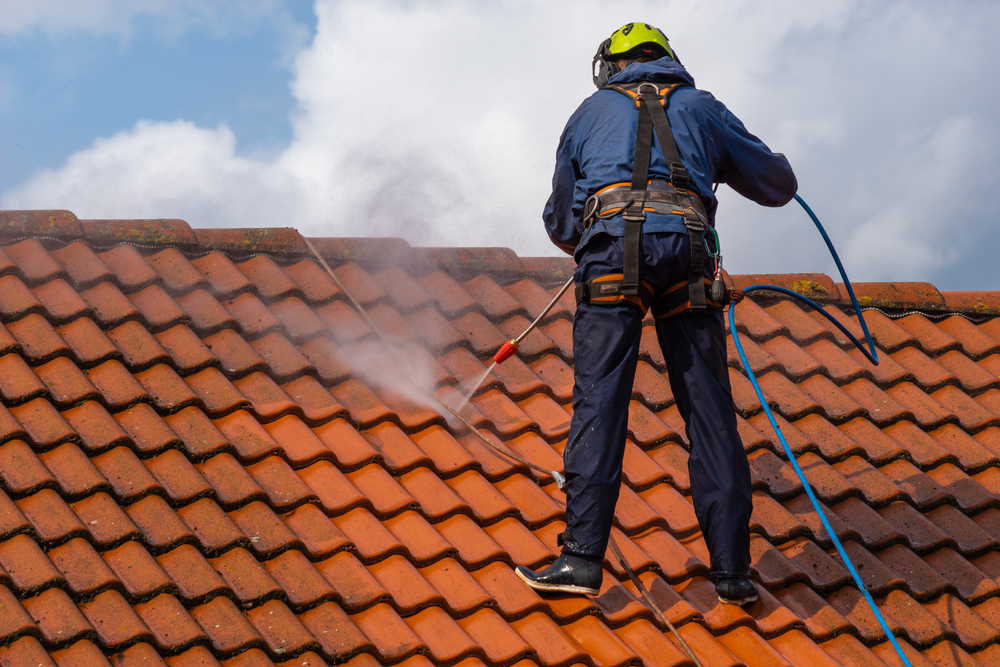
- Protects Your Roof
Roof tiles work like small shields. When they stay clean, water can run down and away as planned. However, when moss or dirt blocks the surface, water may sit in the wrong places. Regular cleaning helps tiles dry faster and reduces stress on the roof.
- Improves Curb Appeal
A dirty roof can make even a neat home look tired. On the other hand, clean roof tiles can lift the whole exterior. Fresh tiles pair well with tidy landscaping, clean paths, and simple curb appeal updates. It is like washing the frame around a picture.
- Helps Prevent Costly Repairs
Small roof problems often start quietly. A little moss, a few blocked gutters, or a patch of dark staining may not seem serious at first. However, these issues can grow. Cleaning gives you a chance to notice cracked tiles, loose pieces, and drainage problems before repairs become expensive.
Signs Your Tile Roof Needs Cleaning
A tile roof usually shows clear signs when it needs attention. Some signs are easy to see from the ground, while others appear around gutters, walls, or outdoor areas. If the roof looks darker, patchy, or covered with growth, it may be time to clean tile roof surfaces carefully.
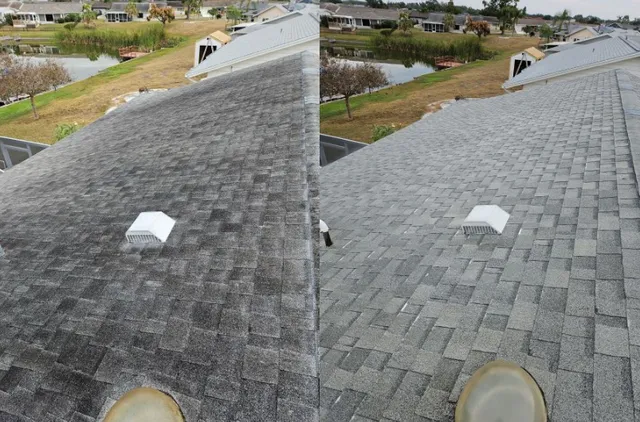
- Dark Stains
Dark stains often come from algae, mildew, dirt, or pollution. These marks may start small, then spread across large sections of the roof. While stains do not always mean damage, they can make the roof look old. They also show that moisture may be sitting on the tiles.
- Moss or Algae Growth
Moss and algae love damp, shaded spaces. They often grow near trees, under overhangs, or on roof areas that get little sun. Moss can hold moisture like a sponge. Over time, that trapped water may work under tiles or cause surface wear.
- Clogged Gutters
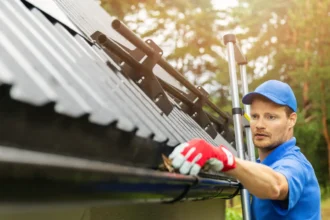
Clogged gutters are a strong sign that the roof needs care. Leaves, broken tile bits, moss, and dirt can wash into gutters and block water flow. Regular gutter cleaning helps water move away from the roof, walls, and foundation.
- Dull or Dirty Tiles
Tiles can lose their bright look after years of dust, pollen, bird droppings, and weather exposure. A dull roof may not be damaged, but it can still drag down the home’s appearance. Cleaning can bring back color and make the whole exterior feel fresher.
Benefits of Tile Roof Cleaning
The benefits of tile roof cleaning go beyond looks. A clean roof can last longer, drain better, and help the home feel better maintained. It can also make outdoor spaces more pleasant because less dirt, moss, and debris wash down around patios, walkways, and garden beds.
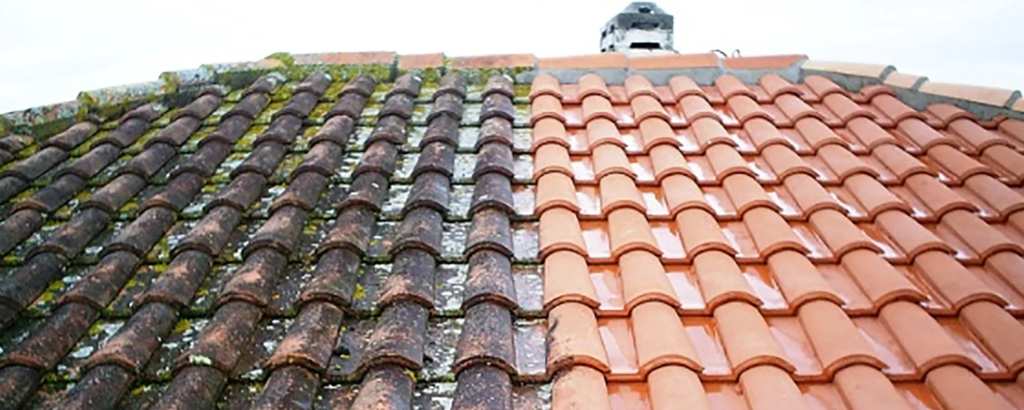
- Longer Roof Life
Tile roofs can last for many years when cared for well. Cleaning helps remove moisture-holding debris before it creates problems. It also helps you spot small issues early. A little care now can protect tiles from extra wear later.
- Better Home Appearance
Clean tiles can make the whole property look brighter. Even if the paint, porch, or garden looks great, a stained roof can pull attention away. When the roof looks clean, the home feels more balanced. This works especially well with simple outdoor updates and curb appeal projects.
- Healthier Outdoor Space
Moss, algae, mold, and mildew can spread around damp outdoor areas. Cleaning the roof helps reduce buildup that may wash onto decks, paths, and walls. While roof cleaning is not a full health treatment, it does support a cleaner and more pleasant outdoor space.
- Higher Home Value
A clean roof can make a strong first impression. Buyers, guests, and neighbors often notice the roof before they notice small details. A roof that looks cared for can suggest that the rest of the home has been maintained well, too.
Types of Tile Roofs
Not all tile roofs are the same. The best cleaning method depends on the material. Some tiles are more delicate, while others can handle more scrubbing. Before choosing a tile roof cleaner or cleaning method, it helps to know what kind of roof tiles you have.
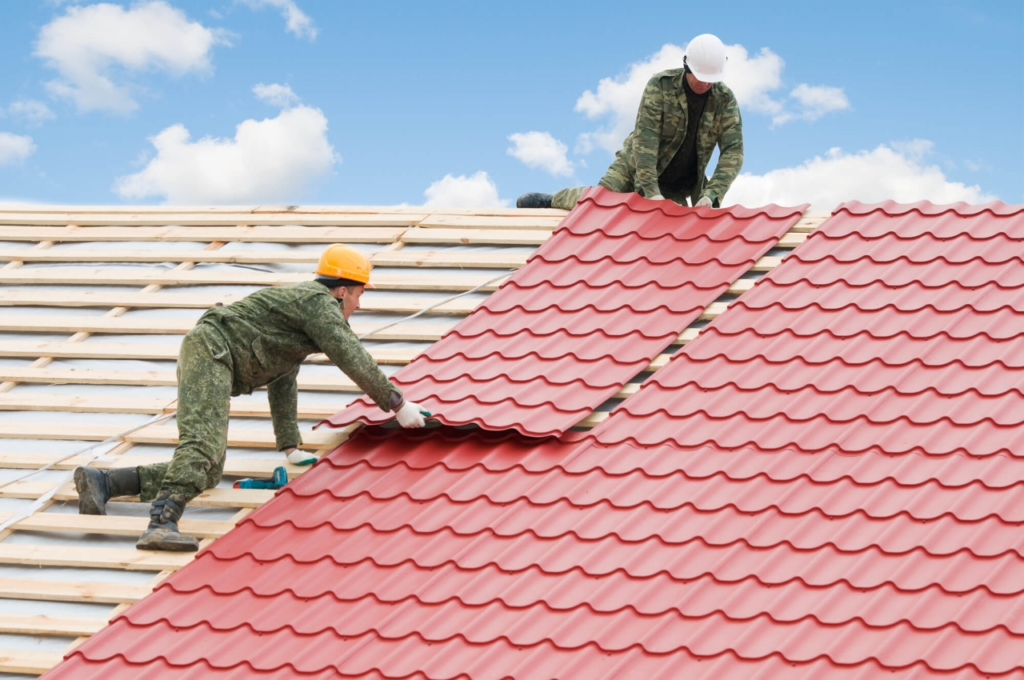
- Clay Tile Roofs
Clay tiles have a warm, classic look. They are common in Mediterranean, Spanish, and Southwestern-style homes. Clay tile roof cleaning should be gentle because clay can crack under pressure or heavy foot traffic. Soft washing and careful rinsing often work better than hard scrubbing.
- Concrete Tile Roofs
Concrete tiles are strong and popular, but they can still collect algae, moss, and stains. They are heavier than clay tiles and may have a textured surface that traps dirt. A soft brush, low-pressure rinse, and proper roof cleaner can help clean dirty roof tiles safely.
- Slate Tile Roofs
Slate tiles look elegant and natural, but they need careful handling. They can crack if walked on the wrong way. Slate also has layers, so harsh pressure can cause damage. When slate roofs need cleaning, many homeowners choose a professional because the material can be costly to repair.
Best Ways to Clean a Tile Roof
The best way to clean a tile roof is usually the gentlest method that still removes the buildup. A roof does not need harsh blasting to look better. In many cases, soft washing, low-pressure rinsing, and hand removal of moss work well together.
- Soft Washing
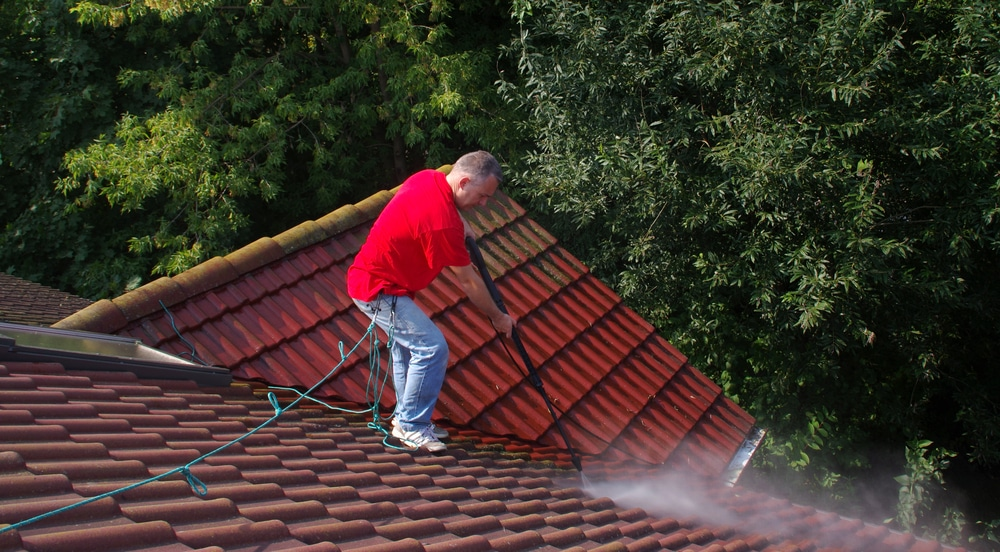
Soft washing uses a cleaning solution and gentle water pressure. The cleaner loosens algae, mildew, and grime so the roof does not need aggressive scrubbing. This method works well for many tile roofs when done correctly. Always use a product that matches the tile material.
- Low-Pressure Rinsing
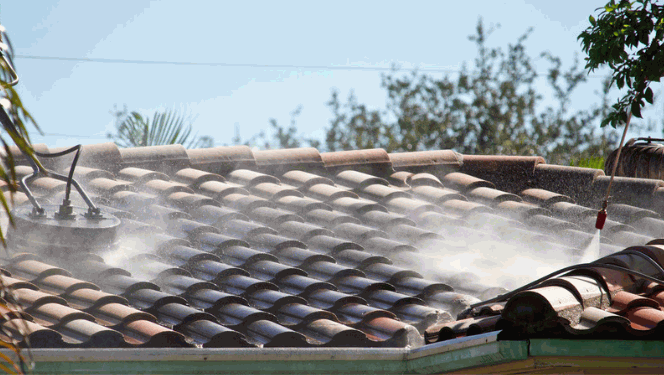
Low-pressure rinsing helps wash away loosened dirt without forcing water under the tiles. High pressure can break tiles or strip protective surfaces. A garden hose or low-pressure roof rinse is often safer than a pressure washer, especially for older roofs.
- Manual Moss Removal
Manual moss removal means using a soft brush, hand tools, or gentle scraping to lift moss from the tile surface. This takes patience, but it lowers the risk of damage. Never use sharp metal tools that can scratch, chip, or dig into the tile.
- Eco-Friendly Cleaning Solutions
Eco-friendly cleaners can help reduce harm to plants, soil, and outdoor surfaces. They are often useful around gardens, patios, and lawns. Even so, plants should still be covered and rinsed before and after cleaning. “Eco-friendly” does not mean careless use is safe.
How to Clean a Tile Roof Safely?
Safety matters more than speed. Roofs can be slippery, steep, and unstable. If the roof is high, damaged, wet, or hard to access, hiring a professional is the better choice. A safe plan should protect the person cleaning, the tiles, the plants, and the gutters.
- Check the Roof First
Start by looking at the roof from the ground. Use binoculars if needed. Look for broken tiles, heavy moss, sagging areas, and loose flashing. If anything looks unsafe, do not climb up. Cleaning a damaged roof can make problems worse.
- Wear Safety Gear
Use non-slip shoes, gloves, eye protection, and clothing that covers the skin. If ladder work is needed, use a stable ladder and have another person nearby. Roof safety is not the place to rush. One bad step can lead to serious injury.
- Protect Plants and Furniture
Before applying cleaner, move outdoor furniture, cushions, pots, and decorations away from the cleaning area. Cover nearby plants with plastic sheeting or breathable covers for short periods. Then rinse plants with water before and after cleaning to reduce chemical contact.
- Apply the Cleaner
Follow the instructions on the tile roof cleaner label. Apply it evenly and let it sit for the recommended time. Do not let strong cleaners dry on the tiles in hot sun. Work in small sections so you can control the process.
- Rinse Gently
Rinse the roof with low pressure. Let water flow down the roof naturally, like rain. Avoid spraying upward under the tiles because that can push water where it does not belong. Gentle rinsing helps protect the roof structure and underlayment.
- Clean Gutters Afterward
After the roof is rinsed, debris often ends up in the gutters. Remove leaves, moss, and loose dirt so water can drain well. This is another reason roof cleaning and gutter cleaning go hand in hand.
Tile Roof Cleaning Tools and Supplies
The right tools make tile roof cleaning safer and easier. Simple tools often work better than heavy equipment. The goal is to clean without cracking tiles, stripping surfaces, or sending dirty water into the wrong areas. Gather everything before starting.
- Garden Hose
A garden hose works well for gentle rinsing. It gives enough water to wash away loosened dirt without the force of a pressure washer. Use a spray nozzle with a soft setting. Avoid blasting water into tile gaps, vents, or roof edges.
- Soft Brush
A soft brush can loosen dirt, moss, and algae without scraping the tile surface. Choose a brush with gentle bristles and a long handle if possible. Stiff wire brushes can damage tiles, so avoid them. Slow, light brushing works best.
- Roof Cleaner
Choose a cleaner made for roof surfaces and safe for your tile type. A good tile roof cleaner should target algae, moss, mildew, and stains without being too harsh. Read the label carefully. Also check whether the cleaner needs dilution before use.
- Safety Ladder
A strong ladder is a must for any roof-related task. Place it on flat ground and make sure it reaches above the roof edge. Never lean too far sideways. If the ladder feels shaky, stop. A clean roof is not worth a fall.
- Gloves and Eye Protection
Gloves protect hands from cleaner, sharp tile edges, and debris. Eye protection helps guard against splashes, dust, and falling particles. These items may seem small, but they matter. Cleaning products and roof grit can irritate skin and eyes quickly.
- Plastic Covers for Plants
Plastic covers help protect flowers, shrubs, grass edges, and garden beds from overspray. Use them only while applying cleaner, then remove them soon after rinsing. Plants need air, so do not leave plastic covers on for too long.
Mistakes to Avoid When Cleaning Tile Roofs
Many tile roof problems happen because people clean too aggressively. Roof tiles need care, not force. Avoiding common mistakes can save money, stress, and repairs. When in doubt, choose the slower and safer method over the fast and risky one.
- Using Too Much Pressure
High-pressure washing may look satisfying, but it can crack tiles, strip coatings, and push water under the roof surface. It can also loosen older tiles. For many roofs, soft washing and low-pressure rinsing are safer choices than powerful pressure washing.
- Walking on Weak Tiles
Tile roofs are not regular floors. Some tiles can break under body weight, especially if they are old, thin, or already cracked. Walking in the wrong place can also shift tiles. If you must step on the roof, use proper safety methods or hire a pro.
- Using Harsh Chemicals
Strong chemicals may clean fast, but they can damage tiles, stain metal parts, harm plants, and create unsafe runoff. Always use cleaners made for roofs and follow the label. More chemical does not mean better cleaning. It often means more risk.
- Ignoring Safety Steps
Skipping gloves, eye protection, ladder checks, or plant covers can turn a simple job into a costly problem. Roof cleaning involves height, water, slippery surfaces, and cleaning products. Treat it like a careful project, not a quick chore.
DIY Tile Roof Cleaning vs. Hiring a Pro
DIY tile roof cleaning can work for small, low-risk jobs. However, some roofs need trained help. The choice depends on the roof height, slope, tile condition, amount of buildup, and your comfort level. Good cleaning services can save time and reduce risk.
- When DIY Makes Sense?
DIY may make sense when the roof is low, easy to reach, lightly dirty, and safe to access from a ladder or nearby platform. Simple rinsing, small stain treatment, and light debris removal may be manageable. Still, avoid walking on tiles whenever possible.
- When to Hire a Professional?
Hire a professional when the roof is steep, high, slippery, cracked, heavily stained, or covered with thick moss. Trained cleaners know how to move safely and choose the right method. For risky jobs, professional cleaning is often cheaper than fixing broken tiles or medical bills.
- Cost and Safety Comparison
DIY may cost less upfront because you only buy supplies. However, roof cleaning cost changes when you add safety gear, tools, time, and possible repairs. A professional costs more, but they bring equipment, experience, and insurance. For many homes, that peace of mind matters.
How Often Should You Clean a Tile Roof?
Most tile roofs need cleaning every one to three years, but the best schedule depends on the climate and the home’s surroundings. A roof under trees may need cleaning more often because leaves, shade, and moisture invite moss and algae. A sunny roof in a dry area may stay clean longer.
Instead of following a strict calendar only, watch the roof. If you see dark streaks, moss, clogged gutters, or dull tiles, it may be time. Regular checks after storms can also help. Gentle, steady care is better than waiting until the roof looks badly stained.
Tile Roof Cleaning Tips for Beginners
Tile roof cleaning feels easier when you start small and stay patient. Do not try to clean the whole roof in one rush. Plan the job, gather tools, protect the area, and use gentle methods. These roof care tips can help beginners avoid common problems.
- Start With a Small Area
Test the cleaner on a small hidden area first. This helps you see how the tile reacts before treating a large section. If the cleaner causes fading, streaking, or surface changes, stop and choose another method. Testing saves headaches.
- Choose a Dry, Mild Day
A dry, mild day gives you better control. Hot sun can dry cleaner too fast, while rain can wash it away before it works. Wind can spread overspray onto plants, windows, and furniture. Mild weather makes the job safer and neater.
- Avoid Standing on Tiles
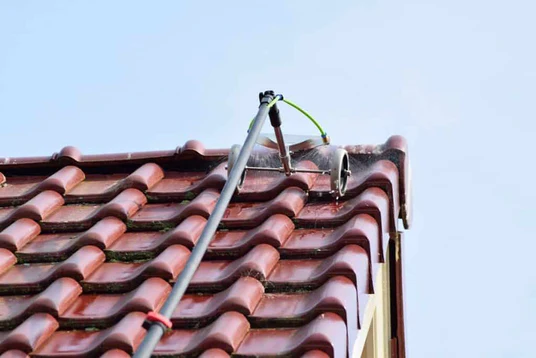
Try to clean from a ladder, extension pole, or safe platform when possible. Standing on roof tiles can crack them or shift them out of place. If roof access is needed, use proper safety equipment and step only where it is safe.
- Keep Plants Covered
Plants can be sensitive to roof cleaners, even gentle ones. Cover nearby shrubs, flowers, and grass edges before applying cleaner. Also rinse them before and after the job. Water acts like a simple shield and helps dilute any overspray.
Tile Roof Cleaning for Renters
Renters should be extra careful with tile roof cleaning. The roof usually belongs to the property owner, and cleaning it without permission can create problems. Even if the roof looks dirty, risky DIY work is not the best first step.
- Ask the Landlord First
Always contact the landlord or property manager before doing roof work. Explain what you noticed, such as moss, stains, loose tiles, or blocked gutters. Written communication helps keep everything clear. The owner may already have a preferred maintenance company.
- Report Roof Problems Early
Small roof problems can grow if no one reports them. Mention leaks, water stains, overflowing gutters, broken tiles, or falling debris as soon as possible. Early reporting protects the home and shows responsible care. Photos can help explain the issue clearly.
- Avoid Risky DIY Work
Renters should avoid climbing on tile roofs or using cleaners without approval. If a tile breaks or water enters the roof, the repair may become a dispute. It is safer to report the issue and let the owner arrange proper service.
Simple Maintenance After Cleaning
After tile roof cleaning, simple maintenance helps the roof stay clean longer. Think of it like cleaning a kitchen counter. The deep clean matters, but small habits keep the mess from coming back quickly. Good home maintenance routines protect the whole property.
- Trim Nearby Trees
Trees add shade and beauty, but branches can drop leaves, seeds, and twigs onto the roof. Trim branches that hang too close to the tiles. Better airflow and sunlight help the roof dry faster, which can slow moss and algae growth.
- Clear Leaves Often
Leaves trap moisture and create a soft bed for moss. After windy days or storms, check for piles of leaves on roof valleys, near chimneys, and around gutters. Removing debris early keeps the roof cleaner and reduces drainage problems.
- Check Gutters
Gutters carry water away from the roof and home. If they clog, water can back up and cause stains, leaks, or fascia damage. Regular gutter cleaning is one of the simplest ways to support a clean tile roof.
- Look for Broken Tiles
After cleaning, look for cracked, loose, or missing tiles. You can often spot obvious damage from the ground. Broken tiles should be repaired quickly because they can let water reach areas that should stay dry. Do not ignore small cracks.
Conclusion
Tile roof cleaning is not just about making a roof look pretty. It helps protect tiles, improve drainage, reduce moss and algae, and keep the home looking cared for. The safest approach is gentle cleaning, smart tools, and careful planning. For small jobs, DIY may work. For steep, high, damaged, or heavily stained roofs, hiring a pro is the better choice. With steady roof care tips and simple maintenance, clean roof tiles can stay beautiful much longer.
Frequently Asked Questions
The best way to clean a tile roof is usually soft washing with a roof-safe cleaner, followed by low-pressure rinsing. This method removes dirt, algae, mildew, and light moss without blasting the tiles. For heavy moss, gentle manual removal may also help. Always match the cleaner to the tile type.
Pressure washing a tile roof can be risky. Strong pressure may crack tiles, strip coatings, or push water under the roof. Some professionals use controlled pressure in special cases, but beginners should avoid high-pressure washing. A soft wash and gentle rinse are safer for most tile roofs.
Tile roof cleaning is often done every one to three years. However, the timing depends on weather, shade, trees, moisture, and how fast stains return. Homes in damp or shaded areas may need cleaning more often. A quick roof check each season can help you decide.
Tile roof cleaning can be safe for beginners only when the job is small, low, and easy to reach. Beginners should avoid climbing on steep or high roofs. If the tiles are cracked, slippery, or covered in heavy moss, hire a professional. Safety should always come first.
A roof-safe moss remover, soft brush, and gentle rinse can remove moss from tile roofs. Thick moss may need careful hand removal first. Avoid metal scrapers and harsh chemicals because they can damage the tiles. After cleaning, trim trees and clear leaves to slow moss growth.
Yes, roof cleaning can damage tiles if done the wrong way. Too much pressure, harsh chemicals, heavy walking, or sharp tools can crack, scratch, or loosen tiles. The safest method uses gentle cleaning products, low-pressure water, and limited foot traffic.
Renters should not clean a tile roof without permission from the landlord or property manager. Roof work can be dangerous, and damage may lead to repair disputes. It is better to report stains, moss, leaks, or clogged gutters and ask the owner to arrange service.
Professional roof cleaning cost depends on roof size, height, slope, tile type, dirt level, moss growth, access, and local labor rates. A small, simple roof usually costs less than a large, steep, or heavily stained roof. The best step is to ask for a written quote that explains the cleaning method, plant protection, gutter cleanup, and any extra fees.